
What's the Deal with Airline Food?
An in-depth look at the science, history, and evolving quality behind in-flight cuisine
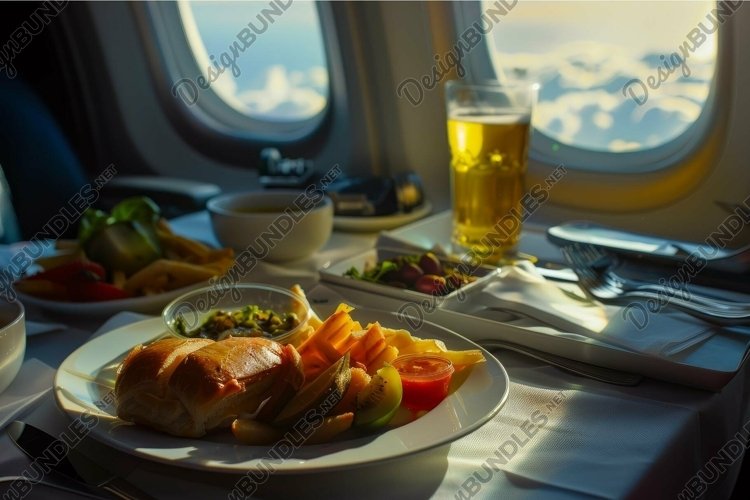
Key Takeaways
- Scientific and Environmental Factors: At high altitudes, reduced air pressure and humidity profoundly affect taste perception, which means food must often be over-seasoned to be palatable.
- Logistics and Preparation: Airline meals undergo complex preparation processes from centralized kitchens to reheating onboard, which, while ensuring food safety, often limits freshness and culinary finesse.
- Evolution and Innovation: Despite a long-standing reputation for bland or subpar food, improvements in airline catering—with input from celebrated chefs and better sourcing practices—have elevated the overall quality, especially in premium cabins.
Overview of Airline Food
Airline food has become a subject of both humor and serious culinary discussion over the decades. While it remains a cultural shorthand for mediocre cuisine at 35,000 feet, the reality is multi-faceted. The evolution of in-flight meals spans logistical challenges, scientific influences on taste, and innovative efforts to improve both presentation and flavor. This article delves into the intricate process behind airline food, exploring the impact of high-altitude conditions, mass production methods, and the gradual shift towards gourmet offerings in premium travel classes.
Historical Perspectives
Beginnings in the Early 20th Century
In the early days of commercial aviation, in-flight dining was a simple affair. Early travelers could expect sandwiches, fruits, and basic beverages served from a thermos. Meals were designed for convenience and ease of consumption rather than culinary luxury. As aviation technology and passenger expectations evolved, airlines began offering more varied menus and slightly more sophisticated dining experiences, particularly in premium cabins. However, the era of extravagant in-flight cuisine started to wane following major industry changes such as airline deregulation, which emphasized cost reduction and operational efficiency over gastronomic excellence.
The Rise and Decline of Gourmet In-Flight Meals
During the mid-20th century, some airlines, particularly flag carriers and luxury services, offered gourmet meals that included selections like shrimp cocktails, Beef Wellington, and intricate dessert options often prepared by renowned chefs. Yet, as the aviation industry began to focus on cost efficiency and time constraints, airlines scaled back these offerings. The gradual shift saw mass-produced, centrally prepared meals becoming the norm across most carriers, especially in economy classes, thus cementing the stereotype of unremarkable, sometimes even unappetizing, airline food.
Scientific and Environmental Factors
Impact of Altitude on Taste Perception
One of the most significant factors affecting the taste of in-flight meals is the cabin environment. At cruising altitudes of around 35,000 feet, several scientific elements come into play:
Reduced Taste Sensitivity
Research indicates that the low humidity and decreased air pressure within an airplane cabin result in a roughly 30% reduction in the ability to taste salty and sweet flavors. This phenomenon forces chefs and caterers to overcompensate by adding extra seasoning—often 30% more salt or sugar—to ensure that flavors remain perceptible once the food is served.
Altered Olfactory Function
Alongside taste, the sense of smell is also dulled in the high-altitude environment. Since smell is a crucial component of flavor perception, the muted olfactory sense further diminishes the savoriness of the food. Efforts are being made to adjust recipes to cater to these sensory limitations, such as intensifying spices or using ingredients known for their strong umami properties.
Acoustic and Physical Factors
The constant drone of airplane engines and the ambient noise level can interfere with the brain’s ability to process subtle flavor nuances. Additionally, the dry air in the cabin can affect the texture of the food, causing items like breads and pastries to become stale or overly dry by the time they are served.
Logistical and Preparation Challenges
Mass Production and Centralized Kitchens
Airline meals are typically prepared at centralized catering facilities near major airports. This process involves cooking meals in enormous quantities, followed by rapid cooling (often using blast chillers) and subsequent refrigeration until the food is loaded onto aircraft. The goal is to provide thousands of meals quickly while adhering to strict food safety protocols.
Step-by-Step Process
The preparation cycle generally includes cooking, rapid cooling, packaging, and reheating onboard. Each step is designed to minimize the risk of contamination. However, the necessity for mass production often means that meals are overcooked or prepared in a manner that prioritizes longevity over taste and texture.
Onboard Heating and Serving Challenges
Once onboard, these pre-made meals must be reheated using capable yet limited onboard equipment. The heating process, while efficient for safety compliance, does not always restore the food to its freshly cooked state. As a result, passengers may notice that the dish's texture has become altered—meats might be drier, vegetables less vibrant, and sauces more prone to separation.
Table: Comparison of In-Flight vs. Ground-Cooked Food Quality
| Aspect | Ground-Cooked | In-Flight Reheated |
|---|---|---|
| Texture | Fresh and tender | Tends to be drier or rubbery |
| Flavor Intensity | Full flavor profile | Often muted or over-seasoned |
| Temperature | Optimally served hot | May vary due to reheating limitations |
| Presentation | Artfully plated | Simple presentation for ease of service |
Economic Constraints
Airlines operate under tight budgetary constraints, and food services are a key area where cost-saving measures are implemented. Over the years, the drive to cut expenses has led to a reduction in food budgets, which in turn impacts ingredient quality and portion size, particularly in economy classes. Enhanced or gourmet options are more often reserved for premium passengers who pay extra for an enriched dining experience.
The Modern Evolution of In-Flight Dining
Innovations in Menu Design
While the stereotypical image of airline food as bland and over-processed persists, many airlines have been working to up their culinary game. Innovations include:
Collaborations with Renowned Chefs
Several carriers have partnered with celebrity chefs to re-design their in-flight menus, aiming to bring restaurant-quality dishes to the skies. These collaborations help overcome issues inherent in high-altitude dining by utilizing robust flavors and creative plating techniques that can withstand the reheating process.
Locally Sourced and Artisanal Ingredients
In a bid to improve the passengervailing experience, airlines in some regions have begun sourcing ingredients locally or working with artisanal producers. These efforts not only elevate the flavor profiles but also appeal to environmentally and socially conscious travelers who value sustainability and unique culinary narratives.
Differentiation Across Cabin Classes
One of the most striking evolutions in airline food services is the bifurcation between cabin classes. While economy meals often focus on efficiency and cost-effectiveness, first and business class dining has become a major selling point for carriers. Premium cabins now frequently feature multi-course meals, wine pairings, and even dine-on-demand services, which offer a far more gourmet experience. This disparity has led to a growing conversation about the overall passenger perception of in-flight food, with many advocating for a higher baseline quality across all classes.
Premium Offerings and Customer Perception
For frequent flyers and discerning travelers, the quality of in-flight dining can make a measurable difference in their overall travel experience. Reviews and dedicated social media accounts have emerged, with enthusiasts documenting both successes and failures within airline kitchens. For many, the improved quality serves as a reminder that, despite restrictive conditions, there is ample opportunity for creativity and excellence in the sky.
Cultural and Social Dimensions
Airline Food as a Cultural Touchstone
The conversation around airline food extends beyond culinary critique—it is also a cultural phenomenon. The perennial joke, “What’s the deal with airline food?” has been a staple of stand-up comedy for decades. This humor not only reflects shared passenger experiences but also serves as a way to bond over common frustrations and unexpected surprises encountered during travel.
Nostalgia and Changing Perceptions
In recent times, especially in the wake of unprecedented travel restrictions and global events that limited air travel, there has been a noteworthy nostalgia for even mediocre in-flight meals. For many, airline food represents an element of adventure and a prelude to the experiences awaiting at the destination. This sentiment has spurred innovative offshoots where companies repurpose airline meals or recreate them for at-home consumption, thereby transforming a once-reviled service into a subject of culinary curiosity and even desire.
Practical Tips for Passengers
Maximizing Your In-Flight Dining Experience
Given the unique challenges of in-flight dining, there are several strategies that passengers can employ to enhance their meal experience:
Consider Timing
If you have the option, choose flights that serve meals at times when you are less likely to be affected by the reduced taste perception caused by cabin conditions. Sometimes, the offset of circadian rhythms might make a meal more enjoyable.
Choose Your Carrier Wisely
Not all airlines are equal when it comes to meal quality. Reviews, frequent flyer feedback, and dining initiatives by carriers can help you choose a flight where the culinary effort is known to be better. In general, carriers with a reputation for premium service will often extend some of that quality even to economy.
Supplement the In-Flight Meal
To avoid being entirely dependent on the unpredictable in-flight menu, consider bringing along small, non-perishable snacks that you know you enjoy. Fresh fruits, nuts, or even a favorite granola bar can help tide you over should the provided meal not meet your expectations.
Challenges and Future Directions
Ongoing Challenges in In-Flight Cuisine
Despite the noted improvements, several challenges remain for in-flight dining:
Balancing Safety and Quality
Food safety protocols designed to protect passengers from foodborne illnesses can sometimes compromise the culinary appeal of a dish. Strict reheating standards and preservatives ensure longevity and safety, but they can detract from taste and texture.
Economic Pressures
Airlines face intense economic pressure to minimize costs, which means that investing in high-quality in-flight food often remains a low priority, especially in lower fare classes. While premium cabins may benefit from additional culinary budgets, a significant portion of passengers travel economy, where cost-efficiency still drives meal production.
Innovations on the Horizon
The future of airline food may see more radical transformations as airlines experiment with new technologies and techniques. Research into better reheating technologies, improved packaging that preserves moisture and texture, and even novel culinary strategies designed specifically for the airborne environment are all areas that promise further improvements.
High-Tech Catering Solutions
Emerging technologies, such as advanced convection heating and vacuum-sealed packaging, could help preserve the dish’s original flavor profile until it reaches your tray table. Experiments with pressurized test kitchens that mimic cabin conditions have already provided valuable insights into how recipes might be adapted to perform better in flight.
Personalization and Flexibility
Some airlines are exploring ways to offer a more diverse and personalized meal service by leveraging digital ordering systems before boarding. This pre-selection of meals allows caterers to better manage inventory and tailor dishes to the tastes and dietary preferences of passengers, which may ultimately lead to a more satisfying dining experience.
Broader Implications of In-Flight Dining
Economic and Environmental Considerations
Airline food is not only a matter of taste but also one of broader economic and environmental impacts. The large-scale production and transportation of in-flight meals contribute to an airline's overall carbon footprint. Efforts to reduce packaging waste and source local ingredients are steps toward addressing sustainability concerns within the industry.
Culinary Trends and Passenger Expectations
The evolving tastes of modern consumers, who increasingly favor sustainability, authenticity, and quality, are beginning to reshape in-flight meal standards. Passengers now more than ever expect not only a safe meal but one that reflects current culinary trends, making it more than just a utilitarian service but part of the travel experience itself.
Conclusion
In conclusion, the discourse surrounding airline food encompasses a wide array of factors, from scientific elements that alter taste perception to economic considerations and evolving culinary trends. While the historical reputation for bland or suboptimal in-flight cuisine persists, there is a definitive trend toward improvement, particularly in premium travel classes. Modern innovations—ranging from collaborations with celebrity chefs to the incorporation of locally sourced ingredients—are slowly transforming the sky dining experience into something that not only meets safety standards but also caters to evolving passenger palates. Ultimately, whether one views airline food as a necessary convenience or an opportunity for culinary exploration, it remains an integral part of the travel experience, shaped by scientific challenges and a continuous drive for innovation.
References
Please review the following resources for more insight into the topic:
- Plane and Airport Food: Is It Really All That Bad? - Forbes
- Airplane Food: Is it Restaurant Quality? - One Mile at a Time
- Cross-Checking In-Flight Meals - Food Quality and Safety
- A Comprehensive Guide to the Best and Worst In-Flight Meals - Fly With Courage
- Why In-Flight Food Tastes Weird - BBC Future
- ELI5: Why is Airline Food so Bad? - Reddit
- Why You Should Avoid Airplane Food for Jet Lag - Reader's Digest
- Why Does Airline Food Suck? - InsideHook
- How is Airline Food Prepared? - Quora
- Why We Never Eat Airline Food - Couples Coordinates
- Mile High, Ugh! - NBC News
- Food Tastes Different on Airplanes - Delish
- Food You Should Never Eat On A Flight - CN Traveller
- Why You Should Never Eat Airline Food - CN Traveller Stories
-
Why We Love Airline Food - CNN Travel
- Why Airplane Food Tastes Bad - Time
- Why Airline Food Tastes So Bad - Condé Nast Traveller
- Why Does Food Taste Bad on Airplanes? - Science ABC
Learn More
Last updated February 18, 2025