
Navigating the Gauntlet: Unpacking the Key Hurdles to Entering Alabama's Wireless Telecom Market
A deep dive into the regulatory, infrastructural, economic, and competitive challenges awaiting new players in the Heart of Dixie's evolving digital landscape.
Highlights: The Core Obstacles
- Steep Financial Peaks: Substantial upfront capital is essential for acquiring spectrum licenses, deploying robust infrastructure like cell towers and fiber optics, and investing in cutting-edge technologies such as 5G, particularly when aiming to serve Alabama's often overlooked rural regions.
- Regulatory Labyrinth: Entrants face a complex web of state and local regulations, including navigating the Alabama Public Service Commission's (APSC) oversight, municipal controls on rights-of-way and small cell deployment, and the intricate requirements of federal programs like BEAD (Broadband Equity, Access, and Deployment).
- Entrenched Competition & Market Realities: The market is characterized by dominant established carriers with significant brand recognition, economies of scale, and existing customer bases. Exclusive provider agreements and challenges in consumer adoption, including affordability and digital literacy, further intensify the competitive landscape.
The Economic Gauntlet: Capital Costs and Financial Realities
Entering Alabama's wireless telecommunications market demands a formidable financial commitment. The initial capital expenditure required is one of the most significant barriers for new entrants. This encompasses several multi-million dollar investments:
- Infrastructure Build-out: Deploying a new network involves constructing or leasing cell towers, laying extensive fiber optic cable for backhaul, and establishing core network facilities. These costs are particularly acute in Alabama's rural and topographically challenging areas, where population density is low and return on investment can be slower.
- Spectrum Acquisition: Access to radio frequency spectrum is fundamental for wireless services. Licenses for suitable spectrum bands are acquired through auctions or secondary markets and can represent a substantial portion of the initial investment.
- Technology Upgrades: The telecommunications sector is marked by rapid technological evolution. New entrants must invest in the latest technologies, such as 5G and beyond, to be competitive, requiring ongoing capital for upgrades and modernization.
- Operational Costs: Beyond initial setup, ongoing operational expenses include network maintenance, energy costs, site leases, and the need for a skilled workforce. A noted skills gap in finding and retaining qualified technical and retail employees can further drive up labor costs.
- Access to Essential Inputs: Securing fair terms for essential inputs, such as special access lines and interconnection agreements with incumbent carriers, can be challenging and potentially costly, sometimes leading to delays and litigation.
- Uncertain ROI in Underserved Areas: While there's a push to connect underserved areas, the economic viability of serving these regions can be uncertain due to lower subscriber density and potentially lower average revenue per user (ARPU).
These economic factors collectively create a high barrier to entry, often favoring large, established players with deep financial reserves and existing economies of scale.

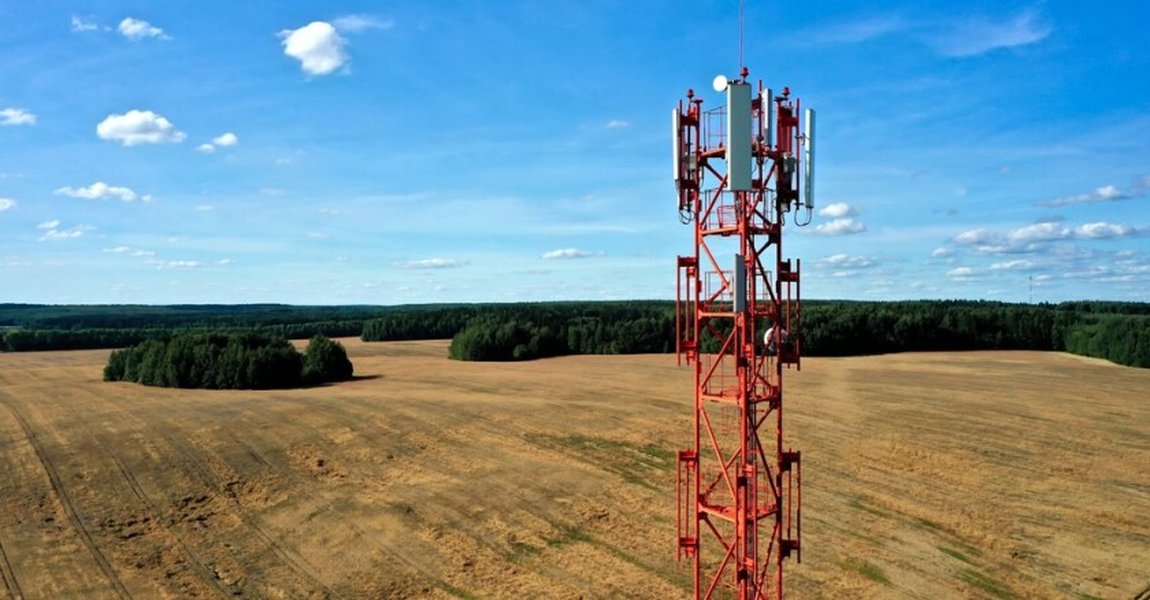
The deployment of network infrastructure, like cell towers, represents a significant capital investment for new market entrants.
Navigating the Regulatory Maze: Compliance and Policy Headwinds
State and Local Regulatory Frameworks
The regulatory landscape in Alabama presents a multifaceted challenge for new wireless telecommunications providers. While Alabama deregulated most retail telecommunication services in 2009 (with amendments in 2011), the Alabama Public Service Commission (APSC) retains authority over critical areas such as Emergency Reporting Services (E911), access services, and intercompany wholesale pricing. Navigating these remaining regulations and ensuring compliance can be complex.
Local Control and Permitting
A significant hurdle lies in dealing with local government control over public rights-of-way and the permitting processes for infrastructure deployment, especially for 5G small cells. Many Alabama city leaders have expressed opposition to statewide legislation that would limit their authority over these aspects, preferring to maintain local control over fees and placement. This can lead to:
- Varying requirements and timelines across different municipalities.
- Potential delays in obtaining permits.
- Increased costs associated with negotiations and compliance with diverse local ordinances.
- Concerns from municipalities about potential interference from new small cell installations on existing infrastructure, such as wireless traffic signals.
The Alabama Department of Economic and Community Affairs (ADECA) has provided guidebooks to facilitate broadband deployment, but navigating these processes effectively remains a key challenge.
Federal Programs and Policy Volatility
Federal initiatives like the Broadband Equity, Access, and Deployment (BEAD) program, while aimed at improving connectivity, introduce their own set of complexities. Entrants looking to leverage BEAD funding must navigate detailed eligibility criteria, complex application processes, and rigorous reporting requirements. This includes potential challenges to FCC National Broadband Map data, which requires substantial evidence and can be administratively burdensome.
Furthermore, the policy environment can be subject to change. Debates around issues like "Right to Repair" legislation or content filtering mandates can create uncertainty for new market entrants, potentially imposing new compliance costs or operational limitations. The competitive landscape is also under scrutiny, as evidenced by past settlements with major carriers over deceptive advertising practices, signaling a need for meticulous adherence to consumer protection laws.
Bridging the Gap: Infrastructure Deployment and Technological Imperatives

Keeping pace with technological advancements, such as 5G deployment, is crucial but costly for new telecom providers.
Successfully entering and competing in Alabama's wireless market necessitates overcoming substantial infrastructure deployment challenges and keeping pace with rapid technological advancements.
Infrastructure Challenges
Rural and Underserved Areas
A primary challenge is extending reliable, high-speed wireless coverage to Alabama's rural and underserved areas, particularly regions like the Black Belt. These areas often suffer from:
- Low Population Density: Makes the per-user cost of infrastructure deployment significantly higher.
- Challenging Terrain: Can increase the complexity and cost of laying fiber and siting towers.
- Lack of Existing "Middle Mile" Infrastructure: Requiring more extensive backhaul development.
- Economic Factors: Lower average household incomes in some rural areas can impact service affordability and adoption rates.
While state and federal grant programs (like BEAD and the Alabama Broadband Accessibility Fund) aim to address these disparities, accessing and utilizing these funds effectively requires careful planning and compliance. Reports have indicated that grant distribution has not always reached all lower-income, underserved counties equitably.
Interconnection and Integration
New entrants must often interconnect their networks with those of established providers for services like call termination and roaming. Negotiating fair and timely interconnection agreements can be a hurdle, potentially involving complex technical integrations and disputes that could raise rivals' costs.
The Technological Treadmill
The wireless industry is characterized by a relentless pace of technological innovation. New entrants must not only deploy current-generation technology (like 5G) but also be prepared for future evolutions (e.g., advanced 5G, IoT applications, network virtualization). This requires:
- Significant Ongoing Investment: Continuous capital expenditure to upgrade equipment and software.
- Skilled Workforce: Access to engineers and technicians proficient in the latest technologies.
- Adaptability: The ability to quickly adopt and implement new standards and services to remain competitive.
Failure to keep pace can quickly render a new entrant's offerings obsolete, particularly as enterprise wireless adoption for applications like private 5G networks becomes more nuanced, with businesses prioritizing cost-effective and scalable solutions.
Market Entry Challenges Radar
The following chart provides a visual representation of the perceived impact of various challenge categories on new entrants in the Alabama wireless telecommunications market. The scores (on a scale where higher means more impactful/difficult, with a minimum displayed axis value of 5 for clarity) are based on a synthesis of industry analyses and reflect the significant hurdles that must be overcome.
As depicted, high capital investment, intense competition, and the difficulty of rural penetration stand out as particularly severe challenges, closely followed by regulatory complexities. While the pace of technology is a factor, it's slightly less daunting than the foundational economic and market access issues.
The Competitive Arena: Market Dynamics and Consumer Adoption
New entrants into Alabama's wireless market face a highly competitive environment dominated by established national and regional carriers. These incumbent providers possess significant advantages:
- Economies of Scale: Lower per-unit costs due to large-scale operations.
- Brand Recognition and Loyalty: Established customer bases and strong brand presence.
- Extensive Existing Networks: Widespread coverage and mature infrastructure.
- Exclusive Provider Agreements: In some areas, particularly Master Planned Communities or large developments, incumbents may have exclusive contracts that bar competitors.
This established dominance can make it difficult for new players to gain market share and achieve profitability. Intense competition can also manifest in pricing pressures and aggressive marketing tactics. Regulatory scrutiny over issues like deceptive advertising practices by major carriers underscores the need for newcomers to operate with transparency and build consumer trust from the outset.
Addressing connectivity gaps and achieving market penetration requires overcoming established competition and consumer adoption hurdles.
Consumer Adoption Challenges
Beyond direct competition, achieving widespread subscriber growth involves addressing several consumer-side barriers, especially in underserved and economically disadvantaged communities:
- Affordability: The cost of services and devices can be prohibitive for some households. Reports indicate that a significant portion of Alabamians lack access to internet plans under a certain price threshold, necessitating competitive and potentially subsidized pricing models.
- Digital Literacy and Skills: A lack of digital skills or comfort with technology can hinder adoption, even when services are available and affordable.
- Relevance and Perceived Need: Some potential customers may not yet see the value or relevance of high-speed wireless services in their daily lives.
- Privacy and Security Concerns: Apprehensions about data privacy and online security can also deter adoption.
Addressing these adoption barriers often requires more than just infrastructure deployment; it necessitates community engagement, digital literacy programs, and efforts to build trust.
Interconnected Challenges: A Mindmap View
The challenges of entering Alabama's wireless telecommunications market are not isolated; they are often interconnected, creating a complex web that new entrants must navigate. This mindmap illustrates the primary categories of challenges and some of their key sub-components, highlighting how economic, regulatory, infrastructural, competitive, and technological factors interact.
Wireless Telecom Market"] id1["Economic Barriers"] id1a["High Capital Expenditure
(Infrastructure, Spectrum)"] id1b["Access to Funding
& ROI Uncertainty"] id1c["Operating Costs &
Skills Gap"] id1d["Access to Essential Inputs
(e.g., Special Access Lines)"] id2["Regulatory & Legislative Hurdles"] id2a["Local Government Control
(Rights-of-Way, Permitting)"] id2b["State-Level Regulations
(APSC, Deregulation Ambiguities)"] id2c["BEAD Program Compliance
& Funding Navigation"] id2d["Policy Volatility &
Potential New Legislation"] id2e["Scrutiny on Advertising Practices"] id3["Infrastructure & Deployment"] id3a["Rural Digital Divide
& Geographic Difficulties"] id3b["Small Cell Deployment for 5G"] id3c["Interconnection with
Incumbent Networks"] id3d["Infrastructure Security &
Maintenance Costs"] id3e["Municipal Broadband Restrictions"] id4["Market Competition &
Consumer Adoption"] id4a["Incumbent Dominance &
Brand Recognition"] id4b["Exclusive Provider Agreements"] id4c["Pricing Pressures"] id4d["Consumer Affordability"] id4e["Digital Literacy & Skills Gaps"] id4f["Building Consumer Trust"] id5["Technological Evolution"] id5a["Pace of Innovation (5G, IoT)"] id5b["Continuous Investment in Upgrades"] id5c["Integration with
Legacy & Emerging Technologies"] id5d["Need for Specialized Workforce"]
Understanding these interdependencies is crucial for developing a comprehensive market entry strategy. For instance, high capital costs (Economic) are exacerbated by the need to deploy advanced technology (Technological) in difficult rural terrains (Infrastructural), all while navigating complex permitting processes (Regulatory) and trying to compete with established players (Competitive).
Summary Table of Key Challenges
This table provides a condensed overview of the primary challenges faced by new entrants in the Alabama wireless telecommunications market, categorized for clarity.
| Challenge Category | Specific Issues | Impact on New Entrants |
|---|---|---|
| Economic & Financial | High capital expenditure (infrastructure, spectrum), operating costs, access to funding, uncertain ROI in rural areas, skills gap. | Significant upfront investment required, pressure on profitability, difficulty attracting talent. |
| Regulatory & Legislative | Local government control over rights-of-way and permitting, APSC oversight, BEAD program complexities, policy volatility, potential for new restrictive laws (e.g., Right to Repair discussions), scrutiny on advertising. | Delays in deployment, increased compliance costs, operational uncertainties, potential legal challenges. |
| Infrastructure & Deployment | Addressing rural digital divide, challenging terrain, small cell deployment hurdles, interconnection with incumbent networks, infrastructure security, municipal broadband restrictions. | High deployment costs, logistical complexities, difficulty reaching all potential customers, reliance on incumbent cooperation. |
| Market Competition | Dominance of established carriers, brand recognition of incumbents, exclusive provider agreements, intense pricing pressure. | Difficulty gaining market share, need for strong differentiation, potential for unsustainable pricing strategies. |
| Consumer Adoption | Affordability of services and devices, digital literacy gaps, privacy/security concerns, perceived lack of relevance in some communities. | Slower subscriber growth, limited market potential in certain demographics without targeted outreach and support. |
| Technological Evolution | Rapid pace of innovation (5G, IoT), need for continuous investment in upgrades, integration with existing and emerging technologies. | Risk of technological obsolescence, high ongoing R&D and upgrade costs, need for highly skilled technical staff. |
Frequently Asked Questions (FAQ)
What are the biggest financial hurdles for new wireless providers in Alabama? +
The most significant financial hurdles include the immense upfront capital required for infrastructure deployment (cell towers, fiber optics), spectrum acquisition through costly auctions or purchases, and continuous investment in new technologies like 5G. Additionally, high operating costs, particularly in serving sparsely populated rural areas, and the challenge of securing favorable interconnection agreements contribute to the financial strain.
How do local regulations in Alabama impact new telecom infrastructure deployment? +
Local regulations, particularly municipal control over public rights-of-way and permitting for infrastructure like 5G small cells, can create significant challenges. Varying ordinances across different cities and counties can lead to delays, increased costs, and uncertainty in deployment schedules. Opposition from local authorities concerned about aesthetics, fees, or interference with existing infrastructure can also hinder rollout.
Is it difficult to compete with established carriers in Alabama's wireless market? +
Yes, competing with established carriers is very difficult. Incumbents benefit from strong brand recognition, extensive existing networks, large customer bases, and economies of scale. They may also have exclusive provider agreements in certain areas. New entrants must find compelling ways to differentiate themselves, whether through innovative services, pricing, or targeting niche markets, to gain a foothold.
What specific challenges exist in providing wireless services to rural Alabama? +
Providing wireless services to rural Alabama is challenging due to low population density (higher per-user deployment costs), difficult terrain, lack of existing middle-mile infrastructure, and often lower household incomes affecting affordability. The digital divide is pronounced, with disparities in access and adoption. While grant programs exist, navigating them and achieving sustainable operations in these areas remains a hurdle.
How significant is the technological challenge for entrants in Alabama? +
The technological challenge is significant. The wireless industry evolves rapidly, requiring continuous investment in new technologies like 5G and beyond, as well as IoT capabilities. New entrants must not only deploy current technology but also plan for future upgrades to remain competitive. This demands substantial ongoing capital and access to a skilled technical workforce capable of managing and innovating these complex systems.
Recommended Further Exploration
- What are effective strategies for new telecom companies to mitigate high capital expenditure when entering a market like Alabama?
- How is the BEAD program specifically influencing rural broadband and wireless deployment efforts by new and existing providers in Alabama?
- What are some successful differentiation tactics new wireless carriers have used to compete against entrenched incumbents in similar markets?
- What are the primary challenges and proven solutions for improving digital literacy and broadband adoption rates in underserved communities within the United States?
References
Last updated May 6, 2025