
Unveiling the Geologic Origin of Alderpoint Nephrite
Discover the metamorphic processes behind the Eel River nephrite deposits
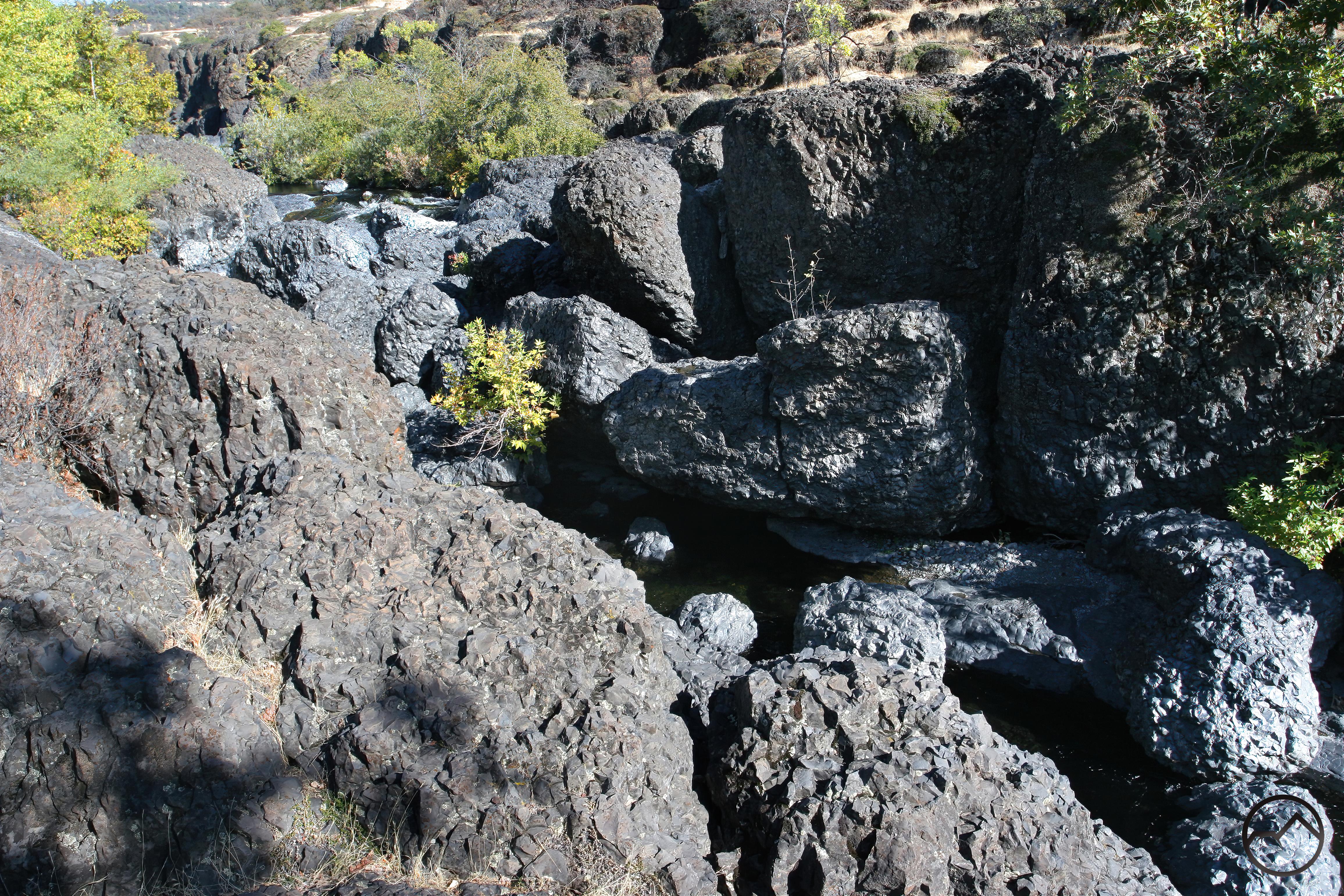
Key Highlights
- Metamorphic Origins: Nephrite in Alderpoint is derived from metamorphic processes acting on ultramafic rocks.
- Serpentinite Link: The nephrite forms in association with serpentinite and other ultramafic rocks commonly found in the Coast Ranges of Northern California.
- Alluvial Transport: Natural erosion transports nephrite boulders downstream to areas like the North Fork of the Eel River near Mina and Alderpoint.
Detailed Geological Background
Nephrite Formation and Metamorphic Processes
Nephrite, a type of gem-quality jade, originates from the metamorphism of ultramafic rocks, particularly those involving serpentinite. In the region around Alderpoint, CA, the nephrite is principally related to these metamorphic processes. The transformation occurs when ultramafic rocks, rich in minerals like olivine and pyroxene, undergo metamorphism under high temperatures and pressure. This results in the formation of a tough, fibrous rock known as nephrite.
The involvement of serpentine, a rock composed mainly of magnesium silicate, is key to the nephrite formation in this context. As the surrounding serpentinite formations are subjected to metamorphism, textural changes and mineral reactions can lead to the crystallization of nephrite. The hardened structure and distinct colors—ranging from shades of green, gray, to even cream hues—are characteristic features of the nephrite produced by these natural processes.
Geological Setting of the Eel River
Regional Overview
The Eel River, a major watercourse in northwestern California, drains an expansive watershed covering over 3,600 square miles across five counties. Within this system, the North Fork of the Eel River plays an especially important role.
Deposit Locations and Nephrite Transportation
Nephrite deposits in the Eel River system are notably concentrated near Mina, which is situated north of Covelo along the North Fork. Here, the erosion of metamorphic rocks releases nephrite fragments, which are then carried by the river's current downstream. Alderpoint is one of the areas where these alluvial deposits accumulate, making it accessible for both collectors and gem enthusiasts. The mechanical action of the river not only transports the nephrite but also works to sort and sometimes polish the stone, a process that enhances its aesthetic and lapidary qualities.
Integrated Analysis of Nephrite Source in Alderpoint
Geological Source Characteristics
The consensus from multiple sources reveals that the nephrite found in Alderpoint originates from metamorphic environments. Specifically, the source involves the weathering and transformation of serpentinite and other ultramafic rocks. Once formed, these pockets of nephrite become incorporated into alluvial deposits via natural erosion and fluvial transport processes.
Metamorphic Evolution
A key understanding of this formation process lies in the rock’s metamorphic evolution. Initially, ultramafic rocks, abundant in California's Coast Ranges, undergo alterations as a result of tectonic forces and heat. Over time, this metamorphism induces mineralogical zoning. Portions of these rocks transform into nephrite; the fibrous texture and durability distinguish it from other types of jade. Following this alteration, watercourses like the Eel River act as agents of redistribution. The river’s current gradually erodes the cryptocurrency-like embedded nephrite from its primary bedrock, depositing it in places like Aldeopard near the North Fork.
Summary Table of Key Geological Insights
| Aspect | Key Details |
|---|---|
| Source Rock | Ultramafic rocks and serpentinite formations in the Coast Ranges |
| Formation Process | Metamorphism under high temperatures and pressures leading to glandular transformation and crystallization into nephrite |
| Erosion and Transport | Erosional processes along the North Fork of the Eel River carry nephrite fragments downstream |
| Deposit Location | Key deposits are observed near Mina, north of Covelo, with significant accumulation near Alderpoint |
| Characteristic Appearance | A spectrum of green shades, fine-grained, robust structure ideal for lapidary work |
Scientific and Historical Context
Historical Use and Cultural Significance
The nephrite harvested from the Eel River has long played a role beyond mere geological interest. Historically, indigenous communities have valued jade for its beauty and durability, incorporating it into ornamental objects, tools, and ceremonial items. This long-standing cultural relationship enhances the intrinsic value and historical significance of the deposits found in Alderpoint and the broader Eel River region.
Modern Exploration and Collection
Today, the nephrite found along the Eel River attracts both professional geologists and amateur rockhounds. The combination of accessible alluvial deposits and the striking natural polish imparted by river transportation makes these sites particularly popular for field studies and gem collecting. Enthusiasts and collectors continue to rely on geological mapping and historical deposit data to locate the richest sources. Sites like Mina serve as a prime example, underscoring the importance of the North Fork as a conduit for transporting and depositing nephrite.
Technical Insights and Mineral Composition
Mineralogical Profile
In terms of mineralogy, nephrite is primarily composed of a calcium, magnesium, and iron-rich amphibole mineral. Its dense, interlocking fibrous structure is the result of high-pressure metamorphic environments. This structure is crucial to its renowned toughness and resistance to breakage. During the metamorphic process, precursor minerals in serpentinite undergo recrystallization, resulting in the characteristic microstructure that distinguishes high-quality nephrite.
Analytical Considerations
Comprehensive geological studies involve detailed analyses of the mineral composition using techniques such as X-ray diffraction (XRD) and scanning electron microscopy (SEM). These methods help elucidate the fine-scale textures and mineral phases present in nephrite. Researchers frequently emphasize the role of the Eel River’s dynamic sediment transport system in both preserving and presenting these mineralogical details in an accessible form for both academic studies and commercial applications.
Practical Applications and Market Impact
Economic and Artistic Value
Beyond its scientific fascination, the nephrite’s physical traits, including its resilience and visual appeal, have made it a favored material in the realms of jewelry and decorative art. The artisan community values nephrite for its ability to be intricately carved and polished without significant breakage. As a result, nephrite from Alderpoint not only carries geological significance but also contributes to local economies through craft and trade.
Cultural Exchange and Global Trade
The reputation of Eel River nephrite extends globally, attracting interest from collectors and enthusiasts across various countries. Its continuous presence in markets and galleries worldwide highlights both its enduring appeal and its place within a larger narrative of gemstone trade. This trade is supported by both historical accounts and modern documentation, affirming that the geological and human stories behind the stone are closely intertwined.
Extended References
- Nephrite from North Fork Eel River, Mina - Mindat
- Eel River (California) - Wikipedia
- Eel River Jade Insights - Ernielb Blog
- Raw Nephrite Jade - WorthPoint
- Where is Nephrite Jade Found? - Find Gemstone
Curated Recommended Queries
 ernielb.blogspot.com
Last updated March 25, 2025