
Unraveling the Link Between Alginates and Back Pain: A Comprehensive Analysis
Exploring the Potential Side Effects and Therapeutic Applications of Alginates
Alginates, naturally derived compounds primarily from brown seaweed, are widely recognized for their diverse applications across various industries, from food thickening to advanced biomedical interventions. Their ability to form a gel-like substance in the presence of water and divalent cations makes them invaluable for creating physical barriers, delivering therapeutic agents, and even acting as scaffolds in tissue engineering. However, when considering any substance introduced to the body, understanding its potential side effects is paramount. A common question that arises is whether alginates can cause or exacerbate back pain. This comprehensive exploration delves into the scientific understanding of alginates, their mechanisms of action, reported side effects, and their surprising connection to back pain, particularly in the context of intervertebral disc degeneration.
Key Insights into Alginates and Back Pain
- Direct Causation is Unlikely: There is no direct scientific evidence to suggest that alginates, when properly administered and in typical dosages, directly cause back pain as a primary side effect.
- Indirect Gastrointestinal Effects: While rare, gastrointestinal side effects like constipation or diarrhea from alginate use could indirectly contribute to or be perceived as back discomfort due to associated abdominal cramping or strain.
- Therapeutic Potential for Back Pain: Paradoxically, specific formulations of ultra-purified alginate gels are being researched and developed as promising treatments for low back pain caused by intervertebral disc degeneration, showcasing a potential therapeutic benefit rather than a causative link.
The Nature and Diverse Applications of Alginates
Alginates are anionic polymers derived from brown seaweed, celebrated for their unique properties that allow them to gel in the presence of calcium ions. This gelling capability is central to their wide range of uses. In the food industry, they act as thickeners and stabilizers. In the pharmaceutical sector, they are crucial for drug delivery systems, wound dressings, and even as excipients in oral dosage forms. Their biocompatibility, low toxicity, and biodegradability make them highly attractive for biomedical applications, especially in tissue engineering.
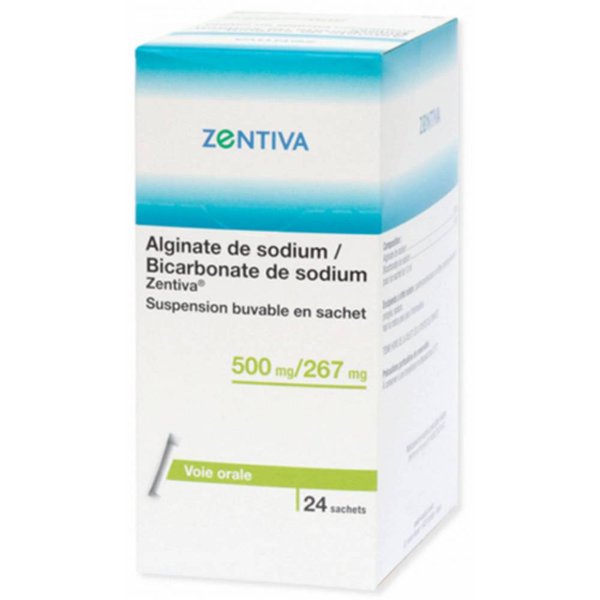 A common over-the-counter medication containing sodium alginate and sodium bicarbonate, often used for acid reflux.
Alginates in Gastroesophageal Reflux Disease (GERD) Treatment
One of the most prominent uses of alginates in medicine is in the treatment of Gastroesophageal Reflux Disease (GERD). When ingested, alginates react with stomach acid to form a viscous, gel-like "raft" that floats on top of the stomach contents. This physical barrier effectively prevents stomach acid from flowing back into the esophagus, thereby alleviating symptoms like heartburn and acid reflux. This mechanical action is distinct from that of antacids, which neutralize stomach acid, or proton pump inhibitors (PPIs), which reduce acid production. Studies suggest that alginates can be as effective as, or even superior to, placebos and antacids in managing GERD symptoms, with a safety profile comparable to other treatments.
Beyond GERD: Regenerative Medicine and Orthopedics
Beyond GERD, alginates are gaining significant attention in regenerative medicine, particularly in orthopedics. Their ability to mimic the mechanical and cell-adhesive properties of extracellular matrices makes them ideal scaffolds for tissue repair. Researchers are exploring their use in nerve regeneration for nerve injuries and, notably, for the treatment of intervertebral disc (IVD) degeneration. IVD degeneration is a leading cause of chronic low back pain, affecting millions globally. Alginate hydrogels are being investigated for their potential to deliver therapeutic agents, such as growth factors or cells, to the site of injury, promoting disc regeneration and potentially alleviating pain.
Understanding Alginates and Their Side Effects
While generally considered safe and well-tolerated, like any substance, alginates can have potential side effects. These are typically mild and transient, primarily affecting the gastrointestinal system due to their physical bulk and fiber-like nature.
Common Gastrointestinal Side Effects
The most commonly reported side effects of oral alginate consumption include:
- Bloating and Feeling of Fullness: Due to the gel-forming property, alginates can create a sensation of fullness in the stomach.
- Nausea: Some individuals may experience mild nausea.
- Diarrhea or Constipation: Depending on dosage and individual sensitivity, alginates can act as a laxative in higher doses by increasing water content in the intestines, or, conversely, may lead to constipation, particularly if not enough fluids are consumed, given their fiber-based nature.
- Abdominal Pain/Cramping: These gastrointestinal disturbances can sometimes be accompanied by mild abdominal discomfort or cramping.
Rare and Less Common Side Effects
While very rare, other side effects can include:
- Allergic Reactions: Individuals with known seaweed allergies should exercise caution. Signs of an allergic reaction (hives, difficulty breathing, swelling of face/lips/tongue/throat) necessitate immediate medical attention.
- Interactions with Medications: Alginates can potentially affect the absorption and efficacy of other oral medications. It is often recommended to space out the intake of alginates and other medications by at least one hour to ensure proper absorption of both.
- Bad Taste in Mouth: Some formulations may leave an unpleasant taste.
 Medication bottles, highlighting the potential for side effects and the importance of understanding drug interactions.
The Nuance: Can Alginates Cause Back Pain?
Given the reported side effects, it's important to directly address the user's query: can alginates cause back pain? Based on current scientific literature, there is no direct evidence indicating that alginates, in their typical usage for conditions like GERD, directly cause back pain as a primary adverse effect. The side effects are overwhelmingly localized to the gastrointestinal tract.
Indirect Links to Back Discomfort
However, an indirect link could potentially exist, primarily through the gastrointestinal side effects:
- Constipation or Diarrhea: Severe constipation or diarrhea can lead to abdominal cramping, bloating, and general discomfort. In some individuals, this abdominal strain or referred pain could be perceived as lower back pain. Persistent straining due to constipation, for instance, can put pressure on abdominal muscles and, by extension, impact lower back stability and comfort.
- Bloating and Abdominal Distension: Significant bloating and abdominal distension can lead to discomfort and a feeling of pressure that might radiate to the back, especially if posture is affected or core muscles are strained.
These scenarios represent an indirect discomfort rather than a direct causative effect of alginates on spinal structures or nerves. It's crucial to differentiate between back pain as a primary side effect of the substance itself and a secondary discomfort arising from severe, albeit rare, gastrointestinal issues.
Alginates as a Solution for Back Pain: A Paradigmatic Shift
Interestingly, while the query considers alginates as a potential cause of back pain, cutting-edge research points to their significant therapeutic potential in alleviating certain types of back pain. Specifically, ultra-purified alginate gels are emerging as a promising treatment for low back pain stemming from intervertebral disc degeneration.
Regenerating Degenerated Intervertebral Discs
Intervertebral discs (IVDs) act as shock absorbers between vertebrae. Degeneration of these discs, often due to aging, injury, or disease, leads to inflammation, structural breakdown, and chronic pain. Current treatments are often limited to pain management or invasive surgery, which don't address the underlying degeneration.
Alginate hydrogels offer a novel approach:
- Scaffold for Regeneration: Alginate gels can be injected into degenerated discs, providing a biocompatible scaffold that mimics the natural extracellular matrix of the disc. This environment can support the growth and proliferation of disc cells, potentially leading to tissue regeneration.
- Delivery of Therapeutic Agents: These hydrogels can also act as carriers for localized and sustained release of growth factors or stem cells, which further facilitate disc regeneration and reduce inflammation.
- Anti-inflammatory Properties: Studies have shown that ultra-purified alginate gel implantation can decrease inflammatory cytokine levels, preventing further disc degeneration and reducing acute pain associated with disc herniation. This immunomodulatory capacity is vital for pain relief and functional recovery.
Therefore, far from causing back pain, specially engineered alginate formulations are being actively investigated as a means to treat the very conditions that lead to chronic back pain, representing a significant advancement in regenerative medicine.
Comparative Efficacy in Back Pain Treatment
Compared to other biomaterials like hyaluronic acid, alginates show distinct advantages in certain applications due to their tunable mechanical properties and ability to support cellular growth. The focus on ultra-purified alginates minimizes impurities, enhancing biocompatibility and reducing potential inflammatory responses, which is crucial for internal applications like disc regeneration.
The radar chart above illustrates a comparative analysis of standard oral alginates (typically used for GERD) and ultra-purified injectable alginates (used in regenerative medicine research). It highlights their different strengths and potential side effect profiles. Standard oral alginates excel in pain relief for GERD and possess a good safety profile, but they can induce gastrointestinal side effects and have minimal tissue regeneration potential in this context. In contrast, ultra-purified injectable alginates show high potential for tissue regeneration and inflammation reduction, with a very high safety profile for their specific application, and negligible gastrointestinal side effects as they are not ingested orally for this purpose. This distinction underscores that the nature and application of alginates significantly influence their effects.
The Broader Context of Alginate Safety
Alginates, including sodium alginate, are generally recognized as safe (GRAS) by regulatory bodies like the FDA and EFSA for their various applications, particularly in food and pharmaceuticals. Their safety profile has been extensively reviewed, showing no serious adverse events when used appropriately.
Safety Profile and Regulatory Status
For decades, alginates have been incorporated into numerous products with a strong safety record. They are non-toxic, non-antigenic, and biocompatible. While concerns about skin or respiratory irritation may arise from industrial handling of alginate dust, these are typically not relevant to consumer use in oral medications or medical devices. The safety profile of alginates used in GERD treatment has been shown to be comparable to placebo, antacids, or even PPIs, with no significant increase in adverse event rates.
Patient Considerations and Precautions
Despite their general safety, certain considerations are important:
- Dosage Adherence: It's crucial to adhere to recommended dosages for alginate-containing products, as excessive amounts can amplify gastrointestinal side effects.
- Hydration: When taking oral alginates, especially those that form a gel, maintaining adequate hydration is important to prevent or alleviate constipation.
- Medical Consultation: Individuals with pre-existing medical conditions, those on other medications, or those with known allergies (especially to seaweed) should consult a healthcare professional before starting alginate therapy.
- Differentiation of Symptoms: If new or worsening back pain occurs during alginate use, it's important to consult a doctor to determine the true cause, as it is highly unlikely to be a direct effect of the alginate itself but could be an indirect consequence of gastrointestinal distress or an unrelated underlying condition.
The following table summarizes the key aspects of alginates in relation to back pain:
| Aspect | Description | Relevance to Back Pain |
|---|---|---|
| Primary Mechanism (Oral) | Forms a gel-like raft in the stomach to prevent acid reflux. | No direct link to causing back pain. |
| Primary Mechanism (Injectable Research) | Forms a scaffold for tissue regeneration (e.g., intervertebral discs); delivers therapeutic agents. | Directly targets and treats causes of low back pain. |
| Common Oral Side Effects | Bloating, nausea, constipation, diarrhea, feeling of fullness. | Potential indirect discomfort (abdominal cramping, strain) that might be perceived as back pain. |
| Direct Causation of Back Pain | Not scientifically supported. | Alginates are not recognized as a direct cause of back pain. |
| Therapeutic Use for Back Pain | Ultra-purified alginate gels are being developed to regenerate degenerated intervertebral discs and reduce associated pain. | A promising treatment, indicating a therapeutic role rather than a causative one. |
| Overall Safety Profile | Generally recognized as safe (GRAS), biocompatible, low toxicity. | Serious adverse events are rare. Safety comparable to placebos/antacids/PPIs. |
| Important Considerations | Adhere to dosage, maintain hydration, consult doctor for allergies/medication interactions, differentiate symptoms. | Ensures safe and effective use, minimizes potential indirect discomforts. |
Understanding Alginates and Reflux
For a deeper understanding of how alginates work to combat reflux symptoms, which is their most common medicinal application, watch this insightful video:
This video, titled "How Alginate Helps Control Reflux: Real-Life Demonstration," provides a visual and practical explanation of the unique mechanism by which alginates form a protective barrier in the stomach, effectively preventing acid reflux. It underscores the physical nature of alginate therapy, contrasting it with acid-suppressing medications, and clarifies why alginates are often favored by patients seeking alternatives to traditional pharmaceuticals due to concerns about long-term side effects.
Frequently Asked Questions (FAQ)
Are alginates safe for long-term use?
Can alginates interact with other medications?
Are there different types of alginates, and do they have different effects?
If I experience back pain after taking alginates, what should I do?
Conclusion
In conclusion, while alginates are generally safe and effective, particularly in managing GERD symptoms, there is no direct evidence to support the claim that they cause back pain as a primary side effect. Any perceived link is likely indirect, stemming from gastrointestinal disturbances such as severe constipation, diarrhea, or bloating, which might lead to abdominal discomfort that radiates to the back. Paradoxically, specialized ultra-purified alginate gels are showing immense promise in research as a therapeutic intervention for low back pain caused by intervertebral disc degeneration, highlighting their regenerative and anti-inflammatory properties. As with any medical treatment, understanding the specific formulation, intended use, and potential side effects is crucial for safe and effective application. Always consult a healthcare professional for personalized medical advice.
Recommended Further Queries
- How do alginates compare to proton pump inhibitors for GERD?
- What is intervertebral disc degeneration and its treatments?
- What are the common side effects of GERD medications?
- Innovations in biomaterials for spinal regeneration