
Environmental and Sustainability Aspects of the Alkylation Process
An in-depth analysis of environmental impacts from raw materials to final gasoline product
Key Takeaways
- Raw Material Challenges: The alkylation process relies on fossil-based feedstocks and hazardous acid catalysts, which raise sustainability concerns.
- Industrial Application and Process Design: The process flow, including feed preparation, chemical reaction, and separation, has significant environmental risks that require advanced control and safety features.
- Product Handling and Future Directions: Proper storage, handling, and continuous innovations in alternative catalyst technologies are crucial for reducing environmental impacts and enhancing fuel quality.
Introduction to Alkylation in Petroleum Refining
The alkylation process is a cornerstone in petroleum refining that produces high-octane, clean-burning gasoline components. By combining light olefins (typically in the C3-C5 range, with C4 being most prominent) with isobutane in the presence of an acid catalyst, refiners obtain alkylate—a premium blending component that improves octane ratings while statistically reducing the content of more harmful aromatic hydrocarbons. Despite its technological efficiency, the process brings along several environmental and sustainability challenges across its entire lifecycle. This discussion will cover every stage of the unit process from raw material sourcing, industrial application represented by process flow diagrams (PFD), to final product storage, handling, and eventual use.
Raw Material Considerations and Environmental Impact
Fossil Feedstocks and Catalysts
The alkylation process primarily utilizes fossil-derived feedstocks such as light olefins and isobutane. The olefins are typically produced from Fluid Catalytic Cracking (FCC) units, while isobutane is often recycled for process efficiency. Additionally, the reaction requires acid catalysts like hydrofluoric acid (HF) or sulfuric acid (H2SO4). Each of these raw materials has unique sustainability issues:
Fossil-Based Feedstocks
The use of fossil-based raw materials not only reinforces dependence on nonrenewable energy sources but also contributes to associated environmental footprints such as greenhouse gas (GHG) emissions and significant energy consumption during extraction and refining. Sustainable sourcing strategies could include optimizing extraction techniques and progressively shifting towards renewable feedstock alternatives, though such transitions remain complex and long-term.
Hazardous Acid Catalysts
Acid catalysts play an essential role in promoting the alkylation reaction. However, both HF and H2SO4 are hazardous substances. HF is extremely toxic and volatile, with accidental releases leading to severe environmental and human health risks. H2SO4, while comparatively safer in terms of acute toxicity, poses challenges with waste management and by-product neutralization, potentially releasing sulfur dioxide (SO2) during regeneration. These challenges require stringent safety protocols and effective waste treatment processes to mitigate environmental risks.
Environmental Impact Table for Raw Materials
| Raw Material | Environmental Impact | Sustainability Challenges |
|---|---|---|
| Light Olefins (C3-C5) | Derived from fossil fuels; energy intensive extraction | Dependence on nonrenewable energy; GHG emissions |
| Isobutane | Recycled stream; contributes to overall energy consumption | Sourcing challenges; requires efficient recycling modalities |
| Hydrofluoric Acid (HF) | High toxicity and volatility; severe spill risks | Risk of environmental contamination; stringent safety and handling protocols |
| Sulfuric Acid (H2SO4) | Potential for SO2 emissions; corrosiveness | Waste treatment and neutralization; acid waste disposal issues |
Industrial Application and Process Flow Diagram (PFD)
Overview of the Alkylation Process
The industrial application of alkylation involves several steps, integrated into a complex process flow diagram (PFD) that ensures efficient conversion, recovery, and purification of the desired high-octane alkylate product. A typical series of operations in an alkylation unit includes:
Feed Preparation
The precursor streams—olefins and isobutane—undergo purification and separation to remove impurities that might interfere with the catalyst activity. This stage is crucial in preventing catalyst fouling and ensuring product consistency.
Reaction Section
In the reaction compartment, olefins and isobutane are mixed in the presence of an acid catalyst. The reaction is exothermic and requires tight control of temperature and pressure parameters. The choice between HF and H2SO4 directly influences both process efficiency and environmental risk. Advanced control systems and improved reactor designs are deployed to manage these conditions safely.
Quench and Separation
Post-reaction, the product mixture is rapidly cooled (quenched) to halt further reactions, and the acid catalyst is separated from the hydrocarbon products. This step is critical in both catalyst recovery and minimizing hazardous emissions. The separated catalyst is either neutralized or recycled, depending on the nature of the process unit.
Product Recovery and Fractionation
The final phase involves a series of distillation columns and separation units, designed to isolate high-quality alkylate from lighter fractions and by-products. Recovery processes extract unreacted isobutane and manage other by-products, ensuring optimal production quality and operational efficiency.
Environmental Considerations in PFD
Each stage in the PFD presents environmental challenges that must be addressed:
- Emissions Control: The exothermic nature of the reaction and volatile intermediates necessitate effective thermal management coupled with VOC capture systems to prevent atmospheric pollution.
- Catalyst Management: The hazardous nature of the catalysts, especially HF, demands robust containment systems and emergency neutralization protocols to avoid accidental releases.
- Energy Efficiency: High energy inputs required in distillation and separation zones encourage the integration of energy recovery systems to reduce the overall carbon footprint.
Final Product Storage, Handling, and Uses
Storage and Handling Protocols
Once produced, alkylate is stored as a high-octane gasoline blend stock with extremely low vapor pressure. Due to its volatile nature, the storage and handling procedures require meticulous design and regulatory compliance to prevent leaks and environmental contamination.
Storage Facilities
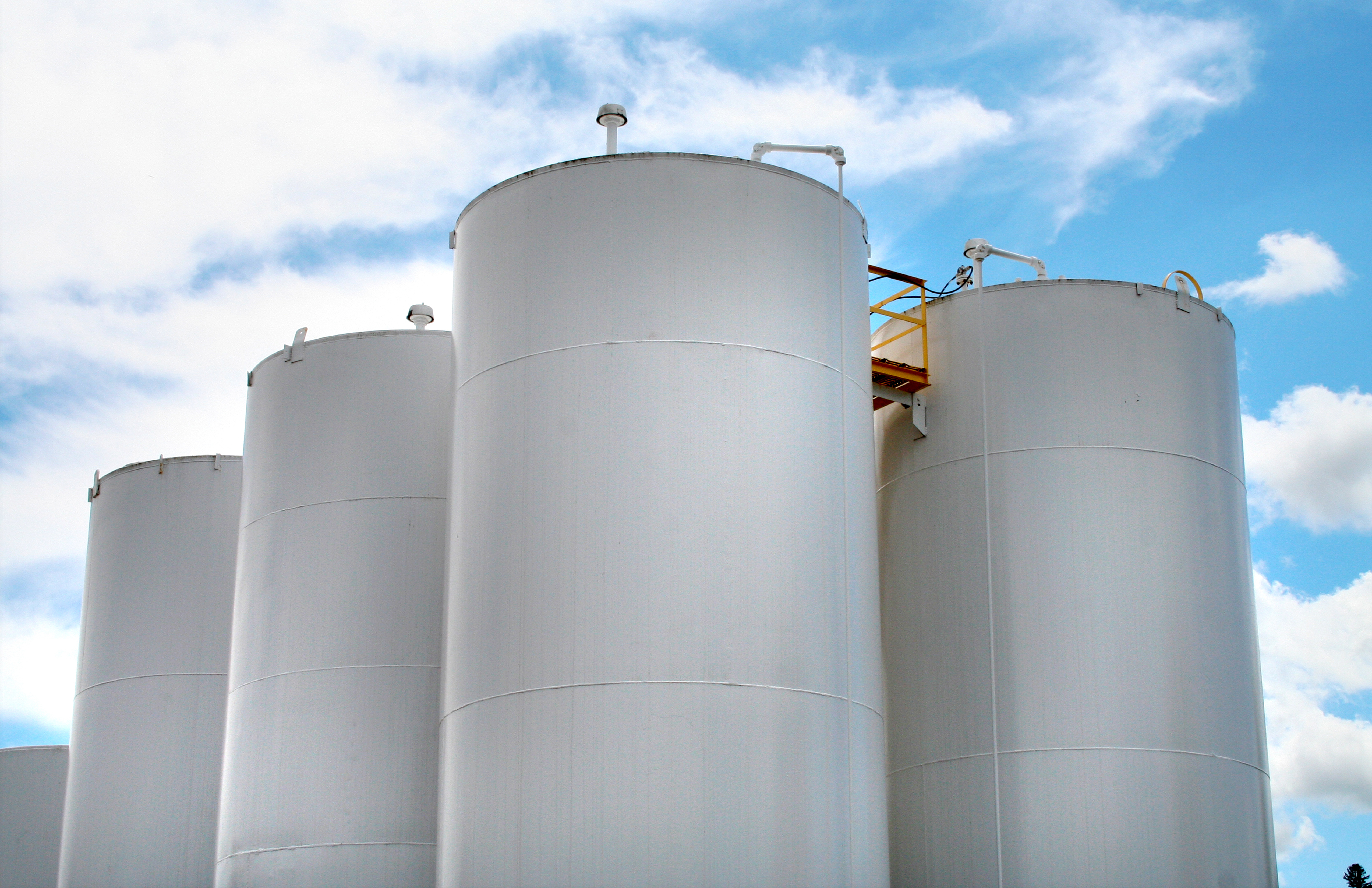
Alkylate is typically stored in dedicated tanks equipped with secondary containment measures. Modern storage facilities incorporate vapor recovery systems designed to capture any escaped hydrocarbons, thereby minimizing emissions and potential soil or water contamination in case of spillage. Regular tank inspections, maintenance schedules, and robust emergency response plans are necessary measures to ensure safety.
Transportation and Handling Practices
Transportation from refinery complexes to blending terminals involves advanced logistical planning. Closed-loop systems, stringent leak detection, and robust environmental response procedures are implemented to further mitigate any risks during transit. From the refinery to end-use distribution channels, every stage is governed by strict industry standards and safety regulations.
Uses and Broader Environmental Impact
The primary use of alkylate is in gasoline blending—where it enhances the octane rating and ensures cleaner combustion in internal combustion engines. As an ultraclean fuel component, alkylate helps reduce incomplete combustion by lowering the emission of unburned hydrocarbons. Although its usage contributes to a cleaner burning fuel compared to more heavily processed aromatic components, it remains part of the conventional petroleum refining portfolio, which in turn supports fossil fuel consumption.
However, by significantly improving fuel quality, alkylate helps in reducing some vehicle emissions, thus contributing indirectly to improved air quality. Additionally, the high-octane nature of alkylate enables engines to operate more efficiently, thereby optimizing performance while reducing certain pollutant levels.
Sustainability Challenges and Future Directions
Challenges in the Current Process
Despite the critical role that alkylation plays in gasoline production, several sustainability challenges persist across its operational stages:
- Reliance on Fossil Resources: The inherent dependency on fossil-based raw materials means that the process is inherently linked to the broader issues of fossil fuel depletion and environmental degradation arising from extraction and transportation.
- Handling Hazardous Chemicals: The use of highly toxic or corrosive catalysts demands advanced safety and environmental response systems. The risk of leaks or accidental spills represents a continuing challenge requiring frequent updates in maintenance protocols and emergency planning.
- Energy Intensiveness: The multiple stages of distillation, quenching, and separation require significant energy inputs. Improving energy efficiency through process optimization and integration of waste heat recovery systems is an ongoing focus in the industry.
- Waste and Emission Management: By-products such as spent acids and gaseous emissions must be carefully managed to remain compliant with increasingly stringent environmental regulations. This encompasses not only capturing and treating emissions but also ensuring that any chemical waste is properly disposed of or recycled.
Innovative and Sustainable Approaches
Recognizing these challenges, the industry is moving toward innovative technologies that improve both the safety and sustainability profile of the alkylation process:
Alternative Catalyst Technologies
Numerous research initiatives focus on developing alternative catalysts that can replace conventional HF or H2SO4. Prominent among these are ionic liquid catalysts and solid acid catalysts. These alternatives offer several benefits:
- Reduced Toxicity and Hazard Potential: Alternative catalysts are generally less corrosive and hazardous, which results in lower environmental risks during handling and in case of accidental releases.
- Simplified Waste Management: These catalysts present opportunities for more straightforward regeneration and recycling processes, thereby reducing both chemical waste and the downstream environmental impact.
- Enhanced Process Efficiency: New catalyst technologies can lead to more selective reactions, minimizing the production of undesirable by-products and reducing overall energy requirements.
Integration with Renewable Feedstocks
In a broader strategic context, there is a growing trend within the refining industry toward incorporating renewable or bio-based feedstocks. Although still in the early stages of commercial viability, such innovations could gradually decrease the dependency on traditional fossil-based raw materials. This integration supports the broader global objectives aimed at reducing the carbon footprint associated with fuel production.
Process Optimization and Energy Integration
Efforts to streamline operations focus on improving energy efficiency throughout the alkylation process. The integration of advanced process control systems, combined with energy recovery techniques, serves to lower the overall energy consumption. In turn, these advances not only reduce operating costs but also contribute significantly to lowering the greenhouse gas emissions associated with the plant’s operation.
Conclusion
The alkylation unit is indispensable in modern petroleum refining, delivering high-quality gasoline blendstocks that improve fuel combustion and engine performance. Nevertheless, the process is closely intertwined with environmental and sustainability challenges that span the stages of raw material extraction, industrial processing, and final product handling. The reliance on fossil-based feedstocks and hazardous acid catalysts, coupled with energy-intensive operations, requires continuous innovation and adherence to strict environmental regulations. Emphasizing alternative catalysts, renewable feedstocks, and process efficiencies are key strategies to mitigating these impacts. Overall, sustained improvements in environmental safety, waste reduction, and process optimization are essential to reconcile the alkylation process with global sustainability goals.
References
- Environmental assessment of HF alkylation process using WAR algorithm - ResearchGate
- The Case for Continued Use of HF Alkylation in Refining - API
-
Unrevealing the hidden link between sustainable alkylation and hydrogen - ScienceDirect
-
Safe and Sustainable Alkylation: Performance and Update on Composite Ionic Liquid Alkylation Technology - Hydrocarbon Processing
- Sulfuric Acid Alkylation Process - Challenges & Solutions - Pall
- Process Challenges in HF Alkylation Unit - Pall
- Alkylation - Sulzer
More
Last updated February 18, 2025