
Introduction to Alloy 718
Unveiling the Excellence of a Nickel-Based Superalloy
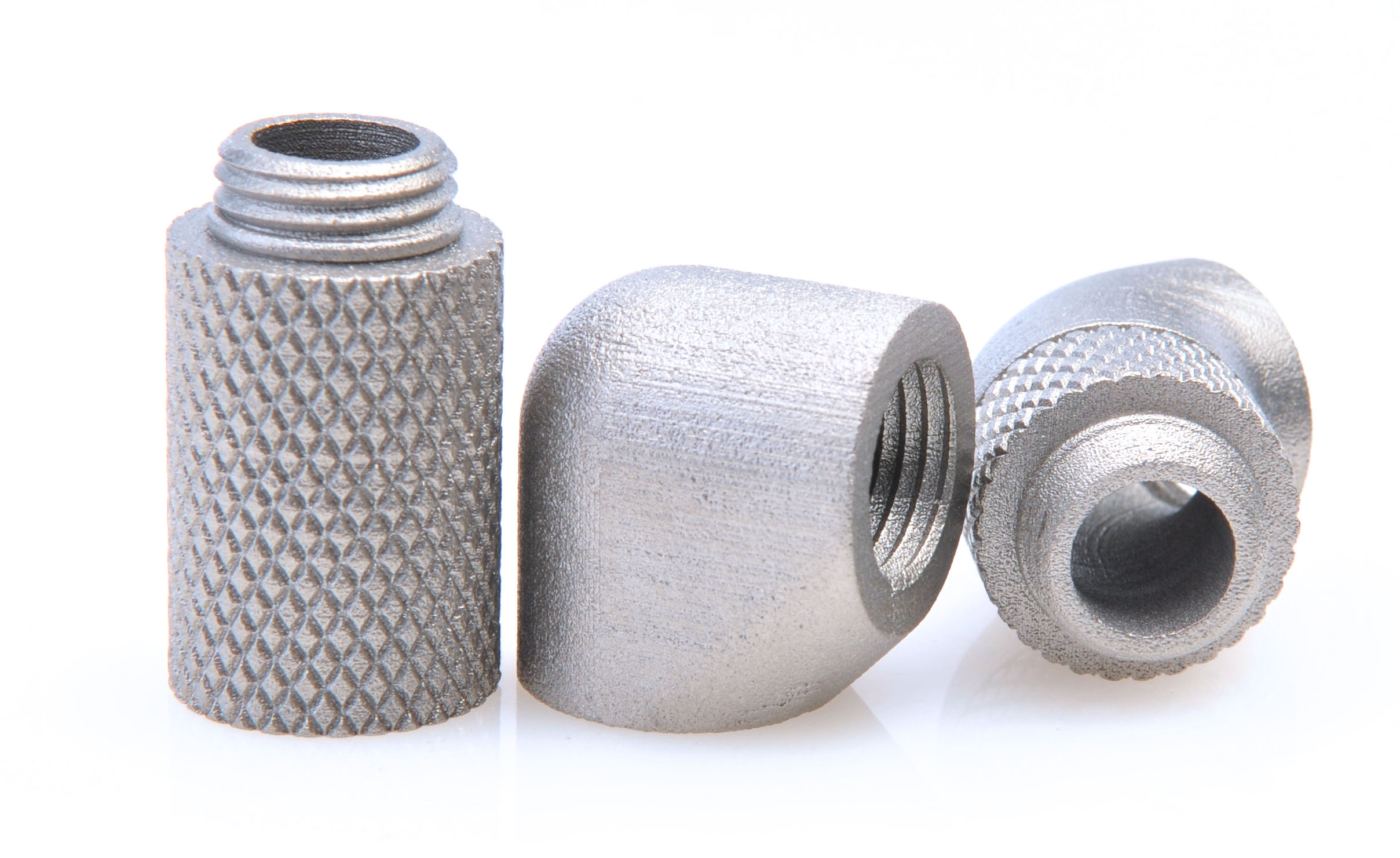
Key Takeaways
- Exceptional Mechanical Strength: Maintains high yield and tensile strength across a wide temperature range.
- Superior Corrosion and Oxidation Resistance: Resists corrosion in harsh environments and performs well at elevated temperatures.
- Versatile Applications: Widely used in aerospace, oil and gas, power generation, and more due to its unique properties.
Overview of Alloy 718
Alloy 718, also known as Inconel® 718, is a precipitation-hardened, nickel-chromium-based superalloy celebrated for its outstanding mechanical properties and resistance to extreme environments. Developed in the 1960s by the International Nickel Company (INCO), Alloy 718 has become an indispensable material in industries that demand high performance under severe conditions, including aerospace, oil and gas, and power generation.
Chemical Composition
The precise composition of Alloy 718 is pivotal to its exceptional properties. The alloy primarily comprises:
| Element | Weight % |
|---|---|
| Nickel (Ni) | 50-55% |
| Chromium (Cr) | 17-21% |
| Niobium (Nb) | 4.75-5.5% |
| Molybdenum (Mo) | 2.8-3.3% |
| Titanium (Ti) | 0.65-1.15% |
| Aluminum (Al) | 0.65-1.15% |
| Carbon (C) | Up to 0.08% |
| Iron (Fe) | Balance |
This composition enables Alloy 718 to undergo precipitation hardening, a process that significantly enhances its strength and stability. The alloy's unique microstructure, featuring gamma double prime (γ'') and gamma prime (γ') phases, is stabilized by niobium and aluminum, respectively, contributing to its high strength and thermal stability.
Mechanical Properties
Alloy 718 is renowned for its exceptional mechanical properties, which remain robust across a broad spectrum of temperatures:
- High Yield and Tensile Strength: Alloy 718 maintains superior yield and tensile strength even at elevated temperatures, making it ideal for applications subjected to extreme mechanical stresses.
- Excellent Fatigue and Creep Resistance: The alloy exhibits outstanding resistance to fatigue and creep, ensuring longevity and reliability in components exposed to cyclic loading and prolonged stress.
- Good Ductility and Toughness: Despite its high strength, Alloy 718 retains commendable ductility and toughness, facilitating complex fabrication processes and enhancing the material's resilience under impact or sudden stresses.
Corrosion and Oxidation Resistance
The ability of Alloy 718 to resist corrosion and oxidation is a key factor in its widespread adoption across various industries:
- Oxidation Resistance: Alloy 718 withstands oxidation at temperatures up to 1300°F (704°C), preventing surface degradation in high-temperature environments.
- Corrosion Resistance: The alloy is highly resistant to corrosive agents, including acidic, alkaline, and chloride-rich environments, ensuring durability in chemically aggressive settings.
- Stress Corrosion Cracking (SCC): Alloy 718 exhibits strong resistance to SCC, enhancing its reliability in applications that experience both mechanical stress and corrosive conditions.
- Environmental Resilience: Performs excellently in environments containing seawater, CO₂, H₂S, and other harsh chemicals, further broadening its applicability.
Thermal and Structural Stability
Alloy 718's versatility is further underscored by its ability to maintain performance across a wide range of temperatures:
- Low Temperature Performance: Effective in cryogenic conditions down to -423°F (-253°C), retaining toughness and reducing brittleness.
- High Temperature Performance: Remains stable and maintains mechanical properties at temperatures up to 1300°F (704°C), making it suitable for high-heat applications.
- Thermal Stability: The alloy's microstructure remains stable under prolonged exposure to fluctuating thermal conditions, preventing degradation of its mechanical properties.
Applications of Alloy 718
The distinctive combination of high strength, corrosion resistance, and thermal stability makes Alloy 718 a material of choice in several high-performance industries:
Aerospace
In the aerospace sector, Alloy 718 is integral to components that demand reliability and performance under extreme conditions:
- Turbine Blades: Utilized in jet engines for their ability to withstand high temperatures and mechanical stresses.
- Engine Frames: Provides structural integrity and durability in critical engine components.
- Exhaust Nozzles: Resists oxidation and corrosion, ensuring longevity and performance.
- Compressor Disks: Maintains strength and reduces fatigue in rotating components.
- High-Temperature Fasteners and Springs: Ensures secure connections and reliable performance in demanding environments.
Oil and Gas
Alloy 718's resilience in high-pressure and corrosive environments makes it ideal for oil and gas applications:
- Downhole Tools: Maintains integrity under high pressures and temperatures encountered in drilling operations.
- Valves and Wellhead Components: Ensures reliable operation and longevity in corrosive offshore environments.
- Corrosion-Resistant Hardware: Facilitates the construction of durable equipment resistant to harsh chemical exposures.
Power Generation
In power generation, Alloy 718 contributes to the efficiency and reliability of various systems:
- Gas Turbine Components: Enhances performance and lifespan of turbines operating under high thermal loads.
- Nuclear Reactor Parts: Provides structural stability and corrosion resistance in nuclear environments.
- Heat Exchangers and Boiler Tubes: Ensures efficient heat transfer and durability in power plants.
Industrial Applications
Beyond aerospace and energy, Alloy 718 finds applications in various industrial domains:
- Fasteners and Screws: Provides secure and durable connections in machinery and equipment.
- Springs and Seekers: Ensures consistent performance in mechanical systems subjected to repetitive stresses.
- Molds for High-Precision Manufacturing: Facilitates the production of intricate and high-precision components.
Additive Manufacturing
With the rise of 3D printing technologies, Alloy 718 has become a favored material for additive manufacturing due to its favorable properties in low-volume and complex part fabrication:
-
Selective Laser Melting (SLM): Enables the production of intricate geometries with high precision.
-
Electron Beam Melting (EBM): Facilitates rapid prototyping and production of durable components.
-
Rapid Prototyping: Accelerates the development process for new designs and applications.
Fabrication and Processing
Weldability
Alloy 718 exhibits superior weldability compared to other nickel-based superalloys. Its sluggish precipitation-hardening mechanism minimizes welding defects such as spontaneous cracking by allowing more controlled heating and cooling during the process. This makes Alloy 718 suitable for constructing complex assemblies without compromising structural integrity.
Machining and Forming
The alloy's good ductility and toughness facilitate machining and forming operations. Alloy 718 can be easily forged and machined to precise dimensions, making it suitable for intricate component designs. Its balanced properties ensure that machining processes do not inadvertently degrade its mechanical performance.
Heat Treatment
Heat treatment processes for Alloy 718 typically involve two main stages: solution annealing followed by age-hardening. This sequential treatment optimizes the alloy's mechanical properties by precipitating strengthening phases, which enhance its performance in demanding applications. The slow age-hardening response of Alloy 718 also allows for easier heat treatment and welding procedures without spontaneous hardening during heating and cooling.
Additive Manufacturing Techniques
The compatibility of Alloy 718 with additive manufacturing techniques like Selective Laser Melting (SLM) and Electron Beam Melting (EBM) has expanded its applications. These techniques enable the production of complex geometries and reduce material wastage, facilitating rapid prototyping and efficient production of high-performance components.
Development and Historical Significance
Introduced in the early 1960s by INCO, Alloy 718 marked a significant advancement in superalloy technology. Its development was driven by the need for a material that could withstand extreme temperatures and mechanical loads in emerging high-performance applications, particularly in aerospace. Key milestones in its development include:
Early Development and Adoption
Alloy 718 was developed by H. Eiselstein at INCO to address challenges associated with materials suitable for extreme temperatures and mechanical loads. Pratt & Whitney, a prominent aerospace manufacturer, leveraged Alloy 718 to advance gas turbine engine technology. The alloy's introduction allowed for simpler engine construction, reduced costs, and lighter weight without compromising performance.
Strengthening Mechanisms
The high strength of Alloy 718 is primarily derived from its precipitation-hardening capability. The formation of gamma double prime (γ'') and gamma prime (γ') phases during the aging process is crucial to its mechanical properties. These phases enhance the alloy's resistance to creep and fatigue, making it suitable for components subjected to high stresses and temperatures.
Innovations and Production Enhancements
Continuous research and development efforts have focused on improving Alloy 718's performance in extreme environments. Innovations such as double vacuum melting have enhanced the quality and consistency of the alloy, reducing impurities and ensuring uniform properties. Additionally, free licensing policies by INCO facilitated rapid adoption and proliferation of Alloy 718 across various manufacturers and industries.
Historical Impact
Alloy 718 quickly became a material of choice in the aerospace industry, particularly after its selection for projects like the GE-1 Core Engine Program in 1965. Its ability to maintain mechanical properties at temperatures beyond the capabilities of stainless steels and conventional titanium alloys filled a critical need in the industry. Over the decades, Alloy 718 has maintained its prominence, accounting for a significant portion of superalloy content in gas turbine engines and other high-performance applications.
Challenges and Future Directions
While Alloy 718 is highly versatile and reliable, ongoing research aims to further enhance its performance and address existing challenges:
Stress Corrosion Cracking (SCC)
Stress corrosion cracking remains a concern in certain environments. Efforts are focused on refining the alloy's composition and processing techniques to mitigate SCC, thereby enhancing its reliability in corrosive and high-stress applications.
High-Temperature Capabilities
Research is underway to push Alloy 718's high-temperature performance even further. This includes exploring additional alloying elements and advanced heat treatment processes to extend its usable temperature range and improve thermal stability.
Additive Manufacturing Enhancements
As additive manufacturing continues to evolve, optimizing Alloy 718 for these processes remains a key focus. This includes developing better printing techniques, post-processing methods, and alloy formulations to ensure consistent quality and performance of additively manufactured components.
Sustainability and Cost Efficiency
Balancing performance with cost and environmental considerations is an ongoing challenge. Innovations in production methods aim to reduce material waste, lower manufacturing costs, and minimize environmental impact without compromising the alloy's exceptional properties.
Conclusion
Alloy 718 stands as a testament to advancements in superalloy technology, offering a unique blend of high mechanical strength, exceptional corrosion and oxidation resistance, and remarkable thermal stability. Its widespread adoption across critical industries such as aerospace, oil and gas, and power generation underscores its invaluable role in modern engineering applications. The alloy's adaptability, from traditional manufacturing methods to cutting-edge additive manufacturing, ensures its continued relevance and prominence. As research and development efforts persist, Alloy 718 is poised to maintain its status as a material of choice for high-performance, demanding applications, driving innovation and efficiency across various sectors.
References
Last updated January 23, 2025