
Unlocking Efficiency: Streamlining Your Academic Library's Finances in Ex Libris Alma
A Strategic Guide to Simplified Ledgers, School-Specific Funds, and Organized Non-School Spending
Navigating the complexities of library finances requires a clear and efficient system. If your academic library is looking to transition from a granular ledger structure in Ex Libris Alma to a more simplified model, this guide offers an expert approach. We will explore how to establish summary funds for your institution's Schools, detail allocated funds by format type within them, and, crucially, how to best organize non-School-specific expenditures like prepaid databases, processing fees, streaming video hosting, and allowance funds.
Highlights: Key Takeaways for Ledger Simplification
- Centralize Non-School Spending: Consolidate diverse institutional expenses, such as prepaid databases and processing fees, under a dedicated "Central Library Operations" (or similarly named) Summary Fund. This brings clarity and simplifies oversight of funds not tied to specific Schools.
- Embrace Hierarchical Clarity: Implement a straightforward Ledger > School Summary Fund > Format-Specific Allocated Fund structure. This intuitive hierarchy mirrors organizational structures and vastly improves budget management and reporting capabilities.
- Boost Operational Efficiency: A thoughtfully simplified ledger structure significantly reduces administrative overhead, streamlines financial workflows, and enhances the accuracy and ease of generating comprehensive reports within Ex Libris Alma.
Understanding Alma's Fund Hierarchy: The Building Blocks of Financial Organization
Ex Libris Alma employs a flexible, hierarchical fund structure designed to adapt to diverse institutional needs. To effectively simplify your ledger, it's essential to understand its core components:
- Ledgers: This is the highest level in the fund hierarchy. A ledger acts as a top-level container for a collection of funds, often aligning with the institution's overall financial framework (e.g., a fiscal year's budget). While you can have multiple ledgers, a single institutional ledger is often recommended for simplicity unless specific institutional requirements dictate otherwise.
- Summary Funds: Positioned beneath ledgers, summary funds are primarily used for grouping related allocated funds for reporting and organizational purposes. They do not directly hold monetary balances nor are they used for transactions (placing orders or paying invoices). Their power lies in providing aggregated views of spending for specific areas, such as an academic School or a major operational category.
- Allocated Funds: These are the operational workhorses of the fund structure. Allocated funds sit beneath summary funds (or sometimes directly under a ledger, though less common in a structured approach). They hold the actual monetary balances, track encumbrances, and are used for all financial transactions, including placing orders and paying invoices. This is where the detailed tracking of expenditure occurs.
A clear understanding of these levels is paramount to designing a structure that is both simplified and robust, enabling efficient financial management and reporting.
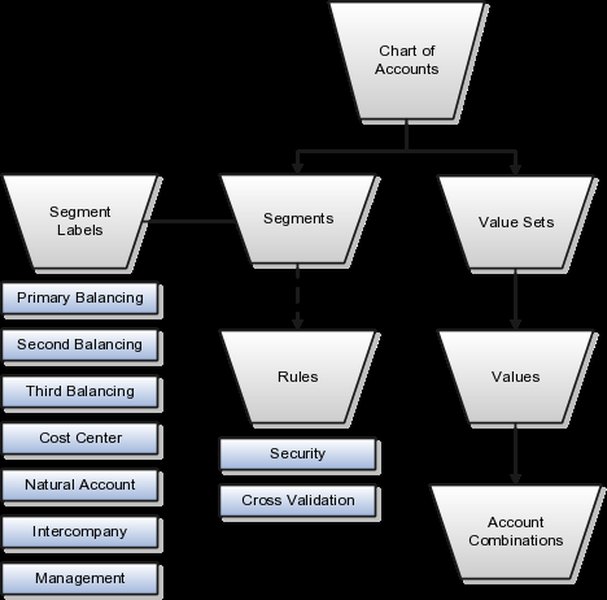
Conceptual illustration of a hierarchical structure, similar to how Alma organizes Ledgers, Summary Funds, and Allocated Funds.
Designing Your Simplified Ledger Structure in Alma
Transitioning to a simplified ledger involves strategic decisions about how to group and categorize your library's diverse financial activities. The goal is to reduce complexity while enhancing clarity and control.
Core Structure for School-Specific Spending
For expenditures directly attributable to academic Schools, a clear, hierarchical approach is key:
Ledgers: The Foundation of Your Financial Map
It's generally advisable to operate with a single, institution-wide ledger if your financial reporting and institutional structure permit. This minimizes administrative complexity. However, Alma allows for multiple ledgers if, for instance, different campuses or fundamentally separate funding sources require distinct top-level segregation.
Summary Funds: Grouping by Academic Schools
Create a distinct Summary Fund for each School within your institution (e.g., "School of Engineering Summary Fund," "School of Arts & Humanities Summary Fund"). These summary funds will serve as the primary containers and reporting points for all spending related to that specific School. They provide a high-level overview of resource allocation per academic unit.
Allocated Funds: Detailing by Format Types
Under each School's Summary Fund, establish Allocated Funds based on material format types or other relevant budgetary subdivisions. Examples include:
- "School of Engineering - Monographs Allocated Fund"
- "School of Engineering - E-Journals Allocated Fund"
- "School of Arts & Humanities - Streaming Media Allocated Fund"
- "School of Arts & Humanities - Print Serials Allocated Fund"
Strategically Organizing Non-School Spending: The Recommended Approach
Your current granular structure for non-School spending (prepaid databases, processing fees, streaming video hosting, allowance fund) can be significantly streamlined. The most effective strategy involves consolidating these under a dedicated, institution-level summary fund.
The "Central Library Operations" or "Institutional Resources" Summary Fund
Create a new Summary Fund specifically for all non-School related, institution-wide expenditures. Naming conventions could include:
- "Central Library Operations Summary Fund"
- "Institutional Resources & Services Summary Fund"
- "General Library Expenditures Summary Fund"
Dedicated Allocated Funds within the Central Summary Fund
Beneath this new "Central Library Operations" (or similarly named) Summary Fund, you will create specific Allocated Funds for each category of non-School spending. This replaces your current system of having these as numerous, individual allocated funds potentially cluttering the top level of your ledger. Examples include:
- "Prepaid Databases Allocated Fund"
- "Processing & Bindery Fees Allocated Fund"
- "Streaming Video Platform Hosting Allocated Fund"
- "General Library Allowance & Contingency Fund"
Visualizing the Simplified Fund Structure
A mindmap can help illustrate the proposed hierarchical organization of your simplified ledger in Alma. This visual representation shows how School-specific and central non-School spending can be clearly delineated yet cohesively managed under a single institutional ledger.
This mindmap demonstrates a clear path from the overarching institutional ledger down to specific allocated funds, grouping them logically under relevant summary funds for both Schools and central operations.
Comparing Non-School Fund Organization: Old vs. New
To further clarify the benefits for your non-School spending, the table below contrasts an example of a current granular setup with the proposed simplified structure. The key change is the introduction of a central summary fund to house these allocated funds, rather than having them as disparate top-level entries.
| Spending Type | Example Current Granular Structure (Potentially directly under Ledger or numerous small Summary Funds) | Proposed Simplified Structure (Consolidated under a "Central Library Operations" Summary Fund) |
|---|---|---|
| Prepaid Databases (Institution-wide) | Allocated Fund: Database Vendor X - Prepaid | Central Library Operations Summary Fund -> Allocated Fund: Prepaid Databases |
| Processing Fees | Allocated Fund: Bindery Services - Main Library | Central Library Operations Summary Fund -> Allocated Fund: Processing & Bindery Fees |
| Streaming Video Hosting (Central platforms) | Allocated Fund: Video Streaming Platform Y - Annual Fee | Central Library Operations Summary Fund -> Allocated Fund: Streaming Video Hosting |
| General Allowance Fund | Allocated Fund: Library Director's Discretionary Fund | Central Library Operations Summary Fund -> Allocated Fund: General Allowance & Contingency |
This table highlights how the proposed structure reduces clutter at the higher levels of your ledger while maintaining the necessary detail for each specific type of non-School expenditure within its own allocated fund.
Impact Analysis: Ledger Simplification Benefits
Transitioning from a granular to a simplified ledger structure in Alma offers tangible benefits across several key areas of library financial management. The radar chart below visually compares the anticipated impact on factors such as administrative overhead, reporting clarity, budgetary control, staff efficiency, and the maintenance of appropriate granularity where it's truly needed.
As illustrated, the new simplified structure is anticipated to significantly decrease administrative overhead and improve reporting clarity, budgetary control, and staff efficiency. While the "granularity" score might appear slightly lower, this reflects a shift from excessive, potentially unmanageable granularity to a more focused and appropriate level of detail, maintained where it counts—at the allocated fund level.
Insights from Alma Experts: Managing Acquisitions and Ledgers
Understanding how Alma handles invoicing and ledger transactions can provide valuable context when restructuring your funds. The following video from Ex Libris discusses aspects of implementing acquisitions in Alma, including tracing transactions in the ledger, which underscores the importance of a well-organized fund structure for financial transparency.
This video, "Implementing Acquisitions in Alma: Invoicing Resources," touches upon how invoices are processed and how financial transactions are recorded against funds and ledgers. A simplified ledger structure, as proposed, will make these processes more straightforward and the tracing of expenditures more intuitive for your acquisitions staff.
Key Benefits of the Simplified Approach
Adopting this streamlined fund and ledger structure in Alma offers numerous advantages:
- Reduced Complexity: Fewer top-level funds and a clear hierarchy make the system easier to navigate and manage for all staff involved in financial processes.
- Clearer Reporting: Summary funds provide natural aggregation points for reporting, allowing for easy generation of high-level budget versus actual reports for Schools and central operations. Alma Analytics can leverage this structure for powerful insights.
- Enhanced Budget Oversight: A simplified view makes it easier for library leadership and fund managers to monitor allocations, encumbrances, and expenditures across different areas.
- Improved Efficiency: Less time spent deciphering a convoluted fund structure means more time for value-added activities. Data entry and reconciliation become more straightforward.
- Alignment with Best Practices: This hierarchical approach aligns with common institutional accounting practices and Ex Libris's recommendations for fund management in Alma, ensuring a robust and sustainable financial framework.
- Scalability: The structure can adapt to future changes, such as the addition of new Schools, departments, or central spending categories, without requiring a complete overhaul.
Important Implementation Considerations
When transitioning to a new fund structure, several factors require careful attention to ensure a smooth process:
- Fiscal Period Rollover: Changes to ledger and fund structures are often best implemented in conjunction with Alma's fiscal period rollover process. Plan this transition carefully.
- Alma Analytics & Reporting: Review and update any existing custom reports in Alma Analytics to reflect the new fund structure. Ensure that your reporting dimensions and measures correctly capture data from the reorganized funds.
- Fund Ownership and Permissions: Define clear ownership for each fund (institution or specific library). Configure user roles and permissions (e.g., Fund Manager, Ledger Manager, Fund-Ledger Viewer) to ensure appropriate access and control over the new structure.
- Staff Training and Communication: Thoroughly train all relevant staff—especially those in acquisitions, finance, and collection development—on the new fund hierarchy, naming conventions, and any changes to workflows. Clear communication is vital for adoption.
- Naming Conventions: Establish and adhere to clear, consistent, and intuitive naming conventions for all ledgers, summary funds, and allocated funds. This greatly enhances usability and reduces errors.
- Data Migration/Mapping: If historical data needs to be mapped or reconciled against the new structure, plan this process carefully. Consider how past expenditures will be reported in the context of the new fund organization.
- Testing: Before full implementation, if possible, test the new structure in a sandbox environment to identify any potential issues with fund setup, transactions, or reporting.
Frequently Asked Questions (FAQ)
Will simplifying the structure mean I lose detail on non-School expenses?
Is it better to use one main ledger or multiple ledgers for the institution?
How does this new structure impact reporting in Alma Analytics?
What if budget needs to be moved between these new funds during the fiscal year?
Conclusion
Transitioning your academic library's Ex Libris Alma ledger from a granular to a simplified structure is a strategic move that promises significant gains in efficiency, clarity, and financial control. By thoughtfully implementing summary funds for Schools with dedicated allocated funds for format types, and by consolidating non-School spending under a central summary fund, your library can achieve a more intuitive and manageable financial framework. This approach not only streamlines daily operations but also enhances your ability to report on and analyze expenditures effectively, ultimately supporting better-informed decision-making for resource allocation. Careful planning, clear communication, and thorough training will be key to a successful transition.
Recommended Further Exploration
- How can Alma Analytics be customized to generate detailed expenditure reports for specific summary and allocated funds?
- What are the best practices for managing fiscal period rollover in Ex Libris Alma with a newly simplified fund structure?
- Explore strategies for training library staff on new Ex Libris Alma fund structures and financial workflows.
- What are the implications of fund ownership (institution vs. library) in Ex Libris Alma for a multi-school academic library?