
Alternative Teaching Methods to Address Facility and Equipment Shortages
Insights from studies and literature on innovative educational practices
Key Takeaways
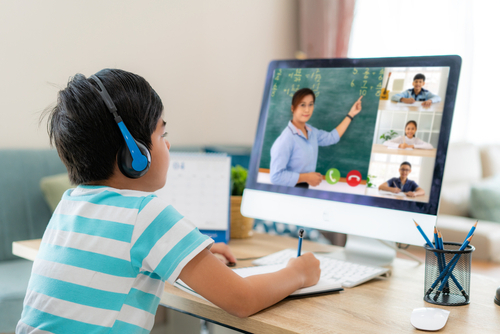
- Digital & Virtual Solutions: Use of virtual labs, simulation tools, and online platforms can effectively compensate for limited physical facilities.
- Innovative Pedagogies: Approaches such as project-based, game-based, blended, and collaborative learning offer flexible, resource-efficient alternatives.
- Systemic Flexibility: Alternative teacher certification and flexible teaching models provide pathways to maximize available resources while filling facility gaps.
A Comprehensive Overview of Alternative Teaching Methods
The contemporary educational landscape faces significant challenges due to shortages in traditional facilities and equipment. Though physical resources remain an essential element in education, alternative teaching methods have emerged as effective strategies to address these constraints. In recent literature, researchers and educators are focusing on various innovative educational practices that enhance learning experiences despite limited infrastructural resources. The integration of digital technologies, reformed pedagogical models, and adaptive teacher training pathways are central to these strategies.
Digital and Technology-Enhanced Approaches
One of the most widely documented approaches involves harnessing digital technologies to overcome limitations in physical infrastructure. Virtual laboratories, simulation tools, blended learning environments, and online learning platforms play a critical role in ensuring that students have access to quality education even when schools lack modern facilities and equipment.
Virtual Laboratories and Simulation Tools
Studies have illustrated the capabilities of virtual laboratories to simulate hands-on experiences traditionally offered by physical labs. These tools allow students in STEM disciplines to perform experiments in a virtual environment, which is particularly useful when access to costly or bulky equipment is limited. Comparative literature reviews clearly indicate that simulated labs provide comparable learning outcomes to traditional experiments in many cases. For example, computer-based laboratories have been shown to effectively enhance learning in undergraduate engineering courses, providing detailed feedback on learning outcomes that mirror those achieved in hands-on settings.
Virtual tools are multifaceted, often involving software that simulates real-world phenomena, thereby engaging students in active problem-solving and critical thinking. They also offer the benefits of repeatability, immediate feedback, and often easier integration into blended or distance learning frameworks.
Blended and Online Learning
Blended learning, which integrates face-to-face instruction with online components, offers significant flexibility in managing resource constraints. With the rapid evolution of educational technologies, many institutions now supplement limited physical infrastructure with digital classrooms and online discussion forums. The meta-analyses of online learning strategies have shown that blended models not only match but sometimes exceed the effectiveness of traditional models in several key areas including student engagement, retention, and performance.
Additionally, online learning is particularly valuable in rural or underserved areas where traditional facilities may be lacking. By adopting online platforms and digital learning resources, educators can offer a curriculum that is less dependent on physical resources, thereby extending high-quality learning experiences to a broader range of students.
Augmented Reality (AR) and Virtual Reality (VR)
Augmented and virtual reality represent a frontier in technology-enhanced teaching. AR and VR provide immersive and interactive experiences that replicate the engagement normally derived from physical interaction with equipment. Multiple studies have underscored how AR in the classroom not only enhances visualization of complex concepts but also provides a backup when resources cannot support physical labs. These technologies have been piloted in various educational settings with promising outcomes reported across subjects, particularly in STEM education.
Technologies incorporate elements such as 3D models, interactive simulations, and even gamified learning environments, all of which contribute to an enriched learning experience while bypassing the need for extensive physical infrastructure.
Innovative Pedagogical Methods for Resource-Limited Classrooms
In addition to technology-based solutions, many alternative teaching methods have focused on rethinking pedagogical approaches to better suit environments with physical constraints. One common theme in recent literature is the emphasis on student-centered learning. By prioritizing the needs and capabilities of students, these alternative methods work around the limitations imposed by a lack of physical facilities.
Project-Based and Game-Based Learning
Project-based learning (PBL) encourages students to engage in hands-on, real-world problem-solving activities. This method can be tailored to work even with limited physical resources by focusing on conceptual projects that emphasize critical thinking and problem solving over extensive laboratory work. Game-based learning (GBL), on the other hand, integrates interactive games into the educational process to boost engagement and learning outcomes. Both methods are especially beneficial as they often require minimal equipment and can be implemented in diverse settings.
Project-Based Learning (PBL)
PBL is a dynamic classroom approach where students actively explore solutions to complex questions or challenges. In resource-constrained environments, this method allows educators to design projects that utilize readily available materials or digital simulations in place of expensive equipment. Furthermore, PBL helps students develop critical soft skills such as teamwork, communication, and time management, which are essential in today’s dynamic work environment.
Game-Based Learning (GBL)
Game-based learning leverages game design elements to create engaging educational experiences. By incorporating competitive or game-like features, instructors can build lessons that captivate students’ attention, even if the classroom lacks advanced technological installations. GBL has been effectively used in creating interactive scenarios in both science and humanities curricula, thereby making learning fun and less dependent on the density of equipment.
Collaborative and Cross-Disciplinary Approaches
Collaborative learning strategies emphasize shared resources and teamwork, which reduce the strain on individual facilities. When students collaborate, they pool their knowledge, skills, and even material resources. This method can be especially effective in environments where physical resources are scarce as it promotes the optimal use of available equipment and fosters an atmosphere where learners support each other.
Cross-disciplinary approaches also come into play by integrating subjects to maximize resource usage. For instance, a single laboratory setting might be used for experiments in both physics and chemistry, with each session structured to meet the learning outcomes of both disciplines.
Practical Considerations and Implementation Challenges
While the literature and case studies present compelling arguments for the adoption of alternative teaching methods, practical considerations remain. Implementing these strategies often requires administrative support, teacher training, and sometimes a culture shift within educational institutions.
Teacher Training and Certification
A major element highlighted in educational studies is the need for teacher training tailored to these alternative methods. New forms of teacher certification, including alternative certification programs, have focused on equipping teachers with the skills necessary to operate in resource-constrained environments. Such programs often stress the integration of technology in the classroom and the application of innovative pedagogical techniques.
These alternative teacher certification programs are designed to address teacher shortages in key subject areas. They provide a streamlined, cost-effective route into the profession, enabling teaching candidates to quickly adapt to innovative strategies and fill gaps in both human and material resources.
Systemic and Infrastructure Support
Although alternative teaching methods can drastically reduce dependency on physical facilities, their success is not solely based on the methods themselves but also on the systemic support provided by institutions. Effective implementation hinges on several factors:
-
Administrative encouragement and investment in digital infrastructure.
-
Robust professional development programs that continually update teaching practices.
-
Partnerships with technology providers to facilitate smooth transitions to digital and blended learning.
-
Clear policy guidelines that support innovative teaching methods within regulatory frameworks.
The literature suggests that without a strong foundation of administrative support, even the most effective alternative methods may struggle to achieve their full potential.
Case Studies and Research Findings
A variety of case studies and research initiatives have showcased the efficacy of alternative teaching methods under conditions of facility and equipment shortages. These studies often compare traditional and innovative pedagogies, highlighting how appropriate integration of digital tools and creative learning strategies can result in improved student outcomes.
Comparative Analysis of Virtual Versus Physical Laboratories
Research has compared student outcomes when utilizing virtual laboratories versus traditional, physical laboratories. In many instances, virtual labs have been found to provide similar or even superior learning results compared to hands-on experiments. The primary advantage is that virtual labs can be accessed anytime and anywhere, thereby democratizing education in scenarios where physical infrastructure is absent.
In one comparative study, student performance metrics were analyzed over a semester, and results showed that the learning curve and retention rates with virtual labs were comparable to traditional labs. This indicates that when designed carefully, digital simulations are able to provide a robust alternative to physical facilities.
Effectiveness of Blended Learning Models
Another set of studies has examined the blended learning approach as a practical solution for environments with limited physical resources. Educators employing blended learning typically complement in-person sessions with online modules, which permits the efficient use of limited classroom space and equipment.
Meta-analysis research has revealed that blended learning not only enhances academic outcomes but also increases student satisfaction and engagement, particularly in settings where physical constraints might otherwise hinder instruction. The adaptability of blended learning models has allowed educational institutions to tailor their curricula to available resources while still meeting educational standards.
Adaptive Pedagogies in Resource-Constrained Settings
In addition to digital solutions, several studies have explored the role of adaptive pedagogical approaches. Methods such as project-based learning, game-based learning, and collaborative learning have been implemented in schools with limited facilities, with many educators reporting increased student engagement and improved critical thinking skills.
One notable aspect of these adaptive strategies is their focus on minimal resource dependency. Rather than relying heavily on physical equipment, these pedagogies emphasize creativity, critical inquiry, and the practical application of theoretical knowledge. Such approaches not only surmount physical limitations but also foster an innovative mindset among students, enabling them to learn effectively under varying conditions.
Implementational Challenges and Recommendations
While the potential benefits of alternative teaching methods are significant, implementation is not without challenges. Research highlights several obstacles that need to be addressed:
| Challenge | Explanation | Recommendations |
|---|---|---|
| Technology Infrastructure | Limited access to reliable internet and digital devices can hinder the deployment of virtual learning tools. | Invest in cost-effective technology solutions and ensure robust infrastructure support. |
| Teacher Training | Educators may lack the training necessary to integrate alternative methods into their curriculum. | Implement comprehensive, ongoing professional development programs focused on digital and adaptive pedagogies. |
| Institutional Resistance | Traditional educational frameworks may resist changes to conventional methods. | Promote a change management strategy that involves stakeholders and demonstrates the benefits of innovation. |
| Resource Allocation | Even with alternative methods, some minimal physical resources are needed to complement digital tools. | Adopt a mixed approach that integrates digital innovations with the efficient use of existing resources. |
Addressing these challenges requires a strategic approach from educational policymakers, administrators, and technology providers. By combining investment in infrastructure with effective teacher training and adaptive classroom practices, institutions can better manage the transition toward alternative teaching methods.
Future Directions in Research and Practice
The evolving nature of educational technology and pedagogy is expected to continuously influence the ways schools manage shortages in facilities and equipment. Future research is likely to focus on expanding case studies, longitudinal studies on learning outcomes, and the integration of emerging technologies like artificial intelligence in personalized learning environments.
Scholars advocate for further investigation into:
- Longitudinal impacts: Studying long-term learning outcomes for students in digitally enhanced environments compared to traditional settings.
- Hybrid models: Testing the efficacy of combining multiple alternative methods, such as AI-assisted learning and virtual labs, to further minimize the need for physical facilities.
- Policy frameworks: Evaluating the role of educational policy in facilitating the adoption of innovative teaching methods and ensuring equitable access to resources.
Furthermore, as alternative teacher certification programs evolve to train educators familiar with these digital and adaptive strategies, the teaching profession will benefit from increased flexibility and resourcefulness, ultimately leading to more resilient and accessible educational frameworks.
Final Thoughts and Conclusion
The studies and literature on alternative teaching methods provide a robust body of evidence that innovative educational practices can successfully bridge the gap created by facility and equipment shortages. Digital solutions, such as virtual laboratories, blended learning, and immersive AR/VR environments, offer viable alternatives that not only maintain educational quality but also enrich the learning experience. Alongside these technological advances, adaptive pedagogical approaches—including project-based, game-based, and collaborative learning—provide flexible frameworks for engaging students even in resource-constrained contexts.
While challenges remain—in areas like infrastructure, teacher training, and institutional adaptability—the consensus among recent research is that a mixed approach integrating technology with innovative teaching practices is the way forward. The continuing evolution of alternative teacher certification also plays a crucial role, ensuring that educators are well-prepared to implement these methods effectively. By embracing these alternative strategies, educational systems can maintain high standards of learning and ensure that all students have access to quality education regardless of physical limitations.
In conclusion, as the field of education adapts to modern challenges, alternative teaching methods stand out as effective solutions for mitigating the impact of limited facilities and equipment. The evolution of digital tools and innovative pedagogical strategies is set to reshape education, making learning more accessible, engaging, and resilient in the face of resource constraints.
References
https://www.fusionacademy.com/resources/alternative-education-solves-teacher-shortage/
https://www.wgu.edu/blog/alternative-pathways-teaching-filling-gap2101.html
https://www.teachersoftomorrow.org/blog/insights/alternative-teacher-program-guide/
https://www.teachfloor.com/blog/teacher-shortage-solutions
https://worldairco.org/alternative-teaching-methods-for-students/
https://school-education.ec.europa.eu/en/discover/practices/alternative-approaches-innovative-teaching-and-learning
https://babaoo.com/en/the-mag/alternative-teaching-methods-another-way-to-learn/
Last updated February 17, 2025