
Authentic Communication: Finding the Perfect Words to Describe Real Experiences
Discover precise alternatives to "real life conversations" that capture genuine human interactions across all communication channels
Key Alternatives for "Real Life Conversations"
- Actual interactions - Emphasizes the genuine nature of exchanges while encompassing all communication forms
- Authentic exchanges - Highlights the truthfulness and sincerity of the conversations quoted
- Genuine encounters - Conveys that the quotes come from meaningful interactions that truly occurred
Best Replacement Options for Your Sentence
Based on your needs, several excellent alternatives would work perfectly in your sentence while conveying that the quotes come from situations that really happened, regardless of whether they were face-to-face or through media/messages:
Primary Recommendations
Here's how your sentence would read with the most fitting alternatives:
- "Every quote put in this book is taken from actual interactions."
- "Every quote put in this book is taken from genuine exchanges."
- "Every quote put in this book is taken from authentic encounters."
- "Every quote put in this book is taken from real situations."
Why These Alternatives Work Well
These phrases effectively bridge the gap between in-person conversations and digital communications because:
- They avoid limiting the sources to only face-to-face conversations
- They maintain the emphasis on authenticity and truthfulness
- They encompass both verbal and written communications
- They convey that these are not fabricated or fictional quotes
Understanding "Actual Interactions"
"Actual interactions" emphasizes the reality of the exchanges without specifying the medium. This phrase works particularly well because it signals to readers that these quotes weren't invented but were captured from genuine situations where people communicated, whether through conversation, text, email, or other channels.
The Value of "Authentic Encounters"
"Authentic encounters" adds a layer of meaningfulness, suggesting that these interactions were significant and genuine. This phrase conveys that the quotes represent true human connection rather than fabricated statements or hypothetical scenarios.
Comparing Communication Terminology Options
| Term | Connotation | Includes Digital/Media? | Formality Level | Key Strength |
|---|---|---|---|---|
| Actual interactions | Factual, genuine | Yes | Medium | Emphasizes reality without medium constraints |
| Authentic exchanges | Genuine, truthful | Yes | Medium-high | Conveys sincerity and truthfulness |
| Genuine encounters | Sincere, meaningful | Yes | Medium-high | Suggests meaningful and sincere communication |
| Real situations | Factual, contextual | Yes | Medium | Emphasizes situational context beyond just words |
| Personal experiences | Intimate, firsthand | Yes | Medium | Suggests personal connection to events |
Understanding the Spectrum of Authentic Communication
When considering how to describe authentic communication sources, it's helpful to understand the different dimensions that influence how we perceive and categorize interactions:
This chart compares how different phrase options rate across important dimensions of communication, helping to visualize why certain alternatives might be more suitable depending on the specific context of your book.
Conceptualizing Communication Authenticity
The following mindmap illustrates how the concept of "authentic communication" branches into different aspects, helping to visualize why certain alternative phrases might be more appropriate for your needs:
This mindmap shows how authentic communication encompasses both face-to-face and mediated forms, highlighting why phrases that accommodate this breadth are most appropriate for your context.
Visual Examples of Authentic Communication
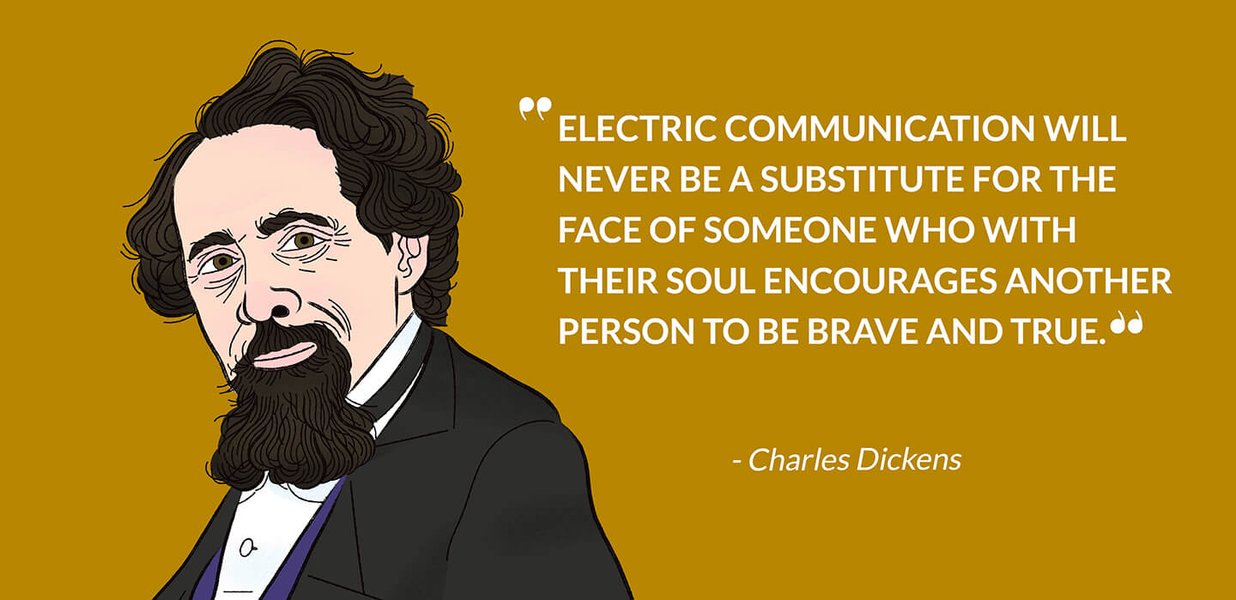

These images illustrate the concept of authentic communication and real interactions - from meaningful quotes about human connection to captured moments of genuine human interaction. Whether through spoken word, written text, or visual communication, authenticity remains a core quality that transcends the medium.
Understanding Real Communication Through Media
This video explores how we can capture and understand authentic communication across different contexts:
The video discusses the importance of genuine communication and how authentic interactions form the basis of meaningful connection. This reinforces why terminology that encompasses all forms of real communication is important when describing the sources of quotes in your book.
Additional Contextual Alternatives
Depending on the specific tone and context of your book, you might also consider these alternatives:
For More Formal Contexts
- "Every quote put in this book is taken from verified dialogues."
- "Every quote put in this book is taken from documented exchanges."
For More Casual Contexts
- "Every quote put in this book is taken from real talks."
- "Every quote put in this book is taken from everyday exchanges."
For Emphasizing Truth and Authenticity
- "Every quote put in this book is taken from true accounts."
- "Every quote put in this book is taken from firsthand experiences."
Frequently Asked Questions
References
- Genuine Interaction Definitions - Ludwig.guru
- How to Have Genuine and Meaningful Interactions - Medium
- Phrases Only Genuine People Use According to Psychology - The Vessel
- Phrases Only Genuine People Use - GE Editing
-
10 Phrases Only Genuine People Use According to Psychology - Expert Editor
- Synonyms for "Real Life" - WordHippo
- Real-Life Synonyms - Merriam-Webster Thesaurus
Recommended Searches
Last updated April 7, 2025