
Top Alternative Trees to Ilex 'Nellie R. Stevens' for Effective Screening
Enhance Your Landscape with These Premium Privacy Trees
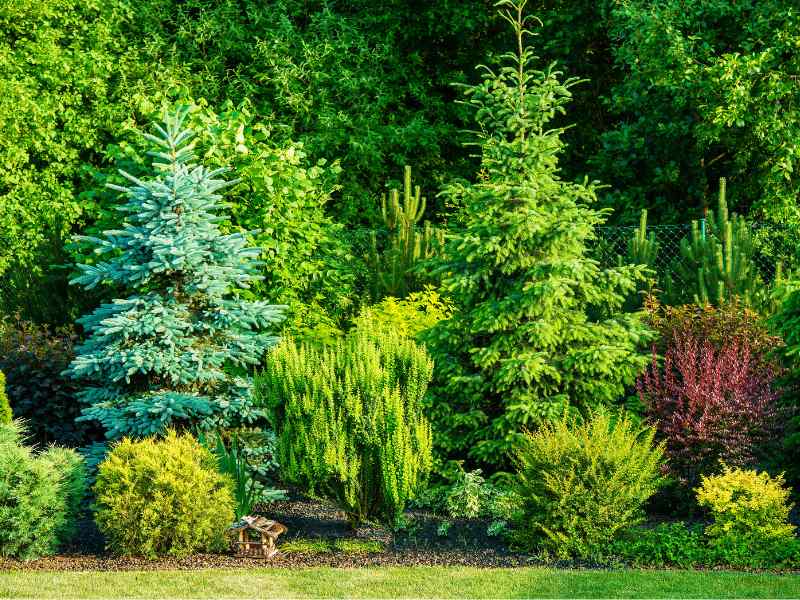
Key Takeaways
- Diverse Selection: A wide range of trees are available, each offering unique features suitable for different landscapes and climates.
- Growth and Maintenance: Understanding the growth rate, mature size, and maintenance needs is crucial for selecting the right tree.
- Aesthetic and Functional Benefits: Alternative trees not only provide privacy but also enhance the visual appeal and biodiversity of your garden.
Introduction to Screening Trees
When seeking alternatives to Ilex 'Nellie R. Stevens' for screening purposes, it's essential to consider various factors such as growth rate, mature size, foliage type, and maintenance requirements. Screening trees not only provide privacy but also contribute to the ecological and aesthetic value of your property. This comprehensive guide explores the best alternative trees that can effectively replace or complement Ilex 'Nellie R. Stevens' in your landscape.
Evergreen Alternatives
1. Cryptomeria (Cryptomeria japonica)
Cryptomeria, also known as Japanese Cedar, is a popular choice for privacy screens due to its dense, evergreen foliage. This tree matures to a height of 50 to 60 feet with a spread of 20 to 40 feet, making it an excellent option for tall, dense screening.
Features and Benefits
- Dense Foliage: Provides excellent privacy with year-round coverage.
- Elegant Form: Develops a graceful, irregular form as it ages, adding aesthetic value.
- Adaptability: Thrives in full sun and various soil conditions.
Maintenance Considerations
Cryptomeria requires minimal maintenance once established. Regular watering during the initial growth phase promotes healthy root development. Pruning is generally not necessary unless shaping a formal hedge.
2. Eastern Red Cedar (Juniperus virginiana)
The Eastern Red Cedar is a versatile evergreen that offers a narrow, conical shape with horizontal branching. It typically grows between 25 to 35 feet tall, making it suitable for medium to tall privacy screens.
Features and Benefits
- Durable Foliage: Dark blue-green scale-like leaves provide a rich, dense barrier.
- Resilient: Tolerates a wide range of soil types and environmental conditions.
- Wildlife Friendly: Produces cones that attract birds, enhancing biodiversity.
Maintenance Considerations
Eastern Red Cedars are low-maintenance trees that require little pruning. They are drought-resistant once established and can thrive in both sun and partial shade.
3. Thuja Green Giant
The Thuja Green Giant is renowned for its rapid growth and dense foliage. This evergreen can reach heights of 30 to 60 feet, making it ideal for creating tall privacy screens quickly.
Features and Benefits
- Fast Growth: Can grow up to 3-5 feet per year, providing quick privacy solutions.
- Adaptable: Tolerant of various soil conditions and resistant to drought and pests.
- Low Maintenance: Requires minimal pruning and maintenance once established.
Maintenance Considerations
While the Thuja Green Giant is low-maintenance, occasional thinning may be necessary in very dense settings to allow for air circulation and prevent disease.
4. Arborvitae (e.g., 'Emerald Green' or 'Green Giant')
Arborvitae is a staple in privacy screening, offering dense, evergreen foliage that provides year-round coverage. Varieties like 'Emerald Green' and 'Green Giant' are particularly popular for their robust growth and aesthetic appeal.
Features and Benefits
- Vertical Barrier: Creates a natural, tall barrier that is effective for privacy.
- Manageable Size: Typically maintains a height suitable for residential landscapes without becoming overly large.
- Disease Resistant: Generally resistant to common pests and diseases affecting evergreens.
Maintenance Considerations
Arborvitae requires occasional pruning to maintain its shape and health. It performs best in well-drained soil with adequate sunlight exposure.
5. Leyland Cypress
Leyland Cypress is a fast-growing evergreen that can quickly form thick, tall screens. It is capable of reaching heights of up to 60 feet, making it a formidable alternative for large properties requiring substantial privacy.
Features and Benefits
- Rapid Growth: Can grow up to 3-4 feet per year, ideal for quickly establishing privacy.
- Dense Foliage: Provides a thick, impenetrable barrier once mature.
- Versatile Use: Suitable for windbreaks, privacy screens, and hedges.
Maintenance Considerations
Regular pruning is necessary to maintain the desired shape and prevent the tree from becoming too large. Leyland Cypress prefers full sun and well-drained soil.
Deciduous Alternatives with Good Screening Potential
1. River Birch (Betula nigra)
The River Birch is a deciduous tree known for its attractive, exfoliating bark and graceful form. It can provide an effective screening barrier, especially in zones where deciduous trees are preferred.
Features and Benefits
- Attractive Appearance: Features unique, peeling bark that adds visual interest.
- Adaptability: Thrives in wet conditions, making it ideal for areas near water sources.
- Moderate Growth: Reaches heights of 40 to 70 feet, suitable for both large and medium spaces.
Maintenance Considerations
River Birch requires minimal maintenance. It prefers full sun to partial shade and well-drained soil, though it can tolerate wetter conditions.
2. Pagoda Dogwood (Cornus alternifolia 'Pagoda')
Pagoda Dogwood is a deciduous tree that offers layered branches with a distinctive, tiered structure, making it an excellent choice for creating a natural screen with architectural appeal.
Features and Benefits
- Unique Structure: Tiered branching pattern provides an elegant and structured barrier.
- Seasonal Interest: Offers vibrant fall coloration, enhancing the aesthetic appeal throughout the year.
- Hardiness: Tolerates a variety of soil types and growing conditions.
Maintenance Considerations
Pagoda Dogwood is low-maintenance but benefits from occasional pruning to maintain its shape and remove any dead or diseased branches.
3. River Birch (Betula nigra)
The River Birch is a deciduous tree renowned for its distinctive bark and graceful form. It provides an excellent screening option, especially in wetter areas where other trees might struggle.
Features and Benefits
- Attractive Bark: Features peeling bark that adds visual interest and texture.
- Adaptability: Thrives in moist soils, making it ideal for riversides or wetter parts of a yard.
- Growth Potential: Can grow up to 40-70 feet tall, suitable for substantial screening.
Maintenance Considerations
River Birch requires minimal maintenance with regular watering during the establishment phase. Pruning is needed only to remove dead or damaged branches.
Mixed Evergreen and Deciduous Screening
Combining evergreen and deciduous trees can provide year-round privacy and seasonal variety in your landscape. This approach ensures continuous coverage, as evergreens maintain their foliage in winter while deciduous trees offer vibrant displays in other seasons.
Benefits of Mixed Plantings
-
Year-Round Privacy: Evergreens provide continuous screening, while deciduous trees fill in gaps seasonally.
-
Enhanced Biodiversity: A variety of trees attracts different wildlife, contributing to a healthier ecosystem.
-
Visual Interest: The combination of different leaf types, colors, and structures adds depth and beauty to the landscape.
Recommended Combinations
Pairing species like Thuja Green Giant with River Birch or Eastern Red Cedar with Pagoda Dogwood can create an effective and visually appealing privacy screen that performs well across different seasons.
Comparative Table of Top Alternative Trees
| Tree Species | Mature Height | Growth Rate | Foliage Type | Sunlight Requirements | Maintenance |
|---|---|---|---|---|---|
| Cryptomeria | 50' - 60' | Moderate | Evergreen | Full Sun | Low |
| Eastern Red Cedar | 25' - 35' | Slow to Moderate | Evergreen | Full Sun to Partial Shade | Low |
| Thuja Green Giant | 30' - 60' | Fast | Evergreen | Full Sun | Low |
| River Birch | 40' - 70' | Moderate | Deciduous | Full Sun to Partial Shade | Low |
| Pagoda Dogwood | 20' - 25' | Moderate | Deciduous | Full Sun | Low |
| Leyland Cypress | 60' | Fast | Evergreen | Full Sun | High |
Additional Considerations for Selecting Screening Trees
Climate and Hardiness Zones
Before selecting an alternative tree, it's essential to consider your local climate and USDA hardiness zone. Different species thrive in varying conditions, so choosing a tree well-suited to your environment ensures healthy growth and longevity.
Soil Conditions
Soil type, drainage, and fertility significantly impact tree health. Assess your soil's pH level, texture, and drainage capacity to choose a species that matches these conditions or prepare the soil accordingly to support optimal growth.
Sunlight Exposure
Different trees have varying sunlight requirements. While some thrive in full sun, others may prefer partial shade. Ensure the chosen species aligns with the sunlight availability in the intended planting area.
Maintenance Requirements
Consider the amount of time and effort you're willing to invest in tree maintenance. Some species require regular pruning, pest management, or specific care routines, while others are more forgiving and low-maintenance.
Aesthetic Preferences
Beyond functionality, the aesthetic appeal of the tree is important. Consider factors such as foliage color, bark texture, flowering characteristics, and overall form to select a species that complements your landscape design.
Environmental Impact
Selecting native species can benefit local ecosystems by providing habitat for wildlife and requiring fewer resources to thrive. Additionally, avoid invasive species that may disrupt local flora and fauna.
Implementation Tips for Successful Screening
Proper Spacing
Ensure adequate spacing between trees to allow for healthy growth and air circulation. Overcrowded trees can lead to disease and reduced effectiveness as a privacy screen.
Planting Techniques
Follow best planting practices, including digging a hole twice as wide as the root ball, amending the soil as needed, and watering thoroughly after planting to establish strong roots.
Watering and Mulching
Consistent watering during the first few years is crucial for tree establishment. Apply mulch around the base to retain moisture, regulate soil temperature, and suppress weeds.
Fertilization
Depending on soil fertility, fertilize trees as needed to promote healthy growth. Conduct a soil test to determine specific nutrient requirements before applying fertilizers.
Pest and Disease Management
Regularly inspect trees for signs of pests or diseases and address issues promptly to prevent widespread damage. Choose disease-resistant species when possible to minimize maintenance challenges.
Conclusion
Choosing the right alternative to Ilex 'Nellie R. Stevens' for screening involves careful consideration of various factors, including climate, soil, maintenance, and aesthetic preferences. Options like Cryptomeria, Eastern Red Cedar, and Thuja Green Giant offer robust, evergreen solutions, while deciduous alternatives like River Birch and Pagoda Dogwood provide seasonal variety and visual interest. Combining evergreen and deciduous trees can enhance the functionality and beauty of your privacy screening, ensuring year-round coverage and a dynamic landscape. By assessing your specific needs and environment, you can select the perfect tree or combination of trees to create an effective and attractive screening solution.
References
For more detailed information and guidance, please visit the following resources:
Last updated February 12, 2025