
Aluminium Oxide in Coatings
Exploring Properties, Applications, and Coating Technologies
Highlights
- Exceptional Durability: Aluminium oxide coatings are renowned for their outstanding wear, abrasion, and corrosion resistance.
- Broad Industrial Applications: Utilized in aerospace, automotive, medical, optical, and industrial sectors, offering protection and performance enhancement.
- Diverse Processing Techniques: Available through processes like anodizing, plasma spraying, and micro-arc oxidation ensuring optimized surface characteristics.
Introduction
Aluminium oxide (Al₂O₃), also known as alumina, is a ceramic material celebrated for its exceptional physical and chemical properties. Its integration into coating technologies has transformed a myriad of industrial applications, furnishing substrates with enhanced durability, high-temperature resistance, and corrosion protection. Its unique characteristics such as hardness, chemical inertness, and electrical insulation capacity make it an indispensable component in both traditional and emerging fields. In this comprehensive discussion, we delve into its properties, processing techniques, key applications, and the performance benefits that aluminium oxide coatings deliver.
Key Properties of Aluminium Oxide Coatings
Aluminium oxide coatings are valued principally for a range of beneficial properties:
Physical Properties
As a ceramic material, aluminium oxide is extremely hard, making it highly resistant to scratches and surface damage. Its inherent ceramic structure enables it to withstand heavy abrasive forces, making it perfect for high-wear applications. The material's microstructure, when applied as a coating, imparts enhanced durability and protection against physical and mechanical stresses.
Chemical Inertness and Corrosion Resistance
One of the most celebrated benefits of aluminium oxide coatings is their chemical stability. Being chemically inert, these coatings do not react with most acids, alkalis, or solvents, thereby providing robust corrosion resistance, even in harsh environments. This resistance makes them ideal for protecting metal substrates in industries exposed to corrosive agents such as chemical processing plants, food processing units, and outdoor installations where environmental exposure is significant.
Thermal Properties
Aluminium oxide coatings exhibit superior heat resistance and excellent thermal stability. They maintain structural integrity at elevated temperatures, making them indispensable in aerospace and engine applications. Their ability to serve as thermal barriers helps in preventing heat-induced degradation and performance loss in high-temperature industrial processes.
Electrical Insulation
Another valuable property is the excellent dielectric performance of aluminium oxide coatings. With high electrical resistivity and minimal conductivity, these coatings prevent electrical shorts and are often applied to components in electrical and electronic equipment. Their use as an insulating layer enhances the safety and reliability of industrial systems.
Industrial Applications and Benefits
Aluminium oxide is a versatile material that finds myriad applications across various industries due to its protective qualities and performance enhancement. Below, we explore some key industries and their specific use cases:
Wear and Abrasion Resistance in Heavy-Duty Environments
In environments where repeated mechanical stress is expected, such as in heavy machinery, automotive parts, and even athletic flooring, aluminium oxide coatings provide an exceptionally wear-resistant surface. Their hardness and abrasion resistance ensure that substrates maintain integrity over prolonged exposure to friction and erosion. This makes aluminium oxide a popular choice in abrasive blasting processes where surfaces are prepped for further coatings or painting, effectively enhancing the lifespan of the base material.
Corrosion Protection for Metal Components
Corrosion is a persistent challenge in many industries, particularly in applications exposed to moisture, salts, and chemicals. Aluminium oxide coatings act as a barrier to corrosive elements, offering a passivation layer that protects underlying metals from oxidation. Industries such as marine engineering, chemical processing, and outdoor construction benefit greatly from this protective property, ensuring components remain functional and structurally sound over extended periods.
Applications in Aerospace and High-Temperature Industries
In the aerospace sector, components such as rocket engine thrust chambers and jet engine parts operate under extreme temperature and pressure conditions. Aluminium oxide coatings are highly valued in these environments due to their excellent thermal shock resistance and heat insulation properties. By maintaining their structural integrity under high thermal loads, these coatings enhance the safety and performance of engines, prolonging component life and reducing maintenance intervals.
Electrical Insulation and Component Protection
Given its high dielectric strength, aluminium oxide is frequently used as an insulating material in electrical applications. Industrial components, particularly those in the motor housing and railway systems, utilize aluminium oxide coatings to prevent electrical conductivity that could lead to short circuits or malfunctions. This insulating capability makes it a critical component in the design of safe and reliable electrical systems.
Medical and Optical Applications
The biocompatibility and inertness of aluminium oxide also make it an ideal coating for medical implants. It enhances the longevity of implants by protecting them from corrosion and wear, while also minimizing adverse reactions in the human body. Furthermore, its transparency in the ultraviolet and visible light spectrums makes it an excellent choice for optical coatings, such as those used in camera lenses, LED substrates, and other devices requiring maximized light transmission.
Surface Preparation and Finishing
Beyond protection, aluminium oxide serves a vital role in surface preparation. It is widely used as an abrasive for cleaning, etching, and preparing surfaces for further processing. This preparatory step ensures that coatings and paints adhere more effectively, leading to improved performance in the final application.
Coating Techniques Involving Aluminium Oxide
The processing techniques to deposit aluminium oxide onto substrates vary and are chosen depending on the desired coating thickness, porosity, and application requirements. Some of the most common methods include:
Anodizing
Anodizing is an electrochemical process that converts the surface of aluminum into a durable and corrosion-resistant finish composed primarily of aluminium oxide. This technique is widely used due to its cost-effectiveness and the ability to control the thickness and quality of the oxide layer. The process involves immersing the aluminum in an electrolyte solution and applying an electrical current, thereby forming a protective anodic film.
Thermal Spray Coating
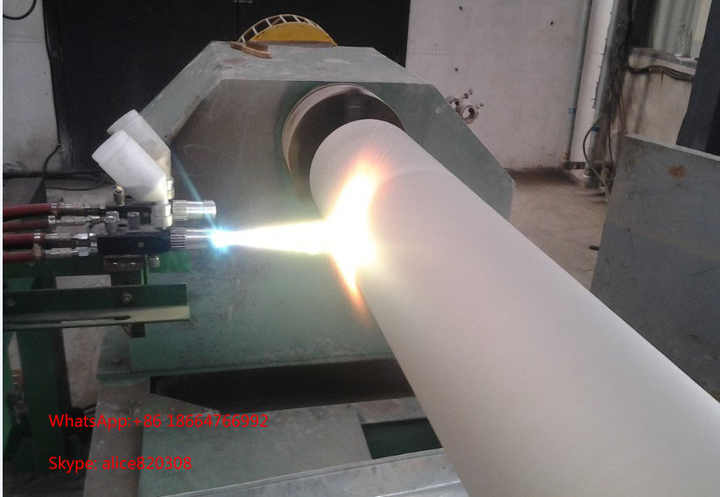
Thermal spray methods, including plasma spraying and powder combustion, involve the projection of molten or semi-molten particles onto a substrate. When using aluminium oxide, the process results in a coating that offers robust wear and corrosion resistance. These techniques are particularly suitable for large surfaces or for components that require a thick, durable coating layer.
Micro-Arc and Plasma Electrolytic Oxidation
Advanced processes like micro-arc oxidation (MAO) and plasma electrolytic oxidation (PEO) enable the formation of hard, dense, and adherent oxide films on aluminum and its alloys. These coatings are characterized by their porous microstructure which can be sealed or left open for further surface treatments. The high energy discharge involved in the MAO process contributes to the creation of a coating with excellent mechanical and thermal properties.
Other Emerging Techniques
Research continues to explore novel deposition techniques such as sol-gel processing and nano-engineering of aluminium oxide coatings. These methods focus on manipulating the material at the nanoscale to produce coatings with enhanced scratch resistance and surface uniformity, offering the promise of even greater performance in future applications.
Comparative Analysis of Coating Types and Their Characteristics
Aluminium oxide coatings come in different forms tailored to specific applications and environments. Below is a table summarizing the various types of aluminium oxide coatings and their main characteristics:
| Coating Type | Formation Process | Characteristics | Application Examples |
|---|---|---|---|
| Barrier Oxide | Anodizing in near-neutral electrolyte | Uniform, dense, thin oxide layer | Protective and decorative surfaces |
| Porous Oxide | Anodizing in acidic electrolyte | Thicker, porous structure; can be sealed | Enhanced adhesion for painting, protective finishes |
| Nano Aluminium Oxide | Incorporation of nano-particles | Superior scratch resistance, high durability | Optical coatings, advanced industrial components |
| Thermally Sprayed Coatings | Plasma or powder combustion spray | Thick, robust wear-resistant coating | High-temperature engine parts, industrial machinery |
This table facilitates a quick review of the available aluminium oxide coating types, outlining their formation methods, key benefits, and prominent applications.
Advantages and Limitations
As with all advanced materials, aluminium oxide coatings offer immense advantages, though they are not without limitations. Understanding these can help in selecting the optimal coating strategy for specific industrial needs.
Advantages
Enhanced Durability: The superior hardness and wear resistance of aluminium oxide coatings extend the life of components in abrasive, high-stress environments. Whether applied to engine components, medical implants, or flooring surfaces, these coatings provide long-term protection against mechanical damage.
Corrosion Protection: Aluminium oxide acts as an effective barrier against corrosive agents, making it a prime choice for areas exposed to chemicals, moisture, and environmental pollutants.
High-Temperature Stability: Its ability to withstand extreme temperatures without degradation is critical in high-performance applications like aerospace and power generation systems.
Electrical Insulation: The material’s excellent dielectric properties mean that it is commonly used in applications where preventing electrical conductivity is essential.
Versatility: With its compatibility with multiple coating techniques, aluminium oxide can be adapted to suit a range of substrates and performance requirements.
Limitations
Cost Considerations: In comparison to some other coating materials, the processes to deposit high-quality aluminium oxide coatings can be relatively expensive, especially when employing advanced techniques that require specialized equipment.
Process Complexity: The deposition methods, such as micro-arc oxidation or plasma spraying, often require precise control over process variables. Inadequate control can result in coatings with defects or non-uniformities, potentially compromising performance.
Surface Preparation: For aluminium oxide coatings to adhere effectively, rigorous surface preparation is needed. Failing to achieve a controlled, clean surface may affect the longevity and performance of the coating.
Case Studies and Real-World Applications
The application of aluminium oxide coatings spans multiple industries, each benefiting from its specialized properties. Several case studies have demonstrated its effectiveness:
Automotive and Industrial Machinery
In automotive manufacturing, aluminium oxide coatings are often applied to engine components to reduce friction and increase wear resistance. Machinery components that receive abrasive blasting before final painting have demonstrated significantly improved life spans with the use of an aluminium oxide interlayer, which aids in adhesion and provides protective benefits.
Aerospace Engineering
Aerospace sectors routinely use aluminium oxide coatings on turbine blades, combustion chambers, and other critical components exposed to extreme conditions. These coatings help in thermal management and protect materials from oxidation, directly contributing to overall engine efficiency and safety.
Medical Implants and Devices
In the realm of medical technology, aluminium oxide’s biocompatibility is leveraged for coating implants and prosthetic devices. These coatings not only improve the mechanical robustness of the implant surfaces but also enhance compatibility with biological tissues, reducing the risk of rejection or degradation.
Optical Device Engineering
For optical devices such as camera lenses and LED substrates, aluminium oxide offers high transparency in the ultraviolet and visible light ranges. This ensures that optical performance is maintained while providing protection to sensitive components from physical damage and environmental exposure.
Future Prospects and Innovations
Research into aluminium oxide coating technologies continues to evolve. Future innovations are likely to center on:
- Nanotechnology Integration: The refinement of nano-engineered aluminium oxide coatings promises improved scratch resistance and enhanced surface performance.
- Hybrid Coatings: Combining aluminium oxide with other ceramic or polymer coatings to create multifunctional surfaces that offer simultaneous thermal, electrical, and chemical protection.
- Process Optimization: Further optimization of deposition methods to reduce costs while increasing coating uniformity and adherence to complex substrates.
As industries demand ever more durable materials that can withstand extreme operational conditions, aluminium oxide coatings are poised to offer innovative solutions that marry advanced performance with economic feasibility.
Conclusion
In summary, aluminium oxide coatings represent a critical advancement in material science offering performance enhancements across a diverse range of applications. Their remarkable hardness, corrosion resistance, thermal stability, and electrical insulation properties provide lasting benefits in industries from aerospace and automotive to medical and optical systems. Through methods such as anodizing, thermal spraying, and advanced plasma oxidation techniques, manufacturers can tailor these coatings to meet precise functional requirements. Even as cost and process complexities present challenges, ongoing innovations in nanotechnology and hybrid material systems are set to further expand the utility and performance of aluminium oxide coatings. Ultimately, these coatings not only protect substrates but also extend their operational lifespan, ensuring safety, efficiency, and reliability in high-demand environments.
With comprehensive insights into its properties, applications, and evolving technologies, stakeholders can make informed decisions on deploying aluminium oxide coatings for both existing and emerging industrial needs. As ongoing research continues to push the boundaries of what these coatings can achieve, the material stands out as a trusted solution in the realm of surface engineering.
References
- Aluminum Oxide Coatings - Industrial Plating
- When to Use Aluminum Oxide - Finishing Systems
- Aluminum Oxide Protective Coatings - ASB Industries
-
Comparison of Aluminium Alloy Coatings - LT Coating Line
- Metal Components Coating with Aluminum Oxide - Thermal Spray
- Aluminum Oxide in Optical Coatings - SA Materials
- Aluminium Oxide - Wikipedia
- Properties, Uses and Benefits of Aluminium Oxide - Benchmark Abrasives
Recommended
Last updated February 21, 2025