
Alzheimer's Proteomics Panel: Key Proteins and Insights
Discover the essential protein biomarkers and panels guiding Alzheimer's research
Key Highlights
- Comprehensive Biomarker Panels: Multiprotein panels in cerebrospinal fluid (CSF), plasma, and serum enhance diagnostic accuracy.
- Proteins Reflecting Core Pathologies: Proteins such as amyloid beta, tau, and neurofilament light provide insights into plaque and tangle formation as well as neuronal degeneration.
- Innovative Early Detection: Novel proteins related to mitochondrial function, metabolism, and inflammation are crucial in early detection and tracking cognitive decline.
Understanding the Role of Proteomics in Alzheimer's Research
Proteomics has become a cornerstone in the study of Alzheimer's disease (AD) by enabling researchers to analyze the entire complement of proteins within biological samples. This approach helps in identifying protein biomarkers that not only improve early diagnosis but also offer insights into disease progression and potential therapeutic targets. The emphasis lies in evaluating alterations in proteins in brain tissue as well as in accessible fluids such as cerebrospinal fluid (CSF), plasma, serum, and even urine.
Unlike traditional methods that focused solely on amyloid beta (Aβ) plaques and tau tangles, the proteomic approach casts a wider net by looking at numerous proteins and their interactions across multiple cellular processes. By assembling panels of proteins, researchers increase the predictive power of diagnostic models and improve the differentiation between Alzheimer’s, mild cognitive impairment (MCI), and normal aging.
Key Protein Biomarkers in Alzheimer’s Disease
Extensive research has pinpointed several proteins that are central to the pathogenesis of Alzheimer’s. The proteins identified offer mechanistic insights into various pathological processes such as amyloid deposition, tau hyperphosphorylation, neuroinflammation, synaptic dysfunction, and mitochondrial abnormalities. The following sections provide an in-depth look at these proteins.
1. Amyloid Beta (Aβ)
Role and Significance
Amyloid beta is perhaps the most recognized biomarker in Alzheimer’s research. It aggregates to form plaques that are characteristic of AD pathology. Monitoring the levels of different forms of Aβ, such as Aβ42, can provide critical information on disease progression. Although traditionally viewed as a singular biomarker, when combined with other proteins, it significantly augments the diagnostic capacity of proteomics panels.
2. Tau Protein (MAPT)
Key Considerations
Tau proteins, associated with microtubule stability, become hyperphosphorylated in AD, leading to the formation of neurofibrillary tangles. Quantitative and qualitative alterations in tau variants are pivotal in staging the disease. Especially important are phosphorylated tau forms which, when assessed in CSF, contribute to high diagnostic sensitivity and specificity.
3. Neurofilament Light Chain (NfL)
Indicator of Neuronal Degeneration
Elevated NfL levels are indicative of neurodegeneration. This protein, which is part of the neuronal cytoskeleton, is released into the CSF and blood as neurons undergo degeneration. As such, it serves as a dynamic marker of neuronal health and correlates with the severity of cognitive impairment.
4. Clusterin (CLU)
Involvement in Lipid Transport and Inflammation
Clusterin is involved in lipid transport as well as in modulating inflammatory responses. Its increase in Alzheimer’s pathology makes it a valuable part of protein panels aimed at diagnosing AD through its role in cellular stress response and clearance of amyloid deposits.
5. Glial Fibrillary Acidic Protein (GFAP)
Astrocytic Activation Marker
GFAP is predominantly expressed in astrocytes, and its elevation in CSF is linked to neuroinflammatory responses. Assessing GFAP levels provides insights into glial response to neuronal injury and the inflammatory milieu that contributes to AD progression.
6. Soluble TREM2 (sTREM2)
Microglial Activity Indicator
sTREM2 is linked to microglial activation and plays a role in the immune response of the brain. Emerging as an early biomarker, its levels increase in the CSF of individuals with Alzheimer’s, reflecting the microglial response to accumulating amyloid and tau pathologies.
7. Metabolic and Mitochondrial Proteins
Link to Cellular Energy and Function
Research has highlighted several mitochondrial and metabolic enzymes that are altered in Alzheimer’s. Proteins related to mitochondrial function like AK2 and PCK2, and metabolic enzymes such as ALDOA, LDHB, and PKM, are increasingly recognized as critical for understanding energy dysregulation in neurons. Their consistent alteration provides insight into the metabolic stresses that underlie neurodegeneration.
8. Inflammatory and Immune Response Proteins
Markers of Neuroinflammation
Several proteins associated with the immune response and inflammation are emerging as key players in AD pathology. These include chitinase 3-like 1 (YKL-40), cystatin C, and S100B. Their altered levels in CSF and plasma not only indicate inflammatory processes but also help in mapping the trajectory of disease progression. The involvement of these markers emphasizes how systemic inflammation and local immune responses interplay with classical AD pathology.
Comprehensive Protein Panels and Their Diagnostic Value
Moving beyond individual proteins, researchers have constructed comprehensive panels that combine multiple biomarkers to achieve improved diagnostic performance and prognostic reliability. These panels are particularly useful in differentiating between Alzheimer's disease, mild cognitive impairment, and normal aging. They typically integrate proteins with a broad range of functions—from synaptic health and neuroinflammation to metabolism and mitochondrial function.
CSF Protein Panels
Design and Diagnostic Accuracy
CSF panels, by virtue of their proximity to central nervous system processes, have been especially effective in reflecting the molecular changes in Alzheimer’s disease. For instance, panels incorporating 19 specific proteins have demonstrated areas under the curve (AUC) nearing 0.98 for differentiating mild cognitive impairment (MCI) due to AD from normal cognition. These panels often encompass a blend of classical biomarkers such as tau and Aβ along with metabolic enzymes and inflammatory markers.
Serum and Plasma Proteomic Panels
Advantages and Emerging Trends
Blood-based proteomics is emerging as a non-invasive alternative to CSF for Alzheimer’s diagnosis. Several studies have identified panels consisting of 8 to 30 proteins that have shown promising accuracy. Biomarker panels derived from plasma encompass proteins involved in synaptic function, immune response, and energy metabolism. The ability to monitor these proteins in the blood simplifies the process of disease surveillance and may prove essential for large-scale screening.
Additional Panels and Noteworthy Protein Lists
Diverse Proteins for Broader Insights
Beyond the conventional markers, current research is also highlighting the potential of several novel proteins. For example, Ephexin 5, identified in greater quantities in AD brains, and TRIM11, a promising target for therapeutic interventions, are now under rigorous investigation. Furthermore, proteins like secreted phosphoprotein 1 (SPP1), gelsolin (GSN), and insulin-like growth factor-binding protein 7 (IGFBP7) detected in urine samples provide additional avenues for biomarker discovery. These emerging proteins underscore the dynamic nature of proteomics in understanding the multifaceted pathology of Alzheimer’s.
Detailed Overview of Key Proteins
The table below summarizes several key proteins and their relevance in Alzheimer's disease, illustrating their roles in diagnosis, monitoring, and understanding disease mechanisms:
| Protein | Biological Role | Relevance in AD |
|---|---|---|
| Amyloid Beta (Aβ) | Peptide aggregation, plaque formation | Core biomarker for amyloid pathology |
| Tau (MAPT) | Microtubule stabilizer, hyperphosphorylation leads to tangles | Critical for staging and diagnosing AD |
| Neurofilament Light Chain (NfL) | Structural protein in neurons | Indicator of neurodegeneration |
| Clusterin (CLU) | Involved in lipid transport and inflammation | Augments diagnostic accuracy in combination panels |
| GFAP | Astrocytic marker | Reflects glial activation and neuroinflammation |
| Soluble TREM2 (sTREM2) | Microglial activation | Early indicator of immune response |
| Metabolic Enzymes (e.g., ALDOA, LDHB, PKM) | Energy metabolism and mitochondrial function | Highlight metabolic dysregulation in AD |
Future Directions in Proteomics for Alzheimer's Disease
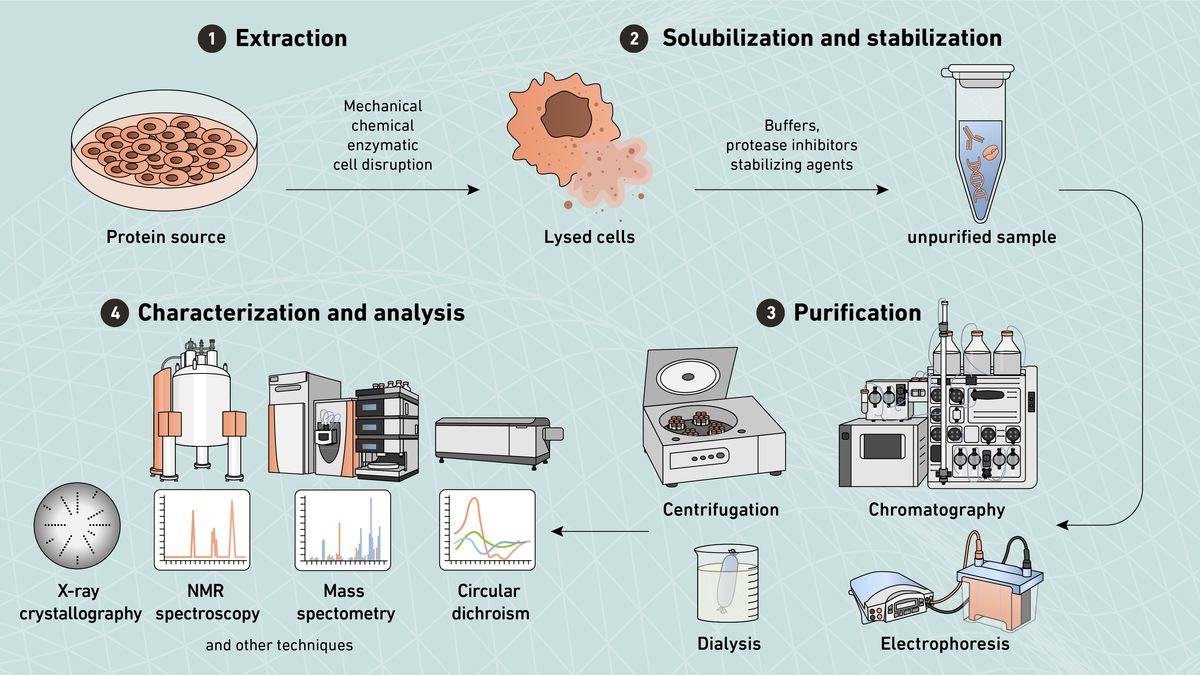
The field of proteomics in Alzheimer’s disease is rapidly evolving. Current and future studies are expected to leverage advanced mass spectrometry techniques, proximity extension assays, and multiple platforms to validate and expand the existing panels. Researchers are also aiming to integrate proteomic data with other omics platforms, such as genomics and transcriptomics, to assemble a comprehensive picture of the disease process.
Additionally, attention is increasingly being focused on understanding the temporal dynamics of protein expression. This includes monitoring how protein levels change over time, which can not only aid in early detection but also in gauging the effectiveness of therapeutic interventions. The expanding protein atlas for CSF and the emerging blood-based panels are poised to play crucial roles in the development of personalized medicine approaches in Alzheimer’s care.
Conclusion
In conclusion, the integration of proteomics into Alzheimer’s research has ushered in a new era of biomarker discovery, with multiprotein panels providing enhanced diagnostic and prognostic capabilities. The identification of both classical markers like amyloid beta and tau, and novel proteins related to mitochondrial function, metabolism, and immune response, has expanded our understanding of disease mechanisms. These panels not only help in distinguishing Alzheimer’s disease from other conditions but also track disease progression, thus informing treatment strategies and patient care.
As the field progresses, the use of comprehensive proteomic analyses holds promise for early detection and the development of personalized therapeutics. By evaluating protein networks and integrating data from various biological compartments (such as CSF and blood), researchers are better positioned to develop targeted interventions that address both the pathological and functional aspects of Alzheimer’s disease.
References
- Nature Article - Nature
- Nature Neuroscience - Nature
-
PMC Article - NIH
-
ScienceDirect Article - Elsevier
-
PMC Article - NIH
Recommended Queries for Further Exploration
Last updated February 27, 2025