
Reviving Your Amaryllis: Post-Bloom Care for Lasting Beauty
Don't discard your amaryllis after the vibrant blooms fade – discover how to nurture your bulb for future flowering seasons.
Key Takeaways for Post-Bloom Amaryllis Care
- Prune Spent Flowers Promptly: Removing faded blooms prevents seed formation and conserves the bulb's energy for future growth.
- Foster Leaf Growth: Allow the leaves to grow and thrive after flowering; they are essential for photosynthesis and storing energy in the bulb.
- Implement a Dormancy Period: A crucial step for reblooming is providing a cool, dark resting period for the bulb, typically for 8-10 weeks.
Understanding the Amaryllis Growth Cycle
To successfully encourage your amaryllis to rebloom year after year, it's important to understand its natural growth cycle. Amaryllis, scientifically known as Hippeastrum, are perennial bulbs native to Central and South America. Unlike plants that undergo true dormancy in the traditional sense, amaryllis bulbs enter a rest period after flowering to recover and store energy for the next bloom cycle.
The amaryllis life cycle can be broadly divided into three key phases:
Bloom Phase (Typically Late December to June)
This is the period when your amaryllis showcases its stunning, large, trumpet-shaped flowers. The duration of the bloom can vary, typically lasting 6-8 weeks, but influenced by environmental factors like temperature and light. After the flowers wither, the plant transitions to the next crucial phase.
Leaf Growth and Energy Storage Phase (After Flowering through Late Summer/Early Fall)
Once the blooms fade, the plant's energy shifts to developing its long, wide green leaves. These leaves are vital for photosynthesis, the process by which the plant converts light energy into chemical energy, storing it as carbohydrates in the bulb. The success of future blooms heavily depends on the health and growth of the leaves during this period.
Rest Period (Fall/Early Winter)
As fall approaches, the plant naturally enters a rest period. This phase, sometimes referred to as dormancy, is initiated by a reduction in watering and light. This cool, dark period is essential for the bulb to prepare for the next flowering cycle.
Immediate Post-Flowering Care: Pruning and Continued Growth
The moment your beautiful amaryllis flowers begin to dry up and fade, your immediate actions are critical for the plant's future. The primary goal at this stage is to redirect the plant's energy away from seed production and towards strengthening the bulb for the next season's display.
Removing Spent Flowers
Once the flowers on a stalk have withered, it's important to remove them promptly. This prevents the plant from putting energy into forming seeds, a process that can deplete valuable resources needed for future blooms. You can gently snip off the faded flowers where they connect to the stalk. If there are multiple flowers on a single stalk, remove each one as it fades, leaving the stalk intact until all flowers on it are spent.
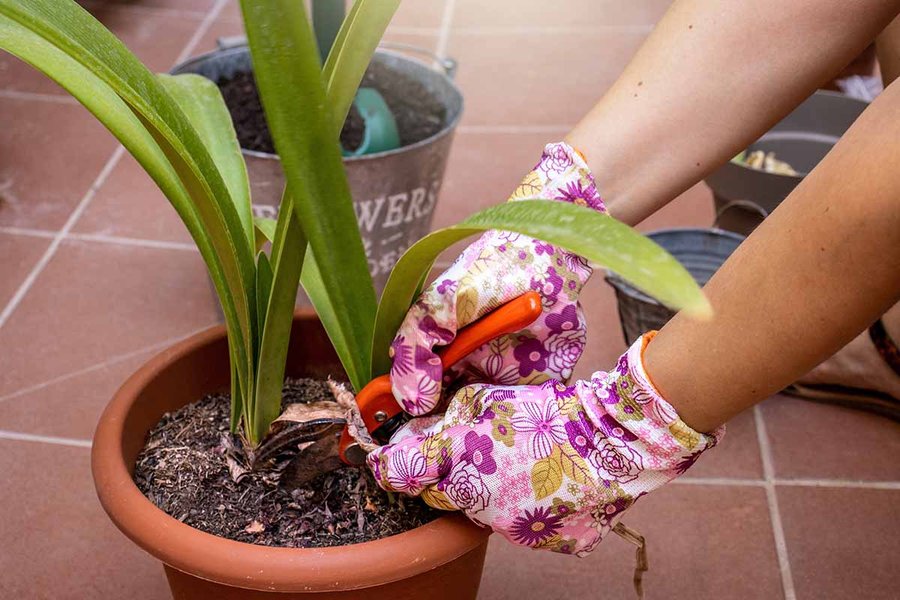
Pruning spent amaryllis flowers to conserve energy.
Managing the Flower Stalk
After all the flowers on a stalk have finished blooming, you should cut the stalk back. Make the cut about 1 to 2 inches above the top of the bulb using a sharp knife or pruners. Avoid damaging the leaves or the bulb itself during this process. Some sources suggest waiting until the flower stalk turns yellow before cutting it back, as a green stalk can still contribute to photosynthesis. However, removing the spent flowers is the most immediate priority to prevent seed formation.
An alternative perspective suggests not cutting the stem back immediately after flowering, but rather just removing the individual faded flowers. This allows the stem to continue photosynthesizing, further contributing to the bulb's energy reserves. The stem can then be cut back when it starts to sag or turn yellow.
Encouraging Leaf Development
Do not cut off the leaves after the plant has finished flowering! The leaves are the powerhouse of the amaryllis after blooming. They are essential for photosynthesis, which rebuilds the energy stored in the bulb. Allow the leaves to grow and flourish throughout the spring and summer months. Treat the amaryllis like a regular houseplant during this period.
Summer Care: Nurturing the Bulb
The spring and summer months are a critical period for your amaryllis bulb to regain strength and store energy for the next bloom cycle. Proper care during this phase will significantly impact the plant's ability to rebloom.
Providing Light and Water
During the leaf growth phase, place your amaryllis in a sunny location indoors. A south-facing window is ideal to provide the bright light necessary for photosynthesis. Water the plant regularly, keeping the soil consistently moist but not waterlogged. Allow the top inch or two of the soil to dry out before watering again. Overwatering can lead to root rot, which is detrimental to the bulb's health.
Watch this video for a visual guide on amaryllis care after blooming.
Considering Fertilization
While not strictly necessary for immediate survival, fertilizing your amaryllis during the summer can help replenish nutrients in the soil and support healthy leaf growth. Use a balanced liquid fertilizer diluted to half strength, applied every 2-4 weeks. Some sources suggest using a fertilizer with a higher phosphorus content later in the season to encourage flower bud formation, but a general all-purpose houseplant fertilizer is usually sufficient during the growth phase.
Outdoor Option
If you live in a suitable climate (generally where temperatures stay above freezing), you can move your potted amaryllis outdoors for the summer after the last risk of frost has passed. Acclimate the plant gradually to outdoor conditions by initially placing it in a shady, protected area before moving it to a sunnier spot. This period outdoors allows the plant to benefit from natural sunlight and can contribute to a stronger bulb.
Inducing Dormancy for Reblooming
To trigger reblooming, amaryllis bulbs require a period of dormancy or rest. This typically occurs in the fall.
Preparing for Dormancy
Around late September or early October, begin to prepare your amaryllis for dormancy. Gradually reduce watering, allowing the soil to dry out completely. The leaves will likely begin to yellow and wither during this time. Once the leaves have turned yellow or brown, cut them back to about 2 inches from the top of the bulb.
Providing the Right Conditions
After cutting back the leaves, move the potted bulb to a cool, dark location for a minimum of 8 to 10 weeks. An unheated basement, garage, or even the crisper drawer of your refrigerator (away from apples, which release ethylene gas that can sterilize the bulb) can work. The ideal temperature during dormancy is between 40°F and 55°F (4°C to 13°C). Do not water the bulb during this dormancy period.
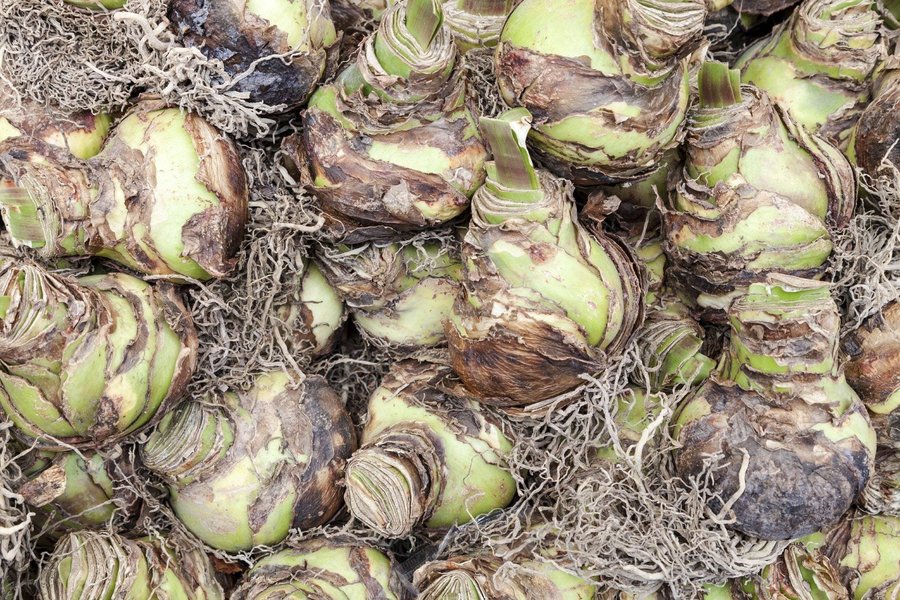
Storing amaryllis bulbs in a cool, dark place for dormancy.
Timing for Reblooming
The duration of the dormancy period influences when your amaryllis will rebloom. A minimum of 6-8 weeks is generally recommended. If you want to time the bloom for a specific event, like the holidays, calculate back from your desired bloom time, remembering that it typically takes 4-6 weeks for a flower stalk to emerge after the dormancy period ends.
Bringing Your Amaryllis Out of Dormancy
After the required dormancy period, it's time to wake up your amaryllis bulb and encourage it to bloom again.
Repotting (If Necessary) and Watering
After the dormancy period, you can inspect the bulb and roots. If the plant is severely pot-bound or you want to refresh the soil, repot the bulb in a container that is only slightly larger than the bulb, ensuring it has drainage holes. Use a well-draining potting mix, planting the bulb so that the top third is exposed above the soil line. Water the bulb sparingly after repotting, just enough to keep the soil barely moist. Avoid overwatering, as the bulb is still waking up and susceptible to rot.
Providing Light and Warmth
Move the potted amaryllis to a warm location with bright, indirect light. An ideal temperature is around 70-75°F (21-24°C). As new leaves and a flower stalk begin to emerge, gradually increase watering. Once active growth is visible, move the plant to the sunniest spot possible. More sun generally leads to better blooms.
Resuming Fertilization
Once new growth is apparent, you can resume fertilizing your amaryllis to support the development of the flower stalk and leaves. Use a balanced liquid fertilizer according to the product instructions. Some gardeners switch to a fertilizer with a higher phosphorus content at this stage to promote flowering.
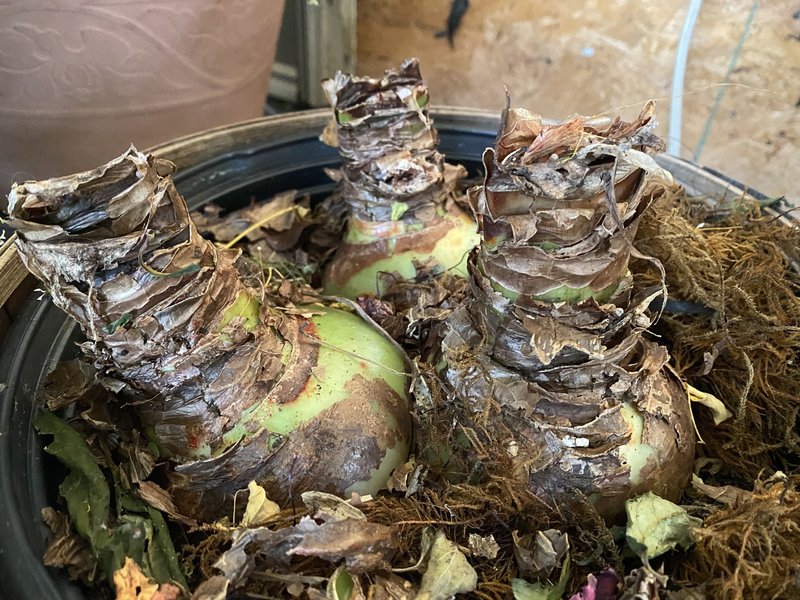
Amaryllis bulb in a pot ready to begin a new growth cycle.
Amaryllis Care Timeline Summary
Here is a summary of the amaryllis care timeline after flowering:
| Phase | Approximate Timing | Key Actions |
|---|---|---|
| Bloom Phase | Late December to June | Enjoy flowers, remove faded blooms. |
| Post-Bloom/Leaf Growth | After flowering through Late Summer/Early Fall | Cut back flower stalks, provide bright light, water regularly, fertilize. |
| Dormancy Preparation | Late September/Early October | Reduce watering, allow leaves to yellow. |
| Dormancy | Fall/Early Winter (8-10 weeks) | Cut back leaves, store in a cool, dark place, withhold water. |
| Reawakening | After Dormancy Period | Repot (if needed), water sparingly, provide warmth and bright light, resume fertilization as growth appears. |
Frequently Asked Questions About Post-Bloom Amaryllis Care
Should I cut the leaves off after the amaryllis blooms?
No, you should not cut off the leaves after the amaryllis blooms. The leaves are crucial for photosynthesis and storing energy in the bulb for future flowering. Allow the leaves to grow throughout the spring and summer.
How do I get my amaryllis to bloom again next year?
To get your amaryllis to rebloom, you need to follow a specific care routine after the initial flowering. This includes allowing the leaves to grow and store energy, providing a period of dormancy (cool and dark rest), and then bringing the bulb out of dormancy with appropriate watering, light, and warmth.
What kind of light does an amaryllis need after blooming?
After blooming, when the leaves are actively growing, place your amaryllis in a sunny location to maximize photosynthesis. A south-facing window is generally ideal. During the dormancy period, the bulb should be kept in a dark place.
When should I stop watering my amaryllis to induce dormancy?
You should gradually reduce watering in the fall, typically around late September or early October, to signal to the plant that it's time to enter dormancy. Allow the soil to dry out completely.
How long does the dormancy period last for an amaryllis?
The dormancy period for an amaryllis bulb should last for a minimum of 8 to 10 weeks. This cool, dark rest is essential for the bulb to prepare for reblooming.
References
Last updated April 28, 2025