
Crafting a 1-Year Operational Plan for the Amazon Future Engineer Teacher Certification Rollout in Andhra Pradesh
A detailed roadmap for empowering educators in computer science and AI.
This document outlines a comprehensive 1-year operational plan for the successful rollout and initial implementation of the teacher certification course within the Amazon Future Engineer (AFE) program in Andhra Pradesh. Drawing insights from the AFE program's expansion and implementation strategies in the region, this plan focuses on key operational activities, milestones, and performance indicators to ensure effective teacher training and ultimately, enhance computer science education for students.
Key Highlights of the Operational Plan
- Strategic Partnerships: Leveraging existing collaborations with the government of Andhra Pradesh and non-profit organizations like Leadership for Equity and Quest Alliance is crucial for widespread reach and effective implementation.
- Phased Rollout: The plan emphasizes a phased approach, starting with foundational activities in the initial months and scaling up to cover a larger number of teachers and districts over the year.
- Focus on Teacher Empowerment: The core of the plan revolves around providing teachers with the necessary skills and support in computational thinking, coding, and AI to confidently deliver the AFE curriculum.
Understanding the Amazon Future Engineer Program in Andhra Pradesh
Building a foundation for computer science education.
The Amazon Future Engineer (AFE) program in India is a comprehensive initiative designed to increase access to computer science education for students from underserved communities. In Andhra Pradesh, the program has partnered with the state government and non-profits to introduce computer science education, including coding and artificial intelligence, in government schools. The program aims to empower a significant number of students and teachers with these essential 21st-century skills.
Initial pilot projects in districts like Visakhapatnam, Vizianagaram, and Srikakulam have shown promising results, demonstrating the potential for transforming skill levels and aspirations among students and teachers. The long-term vision is to scale this initiative statewide, reaching a large number of students and teachers over the next few years.
A critical component of this scale-up is the teacher certification course. Empowering teachers with the knowledge and pedagogical skills to teach computer science is fundamental to the program's success and sustainability. This operational plan specifically addresses the systematic rollout of this certification program.
Promotional image for the Amazon Future Engineer program.
Operational Planning: A Framework for Success
Structuring the rollout of the teacher certification.
Operational planning involves detailing the day-to-day activities and resources required to achieve strategic objectives. For the AFE teacher certification rollout, this means translating the program's goals into actionable steps with clear timelines, responsibilities, and measures of success. A Gantt chart is a highly effective tool for visualizing this plan, providing a timeline of tasks, dependencies, and milestones.
While a full 1-year Gantt chart is typically created in project management software or spreadsheet programs like Excel or Google Sheets, we can outline the structure and key elements here. The plan will be divided into phases, with a particular focus on the critical first three months to establish a strong foundation.
This radar chart illustrates the relative focus and effort across different operational areas during the initial phase of the teacher certification rollout. It highlights the emphasis on foundational elements like partnership strengthening, curriculum finalization, and initial recruitment and onboarding compared to later-stage activities like widespread ongoing support and advanced training modules. The values are representative of the initial operational priorities.
The First Three Months: Laying the Foundation
Critical activities for a strong start.
The initial three months of the operational plan are crucial for establishing the necessary infrastructure, partnerships, and initial cohort of teachers for the certification program. Key activities during this period will include:
Month 1: Planning and mobilization.
- Activity: Finalize partnership agreements with the Government of Andhra Pradesh, Leadership for Equity, and Quest Alliance, clearly defining roles and responsibilities for the teacher certification program.
- Activity: Establish a dedicated program management unit or team responsible for the teacher certification rollout, comprising representatives from Amazon, government, and non-profit partners.
- Activity: Develop and finalize the detailed curriculum for the teacher certification course, ensuring alignment with the AFE program's objectives and the needs of teachers in Andhra Pradesh.
- Activity: Identify and confirm the initial target districts and schools for the first phase of the rollout, based on criteria such as existing infrastructure and teacher readiness.
- KPI: Signed Memorandums of Understanding (MoUs) with all key partners.
- KPI: Program management unit established and roles defined.
- KPI: Teacher certification curriculum finalized and approved.
- KPI: List of target districts and schools for the initial phase confirmed.
Month 2: Resource preparation and initial recruitment.
- Activity: Develop and prepare training materials, resources, and platforms (both online and offline) for the teacher certification course.
- Activity: Initiate the recruitment and selection process for the first cohort of teachers from the identified districts and schools. This may involve communication campaigns, application processing, and selection criteria evaluation.
- Activity: Conduct initial orientation sessions for school administrators and district education officials in the target areas to ensure their understanding and support for the program.
- Activity: Set up the necessary technical infrastructure (e.g., computer lab readiness, internet connectivity) in the participating schools, in coordination with the government.
- KPI: Training materials and resources developed and ready for use.
- KPI: Number of teacher applications received.
- KPI: Number of teachers selected for the first cohort.
- KPI: Orientation sessions conducted for administrators and officials.
- KPI: Assessment of technical infrastructure readiness in target schools completed.
Month 3: Teacher onboarding and commencement of training.
- Activity: Onboard the selected teachers into the certification program, providing them with detailed schedules, access to online platforms, and necessary resources.
- Activity: Commence the first modules of the teacher certification training, utilizing a blended learning approach (combining online and offline components).
- Activity: Establish a support system for participating teachers, including access to mentors, technical assistance, and a platform for peer learning.
- Activity: Begin tracking teacher attendance, participation, and initial progress in the certification modules.
- KPI: Percentage of selected teachers successfully onboarded.
- KPI: First training modules commenced as scheduled.
- KPI: Teacher support system established and accessible.
- KPI: Metrics on teacher attendance and initial engagement collected.
The 1-Year Operational Plan: Scaling and Sustaining
A phased approach to widespread impact.
Following the initial three months, the operational plan for the remainder of the year will focus on completing the teacher certification for the first cohort, expanding to additional districts and teachers, and establishing mechanisms for ongoing support and program evaluation. While a detailed month-by-month breakdown would be included in a full Gantt chart, the subsequent phases would generally involve:
Months 4-6: Continuing and completing training for the first cohort, planning for expansion.
- Deliver the remaining modules of the teacher certification course.
- Conduct assessments and evaluations to track teacher learning and competency development.
- Gather feedback from the first cohort of teachers to refine the program.
- Plan and initiate activities for recruiting the next cohort(s) of teachers.
- Strengthen partnerships and secure resources for scaling the program.
- Key Milestones: Completion of teacher training for the first cohort, initiation of planning for the next phase.
- KPIs: Teacher certification completion rate, teacher satisfaction scores, number of teachers recruited for the next cohort.
Months 7-9: Onboarding and training of subsequent cohorts, initial impact assessment.
- Onboard and begin training for the next cohort(s) of teachers.
- Monitor the application of certified teachers' skills in the classroom and gather initial data on student engagement and learning outcomes in computer science.
- Conduct site visits and provide targeted support to teachers and schools.
- Refine training content and delivery based on feedback and performance data.
- Key Milestones: Training commenced for subsequent cohorts, initial assessment of program impact on students.
- KPIs: Number of teachers in training, metrics on student participation in computer science activities, qualitative feedback on classroom implementation.
Months 10-12: Program evaluation, sustainability planning, and further scaling.
- Complete training for additional cohorts, working towards the annual target of certified teachers.
- Conduct a comprehensive evaluation of the teacher certification program's effectiveness, including its impact on teacher capacity and student outcomes.
- Develop a long-term sustainability plan for the program, including strategies for ongoing professional development and integration into the education system.
- Plan for further geographical expansion and increased teacher participation in the following year.
- Key Milestones: Achievement of annual teacher certification target, comprehensive program evaluation completed, sustainability plan developed.
- KPIs: Total number of teachers certified within the year, results of program evaluation, plan for Year 2 rollout.

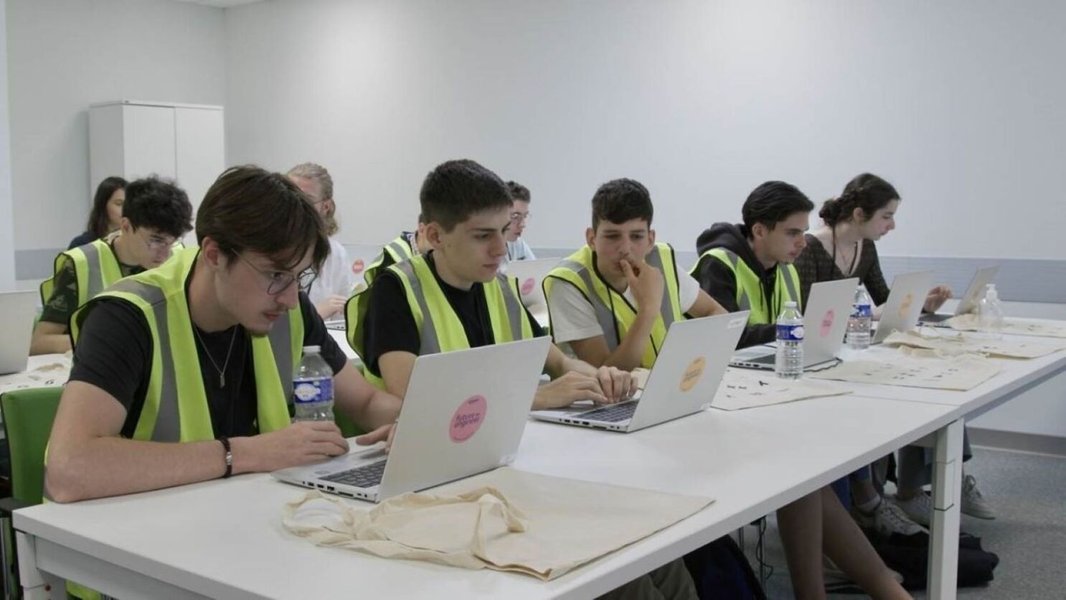
Students engaging in coding activities as part of the Amazon Future Engineer program.
Indicators of Success (KPIs)
Measuring the impact of the teacher certification.
Key Performance Indicators (KPIs) are essential for tracking progress and evaluating the success of the teacher certification rollout. These indicators should be specific, measurable, achievable, relevant, and time-bound (SMART). Examples of KPIs for this operational plan include:
| Area | Key Performance Indicators (KPIs) | Target (within 1 year) |
|---|---|---|
| Partnerships and Mobilization | Percentage of key partnership agreements finalized | 100% |
| Teacher Recruitment and Enrollment | Number of teachers recruited and enrolled in the certification program | Aligned with annual program goals (e.g., 500 teachers as per initial targets) |
| Teacher Training and Completion | Percentage of enrolled teachers who complete the certification program | >85% |
| Teacher Competency | Average score on post-training assessments measuring computational thinking, coding, and AI knowledge | Target score to be defined based on curriculum outcomes |
| Program Reach | Number of schools with at least one certified AFE teacher | Target number of schools based on rollout plan |
| Classroom Implementation | Percentage of certified teachers actively integrating AFE curriculum in their classrooms | >75% |
| Student Engagement | Metrics on student participation in computer science activities (e.g., number of students reached) | Aligned with annual program goals (e.g., 10,000 students as per initial targets) |
These KPIs will be monitored regularly to assess the program's progress, identify areas for improvement, and ensure accountability.
Utilizing a Gantt Chart for Visualization
A visual timeline for tasks and dependencies.
A Gantt chart provides a visual representation of the operational plan, illustrating the timeline of tasks, their durations, dependencies between tasks, and key milestones. While not a physical chart here, its structure would include:
- Tasks: Specific activities like "Finalize partnership agreements," "Develop training materials," or "Conduct teacher training module 1."
- Timeline: A horizontal bar representing the duration of each task across the 1-year period.
- Dependencies: Arrows connecting tasks to show which activities must be completed before others can begin.
- Milestones: Markers indicating significant points in the project, such as "Recruitment for Cohort 1 Completed" or "First Cohort Certified."
Using a Gantt chart in Excel or Google Sheets allows for easy tracking of progress, resource allocation, and identification of potential delays. It serves as a dynamic tool for managing the complex logistics of the teacher certification rollout.
This video demonstrates how to create a Gantt chart in Excel, a valuable skill for operational planning.
Challenges and Mitigation Strategies
Anticipating and addressing potential roadblocks.
Rolling out a large-scale teacher certification program can face various challenges. Proactive identification and mitigation strategies are essential for success:
- Challenge: Teacher availability and time constraints for participating in the certification program alongside their regular teaching duties. Mitigation: Offer flexible training schedules (e.g., blended learning, weekend sessions), secure support from school administrators for teacher participation, and potentially provide stipends or incentives.
- Challenge: Ensuring adequate technical infrastructure and internet connectivity in all participating schools, especially in rural areas. Mitigation: Conduct thorough infrastructure assessments, collaborate with the government on improving connectivity, and develop offline components for the training where online access is limited.
- Challenge: Maintaining teacher motivation and engagement throughout the certification process and in the subsequent implementation of the AFE curriculum. Mitigation: Provide ongoing mentorship and support, create a community of practice for certified teachers, showcase success stories, and offer opportunities for advanced training or professional growth.
- Challenge: Ensuring the sustainability of the program beyond the initial rollout phase. Mitigation: Work towards integrating the AFE curriculum and teacher training model into the regular education system, build capacity within the government and partner organizations to manage the program long-term, and explore avenues for continued funding and support.
FAQ about the Operational Plan
Addressing common questions.
Recommended Further Exploration
Deepen your understanding of related topics.
- Scaling educational programs in underserved communities
- Teacher professional development in computer science
- Implementing blended learning in teacher training
- Using Gantt charts for project management in education
References
Sources used in this response.
 press.aboutamazon.com
 press.aboutamazon.com

Last updated May 20, 2025