
Amazon's Approach to Population Inclusion vs. Exclusion
A Comprehensive Analysis of Amazon's DEI Strategies and Policies
Key Takeaways
- Comprehensive DEI Initiatives: Amazon has implemented extensive diversity, equity, and inclusion programs aimed at fostering an inclusive workforce.
- Recent Policy Shifts: Recent changes in Amazon's DEI policies have raised concerns about the potential exclusion of certain groups.
- Balancing Growth with Inclusivity: Amazon strives to balance its rapid expansion with maintaining inclusive practices, though challenges persist.
Introduction
Amazon, one of the world's leading multinational technology companies, has long positioned itself as a champion of diversity, equity, and inclusion (DEI). With a workforce exceeding 1.4 million employees globally, Amazon's approach to population inclusion versus exclusion is multifaceted, encompassing comprehensive internal initiatives, market practices, and community engagements. This analysis delves into the various dimensions of Amazon's DEI strategies, recent policy changes, and the resultant impact on different population segments.
Amazon's Commitment to Inclusion
Diversity, Equity, and Inclusion Initiatives
Amazon has consistently emphasized the importance of fostering an inclusive workplace. The company has established numerous affinity groups or employee resource groups (ERGs) tailored to support a diverse range of employees, including but not limited to, women, Black employees, LGBTQ+ individuals, veterans, and people with disabilities. These groups serve as platforms for networking, professional development, and community building, ensuring that employees from various backgrounds feel represented and supported.
Hiring and Advancement Programs
To enhance diversity within its ranks, Amazon has implemented targeted hiring programs aimed at underrepresented groups. Partnerships with Historically Black Colleges and Universities (HBCUs) and Hispanic-serving institutions, alongside initiatives to encourage more women to enter technology and science roles, exemplify Amazon's efforts to increase representation at all levels of the organization. Additionally, technical apprenticeship programs and outreach initiatives seek to bridge the gap between diverse talent pools and leadership positions.
Global Perspective on DEI
Amazon's DEI efforts are not confined to the United States. The company's global presence necessitates a nuanced approach to diversity and inclusion, accommodating cultural and regional differences across various countries. This global perspective ensures that Amazon's commitment to DEI is consistently reflected in its operations worldwide, promoting an inclusive environment that respects and celebrates diversity across different cultures and societies.
Recent Policy Changes and Their Implications
Scaling Back DEI Initiatives
In early 2025, Amazon announced a strategic shift in its DEI approach, consolidating various programs under a unified umbrella and focusing on initiatives with proven outcomes. This decision aligns with a broader trend among major corporations to streamline DEI efforts. While Amazon maintains that the goal remains to foster an inclusive culture, critics argue that reducing the scope of DEI programs may inadvertently exclude support for historically marginalized groups.
Removal of Specific DEI Policies
Recent updates to Amazon's company policies have included the removal of specific sections such as "Equity for Black People" and "LGBTQ+ Rights." This shift towards more generic statements about inequitable treatment being unacceptable has sparked debates about the company's commitment to addressing the unique challenges faced by these communities. The rebranding of the "Diversity, Equity, and Inclusion" page to "Inclusive Experiences and Technology" further signifies a move towards broader, less targeted DEI messaging.
Impact on Employee Resource Groups
Despite these policy changes, Amazon continues to support employee-led affinity groups. These groups remain integral to fostering inclusivity, providing spaces for employees to connect and advocate for their respective communities. However, the reduction in specific DEI policies may affect the resources and visibility these groups receive, potentially limiting their effectiveness in addressing the distinct needs of their members.
Workforce Diversity Metrics
Current Workforce Composition
| Demographic | Representation (%) | Year-over-Year Change |
|---|---|---|
| Women | 44.8% | +0.2% |
| Asian Employees | 13.2% | N/A |
| Black Employees (Levels 4-7) | N/A | +30% hiring goal |
| Women in Technology and Science (Levels 8-10) | N/A | +30% hiring goal |
Neurodiversity Efforts
Amazon has made strides in supporting neurodiverse individuals, particularly in regions like India, where over 200 neurodiverse employees have been integrated into the workforce since 2019. Partnerships with non-profit organizations facilitate the sourcing and training of neurodivergent talent, emphasizing Amazon's commitment to creating an inclusive environment for individuals with different cognitive profiles.
Business Practices and Social Impact
Market Inclusion
Amazon's platform model offers small and medium-sized businesses the opportunity to reach a global market. Initiatives such as the "Amazon Small Business Academy" and the provision of micro-loans and technical assistance aim to lower barriers to entry for underserved and minority-owned businesses. These efforts promote economic inclusion by enabling diverse entrepreneurs to thrive in the competitive online marketplace.
Challenges in the Marketplace
Despite these opportunities, Amazon's dominance in the market has been criticized for potentially creating pressures that exclude smaller vendors. Stringent guidelines and the scale at which Amazon operates can marginalize niche or minority vendors who may struggle to compete with larger, high-volume sellers. This dynamic raises concerns about the equitable distribution of opportunities within Amazon's vast marketplace.
Internal Workforce Conditions
Working Conditions in Fulfillment Centers
Amazon has faced frequent criticisms regarding the working conditions in its fulfillment centers. Employees have reported stressful and physically demanding environments, leading to questions about whether all segments of the workforce are equally supported. These allegations highlight a potential disconnect between Amazon's inclusive policy statements and the lived experiences of its employees on the ground.
Unionization Efforts
Reports of union-busting efforts in certain regions have sparked debates about Amazon's internal culture and its commitment to equitable treatment for all workers. While the company promotes a diverse and inclusive workforce, these actions raise concerns about the true extent of inclusivity and the equitable treatment of employees across different demographics.
Community Engagement and External Impact
Local Community Relations
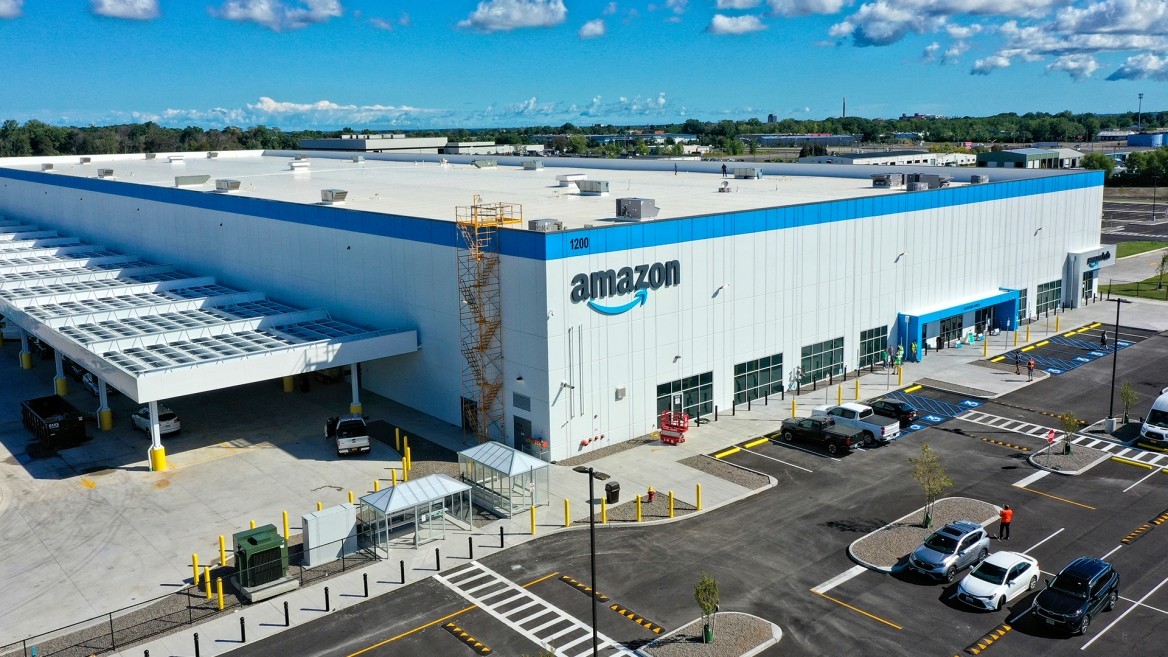
Amazon's expansion through the construction of large fulfillment centers has had mixed impacts on local communities. While job creation and economic opportunities are seen as positive outcomes, disputes over land use, traffic, and environmental concerns have led some community groups to feel excluded from the decision-making processes. Balancing growth with community needs remains a critical challenge for Amazon.
Technological Accessibility
Through Amazon Web Services (AWS), the company provides cloud computing resources to educational institutions and startups, aiming to expand access to advanced technologies. However, critics caution that the benefits of these initiatives may not be evenly distributed, potentially exacerbating digital divides where certain sectors or regions may lag in leveraging these technological advancements.
Impact of Policy Changes on Inclusion and Exclusion
Perceived Reduction in Support for Marginalized Groups
The removal of specific DEI policy sections and the shift towards more generic statements may be perceived as a reduction in targeted support for marginalized groups. This change could lead to feelings of exclusion among employees and external stakeholders who rely on these policies for advocacy and protection of their rights.
Focus on Effective Programs
Amazon contends that the consolidation of DEI initiatives aims to streamline efforts and focus on programs with measurable outcomes. By integrating employee groups and ensuring that initiatives are accessible to all employees, Amazon aims to foster a more inclusive culture. However, the effectiveness of this approach in addressing the unique needs of diverse populations remains a point of contention.
Future Directions and Continuous Improvement
Ongoing DEI Initiatives
Amazon continues to set targets for increasing diversity within its workforce and improving workplace conditions. Annual reports often outline goals for expanding representation, enhancing community relations, and refining DEI strategies to align with evolving societal expectations.
Balancing Growth with Inclusivity
As Amazon scales its operations globally, the company faces the challenge of maintaining inclusive practices amidst rapid growth. Balancing the demands of a large, diverse workforce with the need for streamlined, effective DEI initiatives will be crucial in ensuring that inclusivity remains a core component of Amazon's corporate strategy.
External Accountability and Public Perception
Third-party evaluations, media reports, and employee reviews continue to hold Amazon accountable for its DEI efforts. Public scrutiny and advocacy from various stakeholders pressure the company to bridge the gap between its DEI policy statements and actual practices, fostering a more transparent and accountable approach to diversity and inclusion.
Conclusion
Amazon's approach to population inclusion versus exclusion is a complex interplay of comprehensive DEI initiatives, recent policy shifts, and the challenges of maintaining inclusivity amidst rapid growth. While the company's efforts to foster an inclusive workforce and support diverse business communities are commendable, recent policy changes and internal criticisms suggest areas where Amazon can improve to ensure that its commitment to diversity and inclusion is both deep and broad. Balancing the demands of a global marketplace with the need to support and represent diverse populations will be key to Amazon's continued success in the realm of DEI.
References
 aboutamazon.com
 assets.aboutamazon.com
 aboutamazon.eu
 aboutamazon.com.au
 amazon.jobs
 sustainability.aboutamazon.com
 advertising.amazon.com
aboutamazon.com
advertising.amazon.com
aboutamazon.com
Last updated February 12, 2025