
Comparing Contemporary America to the Weimar Republic
Analyzing Parallels and Distinctions in Modern Democracy
Key Takeaways
- Intense Political Polarization: Both eras experience significant ideological divisions that challenge democratic cohesion.
- Economic Challenges and Inequality: While differing in scale, economic instability and income disparities influence societal tensions.
- Rise of Populism and Extremism: Populist movements gain traction by capitalizing on public discontent, leading to increased political extremism.
Political Polarization
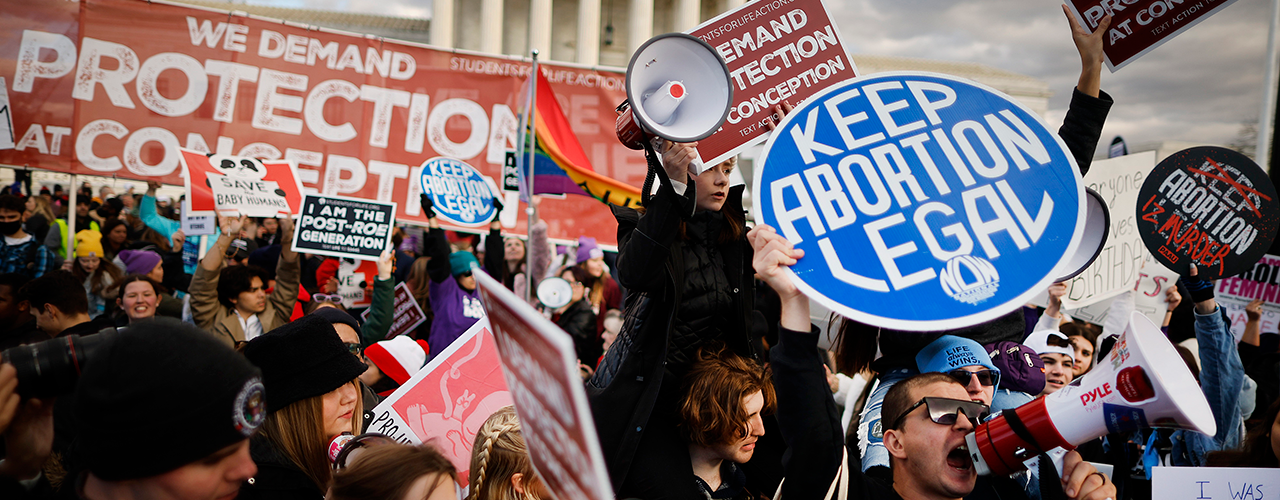
In both contemporary America and the Weimar Republic, political polarization serves as a significant divider within society. The Weimar era was marked by fierce conflicts between far-left communists and far-right nationalists, often resulting in legislative gridlock and political instability. Similarly, modern America faces deep ideological splits between progressive and conservative factions, leading to heightened partisanship and reduced willingness to compromise.
This polarization is not merely limited to political discourse but extends to social interactions and community dynamics. In Weimar Germany, the polarized Reichstag was a battleground for extremist parties that frequently resorted to violence and intimidation. In the United States, while physical violence is less pervasive, events such as the January 6, 2021, Capitol riot illustrate the potential for extreme actions stemming from political divisions.
Economic Challenges and Inequality
Economic instability has been a cornerstone in the comparison between contemporary America and the Weimar Republic. The Weimar economy suffered from hyperinflation, crippling debt, and the devastating effects of the Great Depression, leading to widespread public despair and distrust in the government's ability to manage economic affairs.
While the United States has not faced hyperinflation, it grapples with significant economic issues such as income inequality, rising national debt, and inflationary pressures, particularly evident in the early 2020s. These economic challenges contribute to social anxiety and fuel sentiments of injustice and disenfranchisement among various population segments, similar to the economic conditions that facilitated the rise of extremist factions in Weimar Germany.
Rise of Populism and Extremism
The ascent of populist leaders and extremist movements is a notable parallel between the two periods. In the Weimar Republic, the Nazi Party leveraged economic hardships and nationalist fervor to gain massive support, ultimately dismantling democratic institutions. Contemporary America has seen the emergence of populist figures who exploit economic discontent and cultural divisions to rally support, as exemplified by leaders like Donald Trump.
This rise in populism is often accompanied by a normalization of extreme political rhetoric and, in some cases, a loosening of democratic norms. The increased acceptance of political violence and the radicalization of political extremes in modern America echo the destabilizing dynamics that plagued the Weimar Republic, though the institutional safeguards in the U.S. provide a buffer against similar outcomes.
Distrust in Institutions
A significant factor contributing to the comparison is the declining trust in democratic institutions. Both societies witness widespread skepticism toward governmental bodies, the judiciary, and the media. In Weimar Germany, this distrust undermined the legitimacy of the democratic government and facilitated the rise of authoritarianism.
In the United States, declining confidence in institutions such as Congress, the Supreme Court, and mainstream media has led to political instability and challenges in governance. Efforts to undermine electoral legitimacy, allegations of voter suppression, and the spread of misinformation exacerbate this distrust, potentially weakening the foundational pillars of democracy.
Media Environment and Information Dissemination
The media landscape plays a crucial role in shaping public perception and political discourse. During the Weimar Republic, propaganda was a powerful tool used by extremist parties to manipulate public opinion and suppress dissent. Today, the United States faces similar challenges with misinformation and the creation of echo chambers where individuals consume news that reinforces their existing beliefs.
The proliferation of social media and fragmented news sources in modern America enables the rapid spread of disinformation, undermining informed public discourse and contributing to societal divisions. This environment fosters skepticism and makes it easier for extremist ideologies to gain traction without the counterbalance of reliable information.
Strength and Resilience of Institutions
Despite these concerning parallels, a fundamental difference lies in the strength and resilience of democratic institutions. The Weimar Republic was a nascent democracy with fragile institutions that struggled to maintain stability amidst external and internal pressures. In contrast, the United States boasts a long-established democratic tradition with robust checks and balances, a resilient legal framework, and a deeply ingrained constitutional culture.
These institutional strengths in the U.S. act as safeguards against the erosion of democracy, providing mechanisms to address political deadlock and prevent the consolidation of authoritarian power. While the contemporary era presents its own challenges, the foundational structures of American democracy offer a level of resilience that was absent in the Weimar Republic.
Economic Stability and Global Standing
Economically, the United States remains the world's largest economy with a relatively stable financial system, unlike the Weimar Republic, which was crippled by hyperinflation and economic collapse. The U.S. maintains significant influence in global affairs, with a powerful military and a prominent role in international institutions, contrasting sharply with the weakened and isolated position of Weimar Germany post-World War I.
This economic stability and strong international standing provide the United States with resources and alliances that can mitigate internal conflicts and external threats, enhancing the overall stability of the nation compared to the precarious situation of the Weimar Republic.
Social Cohesion and Civil Society
Social cohesion and the robustness of civil society in the United States also distinguish it from the Weimar Republic. Despite significant polarization, America has demonstrated resilience in navigating crises through its democratic processes and the active engagement of civil society organizations. The ability to mobilize collective action and uphold democratic norms contributes to the maintenance of social order.
In contrast, Weimar Germany was deeply divided along class, regional, and ideological lines, with frequent public street battles and an overall lack of social cohesion. The fragmented and hostile environment of Weimar made it difficult to achieve consensus or implement effective governance, paving the way for the rise of authoritarianism.
Challenges to Electoral Legitimacy
Both the Weimar Republic and modern America face challenges related to electoral legitimacy. In Weimar, election processes were often marred by manipulation and disinformation, undermining public confidence in democratic elections. Similarly, the United States has experienced controversies surrounding voter suppression, allegations of electoral fraud, and efforts to delegitimize election outcomes.
These challenges threaten the integrity of democratic processes and can lead to increased political instability. Ensuring transparent and fair elections is crucial for maintaining public trust and preventing the erosion of democratic institutions.
Elite Dynamics and Response to Populism
The response of political and business elites to populist movements also highlights both similarities and differences. In Weimar Germany, the political elite often resorted to emergency decrees and authoritarian measures to bypass parliamentary paralysis, contributing to the democratic erosion. In contrast, the United States features a more dispersed power structure with checks and balances that make authoritarian consolidation more difficult.
Additionally, American elites have shown varying responses to populism, with some embracing populist rhetoric while others actively work to oppose extremist movements. The strength of civil society and the rule of law in the U.S. provide mechanisms to counterbalance populist pressures and support democratic resilience.
Conclusion
The comparison between contemporary America and the Weimar Republic reveals a complex interplay of similarities and differences. While both societies grapple with intense political polarization, economic challenges, the rise of populism, and declining trust in institutions, the United States benefits from robust democratic traditions, resilient institutions, and a stable economic foundation that distinguish it significantly from the fragile and tumultuous Weimar Republic.
The lessons from Weimar Germany serve as a cautionary tale for modern America, emphasizing the importance of safeguarding democratic norms, addressing economic and social disparities, and resisting the allure of extremist solutions. However, the fundamental strengths of the American political and institutional framework provide a buffer that, if maintained and reinforced, can help navigate the current challenges without succumbing to the fate of the Weimar Republic.
References
Last updated January 21, 2025