
Understanding Anacréantique
Exploring the Poetic and Cultural Legacy of a Timeless Style
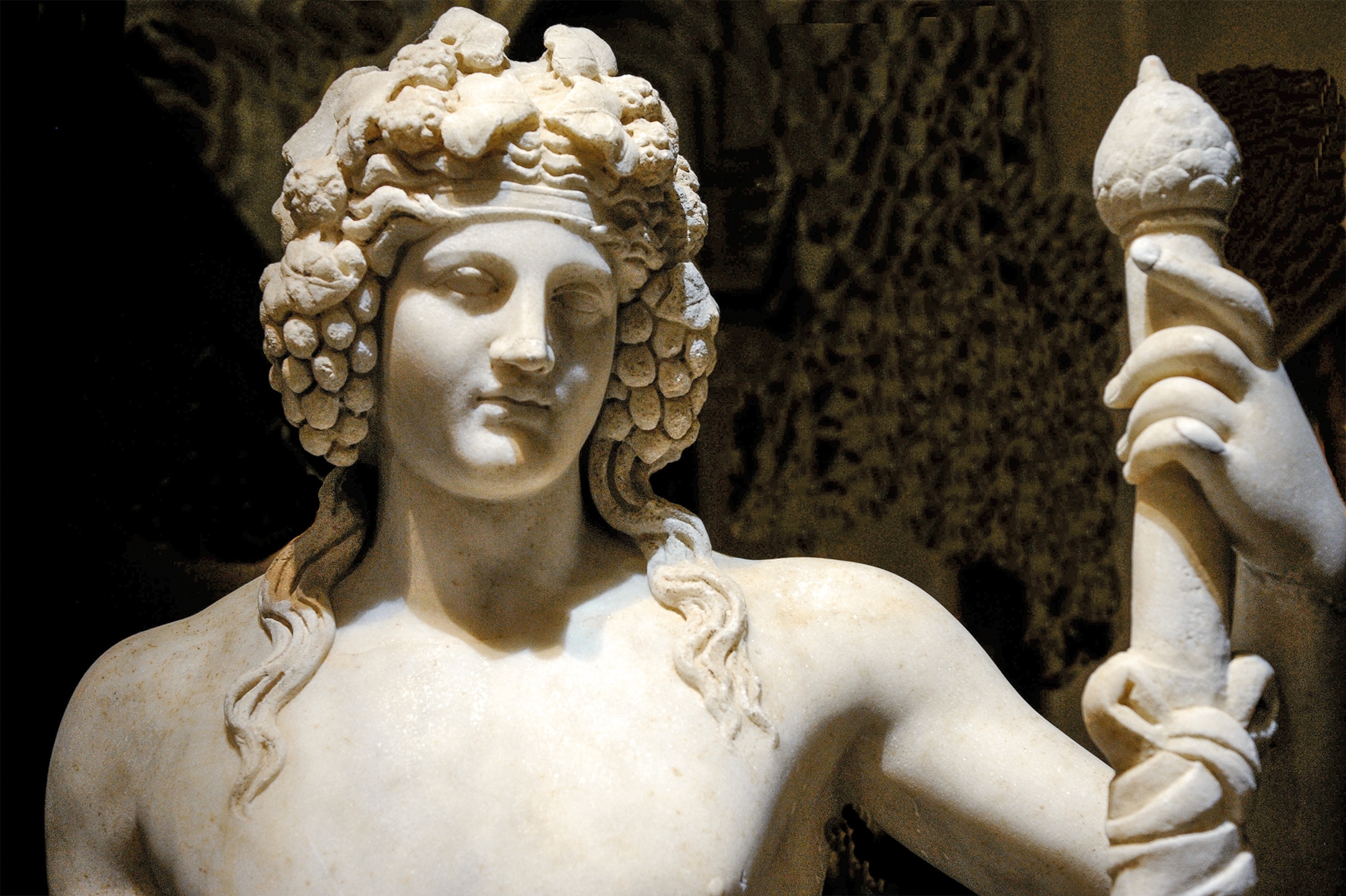
Highlights
- Historical Roots and Poetic Legacy – Originating from the style of the ancient Greek lyric poet Anacreon, this aesthetic captures the spirit of love, wine, and conviviality.
- Aesthetic and Thematic Characteristics – Recognized for its light-hearted, graceful tone, emphasizing themes of love, sensuality, and the joy of life.
- Modern Interpretations – Although rooted in classical metrics, modern usage extends the term to various forms of artistic and literary expressions that reflect similar themes.
The Origins and Historical Context
The term "anacréantique" is intricately bound to the literary legacy of the ancient Greek poet Anacreon, who lived between approximately 572 and 488 BC. Anacreon was renowned for his short, vibrant songs that celebrated not only love and sensual pleasure but also the delights of wine and communal revelry. His works, though modest in length, resonated powerfully in both the musicality and the emotional vibrancy of his verses.
In his time, Anacreon’s lyrical compositions were emblematic of a culture where individual expression and the sensory pleasures of life were celebrated. His influence extended far beyond his own era, inspiring subsequent generations of poets and artists who sought to mimic his style. The term "anacréontique", as it is used today, directly stems from this historical foundation, embodying both the form and the spirit of his work.
Defining the Anacréantique Style
Literary and Poetic Elements
At its core, anacréantique refers to a nuanced literary style that embraces several defining elements. Historically, these include:
- Celebration of Sensual Pleasures – The primary themes involve love, the enjoyment of wine, and a general revelry of life’s pleasures.
- Light and Graceful Tone – The poets adopting this style often employ a light, playful tone that eschews gravitas in favor of delightfulness and an informal approach to writing.
- Conciseness and Musicality – Reflecting the shorter forms of Anacreon’s compositions, the style often emphasizes succinct verses with rhythmic qualities that lend themselves well to oral performance.
- Sensual and Amatory Imagery – There is an almost tactile depiction of love and desire, which not only appeals emotionally but also mentally reclaims the anticipation of romantic and festive experiences.
These elements combine to form a poetic style that is both accessible and refined, making it a favorite in both ancient contexts and modern reinterpretations.
Metrical and Structural Aspects
In classical poetry, the anacréontique style was often associated with specific metrical patterns. The rules governing these metrics were designed to create a fluid and rhythmic quality that perfectly aligned with the themes of love and festivity that dominated the subject matter. Although these specific metrical forms might not always be strictly adhered to in modern poetry, the essence of the meter – that is, a light and musical cadence – remains embedded in the style.
Over time, as the aesthetic was adapted to suit newer literary movements, many poets chose to focus more on thematic content rather than strict adherence to ancient meter. It was this flexibility that allowed the term to evolve, finding relevance in diverse cultural and artistic expressions while staying true to its original spirit.
Cultural Impact and Modern Interpretations
From Classical to Contemporary
Although deeply rooted in ancient literature, the characteristics of anacréantique have transcended time. The modern application of the term often extends beyond traditional poetry to include various forms of art:
- Literary Works: Contemporary authors and poets continue to draw inspiration from Anacreon’s distinctive style. They incorporate themes of love, pleasure, and indulgence in a manner that pays homage to the lighthearted and playful tone inherent in anacréantique works.
- Music and Performance: Musical compositions and performance art that focus on themes of sensuality and festivity often invoke the spirit of anacréantique. This can be seen in the joyful and rhythmic arrangements that mimic the celebratory mood characteristic of Anacreon’s verses.
- Visual Arts: Artists in various mediums, including painting and sculpture, have mirrored the amatory and convivial aesthetics of anacréantique. Imagery incorporating wine, festive gatherings, and tender romantic scenes are not uncommon in modern art influenced by this style.
- Culinary and Beverage Culture: There is an interesting parallel in contemporary celebrations of food and drink. The conviviality promoted in anacréantique poetry finds a renewed expression in the modern cultural appreciation of gourmet cuisine and artisanal beverages, further evidencing its lasting legacy.
The versatility of the term not only highlights its historical importance but also emphasizes its adaptability in encapsulating any form of art or expression that seeks to elevate everyday pleasures to an art form. This fluidity is one reason why the term holds significant appeal across different cultures and eras.
Anacréantique in European Literature and Beyond
In European literary traditions, the anacréantique style has been celebrated for centuries, influencing both highbrow literature and popular cultural expressions. In French literary tradition, for instance, the term is often used as an adjective to describe works that evoke the jovial and graceful aspects reminiscent of Anacreon’s poetry. Essays, odes, and shorter lyrical pieces that exhibit a sense of refined hedonism are frequently termed as such.
Furthermore, across various European cultures, especially in regions with a rich tradition in viniculture, the themes of love and wine have become intertwined with local heritage. This has helped maintain the cultural resonance of anacréantique even in modern times. Its influence can be seen in literature, theater, and even public celebrations that resonate with the essence of classical conviviality.
A Comparative Analysis of Thematic Expressions
Table of Key Themes and Features
| Aspect | Classical Anacréantique | Modern Usage |
|---|---|---|
| Theme | Love, Wine, Celebration of Life | Romantic Encounter, Sensuality, Festive Atmosphere |
| Tone | Light-hearted, Melodious, Informal | Playful, Whimsical, Emotional |
| Meter & Form | Strict Metrical Patterns Aligning with Oral Traditions | Flexible, Adaptable to Contemporary Rhythms |
| Imagery | Sensory-rich depictions of love and revelry | Modern reinterpretation of classical symbols, often with a visual or performance art focus |
| Cultural Relevance | Embedded in ancient Greek traditions | Adopted across various cultures and artistic disciplines |
Intersection with Contemporary Arts
Beyond the written word, anacréantique has found a profound place in contemporary arts. Visual representations in modern art galleries sometimes feature compositions inspired by the festive visions of ancient Greek culture. The portrayal of pastoral and urban scenes where couples, wine, and joy converge subtly mirrors the essence of Anacreon’s legacy.
In performance art, theater troupes and music ensembles have adapted the poetics of anacréantique into elaborate shows that mix classical literature with modern music and visual storytelling. This synthesis of ancient style and modern innovation speaks to the enduring vitality of the anacréantique approach to celebrating life’s pleasures. Its capacity to bridge cultures and epochs demonstrates not only its historical robustness but also its continual reinvention in the realm of arts.
Interpreting Anacréantique in Broader Cultural Dialogues
Social and Philosophical Underpinnings
The principles underlying anacréantique go beyond aesthetics and literary value. They tap into a wider cultural dialogue about how societies perceive and celebrate personal freedom, sensual pleasure, and social interaction. In many ways, this poetic style is an artistic manifesto expressing the human desire for beauty, kinship, and the fulfillment of simple earthly pleasures. The recurring motifs of wine and love reflect a broader understanding of life as a series of fleeting yet precious moments, urging us to embrace joy wherever it may be found.
Socially, especially during periods of cultural renaissance and liberal thought, works inspired by or described as anacréantique were seen as a counterpoint to the often rigid moralistic norms of their times. They offered a liberating perspective that celebrated natural human emotions, making room for expressions of passion and mirth that contrasted sharply with more somber artistic traditions.
Philosophical and Ethical Considerations
Anacréantique also carries within it an ethical appeal to live life with a certain vibrancy, one that is in constant conversation with the beauty of existence. Philosophers and artists alike have drawn upon its themes as a way of advocating for a more emotionally and sensually engaged lifestyle. In an era where much emphasis is placed on productivity and progress, anacréantique reminds us of the importance of pausing to appreciate the ephemeral joys that define the human condition.
At its philosophical core, the celebration of love, beauty, and communal joy inherent in anacréantique serves as a call for balance. It is an aesthetic embrace of what might be termed the “art of living”, where the pursuit of excellence in beauty and pleasure is as significant as any intellectual endeavor.
Practical Implications and Applications
In Literary Education and Criticism
In educational settings, studies of literature that explore the anacréantique style provide a window into both historical and modern artistic practices. Students learn to decipher not merely the words of a poem but to appreciate the interplay of rhythm, thematic depth, and cultural context that defines the style. Through critical analysis, the light, yet profound impact of the anacréantique genre becomes evident, helping one to understand its lasting relevance in literary studies.
Scholars often engage with anacréantique texts to discuss the evolution of poetic forms and the ways in which ancient expressions influence contemporary creative work. By examining these works, learners come to appreciate the subtle art of melding form with content, a balancing act that is as challenging as it is rewarding.
In Modern Creative Industries
Beyond the confines of academic study, modern creative industries have embraced the spirit of anacréantique in numerous ways. Whether in advertising, graphic design, or multimedia artistry, the evocative power of this style is harnessed to evoke emotions and create a connection with audiences. Campaigns that emphasize celebration, intimacy, and the enjoyment of life often draw on themes similar to those found in traditional anacréantique literature.
Furthermore, the food and beverage industry, particularly in regions steeped in culinary traditions, leverages the cultural resonance of anacréantique themes to craft branding that evokes elegance and joy. Wine labels, gourmet advertisement, and even event arrangements for festivals have subtly incorporated these ideals to communicate sophistication and the art of living well.
Conclusion
In summary, the term "anacréantique" encapsulates a rich and varied tradition that originates from the ancient Greek poet Anacreon and his celebration of love, wine, and the pleasures of life. This style, distinguished by its light-hearted and playful tone, remains influential both as a historical poetic form and as a modern artistic paradigm. The defining attributes of this style, from its clear thematic focus on sensuality to its evolution from strict classical meter to flexible contemporary usage, represent a living legacy that continues to inspire artists, writers, and performers around the world.
As both a literary and cultural phenomenon, anacréantique underscores the enduring human thirst for joy and the artistic representation of ephemeral moments of passion and beauty. Despite fluctuations in cultural trends over the centuries, the core values embodied by the anacréantique aesthetic—celebration of life, conviviality, and a gentle invitation to embrace sensual pleasures—remain ever relevant in today’s interconnected world.
References
- Dictionnaire de l'Académie française | 9e édition - Dictionnaire de l'Académie française
- Wiktionnaire, le dictionnaire libre - Wiktionary
- Centre National de Ressources Textuelles et Lexicales - CNRTL
- Merriam-Webster - Merriam-Webster Dictionary
- Dictionary.com - Dictionary.com
- Wikipedia - Anacreontics
Recommended
Last updated February 24, 2025