
Understanding Anal Tightness and Effective Communication
Comprehensive insights into causes, remedies, and explaining discomfort
Key Takeaways
- Physiological Factors: The anatomy of the anal sphincter and lack of natural lubrication contribute significantly to tightness.
- Psychological Impact: Anxiety, fear, and stress can lead to involuntary muscle clenching, exacerbating the sensation of tightness.
- Effective Communication: Open and honest dialogue with partners and healthcare professionals is essential for addressing and alleviating discomfort.
Causes of Anal Tightness
Anatomical Considerations
The anal region is composed of two primary muscles: the internal and external anal sphincters. These muscles are designed to remain tense to maintain continence, preventing involuntary leakage of stool. Unlike the vaginal canal, which is naturally more elastic and lubricated to accommodate penetration, the anus is not designed for such flexibility or lubrication.
This inherent tightness serves as a protective mechanism but can pose challenges during activities like anal sex if not approached with care.
Lack of Natural Lubrication
The anus does not produce natural lubrication, unlike the vagina. This absence of lubrication means that any form of penetration requires external lubrication to minimize friction. Without sufficient lubrication, the friction can lead to discomfort, pain, and even small tears or fissures in the anal mucosa, making penetration more difficult and painful.
Muscle Tension and Anxiety
Psychological factors play a significant role in muscle tension around the anal area. Anxiety, fear of pain, or apprehension about the act itself can trigger the pelvic floor muscles and anal sphincter to tense involuntarily. This involuntary tightening makes penetration more challenging and increases the likelihood of discomfort or pain.
Moreover, negative past experiences or trauma related to anal activities can heighten this response, making relaxation and comfort even more critical.
Previous Trauma or Medical Conditions
Individuals with a history of anal fissures, hemorrhoids, or other injuries to the anal area may experience heightened sensitivity and tighter muscles. Scar tissue from previous injuries can cause stenosis, or narrowing, of the anal canal, further complicating penetration.
Chronic conditions like pelvic floor dysfunction, where the pelvic muscles are overly tight or do not function correctly, can also contribute to persistent anal tightness.
Inadequate Preparation
Rushing into anal activities without proper preparation can exacerbate tightness. Adequate foreplay, gradual stretching using fingers or small toys, and sufficient relaxation time are essential to preparing the anal muscles for penetration. Skipping these steps can lead to increased tension and discomfort.
Addressing Anal Tightness
Use of Lubrication
Given the lack of natural lubrication in the anal area, it's imperative to use high-quality lubricants to reduce friction during penetration. Water-based lubricants are generally recommended for their safety and compatibility with various materials. However, silicone-based lubricants may be preferred for their longer-lasting properties, especially during extended activities.
Applying ample lubricant and reapplying as necessary can significantly enhance comfort and reduce the risk of tearing.
Relaxation Techniques
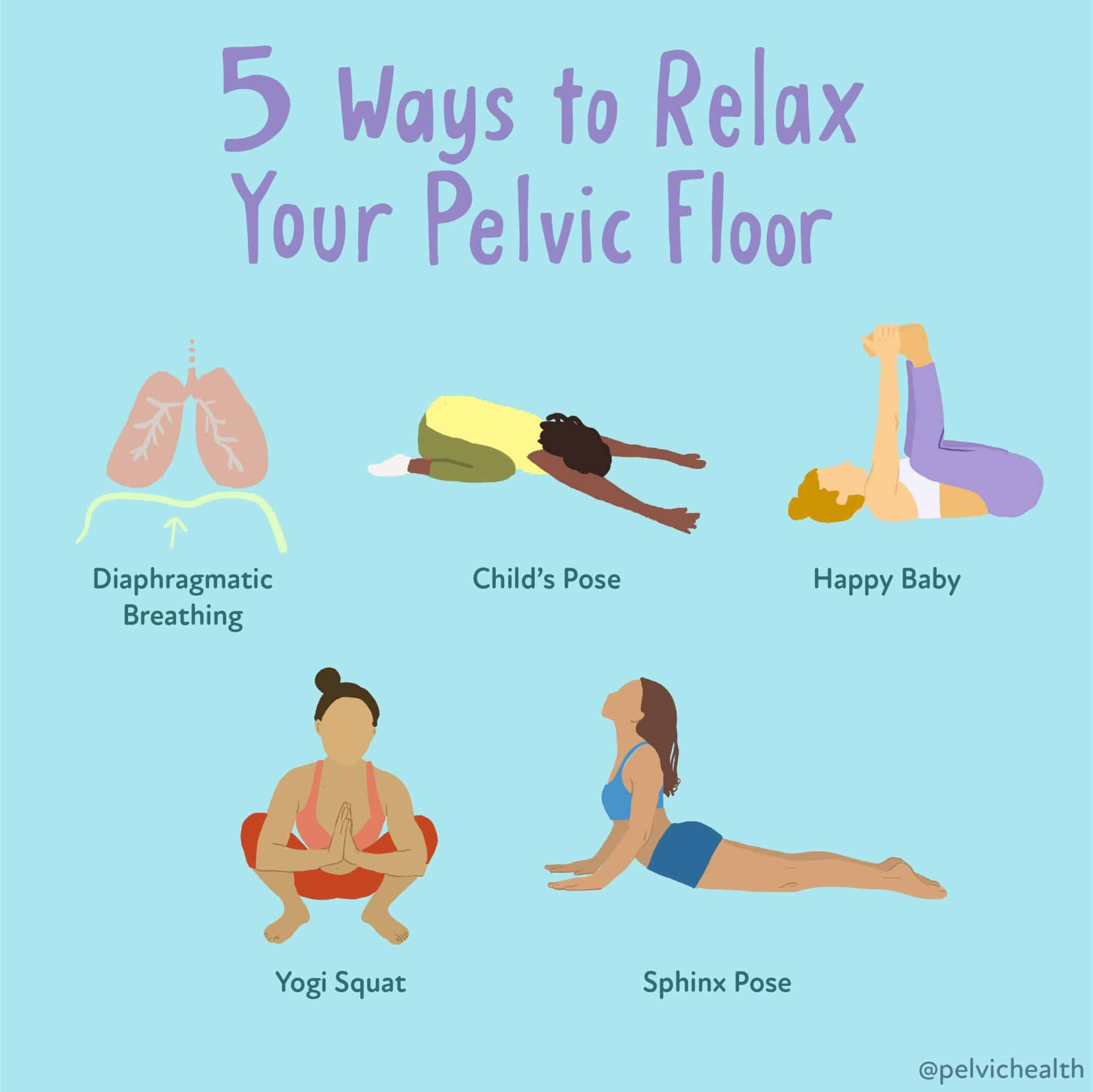
Implementing relaxation strategies can help alleviate muscle tension. Deep breathing exercises, meditation, and progressive muscle relaxation can aid in calming the body and mind, making it easier for the anal sphincter to relax.
Creating a calm and private environment where you feel safe and comfortable can also facilitate relaxation, reducing anxiety-induced tightness.
Gradual Stretching and Preparation
Starting with smaller objects, such as fingers or small anal toys, can help gradually stretch the anal muscles. This progressive approach allows the muscles to acclimate to the sensation of penetration without causing undue strain or discomfort.
Recognizing and respecting your body's pace is crucial. Pushing too quickly can lead to pain and potential injury, hindering future attempts.
Engaging in Sufficient Foreplay
Foreplay can aid in overall body relaxation and increase arousal, which may help in reducing muscle tension. Engaging in activities that promote relaxation and comfort can make the anal area more receptive to penetration.
Positions that allow for control over depth and speed of penetration, such as being on top or lying on your side, can also enhance comfort levels.
Pelvic Floor Exercises
Strengthening and controlling the pelvic floor muscles through dedicated exercises can improve muscle coordination and relaxation. Techniques like diaphragmatic breathing and progressive muscle relaxation can train these muscles to respond appropriately during sexual activities.
Regular practice of such exercises can lead to better management of muscle tension and reduce instances of tightness during penetration.
Medical Consultation
If anal tightness persists despite implementing relaxation and preparation strategies, it is advisable to consult a healthcare professional. A gastroenterologist or pelvic floor specialist can assess underlying conditions such as anal fissures, hemorrhoids, or pelvic floor dysfunction.
Professional guidance can provide tailored treatments, including pelvic floor physical therapy, medications, or other interventions to address the root causes of tightness.
Effective Communication Strategies
Communicating with Your Partner
Open and honest communication with your sexual partner is paramount in addressing discomfort related to anal tightness. Expressing your feelings, concerns, and boundaries can foster a supportive and understanding environment.
Discussing the pace of penetration, preferred positions, and the use of lubrication can enhance mutual comfort and reduce anxiety. Establishing safe words or signals can also ensure that activities proceed at a mutually agreeable pace.
Explaining to Healthcare Professionals
When consulting with healthcare providers, it's essential to describe your symptoms accurately and comprehensively. Explaining the nature of your discomfort, any associated pain, and your experiences during penetration can aid in diagnosis and treatment.
Using clear and non-stigmatizing language helps healthcare professionals understand your situation better and recommend appropriate interventions or therapies.
Educating Yourself and Your Partner
Educating yourself about the anatomy of the anal region, the importance of lubrication, and the psychological factors involved can empower you to take proactive steps in managing tightness.
Sharing this knowledge with your partner can foster empathy and cooperation, making joint efforts to alleviate discomfort more effective.
Preventive Measures and Best Practices
Proper Hygiene
Maintaining good hygiene in the anal area can reduce anxiety related to cleanliness, which is a common concern that can exacerbate muscle tension. Gentle cleaning with water and avoiding harsh soaps can prevent irritation while ensuring comfort.
Using Appropriate Lubricants and Products
Choosing the right lubricants is crucial. Water-based and silicone-based lubricants are generally safe and effective. Avoiding products with irritants or allergens can prevent discomfort and potential allergic reactions.
Taking Breaks and Listening to Your Body
Being attuned to your body's signals is essential. If you experience pain or excessive discomfort, taking breaks and reassessing the situation can prevent injury and promote a more positive experience.
Setting Realistic Expectations
Understanding that discomfort might occur initially and being patient with the process can make the experience less stressful. Setting realistic goals and celebrating small achievements can build confidence and reduce anxiety.
Conclusion
Experiencing anal tightness during penetration is a common concern that arises from a combination of anatomical structures, lack of natural lubrication, psychological factors, and previous medical conditions. Addressing this tightness involves a multifaceted approach that includes proper preparation, effective communication, relaxation techniques, and, when necessary, professional medical consultation.
By understanding the underlying causes and implementing the recommended strategies, individuals can enhance their comfort and well-being during anal activities. Open dialogue with partners and healthcare providers further facilitates a supportive environment where concerns can be addressed collaboratively, ensuring a healthier and more satisfying experience.
References:
If discomfort persists or significantly impacts your well-being, it is crucial to seek personalized advice from a healthcare professional to explore tailored solutions and rule out any underlying medical conditions.
Last updated January 21, 2025