
Analyzing AI-Driven Project Scheduling for Success in Oncology Clinical Trials
Optimizing Late-Phase Oncology Trials Through Advanced AI Scheduling Techniques
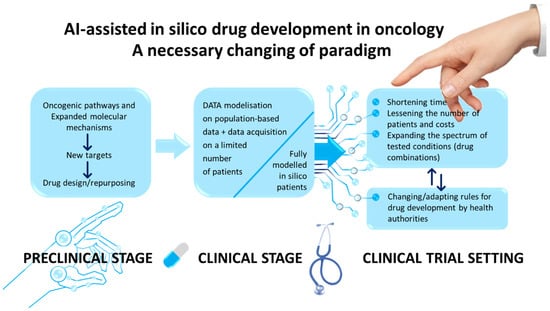
Key Takeaways
- Enhanced Efficiency: AI-driven scheduling significantly reduces trial timelines and improves resource allocation in late-phase oncology studies.
- Improved Recruitment: Advanced machine learning models optimize patient matching, increasing recruitment rates and retention.
- Predictive Analytics: AI tools provide predictive insights that minimize risks and enhance the accuracy of trial outcomes.
Introduction
Clinical trials are pivotal in advancing oncology treatments, particularly during the late development phases where the efficacy and safety of new therapies are rigorously evaluated. However, managing these trials poses significant challenges, including prolonged timelines, high costs, and complex logistics. The integration of Artificial Intelligence (AI) into project scheduling emerges as a transformative solution to address these issues. This research project aims to analyze the impact of AI-driven project scheduling on the success of late-phase oncology clinical trials, focusing on enhancing efficiency, improving patient recruitment, and optimizing resource allocation.
Literature Review
AI in Clinical Trial Scheduling
The application of AI in clinical trial scheduling encompasses various aspects such as site selection, timeline prediction, and resource management. Traditional scheduling methods often rely on historical data and manual adjustments, which can be time-consuming and less adaptable to dynamic trial conditions. AI models, particularly machine learning algorithms, offer the capability to analyze vast datasets, identify patterns, and predict potential delays or bottlenecks in the trial process. Studies have demonstrated that AI can reduce scheduling errors and optimize the sequencing of trial activities, thereby enhancing overall trial efficiency.
Challenges in Oncology Late Development Phase
Oncology late-phase clinical trials, typically encompassing Phase III studies, face unique challenges that necessitate meticulous project scheduling. These trials involve extensive patient recruitment, adherence to stringent regulatory requirements, and the coordination of multi-center sites. High attrition rates, often due to patient dropout or protocol deviations, further complicate the scheduling process. Additionally, the complexity of cancer treatment protocols demands precise timing to ensure the integrity and validity of trial outcomes. Addressing these challenges requires innovative scheduling solutions that can adapt to the multifaceted nature of oncology trials.
Benefits of AI Integration
Integrating AI into project scheduling for oncology clinical trials offers numerous benefits. AI enhances patient-trial matching by analyzing genomic data and eligibility criteria, thereby increasing recruitment efficiency and retention rates. Predictive analytics enable the anticipation of potential delays and resource constraints, allowing for proactive adjustments. Furthermore, AI-driven scheduling facilitates better allocation of resources, ensuring that trials remain within budget and adhere to timelines. The automation of routine scheduling tasks also frees up trial managers to focus on more strategic aspects of trial management, ultimately contributing to higher trial success rates.
Research Objectives
- Evaluate the impact of AI-driven project scheduling on the efficiency and success rates of late-phase oncology clinical trials.
- Identify key factors influencing the effectiveness of AI in trial scheduling, including site selection, patient recruitment, and resource management.
- Compare outcomes of AI-enhanced scheduling with traditional scheduling methods in terms of timeline adherence, cost efficiency, and trial success rates.
- Develop a framework for implementing AI-driven scheduling in oncology clinical trial management.
- Provide recommendations for overcoming challenges associated with AI integration in clinical trial scheduling.
Methodology
Data Collection
The study will collect both quantitative and qualitative data from various sources to ensure a comprehensive analysis. Quantitative data will include historical records of late-phase oncology clinical trials, encompassing timelines, patient recruitment figures, budget allocations, and outcomes. Qualitative data will be gathered through interviews and surveys with clinical trial managers, AI experts, and other stakeholders involved in trial management. This dual approach will provide insights into the practical applications and perceived benefits of AI-driven scheduling, as well as the challenges faced during implementation.
AI Model Development
An AI-based scheduling model will be developed using machine learning techniques such as random forests, gradient boosting machines, and neural networks. The model will incorporate predictive analytics to forecast potential delays, resource constraints, and recruitment challenges. Additionally, simulation models like Monte Carlo simulations will be integrated to assess various scheduling scenarios under different trial conditions. The AI model aims to provide dynamic and adaptable scheduling solutions that can respond to real-time trial data and evolving trial parameters.
Validation and Comparative Analysis
The effectiveness of the AI-driven scheduling model will be validated through a comparative analysis with traditional scheduling methods. This will involve cross-validation techniques using historical trial data to assess the accuracy of AI predictions. Key performance indicators (KPIs) such as timeline adherence, cost efficiency, patient recruitment rates, and trial success rates will be used to measure the impact. Sensitivity analyses will identify the most influential factors affecting trial outcomes, and the AI model will be refined based on these findings to enhance its predictive capabilities.
Timeline
| Phase | Duration | Deliverables |
|---|---|---|
| Literature Review | Months 1-2 | Comprehensive synthesis of existing research on AI in clinical trial scheduling. |
| Data Collection | Months 3-4 | Gather historical trial data and conduct interviews with stakeholders. |
| AI Model Development | Months 5-6 | Develop and integrate predictive scheduling models. |
| Validation and Analysis | Months 7-8 | Validate AI model and perform comparative analysis with traditional methods. |
| Reporting | Months 9-10 | Draft and finalize the research report with findings and recommendations. |
Budget
The estimated budget for this research project encompasses costs associated with data acquisition, AI model development, personnel, and dissemination of findings. Key budget components include:
- Data Acquisition: Subscription fees for accessing clinical trial databases and proprietary datasets.
- Software and Tools: Licensing costs for AI development platforms and simulation software.
- Personnel: Salaries for research assistants, data analysts, and AI specialists.
- Travel and Miscellaneous: Expenses for conducting interviews, attending relevant conferences, and other administrative costs.
Expected Outcomes
The research is anticipated to yield significant insights into the role of AI in enhancing project scheduling for late-phase oncology clinical trials. Expected outcomes include:
-
Demonstrated reduction in trial timelines and improved adherence to schedules through AI-driven scheduling models.
-
Increased patient recruitment and retention rates due to optimized patient-trial matching algorithms.
-
Enhanced resource allocation leading to cost savings and efficient utilization of trial budgets.
-
A validated AI framework that can be adopted by clinical trial managers to streamline scheduling processes.
-
Comprehensive recommendations for overcoming implementation challenges and integrating AI into existing trial management protocols.
Conclusion
The integration of AI into project scheduling represents a promising advancement in the management of late-phase oncology clinical trials. By leveraging AI's predictive capabilities and data-driven insights, clinical trials can achieve higher efficiency, reduced costs, and improved success rates. This research project aims to provide a robust analysis of AI-driven scheduling's impact, offering a framework that can be adopted to enhance the overall effectiveness of oncology clinical trials. The findings will not only contribute to academic literature but also offer practical solutions for clinical trial managers striving to optimize their trial processes in an increasingly complex healthcare landscape.
References
Last updated February 3, 2025