
Current State of Net Stumbler Alternatives on Android for PKID Signal Strength Mapping
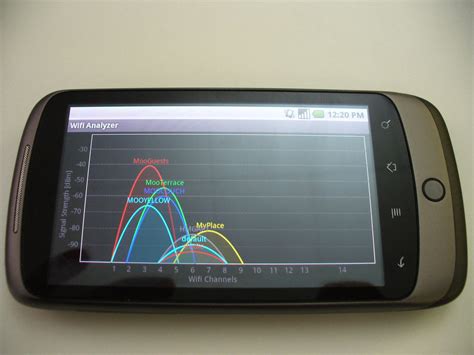
The evolution of wireless networking has necessitated the development of sophisticated tools for analyzing and optimizing Wi-Fi performance. While NetStumbler was once a staple for Windows-based Wi-Fi network discovery and analysis, its relevance has diminished, especially with the advent of more versatile and mobile-friendly applications. As of January 2025, Android users seeking to capture PKID signal strength, perform signal mapping, and conduct comprehensive network analysis have access to a robust selection of both Free and Open-Source Software (FOSS) and proprietary tools. This guide delves into the current landscape, highlighting the top 10 Android applications that rival the functionalities formerly provided by NetStumbler, with a particular emphasis on FOSS options while also acknowledging noteworthy non-free alternatives.
Top 10 Wi-Fi Stumbler Applications for Android
| Application | License | Key Features | Download Link |
|---|---|---|---|
| WiFi Analyzer (VREM) | FOSS |
|
GitHub | Google Play Store |
| NetSpot | Proprietary |
|
Google Play Store |
| Mozilla Stumbler | FOSS |
|
GitHub |
| WiGLE WiFi Wardriving | Closed Source (Free License) |
|
GitHub |
| Fing – Network Tools | Proprietary (Free/Paid) |
|
Google Play Store |
| OpenSignal | Proprietary |
|
Google Play Store |
| WiFi Heatmap | Proprietary |
|
Google Play Store |
| NetX Network Tools | Proprietary (Freemium) |
|
Google Play Store |
| WiFi Explorer Lite | Proprietary |
|
Google Play Store |
| AIDA64 | Proprietary |
|
Google Play Store |
| Packet Capture | FOSS |
|
GitHub |
Key Features to Consider
When selecting a Wi-Fi stumbler application, it's essential to evaluate the following features to ensure the tool meets your specific requirements:
- Signal Strength Measurement: Accurate real-time visualization of signal strength is crucial for effective network analysis and optimization.
- Channel Analysis: Tools that provide insights into channel usage and interference can help in configuring optimal network settings.
- Network Discovery: The ability to detect and list all available wireless networks, including hidden or rogue access points.
- GPS Mapping Capability: Integration with GPS for geotagging networks facilitates comprehensive network mapping and large-scale surveys.
- Signal Graphs Over Time: Monitoring signal strength trends can aid in identifying performance issues and optimizing network stability.
- Heatmap Creation: Visual representations of signal distribution help in pinpointing coverage gaps and planning network expansions.
- Export and Reporting: The ability to export data and generate reports is valuable for documentation and further analysis.
- Security Features: Detection of security vulnerabilities, such as unsecured networks or unauthorized access points.
- User Interface: An intuitive and user-friendly interface enhances the efficiency and ease of conducting network analysis.
FOSS vs. Proprietary: Making the Right Choice
The decision between utilizing FOSS and proprietary tools hinges on several factors, including budget constraints, the necessity for customizable features, community support, and specific use-case requirements.
Free and Open-Source Software (FOSS) Options
FOSS applications offer the advantage of transparency, community-driven development, and often, the flexibility to modify the software to suit individual needs. Key FOSS options include:
-
WiFi Analyzer (VREM): A versatile tool offering comprehensive signal visualization and channel analysis, supported by an active development community.
-
Mozilla Stumbler: Ideal for users interested in contributing to collective data efforts, seamlessly integrating with the Mozilla Location Service.
-
WiGLE WiFi Wardriving: Facilitates global mapping of Wi-Fi networks, fostering a community-driven database of wireless networks.
-
Packet Capture: Essential for detailed network traffic analysis, offering advanced packet capturing and SSL decryption capabilities.
Proprietary and Commercial Options
Proprietary applications often provide polished user experiences, advanced features, and dedicated customer support. Notable proprietary options include:
- NetSpot: Preferred by professionals for its advanced heatmapping and large-scale survey capabilities.
- Fing – Network Tools: Renowned for its device discovery features and network security insights.
- OpenSignal: Specializes in both Wi-Fi and cellular network analysis, offering comprehensive coverage maps and performance metrics.
- AIDA64: Combines system information with network analysis, ideal for users seeking detailed hardware and network diagnostics.
Conclusion
The Android ecosystem in 2025 presents a sophisticated array of tools for Wi-Fi network analysis and PKID signal strength mapping, surpassing the functionalities once offered by NetStumbler. Whether you prioritize open-source solutions that offer flexibility and community support or prefer proprietary applications with advanced features and user-friendly interfaces, there is a suitable option available to meet diverse networking needs. Applications like WiFi Analyzer (VREM) and Mozilla Stumbler exemplify the strength of FOSS alternatives, while tools such as NetSpot and Fing provide robust proprietary solutions for professional and advanced users. By carefully evaluating the key features and aligning them with your specific requirements, you can select the most effective tool to optimize your wireless network performance and ensure reliable connectivity.
Last updated January 8, 2025