
Exploring the Intricacies of Intraspecific Animal Communication
Delve into the diverse ways animals share vital information within their species
Key Highlights
- Auditory Communication: Encompasses vocalizations such as calls, howls, and songs to relay warnings, locate members, and attract mates.
- Visual Communication: Involves body language, gestures, and color changes that express emotions, dominance, or mating signals.
- Chemical and Tactile Communication: Uses pheromones, scent marking, and physical contact to maintain social bonds and communicate territory or danger.
Overview
Within the animal kingdom, the ability of members of the same species to communicate is fundamental for survival, social bonding, establishing hierarchies, and coordinating group behaviors. Animals utilize a range of sensory modalities—auditory, visual, chemical, and tactile—to share information with one another. In this comprehensive overview, we will delve into three primary modes of communication: auditory, visual, and chemical/tactile. Each method supports crucial functions such as signaling danger, coordinating group activities, and facilitating mating behaviors, thereby enhancing the overall fitness and adaptability of species.
Modes of Intraspecific Communication
1. Auditory Communication
Auditory communication refers to the exchange of information through sound. This method is particularly advantageous in environments where visual contact is limited, such as dense forests or nocturnal settings. Animals that rely on auditory signals benefit from the ability to transmit messages over long distances. The sounds produced—ranging from vocalizations to complex calls—carry essential information that can include alerts, mating calls, territorial warnings, and coordination of group movements.
Examples and Details
Wolves: In a pack, wolves use howling as a means to communicate their location, rally pack members, and deter intruders. Their howls serve multiple purposes: they maintain group cohesion across vast distances and reinforce social bonds.
Birds: Songbirds are a classic example, where vocalizations are used to establish territory, attract potential mates, and ward off rivals. Each species often has its unique song pattern, which helps in recognizing individuals from the same species. The musical quality of these calls not only facilitates mating rituals but also aids in teaching younger birds essential survival skills.
Dolphins and Elephants: Marine mammals like dolphins use clicks and whistles to navigate, hunt, and socialize, whereas elephants use low-frequency infrasounds to communicate over long distances.
2. Visual Communication
Visual communication involves the use of body movements, gestures, and other physical visual signs. This form of communication is especially prevalent in species that are active during daylight hours or in open environments where visibility is high. Visual cues can effortlessly signal emotion, intent, and social status among individuals.
Examples and Details
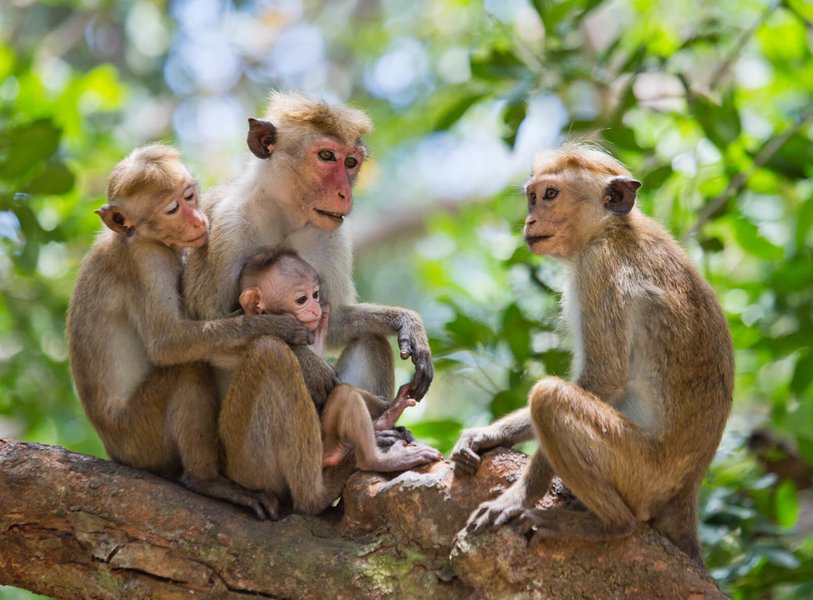
Body Language in Primates: Many primate species display a rich array of body language including facial expressions, postures, and even grooming behavior. For instance, when a subordinate primate gestures an appeasement behavior towards a dominant individual, it often signals non-aggression thereby lending to the maintenance of social order.
Color Change in Cephalopods: Species such as cuttlefish and octopuses are adept at rapidly changing the color and patterns on their skin. These dynamic displays can serve multiple purposes such as camouflage, intimidation during confrontations, or attracting mates.
Display Behavior in Birds: Peacocks, for example, display their vibrant tail feathers during courtship rituals to impress potential mates. Similarly, several species of birds use wing-fluttering and posturing to communicate territorial claims or signal readiness for mating.
3. Chemical and Tactile Communication
Chemical and tactile communication are forms based on the use of chemical signals (pheromones) and physical touch. These forms of communication are essential in environments where auditory and visual signals might be less effective due to environmental disturbances. Scent marking, for instance, is commonly used to define territory, while tactile communication reinforces social bonds through direct contact.
Examples and Details
Chemical Communication (Pheromones):
Many mammals and insects utilize pheromones to relay complex information. For example, ants use chemical trails to inform other colony members about the location of food. Similarly, dogs and cats employ scent marking via urine or specialized glands to delineate territory and signal reproductive status.
Tactile Communication:
This involves physical interactions such as grooming, nuzzling, or even gentle nudges. In primates, grooming is not only an act of cleanliness but also a critical behavior for building trust and reinforcing social structures. In herd animals like horses or cows, mutual touching can also play a role in establishing hierarchies and calming anxious group members.
Comparative Analysis Table
The table below offers a summary of the communication methods used by animals of the same species, highlighting the key characteristics, functions, and illustrative examples for each.
| Type of Communication | Key Characteristics | Functions | Examples |
|---|---|---|---|
| Auditory | Sound-based signals, vocalizations, calls | Attract mates, signal danger, coordinate activities | Wolves howling; Bird songs; Dolphin clicks |
| Visual | Body movements, facial expressions, color changes | Display dominance, facilitate mating rituals, reinforce social bonds | Primate gestures; Peafowl tail displays; Cuttlefish color changes |
| Chemical/Tactile | Pheromones, scent marking, physical contact | Mark territories, signal reproductive status, build social bonds | Ant pheromone trails; Dog urine marking; Primate grooming |
Visual Data Representation: Radar Chart
The following radar chart illustrates our analysis of the relative importance and complexity of intraspecific communication methods among animals. The chart includes multiple datasets to represent the diversity in communication strategies:
Embedded Video Resource
The video below offers an engaging exploration of animal communication, demonstrating real-life examples of how species interact with one another using diverse signals:
Frequently Asked Questions (FAQ)
What is intraspecific communication?
Intraspecific communication is the process through which members of the same species exchange information using various signals such as sounds, visuals, chemical markers, and physical touch. This communication is essential for survival tasks such as coordinating group activities, establishing social hierarchies, and finding mates.
How do animals use auditory signals?
Animals use auditory signals such as calls, howls, and songs to convey messages over long distances. These signals facilitate mate attraction, territorial defense, coordination within groups, and warning others of potential predators or dangers in the environment.
How does visual communication differ from auditory communication?
Visual communication typically involves physical gestures, body language, and direct visual signals like color changes or displays. Unlike auditory signals which can reach observers over long distances, visual signals often require close proximity but can provide detailed context about the sender's emotional state, intent, or physical condition.
What are the roles of chemical and tactile signals?
Chemical signals, such as pheromones and scent markings, are often used to mark territories, signal reproductive status, and warn other individuals of danger. Tactile signals, including grooming and gentle touches, are essential for building trust and reinforcing social bonds within a group or family unit.
References
- Animal Communication - Britannica
- Animal Communication - Wikipedia
- Animal Communication Types - The Animal Care
- Science Behind Animal Communication - Times of India
- Discussion on Animal Communication - Physics Forums
Recommended Related Queries
Last updated April 3, 2025