
Classification of Phylum Annelida
An In-Depth Analysis of Segmented Worms and Their Diversity
Key Highlights
- Segmentation and Structural Adaptations: Annelids exhibit metameric segmentation that enables specialization and flexibility.
- Diverse Classes and Morphologies: Major classes include Polychaeta, Oligochaeta, Hirudinea, and Archiannelida, each with distinct structural and ecological traits.
- Ecological and Functional Roles: Members of this phylum play essential roles in soil health, aquatic ecosystems, and even medical applications.
Introduction
The phylum Annelida represents a diverse group of segmented worms that display remarkable adaptations and occupy various ecological niches. Known for their metameric segmented bodies, these organisms are triploblastic, bilaterally symmetrical, and possess a well-defined coelom. The segmentation not only aids in flexibility and movement but also allows the specialization of body regions, which contributes significantly to the variety of functions and habitats in which annelids thrive. This comprehensive analysis covers the classification of Phylum Annelida, detailing its characters and providing suitable examples for each class.
General Characteristics of Annelids
All annelids share several essential features that define the phylum:
- Body Segmentation: The body is divided into repeated segments, each containing similar sets of organs, though functional specialization across segments is common. This segmentation is visible externally in the form of grooves and internally as septa.
- Coelom: Annelids possess a true coelom, a body cavity that houses organs and provides structural support.
- Closed Circulatory System: Many annelids have a well-developed circulatory system where blood circulates within vessels.
- Complete Digestive System: Their alimentary canal runs from the mouth to the anus, ensuring efficient digestion and nutrient absorption.
- Nervous System: They exhibit a centralized nervous system with a brain (cerebral ganglia) and a ventral nerve cord, which coordinates complex movements.
- Excretory Organs: Nephridia serve as excretory organs, maintaining the ionic and water balance within the body.
- Reproductive Modes: Annelids can reproduce both sexually and asexually. Many possess sophisticated reproductive structures such as the clitellum in Oligochaeta.
Detailed Classification and Characteristics
1. Class Polychaeta
Morphological Features
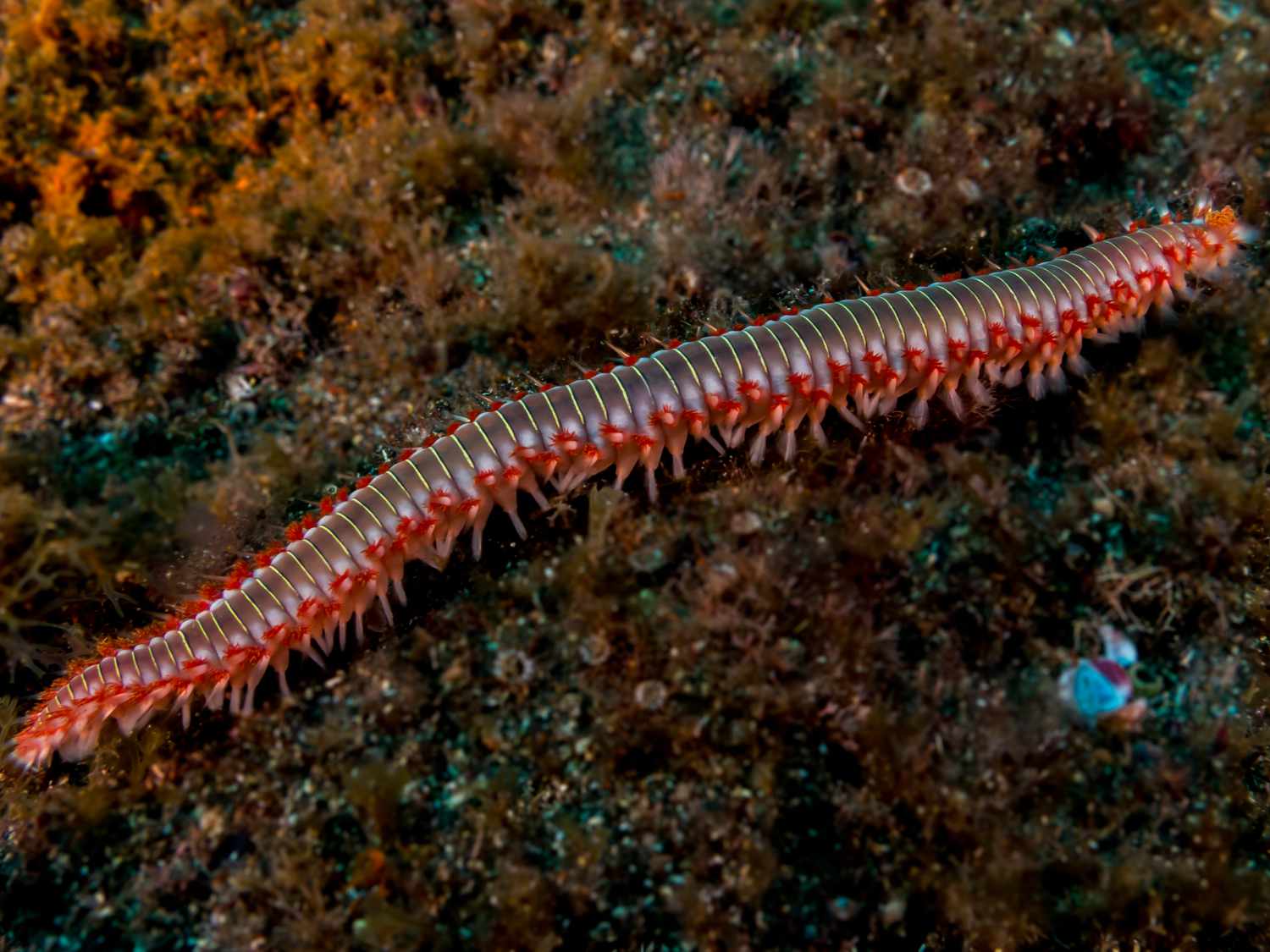
The class Polychaeta is predominantly composed of marine annelids known for their well-defined segmentation and a high degree of morphological specialization. Members of this class exhibit the following features:
- Numerous Setae: Polychaetes are characterized by the presence of bristle-like structures called setae, which aid in locomotion and provide sensory functions.
- Parapodia: These are paired, fleshy protrusions arising from each segment, functioning as both locomotive and respiratory structures. They enhance mobility and increase the surface area for gas exchange.
- Distinct Head Region: Most polychaetes have a well-defined head with specialized sensory appendages such as tentacles and palps, improving their ability to sense the environment and capture food.
- Segmentation and Appendage Variation: The segmentation in polychaetes is highly developed, with each segment often containing modified appendages that are adapted to specific ecological niches.
Reproduction and Development
Polychaetes are generally dioecious, meaning individuals are distinctly male or female. They undergo external fertilization, and most possess a larval stage known as the trochophore, which is free-swimming and aids in dispersal before settling into their adult form.
Examples
Common examples of polychaetes include:
- Nereis: Commonly referred to as ragworms or sandworms, these play a vital role in marine ecosystems as both predators and detritivores.
- Aphrodite: Also known as the sea mouse, notable for its unique appearance and behavior adapted to sandy substrates.
- Chaetopterus: Known as paddle worms, these species are recognized for their specialized feeding and burrowing habits.
- Sabella: The peacock worm, famous for its feathery branchial crown used for filter feeding.
- Arenicola: Commonly known as lugworms, they are important indicators of sediment health in coastal regions.
2. Class Oligochaeta
Morphological Features
Oligochaetes include both terrestrial and freshwater annelids, among which the earthworms are the most well-known. Their defining features include:
- Simplified Body Structure: Unlike polychaetes, oligochaetes lack parapodia, and their bodies are relatively uniform across the segments.
- Reduced Setae: They have fewer and shorter setae, which are arranged in bundles, aiding in movement through soil and sediment.
- Clitellum Presence: A key feature in mature individuals is the clitellum, a thickened, glandular section of the body that secretes a mucus cocoon for reproduction.
Reproduction and Development
Oligochaetes are hermaphroditic, meaning each individual contains both male and female reproductive organs. During mating, they exchange sperm, and the fertilized eggs are enclosed within a mucus cocoon. Their development is direct, lacking a free-swimming larval stage, which allows them to adapt reliably to soil and freshwater habitats.
Examples
Well-known examples in this class include:
- Lumbricus terrestris: The common earthworm, pivotal to soil aeration and nutrient cycling. It is widely recognized for its ecological benefits in agriculture.
- Pheretima: Often referred to as tropical earthworms, these are instrumental in decomposing organic matter and maintaining soil structure in warmer climates.
- Tubifex: Also known as sludge worms, typically found in freshwater sediments, where they play an important role in the breakdown of organic material.
3. Class Hirudinea
Morphological Features
Leeches belong to the class Hirudinea, distinguished by notable adaptations suited for a parasitic or predatory lifestyle. Their key structural features include:
- Dorsoventrally Flattened Body: Leeches possess a body that is compressed dorsoventrally, which facilitates movement and enables them to attach to hosts effectively.
- Sucker Formation: They exhibit a pair of suckers, one at the anterior end and one at the posterior end. These specialized structures aid in locomotion and attachment, particularly during blood-sucking.
- Absence of Setae and Parapodia: Unlike their polychaete relatives, leeches lack setae and parapodia, which is consistent with their unique mode of life.
Reproduction and Development
Leeches are predominantly hermaphroditic, which allows them to potentially maximize reproductive output by combining genetic material from two individuals. Their reproductive process is characterized by internal fertilization and direct development, bypassing any free-living larval stage. This adaptation is particularly significant in their often parasitic life cycles.
Examples
Notable examples include:
- Hirudo medicinalis: Commonly known as the medicinal leech, historically utilized in medical therapies such as bloodletting and modern microsurgery for its anticoagulant properties.
- Hirudinaria: These are bloodsucking leeches found in varied environments, from freshwater to terrestrial, showcasing their adaptability and specialized feeding behavior.
- Haemadipsa: Often referred to as land leeches, found primarily in humid forested environments, contributing to ecosystem dynamics by preying on small animals.
4. Class Archiannelida
Morphological Features
The class Archiannelida comprises small, often overlooked marine annelids that lack many of the complex structures seen in other classes. The defining features in this group include:
- Simplified Body Structure: These organisms have a more basic segmentation with reduced or absent setae and parapodia, which suggests an early divergence in annelid evolution.
- Small Size and Elongated Shape: Archiannelids are typically minute in size and inhabit interstitial spaces in marine sediments or worm burrows.
- Primitive Characteristics: Their simplified morphology may resemble the ancestral condition of annelids, featuring minimal differentiation among segments.
Reproduction and Development
Reproductive strategies in Archiannelida range from unisexual to hermaphroditic modes. Their reproductive mechanisms are less conspicuous than in the other classes, yet they maintain direct development, which is advantageous in stable, protected marine sediment environments.
Examples
Examples include:
- Polygordius: Often found in coastal invertebrate communities, representing the less specialized but evolutionarily significant members of the phylum.
- Protodrilus: A genus that exemplifies the basic body plan and reduced segmentation characteristic of Archiannelida, contributing to the understanding of annelid evolution.
Comparative Overview Table
The table below summarizes the key features, habitats, and examples across the major classes within Phylum Annelida:
| Class | Key Characteristics | Habitat | Examples |
|---|---|---|---|
| Polychaeta | Numerous setae, well-developed parapodia, distinct head with sensory appendages | Mainly marine (some freshwater/terrestrial) | Nereis, Aphrodite, Chaetopterus, Sabella, Arenicola |
| Oligochaeta | Reduced setae, no parapodia, presence of clitellum | Terrestrial and freshwater | Lumbricus terrestris, Pheretima, Tubifex |
| Hirudinea | Dorsoventrally flattened, anterior & posterior suckers, no setae or parapodia | Freshwater, marine, terrestrial (parasitic) | Hirudo medicinalis, Hirudinaria, Haemadipsa |
| Archiannelida | Simplified segmentation, reduced appendages, primitive characteristics | Marine, interstitial sediments | Polygordius, Protodrilus |
Ecological Significance and Adaptations
Members of Phylum Annelida play a critical role in maintaining the ecological balance in their diverse habitats. Their presence and activities contribute to:
Soil Health and Aeration
Terrestrial annelids, particularly earthworms in the class Oligochaeta, are key agents in soil ecosystems. By ingesting organic matter and soil, they facilitate the decomposition and recycling of nutrients. Their burrowing activity aerates the soil, improving water infiltration and root penetration, which is vital for plant growth and agricultural productivity.
Aquatic Ecosystem Dynamics
Marine polychaetes and oligochaetes, such as Tubifex, are integral to aquatic food webs. They act as both predators and decomposers, controlling microbial populations and recycling nutrients within sediments. Their presence also supports higher trophic levels, including fish and marine mammals, which depend on them as a food source.
Medical and Research Applications
Leeches, belonging to the class Hirudinea, have found a place in modern medicine. The anticoagulant properties found in their saliva have led to their use in microsurgery and reconstructive procedures. Their controlled application in medical treatments allows for improved blood circulation and wound healing when used in specialized clinical settings.
Historical and Evolutionary Perspectives
The evolutionary history of annelids provides insights into early animal evolution. The segmentation seen in this phylum is considered a key innovation that allowed for enhanced mobility, flexibility, and specialization. Fossil records, alongside molecular studies, suggest that annelids may represent one of the earliest groups exhibiting complex body organization among invertebrates. The diverse adaptations observed in modern annelids—from the sessile, tube-dwelling forms to the more active free-living specimens—are reflective of millions of years of evolutionary refinement and environmental interactions.
Additional Functional and Environmental Attributes
Beyond their easily observable morphological traits, annelids display several subtle yet important functional characteristics:
- Circulatory Mechanisms: The closed circulatory system present in many annelids allows for efficient distribution of nutrients and oxygen, which is particularly important in larger species or those with high metabolic demands.
- Nervous Coordination: The centralized and segmentally arranged nervous system in these organisms supports complex behaviors, from precise movement in polychaetes to the coordinated feeding strategies in leeches.
- Reproductive Versatility: The dual modes of reproduction—sexual and asexual—provide annelids with flexible reproductive strategies that can be advantageous in varying environmental conditions, ensuring survival and colonization of new habitats.
This functional versatility enables annelids to adapt not only to a wide range of habitats but also to different ecological pressures, making them a fascinating study subject for evolutionary biologists and ecologists alike.
Concluding Analysis and Final Thoughts
Phylum Annelida is a vibrant and ecologically significant group of organisms characterized by their segmented body plans, which have enabled a wide range of evolutionary adaptations. The detailed classification into classes such as Polychaeta, Oligochaeta, Hirudinea, and Archiannelida reflects the immense diversity in both form and function observed within this phylum. Polychaetes, with their numerous setae and parapodia, are exemplary models of marine adaptation while showcasing complex larval development. In contrast, oligochaetes, dominated by the ubiquitous earthworms, are recognized for their crucial role in soil ecosystems through nutrient recycling and aeration. Leeches, representing the class Hirudinea, highlight the specialized adaptations for parasitism and have been ingeniously repurposed for medical therapies. Lastly, Archiannelida provides valuable insights into ancestral morphological traits, suggesting an evolutionary continuum that links the simplest forms to the highly derived specialized types of annelids seen today.
These segmented worms are far more than just simple invertebrates; they are key actors in both terrestrial and aquatic ecosystems. Their adaptive strategies, ranging from sophisticated reproductive methods to complex circulatory systems, illustrate a balance between ancient evolutionary heritage and modern environmental demands. As research continues in molecular biology and genomics, our understanding of the phylogenetic relationships within this phylum is likely to be refined further, opening new avenues for understanding biodiversity and evolutionary biology.
In summary, the comprehensive study of Phylum Annelida not only enhances our knowledge of invertebrate zoology but also has practical implications for agriculture, ecosystem management, and biomedical research. The integration of fossil data, molecular insights, and detailed morphological studies presents a rich tapestry that underscores the importance of annelids in the natural world. Their continued study promises not only to illuminate the past of metazoan evolution but also to inform contemporary efforts in conservation and sustainable resource management.
References
- Phylum Annelida: General Characteristics and Classification - Online Biology Notes
- Phylum Annelida: Characteristics, Classification & Examples - Embibe
- Phylum Annelida: Habitat, Features and Classification - Biology Discussion
- Phylum Annelida - Characteristics and Classification - Microbe Notes
- Phylum Annelida - Definition, Characteristics, Classification, Examples - Biology Notes Online
Recommended Queries for Further Exploration
Last updated February 25, 2025