
Beyond the Stethoscope: Unpacking What a "Normal" Annual Physical Exam Truly Entails
If your recent annual exam felt surprisingly brief, focusing solely on your lungs, let's explore the typical components of a comprehensive check-up.
Understanding what a standard annual physical exam involves is crucial for proactive health management. While listening to your lungs (auscultation) is an important diagnostic step, a comprehensive annual exam typically covers a much broader scope to assess your overall well-being. If your recent experience with your GP involved only a lung check, it might have been a focused assessment rather than a complete annual physical.
Key Insights: What to Expect from Your Annual Check-up
- Comprehensive Scope: A typical annual physical exam involves a review of your medical history, vital signs check, a multi-system physical examination, and discussions about preventive screenings and immunizations.
- More Than Lungs: While auscultation of the lungs is a standard component, it's usually one part of a larger assessment that includes examining the heart, abdomen, head and neck, and other systems.
- Focused vs. Full Exam: An exam limited to one area, like the lungs, might be a focused assessment for a specific concern or follow-up, rather than a complete annual physical intended for broad preventive care.
Defining the Annual Physical Exam
An annual physical exam, often referred to as a routine physical, yearly check-up, or periodic health evaluation, is a preventive healthcare visit. Its primary goals are to assess your overall health status, identify potential health issues in their early stages, update immunizations, screen for common diseases, and provide counseling on healthy lifestyle choices. This proactive approach helps in managing health risks and fostering a strong doctor-patient relationship.

A doctor discussing health with a patient, a key component of an annual physical exam.
Core Components of a Comprehensive Annual Physical Exam
While the specifics can be tailored to an individual's age, sex, and health history, a standard annual physical exam generally includes several key components. If your exam only involved listening to your lungs, it likely did not cover all these essential areas.
1. Medical History Review
Understanding Your Health Journey
This is a cornerstone of the annual exam. Your doctor will typically discuss:
- Personal Medical History: Any past illnesses, surgeries, or chronic conditions.
- Family Medical History: Health conditions prevalent in your family, which might indicate genetic predispositions.
- Current Medications and Allergies: A review of all medications (prescription, over-the-counter, supplements) and known allergies.
- Lifestyle Factors: Habits related to diet, exercise, sleep, stress management, smoking, alcohol consumption, and recreational drug use.
- Current Symptoms or Concerns: Any new health issues or questions you might have.
2. Vital Signs Assessment
The Basic Health Indicators
Measuring vital signs provides a snapshot of your body's basic functions. This typically includes:
- Blood Pressure: To check for hypertension or hypotension.
- Heart Rate (Pulse): To assess heart rhythm and rate.
- Respiratory Rate: The number of breaths per minute.
- Temperature: To check for fever or hypothermia.
- Weight and Height: Used to calculate Body Mass Index (BMI) and monitor changes.
- Oxygen Saturation (sometimes): To measure the oxygen level in your blood.
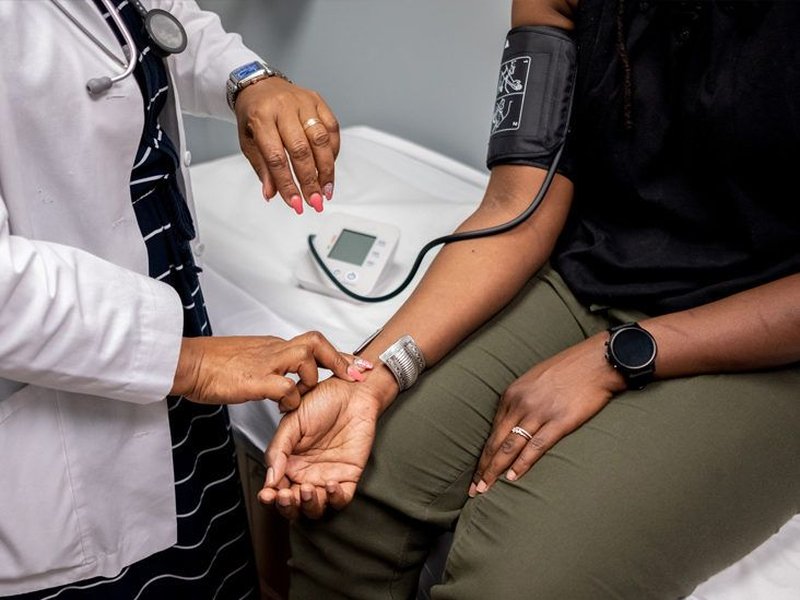
Measuring blood pressure is a standard part of checking vital signs.
3. Comprehensive Physical Examination
A Head-to-Toe Evaluation
This is a hands-on assessment where the doctor examines different parts of your body. While listening to your lungs (auscultation) is a critical part of the respiratory exam, it's usually integrated into a broader examination:
- General Appearance: Observing overall health, alertness, and any visible signs of illness.
- Head and Neck Exam: Inspecting the eyes, ears, nose, throat, sinuses, lymph nodes, thyroid gland, and carotid arteries.
- Heart Exam: Listening to heart sounds with a stethoscope to detect abnormal rhythms, murmurs, or other signs of heart disease.
- Lung Exam: This involves auscultation (listening to breath sounds for wheezes, crackles, or diminished sounds), and sometimes percussion (tapping the chest) and observation of breathing patterns. While you experienced auscultation, a full lung exam can be more involved.
- Abdominal Exam: Palpating (feeling) and listening to the abdomen to check for tenderness, organ enlargement (liver, spleen), masses, or abnormal bowel sounds.
- Skin Exam: Checking for suspicious moles, rashes, or other skin abnormalities.
- Neurological Screening: Basic assessment of reflexes, muscle strength, sensation, balance, and mental status.
- Musculoskeletal Assessment: Checking joints, bones, and muscles for abnormalities, pain, or limitations in movement, if indicated.
- Gender-Specific Exams: Depending on age and risk factors, this may include a breast exam and pelvic exam for women, and a testicular, prostate, and hernia exam for men.
This video provides an overview of what to expect during a routine physical exam and highlights its importance for overall health.
4. Preventive Screenings and Laboratory Tests
Early Detection and Risk Assessment
Based on your age, gender, family history, and risk factors, your doctor may recommend or perform various screenings and lab tests:
- Blood Tests: Common tests include a complete blood count (CBC), cholesterol panel (lipid profile), blood glucose levels (to screen for diabetes), and kidney and liver function tests.
- Cancer Screenings: Such as mammograms (for breast cancer), Pap smears (for cervical cancer), colonoscopies (for colorectal cancer), or PSA tests (for prostate cancer).
- Infectious Disease Screening: Tests for conditions like HIV, hepatitis C, or sexually transmitted infections (STIs), based on risk factors.
- Mental Health Screening: Questionnaires or discussions to screen for depression, anxiety, or other mental health conditions.
5. Immunizations and Preventive Counseling
Staying Protected and Informed
An annual exam is an opportune time to:
- Update Vaccinations: Ensure you are up-to-date with recommended immunizations like flu shots, tetanus boosters, pneumonia, or shingles vaccines.
- Discuss Health Promotion: Receive counseling on diet, exercise, smoking cessation, safe alcohol use, stress management, and injury prevention.
- Address Concerns: Ask questions and discuss any health concerns you may have.
Focused Lung Check vs. Comprehensive Annual Physical
The following chart illustrates the difference in scope and focus between a targeted lung examination and a full annual physical exam. A comprehensive annual exam aims for a holistic assessment, while a focused exam zeros in on a specific system or complaint.
As the chart indicates, a comprehensive annual physical exam scores higher across multiple dimensions, reflecting its broader purpose in preventive healthcare compared to a more narrowly defined focused lung examination.
So, Was Your Exam "Normal" for an Annual Physical?
Based on standard medical practices, an annual physical exam that only involves listening to your lungs would generally not be considered a complete or "normal" annual physical. While auscultation of the lungs is a vital component of assessing respiratory health and is always included, it represents just one piece of a much larger puzzle.
A comprehensive annual physical exam is designed to be a holistic review of your health. If your GP only listened to your lungs, it might indicate:
- A Focused Exam: Perhaps you mentioned a respiratory symptom (like a cough or shortness of breath), or it was a follow-up for a known lung issue. In such cases, the doctor might perform a focused exam tailored to that specific concern.
- Time Constraints: In some busy practice settings, the scope of an exam might be unintentionally limited.
- Misunderstanding of Purpose: There might have been a miscommunication about the type of appointment scheduled (e.g., a brief check-up vs. a full annual physical).
- Part of a Series: Less commonly, some doctors might break down a full physical into multiple shorter visits, addressing different systems at different times, though this is not standard for an "annual physical."
The mindmap below illustrates the multifaceted nature of a comprehensive annual physical exam, showing how various components interrelate to provide a complete health assessment.
This mindmap visually represents the interconnected components that typically form a thorough annual physical, highlighting that a lung exam is one branch among many.
Comparing Focused vs. Comprehensive Exams
To further clarify, the table below outlines key differences between a focused examination (like a lung-only check) and a comprehensive annual physical exam.
| Feature | Focused Examination (e.g., Lungs Only) | Comprehensive Annual Physical Exam |
|---|---|---|
| Primary Goal | Address a specific symptom, condition, or follow-up on a known issue. | Overall health assessment, disease prevention, early detection, health promotion. |
| Scope | Limited to one or a few body systems related to the specific concern. | Broad, multi-system review (head-to-toe). |
| Medical History Review | May be brief and targeted to the current complaint. | Detailed review of personal, family, social history, medications, and lifestyle. |
| Vital Signs | May check relevant vitals (e.g., respiratory rate for lung exam), but not always a full set. | Comprehensive check of all standard vital signs. |
| Physical Assessment | In-depth examination of the specific area of concern (e.g., detailed lung auscultation). | Systematic examination of multiple body systems (heart, lungs, abdomen, neurological, skin, etc.). |
| Screenings & Lab Tests | Usually not included unless directly related to the specific complaint. | Often includes age and risk-appropriate screenings and lab tests. |
| Preventive Counseling | Minimal or focused on the specific issue. | Integral component, covering various lifestyle and health maintenance topics. |
| Typical Duration | Shorter. | Longer, more thorough. |

Auscultation of the lungs is an important diagnostic technique, forming part of both focused respiratory exams and comprehensive physicals.
What You Can Do
If you believe you were scheduled for a full annual physical exam but only received a lung check, it's perfectly reasonable to seek clarification from your GP. Consider the following steps:
- Communicate Your Expectations: Contact your GP's office to explain that you were expecting a comprehensive annual physical and would like to understand why the exam was limited.
- Request a Full Exam: If necessary, schedule a follow-up appointment to ensure all components of an annual physical are covered. You can specifically request a "complete annual physical examination."
- Prepare for Your Next Visit: For future annual exams, prepare a list of any questions or concerns you have, and be clear about your expectation for a comprehensive check-up.
Frequently Asked Questions (FAQ)
What is auscultation?
Auscultation is the medical term for listening to the internal sounds of the body, usually using a stethoscope. It's commonly used to examine the heart, lungs, and abdomen to detect normal and abnormal sounds.
How often should I get an annual physical exam?
Generally, it's recommended for adults to have an annual physical exam. However, the frequency can vary based on your age, overall health, and risk factors for certain diseases. Your doctor can advise on the best schedule for you.
What should I do to prepare for a comprehensive annual physical exam?
To prepare, make a list of any health concerns or questions you have. Gather information about your personal and family medical history, a list of current medications (including supplements and over-the-counter drugs), and any allergies. Be ready to discuss your lifestyle habits. If fasting is required for blood tests, your doctor's office will inform you beforehand.
Can an annual physical exam detect serious diseases?
Yes, one of the primary purposes of an annual physical is early detection. Screenings and examinations can help identify signs of conditions like heart disease, diabetes, hypertension, and certain cancers at an early stage when they are often more treatable.
Recommended Further Exploration
- What specific questions should I ask my doctor during an annual physical exam?
- How do age and gender affect the components of an annual physical exam?
- What are common preventive screenings recommended for adults?
- Understanding the difference between a wellness visit and a problem-focused doctor's appointment.
References
Last updated May 18, 2025