
Creating a Comprehensive Annual Planner for Trips and Dining
Ensure seamless weekends with well-organized trips and dining experiences
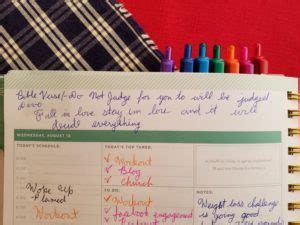
Key Takeaways
- Structured Scheduling: Organize trips and dinners in advance to minimize last-minute stress.
- Flexibility: Incorporate buffer times and backup plans to accommodate unexpected changes.
- Personalization: Tailor the planner to include shared goals and preferences for a more enjoyable experience.
1. Choosing the Right Planner Format
Physical vs. Digital Planners
Selecting the appropriate format for your annual planner is crucial. Both physical and digital planners have their advantages:
- Physical Planners:
- Provide a tangible way to visualize your schedule.
- Can be personalized with stickers, photos, and handwritten notes.
- Popular options include bullet journals, calendar notebooks, and pre-designed annual planners.
- Encourage consistent daily engagement and mindfulness.
- Digital Planners:
- Offer flexibility and ease of editing.
- Can be accessed from multiple devices and easily shared between partners.
- Tools like Notion, Google Calendar, and specialized planning apps provide robust functionalities.
- Integrate seamlessly with other digital tools and reminders.
Hybrid Approach
A combination of physical and digital planners can leverage the strengths of both. For instance, use a digital calendar for immediate scheduling and a physical planner for detailed planning sessions and creative input. This dual approach ensures you have both the flexibility of digital tools and the tactile satisfaction of a physical planner.
2. Structuring Your Annual Framework
Categorizing Key Areas
Divide your planner into distinct categories to ensure comprehensive coverage of all areas:
- Travel and Trips: Include major vacations, weekend getaways, and any special events. Categorize them by type (e.g., adventure, relaxation) to balance your experiences throughout the year.
- Dining Experiences: List desired restaurants and culinary events to explore. Categorize them by cuisine, location, or occasion to streamline planning.
- Special Events and Celebrations: Mark important dates like birthdays, anniversaries, and holidays. Include cultural or community events that you wish to attend together.
- Regular Date Nights: Schedule consistent date nights to maintain a balanced and healthy relationship. Vary the types of dates to keep things exciting.
Quarterly Milestones
Organize the year into quarters to better plan and allocate activities based on seasonal factors and personal schedules:
- Q1 (January - March): Focus on winter retreats, indoor dining experiences, and setting the tone for the year with goal-setting sessions.
- Q2 (April - June): Plan spring break trips, outdoor dining options, and participate in seasonal festivals or garden tours.
- Q3 (July - September): Schedule summer vacations, beach trips, and explore diverse outdoor dining venues such as rooftop restaurants and picnic spots.
- Q4 (October - December): Arrange autumn getaways, holiday-themed dinners, and end-of-year celebrations, ensuring a festive and reflective close to the year.
Incorporating Shared Goals
Integrate personal and shared goals into your planner to ensure a balanced approach to work, leisure, and personal development:
- Health and Fitness: Schedule regular workouts or outdoor activities like hiking or cycling trips.
- Hobbies and Interests: Allocate time for shared hobbies such as photography trips, cooking classes, or art workshops.
- Professional Development: Include conferences, workshops, or courses that benefit both partners professionally.
3. Planning Your Trips
Identifying Destinations
Brainstorm and compile a list of desired destinations. Consider both distant vacations and local weekend getaways:
- Research Potential Locations: Evaluate destinations based on climate, attractions, safety, and travel costs. Utilize travel blogs, reviews, and recommendations to refine your list.
- Finalize Destinations Early: Lock in your primary destinations at least 2-4 months in advance to secure bookings and take advantage of early deals.
- Create Backup Options: Have alternative destinations in mind for each planned trip to ensure flexibility in case of unforeseen circumstances.
Scheduling and Logistics
Once destinations are selected, proceed with detailed scheduling:
- Assign Dates: Allocate specific dates on the calendar view for each trip, ensuring they align with both partners' schedules and any significant events.
- Book Accommodations: Reserve hotels, vacation rentals, or other lodging options ahead of time to avoid availability issues. Consider location convenience and amenities that enhance your stay.
- Plan Activities: List out activities and attractions to ensure a fulfilling experience. Balance structured activities with free time for spontaneity.
- Budget Planning: Allocate a budget for each trip, including transportation, lodging, food, and activities. Track expenses to stay within your financial plans.
- Transportation Arrangements: Book flights, train tickets, car rentals, or other transportation methods in advance. Consider transportation passes or discounts for long-term savings.
Creating a Travel Tracker
Maintain a comprehensive travel tracker to monitor and manage all aspects of your trips:
| Trip Name | Destination | Date | Accommodation | Activities | Budget | Status |
|---|---|---|---|---|---|---|
| Beach Getaway | Malibu | June 15-20 | Beachside Resort | Surfing, Beach Volleyball, Sunset Walks | $1500 | Booked |
| City Exploration | New York City | September 10-15 | Central Park Hotel | Museum Tours, Broadway Show, Fine Dining | $2500 | Planning |
Incorporating Seasonal Considerations
Plan your trips according to seasonal advantages and potential challenges:
- Weather Patterns: Choose destinations that offer the best weather during your travel months to enhance your experience.
- Peak vs. Off-Peak Seasons: Traveling during off-peak seasons can result in lower costs and fewer crowds, while peak seasons may offer unique events and experiences.
- Seasonal Activities: Align your trips with activities unique to certain seasons, such as skiing in winter or hiking in spring.
4. Scheduling Your Dinner Dates
Creating a Dining Bucket List
Compile a list of restaurants and culinary experiences you both wish to explore:
- Cuisine Diversity: Include a variety of cuisines to keep dining exciting and introduce new flavors.
- Restaurant Types: From casual eateries to fine dining for special occasions, ensuring a balanced dining experience.
- New and Trending Spots: Incorporate newly opened restaurants or those with excellent reviews to keep your list fresh.
- Dietary Preferences: Consider any dietary restrictions or preferences to ensure enjoyable meals for both partners.
Planning and Reservations
To avoid last-minute chaos, plan and make reservations well in advance:
- Reserve tables at popular restaurants 1-2 weeks prior, especially for weekends and special occasions.
- Assign specific weekends for trying new spots or revisiting favorites to create a balanced routine.
- Maintain a mix by alternating dine-out nights with home-cooked meals to manage expenses and enjoy variety.
- Use reservation apps or platforms to streamline the booking process and receive reminders.
Dining Tracker
Maintain a detailed dining tracker to monitor and manage your dining experiences:
| Restaurant Name | Location | Cuisine | Date Planned | Status | Remarks |
|---|---|---|---|---|---|
| Italian Bistro | Downtown | Italian | April 5 | Reserved | Looking forward to the truffle pasta! |
| Sushi World | Midtown | Japanese | May 12 | Pending | Check for availability. |
Incorporate Flexibility
Ensure your dining schedules are adaptable to accommodate unexpected changes:
- Buffer Time: Keep some weekends free for spontaneous dining or unforeseen events, allowing flexibility in your schedule.
- Backup Options: Have alternative restaurants in mind in case your first choice is unavailable, ensuring a smooth dining experience.
- Adjust Frequency: If certain months are busier, adjust the frequency of dine-outs to maintain balance and reduce stress.
- Special Occasions: Allocate specific dates for significant events like anniversaries or birthdays, ensuring these days are well-planned.
5. Implementation Systems
Digital Calendar Synchronization
Using shared digital calendars enhances coordination and ensures both partners are on the same page:
- Platform Selection: Choose platforms like Google Calendar, Apple Calendar, or Notion that offer real-time updates and notifications.
- Shared Access: Ensure both partners have access to make changes and additions as needed, promoting collaborative planning.
- Event Categorization: Use color-coding and labels to differentiate between trips, dinners, and special events for easy visualization.
- Integration with Other Tools: Sync your calendar with other planning tools or apps to create a unified planning system.
Regular Planning Sessions
Set aside dedicated time for planning and reviewing your annual planner to maintain organization and adaptability:
- Weekly Check-ins: Briefly review upcoming weekends every Sunday evening to confirm plans, make reservations, and address any changes.
- Monthly Reviews: At the end of each month, assess what trips and dinners were accomplished, celebrate successes, and plan for the next month.
- Quarterly Adjustments: Every three months, re-evaluate your planner to accommodate new priorities, adjust schedules, and incorporate feedback.
- Dedicated Planning Days: Allocate longer sessions periodically to plan major trips or significant dining events in detail.
Utilizing Tools and Resources
Leverage various tools to facilitate your planning process:
- Digital Templates: Use templates from platforms like Notion or Excel to create structured planners.
- Printable Templates: Explore printable templates from OnPlanners or General Blue for a tangible planning experience.
- Spreadsheet Programs: Create custom trackers using programs like Excel or Google Sheets to monitor budgets, reservations, and itineraries.
- Planning Apps: Utilize specialized planning apps that offer features like reminders, collaborative editing, and integration with other digital tools.
6. Maintaining and Reviewing Your Planner
Consistency is Key
Maintaining your planner requires consistent effort and regular updates:
- Daily Updates: Incorporate daily tasks and minor plans to keep your planner current and relevant.
- Track Completed Activities: Record completed trips and dining experiences to reflect on your year and make informed future plans.
- Stay Engaged: Encourage ongoing participation from both partners to ensure the planner remains a collaborative tool.
Monthly and Quarterly Reviews
Regular reviews help ensure your planner stays relevant and useful:
- Monthly Reviews: Assess progress, adjust schedules, and plan for the upcoming month. Reflect on what worked and what needs improvement.
- Quarterly Reviews: Take a broader view of the year, tweak long-term plans, and incorporate new priorities or changes in schedules.
- Goal Assessment: Evaluate your shared goals periodically to ensure they align with your current interests and circumstances.
Feedback and Adjustments
Effective communication between partners is essential for successful planning:
- Open Dialogue: Regularly discuss what aspects of the planner are working well and what areas need adjustment.
- Adaptability: Be willing to modify the planner structure based on mutual feedback to better suit both partners' needs.
- Celebrate Achievements: Acknowledge and celebrate completed trips and dining experiences to maintain motivation and enthusiasm.
7. Enhancing Your Planner with Additional Features
Incorporating Personalization
Personalize your planner to make the planning process enjoyable and reflective of your relationship:
- Visual Elements: Add photos from past trips, dining experiences, or inspirational images to make the planner visually appealing.
- Decorative Elements: Use stickers, colored pens, and decorative tabs to differentiate sections and add a creative touch.
- Motivational Quotes: Include quotes that inspire you both or reflect your shared values and aspirations.
Setting Goals
Integrate short-term and long-term goals to give direction to your planning:
- Travel Goals: Aim to visit specific types of destinations, experience particular activities, or explore new cultures.
- Dining Goals: Strive to try a certain number of new restaurants each month or explore different cuisines throughout the year.
- Relationship Goals: Set goals for spending quality time together, such as regular date nights or joint activities.
- Personal Development: Incorporate goals related to personal growth, such as learning new skills or hobbies together.
Habit Trackers
Utilize habit trackers to maintain consistency in your planning and achieve your goals:
- Travel Planning Habits: Track milestones like booking flights, researching destinations, and preparing itineraries.
- Dining Habits: Monitor the frequency of dine-outs, home-cooked meals, and trying new cuisines.
- Date Night Consistency: Ensure regularity in scheduling and attending date nights to strengthen your relationship.
- Progress Tracking: Keep a record of completed activities and ongoing tasks to stay motivated and organized.
Utilizing Technological Enhancements
Incorporate technology to streamline and enhance your planning experience:
-
Automation: Use automation tools to set recurring events, reminders, and notifications for important dates and tasks.
-
Integration: Sync your planner with other digital tools like to-do lists, budgeting apps, or fitness trackers for a holistic planning system.
-
Sharing Capabilities: Enable easy sharing and collaboration features to allow both partners to contribute simultaneously.
-
Data Backups: Ensure your digital planner is backed up regularly to prevent data loss and maintain continuity.
Conclusion
Creating and maintaining a comprehensive annual planner is a powerful way to ensure that both trips and dining experiences are well-organized, reducing last-minute stress and enhancing your quality time together. By carefully structuring your planner, categorizing key areas, incorporating flexibility, and utilizing effective tools, you can make 2025 a year filled with memorable adventures and delightful meals. Regular reviews, personalized touches, and open communication will further strengthen your planning process, ensuring it remains a dynamic and enjoyable aspect of your relationship. Embrace the planning journey together, and enjoy the many rewarding experiences it brings.
References
Last updated January 19, 2025