
Comprehensive Guide to Eliminating Ants from Your Home
Effective Strategies, Natural Remedies, and Practical Tips
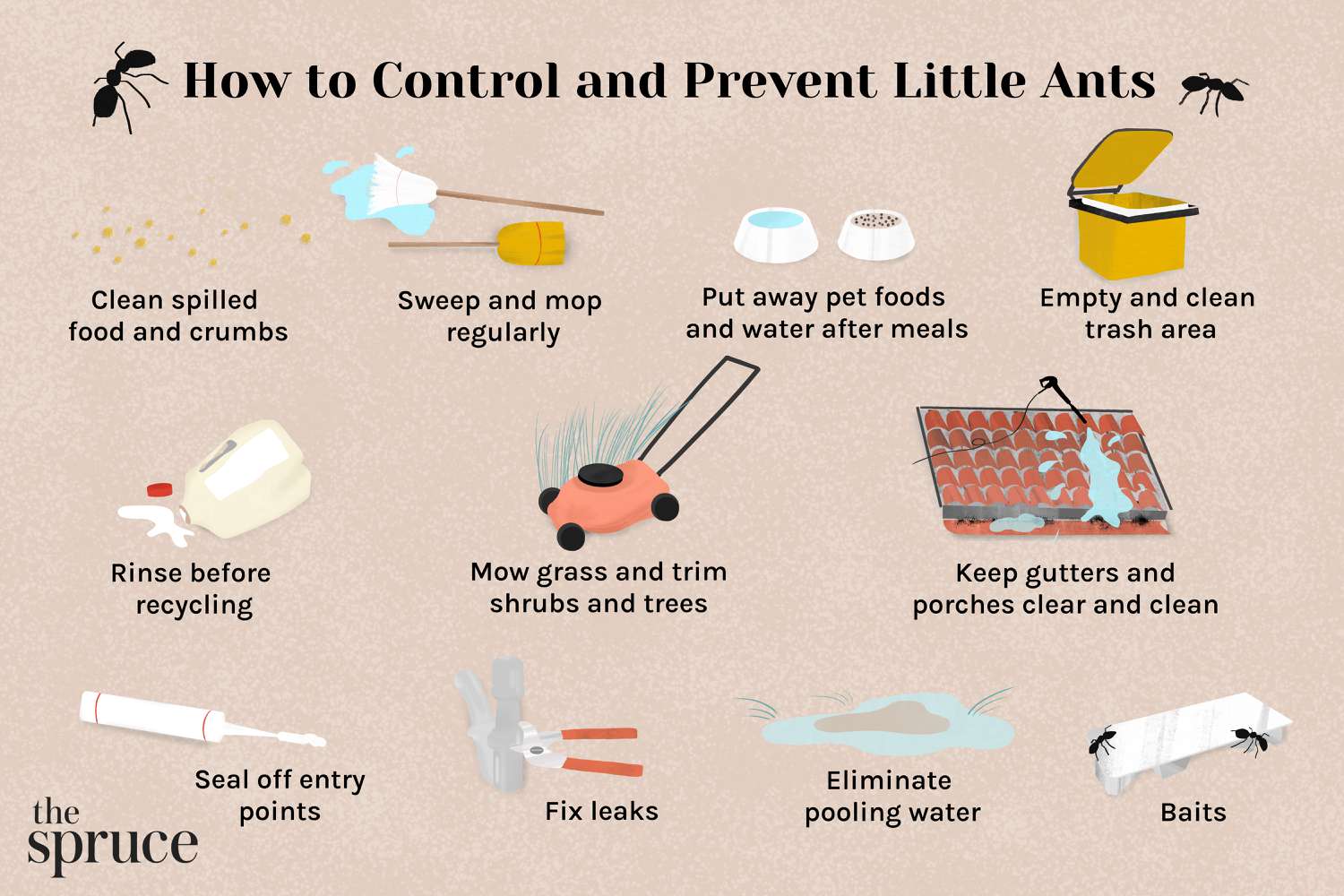
Highlights
- Maintain Strict Sanitation: Keep your home clean and food stored safely to minimize attractants.
- Utilize Natural Remedies & Baits: Combine natural deterrents with targeted bait strategies for comprehensive action.
- Seal and Preventive Measures: Identify and close potential entry points while controlling moisture and leaks.
Understanding Ant Behavior
Ants are social insects that can quickly form an infestation in your home if their nest is nearby. Understanding their behavior helps in formulating an effective plan. Ants use pheromone trails to communicate and to mark paths from a food source back to their nests. Consequently, disrupting these trails and removing food attractants can significantly deter their invasion.
Biology and Social Structure
Ant colonies are highly organized. A single colony typically includes a queen, workers, and sometimes soldiers. The queen’s primary role is reproduction, and the survival of the colony depends on her well-being. Workers forage for food and care for the young, while soldiers defend the colony. Due to their cooperative behavior, eliminating just a few workers may not suffice; comprehensive methods targeting the whole colony are necessary.
Key Factors in Ant Infestations
Several factors attract ants to a home, including food residues, water, and shelter. Kitchens, pantries, and areas with pet food are common targets as they provide easy access to sugars, proteins, and fats that ants need. Additionally, damp areas and cracks in the foundation or walls serve as ideal entry points and nesting areas. Recognizing these key factors is vital in planning a multi-faceted control strategy.
Step-By-Step Process to Get Rid of Ants
1. Sanitation and Cleaning Practices
Maintaining a Clean Environment
Keeping your home clean is the first and most important step. Ants are attracted to food residues and sugary substances.
- Regularly clean all surfaces, especially in the kitchen and dining areas.
- Immediately clean up spills, crumbs, and food debris.
- Wash dishes promptly and ensure that countertops are wiped down frequently.
- Dispose of trash regularly and consider using trash cans with tight-fitting lids.
- Ensure pet food is stored in sealed containers and avoid leaving pet food out for long periods.
Food Storage and Waste Management
Secure storage of food items is critical. Use airtight containers for all perishables and non-perishables alike. In addition, maintain adequate waste disposal practices by cleaning trash bins, which can serve as hotspots for ant activity if left unattended.
2. Sealing Entry Points and Reducing Moisture
Identifying and Sealing Cracks
To help prevent further invasions, it is essential to locate and seal entry points. Inspect doors, windows, baseboards, and the foundation to identify small cracks and crevices that ants can use as entrances.
- Use caulk to seal visible cracks in walls, around window frames, and near doorways.
- Ensure that weather stripping is intact on exterior doors.
- Regularly inspect and repair any damage to your home's structure.
Managing Moisture and Leaks
Ants are attracted to water sources; therefore, reducing moisture is paramount for long-term control. Fix any leaks around sinks, pipes, and bathrooms, and avoid allowing water to pool around your home's exterior.
- Check under sinks, around bathtubs, and near appliances for moisture accumulation.
- Use dehumidifiers in damp areas to decrease humidity levels.
- Inspect outdoor drainage to ensure water is directed away from the foundation.
Natural Remedies and DIY Solutions
1. Vinegar and Water Mixture
Disrupting Pheromone Trails
One of the simplest and most effective remedies is using a vinegar solution. Mix equal parts of white vinegar and water in a spray bottle, and apply the mixture directly onto ant trails and around potential entry points.
Vinegar disrupts the pheromone trails ants rely on to navigate, making it harder for them to find food sources and their way back to the nest.
2. Essential Oils
Repelling Ants with Natural Scents
Certain essential oils have scents that ants find repulsive. Peppermint, tea tree, and citrus oils can be particularly effective.
- Mix a few drops of essential oil with water in a spray bottle.
- Spray along baseboards, windowsills, and door frames.
- Refresh the spray regularly to maintain its potency.
3. Diatomaceous Earth
A Natural Mechanical Insecticide
Food-grade diatomaceous earth is a natural powder that can be spread in areas where ants are active. It works by damaging the exoskeletons of ants, causing them to dehydrate and eventually die.
- Lightly dust diatomaceous earth near ant trails and entry points.
- Reapply after cleaning or if the area becomes wet, as moisture reduces its effectiveness.
- Use with caution in areas accessible to children and pets, ensuring it remains in targeted zones.
4. Baking Soda and Powdered Sugar Mixture
Attract and Eliminate
A combination of baking soda and powdered sugar can serve as a DIY bait. The sugar attracts the ants, while the baking soda interferes with their digestive systems.
- Mix equal parts baking soda and powdered sugar.
- Place small amounts of the mixture near ant trails.
- Monitor the results; the mixture is most effective as a preventive measure rather than a complete eradication method.
5. Coffee Grounds and Spices
Alternative Natural Deterrents
Common household items like used coffee grounds, cinnamon, cayenne pepper, and cloves can also act as natural deterrents. These substances work by disrupting the pheromone trails and repelling the ants due to their strong odor.
- Sprinkle used coffee grounds around areas where ants enter.
- Use spices lightly along the baseboards and around doorways.
Ant Baits and Commercial Products
1. Commercial Ant Baits
How Baits Work
Commercial ant baits are designed to attract ants with palatable substances mixed with insecticides. The ants carry the bait back to the colony, eventually affecting the queen and other colony members. This method is particularly effective because it targets the problem at its source.
Some baits come in the form of gels or stations, and they are widely available in hardware stores. It is essential to place these baits in areas that are inaccessible to children and pets.
2. Poisoned Baits with Borax or Boric Acid
Combining Lures and Toxins
Mixtures containing borax (or boric acid) and sugar serve as another effective bait strategy. The sugar lures the ants, and the borax disrupts their metabolic processes once ingested. The lethal dose is typically carried back to the nest, impacting the entire colony.
Always follow label instructions when using these products. Consider using homemade bait by mixing a small amount of borax in liquid sugar water or dry sugar, ensuring the bait is placed in a secure area away from high-traffic zones.
3. Gel Ant Traps
Ease of Use and Efficiency
Gel ant traps offer a convenient method for ant control. They are applied in narrow lines near ant trails, door frames, and other suspected entry points. Due to their attractive sweetness, the ants feed on the gel and then share the toxin with the colony.
Using Heat and Physical Methods
Boiling Water Technique
Disrupting Outdoor Colonies
For ants that have established visible nests outdoors, pouring boiling water directly onto them can be an effective measure. This technique is especially useful for small ant hills found near the foundation of your home. While it may not eliminate the entire colony, it can provide temporary relief and disrupt the ant’s activity.
Physical Removal and Cleaning
Manual Prevention Tactics
In some cases, physically removing the ant trails and repairing the areas where ants have been seen can yield positive results. Use a vacuum or a broom to remove colonies from floors and crevices, then clean thoroughly to eliminate remaining pheromone trails.
Long-Term Prevention Strategies
Developing a Maintenance Routine
Daily and Weekly Steps
Long-term prevention is achieved by integrating ant control methods into your regular household routine. Once you have rid your home of ants, it is crucial to maintain practices that discourage re-infestation.
- Maintain rigorous cleaning patterns, especially in areas where food is prepared and consumed.
- Regularly inspect and seal new cracks and crevices that may appear due to daily wear and tear.
- Monitor moisture levels and promptly repair leaks and spills.
- Rotate and reapply natural deterrents (like vinegar solutions or essential oils) periodically to ensure persistent coverage around high-risk areas.
Inspections and Seasonal Adjustments
Being Proactive Year-Round
Ant behavior can be dependent on the season, with warmer months witnessing more activity. Regularly inspect your home during these periods, paying special attention to potential nesting sites and high-traffic entry points for ants. Early intervention can prevent minor issues from escalating into significant infestations.
- Conduct monthly visual inspections during peak ant activity.
- Adjust your cleaning schedule and preventive measures in response to seasonal changes.
- Consider using additional deterrents during high-activity periods.
Comparative Overview: Natural vs. Chemical Methods
Table of Comparison
| Method | Advantages | Limitations |
|---|---|---|
| Natural Remedies (Vinegar, Essential Oils, Diatomaceous Earth, Baking Soda) |
|
|
| Chemical Baits and Sprays |
|
|
This table illustrates that while chemical solutions are often more effective in quickly reducing the ant population, natural remedies provide a safer and environmentally friendly alternative, particularly for ongoing prevention. The best approach is to combine these methods for a comprehensive strategy.
When to Seek Professional Help
Identifying the Need
If the infestation persists despite consistent application of various remedies, it may be time to consult a pest control professional. Professionals have access to tools and expertise that are beyond the reach of standard household methods.
Indicators for Professional Intervention
- The ant population remains high for several weeks despite implementing multiple methods.
- The ants are invading in large numbers, or you suspect the presence of multiple colonies.
- You notice specific types of ants (such as carpenter ants) that may cause structural damage.
- There are persistent signs of moisture or structural defects that have not been resolved.
In these cases, professionals can conduct a thorough assessment, identify the root cause, and implement targeted treatments while recommending eco-friendly control methods.
Integrated Pest Management (IPM) Approach
What is IPM?
Integrated Pest Management (IPM) is a comprehensive strategy that combines multiple methods for sustainable pest control. IPM focuses on long-term prevention through a combination of physical, biological, and chemical methods. When it comes to ants, IPM includes:
- Observation and Monitoring: Regularly inspect and document ant activity.
- Preventive Measures: Seal entry points and maintain high standards of cleanliness.
- Targeted Interventions: Use a mix of natural remedies and, if necessary, chemical baits.
- Evaluation: Continually assess and adjust strategies based on the infestation’s response.
Additional Considerations
Understanding Ant Species
Different species of ants may require different approaches. For example, pharaoh ants are known for their tiny size and rapid reproduction, and may not respond as well to certain baits as other species. Conversely, carpenter ants may require targeted treatment due to their potential to cause structural damage. Identifying the species can help in choosing the most effective treatment method.
Safety Precautions
Whether you opt for natural remedies or chemical methods, safety is paramount. When using chemical baits or sprays, always:
- Read and follow all manufacturer instructions.
- Keep products away from children and pets.
- Wear protective gloves and a mask if needed during application.
For DIY recipes involving borax or other substances, be cautious about the correct proportions and placement to minimize risks.
Cost Considerations
Budget-Friendly Methods
Many of the natural remedies described cost very little to implement. Items like vinegar, essential oils, baking soda, and diatomaceous earth are commonly available and inexpensive. Moreover, the financial investment in ensuring proper food storage, sealing, and cleaning practices can significantly reduce the chance of re-infestation without recurring expenses.
Professional Services
If you find that DIY methods are not sufficiently controlling the problem, expect to invest in professional pest control services. While these services can be more expensive, they provide thorough and lasting treatment with minimal risk of recurrence through tailored intervention plans.
Practical Tips for Everyday Prevention
Daily Routine Adjustments
Beyond the initial eradication phase, maintaining vigilance is key to preventing future infestations. Establishing simple, routine habits can make a significant difference:
- Wipe down kitchen surfaces daily to prevent residue buildup.
- Inspect food storage areas periodically and immediately seal any discovered cracks or openings.
- Replace or refresh natural deterrents like vinegar or essential oil sprays every few days.
- Ensure that outdoor entry points such as doors and windows are always well-sealed.
Seasonal Adjustments
As temperatures and humidity levels fluctuate with the changing seasons, so too does ant activity. Increase cleaning frequency and inspect your home more regularly during warmer months when ants tend to be more active. Additionally, pay attention to outdoor areas where fallen leaves, moisture accumulation, or debris might provide temporary nesting sites.
Combining Strategies for Long-Term Success
A Holistic Approach
Successful ant control often requires a combination of methods that target various aspects of the infestation. Combining good sanitation practices with natural remedies and occasional chemical interventions ensures that:
- Food attractants are minimized, reducing the likelihood of ants entering your home.
- Nesting sites are sealed off, giving ants fewer opportunities to establish colonies indoors.
- Ant trails are regularly disrupted, decreasing the efficiency of colony communication.
- Any remaining or emergent ant colonies are quickly detected and managed before they multiply.
It is the synergy of these practices that produces the most effective and sustainable ant control.
Conclusion
Eradicating ants from your home involves a multi-faceted and persistent approach. By maintaining diligent sanitation, sealing entry points, and employing a mix of natural and chemical treatments when necessary, you can create an environment that is less inviting to ants. Starting with proactive cleaning routines and vigilant inspection of food and moisture sources, homeowners can diminish the likelihood of an infestation taking hold. Natural remedies such as vinegar solutions, essential oils, diatomaceous earth, and even common kitchen items like baking soda provide safe and accessible initial steps.
When infestations become severe, targeted treatments like commercial ant baits, borax-based mixtures, and gel traps can reach deep into the colony to disrupt their reproductive capabilities. In such cases, understanding the species involved and the nature of the infestation can further inform your strategy, allowing for adjustments based on observed behavior and the specific vulnerabilities of the ant species.
Ultimately, prevention is the best cure. Consistent cleaning, regular sealing of entry points, and periodic use of deterrents create a home environment that minimizes re-infestation risk. For persistent problems, consulting with specialists who incorporate environmentally conscious Integrated Pest Management ensures that both the safety of your family and the efficacy of treatments are prioritized.
With a comprehensive, multi-stage plan combining both preventive and active eradication measures, you can achieve long-term ant control and enjoy a cleaner, ant-free home. Consistency in application, adaptation based on seasonal changes, and an awareness of potential re-infestation indicators are the hallmarks of successful ant management.
References
- How to Get Rid of Ants | DIY Indoor & Outdoor Ant Treatment Guide - DoMyOwn
- How to Get Rid of Ants in Your Home - Better Homes & Gardens
- How to Get Rid of Ants in Your Home Permanently - Real Simple
- How to Get Rid of Ants ASAP and Keep Them Away - The Spruce
- 20 Natural Repellents to Get Rid of Ants - The Spruce
- How to Get Rid of Ants With Methods That Actually Work - Healthline
- Natural Ant Repellents: DIY Home Remedies for Ant Control - Western Exterminator
Recommended for Further Exploration
Last updated February 20, 2025