
Unlock the Secret to Soothing Psoriasis: Delicious Anti-Inflammatory Recipes Inside!
Discover how specific foods can help manage your psoriasis symptoms with these easy-to-follow, nutrient-packed meal ideas.
Psoriasis is a chronic autoimmune condition characterized by inflammation, which often manifests as skin plaques. While there's no dietary cure for psoriasis, adopting an anti-inflammatory eating pattern can be a powerful complementary strategy to help manage symptoms, reduce flare-ups, and improve overall well-being. This guide provides specific, delicious recipes designed to nourish your body and potentially calm inflammation associated with psoriasis.
Highlights: Your Path to Dietary Relief
- Focus on Whole Foods: Prioritize a diet rich in fruits, vegetables, lean proteins, healthy fats (especially omega-3 fatty acids), and whole grains. These foods are packed with antioxidants, fiber, and anti-inflammatory compounds.
- Identify and Limit Triggers: Be mindful of common pro-inflammatory foods such as red and processed meats, added sugars, refined carbohydrates, excessive alcohol, and potentially dairy or gluten if you have sensitivities.
- Consistency and Personalization: Long-term dietary changes often yield the best results. Consider keeping a food journal to identify personal triggers and discover which anti-inflammatory foods work best for you. Consulting a healthcare provider or registered dietitian is crucial before making significant dietary shifts.
Understanding the Anti-Inflammatory Approach for Psoriasis
The core idea behind an anti-inflammatory diet for psoriasis is to reduce systemic inflammation. Chronic inflammation is a key driver of psoriasis symptoms. By choosing foods known for their anti-inflammatory properties and avoiding those that can exacerbate inflammation, you can support your body's natural healing processes and potentially lessen the severity and frequency of psoriasis flares. This dietary approach often aligns with heart-healthy eating patterns like the Mediterranean diet, emphasizing fresh, unprocessed ingredients.
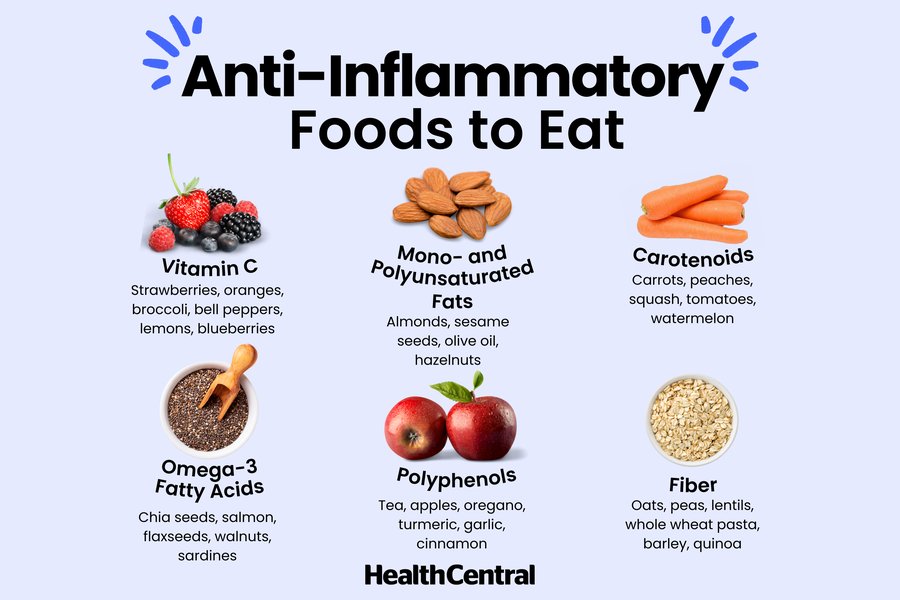
A colorful array of anti-inflammatory foods that can form the foundation of a psoriasis-friendly diet.
Key Food Groups to Embrace
Incorporating a variety of nutrient-dense foods is fundamental. Here’s a breakdown of beneficial food groups:
Powerhouse Fruits and Vegetables
Aim for a rainbow of fruits and vegetables daily. They are loaded with antioxidants (like vitamins A, C, and E), fiber, and phytochemicals that combat oxidative stress and inflammation. Think berries, leafy greens (spinach, kale), cruciferous vegetables (broccoli, cauliflower), carrots, and sweet potatoes.
Omega-3 Rich Champions
Omega-3 fatty acids are renowned for their potent anti-inflammatory effects. Excellent sources include fatty fish like salmon, mackerel, sardines, and trout. Plant-based sources include flaxseeds, chia seeds, and walnuts.
Wholesome Whole Grains
Choose whole grains such as oats, quinoa, brown rice, and barley (if gluten is tolerated). These provide essential fiber, which supports gut health—an important factor in managing inflammation—and can contain minerals like selenium.
Lean Proteins for Strength
Opt for lean protein sources like poultry, fish, beans, lentils, and tofu. These provide the building blocks for tissue repair without the high levels of saturated fat found in red and processed meats, which can be pro-inflammatory.
Healthy Fats and Oils
Incorporate healthy fats from sources like avocados, nuts, seeds, and extra virgin olive oil. These fats, particularly monounsaturated fats, have anti-inflammatory properties.
Beneficial Spices
Certain spices are celebrated for their anti-inflammatory prowess. Turmeric (containing curcumin), ginger, garlic, and cinnamon can be flavorful additions to your meals that also offer health benefits.
Foods to Approach with Caution
While focusing on what to include is vital, knowing what to limit or avoid is equally important for managing psoriasis through diet.
Potential Inflammatory Triggers
- Red and Processed Meats: Often high in saturated fats and compounds that can promote inflammation.
- Added Sugars and Refined Carbohydrates: Found in sweets, sugary drinks, white bread, and pastries, these can spike blood sugar and contribute to inflammation.
- Certain Fats: Trans fats (often in fried and processed foods) and excessive saturated fats should be minimized.
- Alcohol: Can disrupt digestion, affect the immune system, and potentially trigger psoriasis flare-ups.
Individual Sensitivities
Some individuals with psoriasis find that certain foods worsen their symptoms. These can include:
- Dairy Products: Particularly high-fat dairy, for those who are lactose intolerant or sensitive.
- Gluten: For individuals with celiac disease or non-celiac gluten sensitivity, avoiding wheat, barley, and rye is crucial.
- Nightshade Vegetables: Some people report that tomatoes, potatoes, eggplants, and peppers can trigger flares, though scientific evidence is limited and this varies greatly among individuals.
Keeping a food diary can help you identify personal food sensitivities.
Nourishing Anti-Inflammatory Recipes for Psoriasis Management
Here are some specific, easy-to-prepare recipes packed with anti-inflammatory ingredients, designed to be both delicious and supportive for those with psoriasis.
Breakfast Delights
1. Berry & Spinach Power Smoothie
A vibrant, antioxidant-rich start to your day. Berries fight oxidative stress, spinach provides vitamins, and seeds add beneficial omega-3s.
- Ingredients:
- 1 cup mixed berries (blueberries, raspberries, strawberries - fresh or frozen)
- 1 cup fresh spinach
- 1/2 banana (preferably frozen for creaminess)
- 1 tablespoon chia seeds or ground flaxseeds
- 1 cup unsweetened almond milk (or other plant-based milk or water)
- Instructions:
- Combine all ingredients in a blender.
- Blend on high until smooth and creamy. Add more liquid if a thinner consistency is desired.
- Pour into a glass and enjoy immediately.
2. Turmeric & Ginger Oatmeal with Nuts and Seeds
A warm, comforting, and powerfully anti-inflammatory breakfast. Turmeric and ginger are a dynamic duo against inflammation, complemented by fiber-rich oats and healthy fats from nuts and seeds.
- Ingredients:
- 1/2 cup rolled oats (not instant)
- 1 cup water or unsweetened plant-based milk
- 1/2 teaspoon ground turmeric
- 1/4 teaspoon ground ginger
- Pinch of black pepper (enhances curcumin absorption from turmeric)
- 1 tablespoon chopped walnuts or almonds
- 1 teaspoon pumpkin seeds or sunflower seeds
- Optional: A drizzle of honey or maple syrup (if desired, use sparingly), fresh berries for topping.
- Instructions:
- In a small saucepan, combine oats, water/milk, turmeric, ginger, and black pepper.
- Bring to a gentle simmer over medium heat, then reduce heat to low and cook for 5-7 minutes, stirring occasionally, until oats are tender and liquid is absorbed.
- Pour into a bowl and top with nuts, seeds, and optional sweetener or berries.
Satisfying Lunches
3. Grilled Zucchini & Avocado Salad with Chickpeas
This refreshing salad is packed with healthy fats, fiber, and plant-based protein, making it a light yet satisfying anti-inflammatory meal.

A visually appealing and nutritious grilled zucchini salad, similar to the recipe provided.
- Ingredients:
- 1 medium zucchini, sliced into 1/4-inch rounds
- 1 tablespoon olive oil
- 1/2 cup canned chickpeas, rinsed and drained
- 1/2 avocado, diced
- 2 cups mixed greens (e.g., spinach, arugula, romaine)
- Juice of 1/2 lemon
- Salt and freshly ground black pepper to taste
- Optional: 3 oz grilled chicken breast or fish for added protein.
- Instructions:
- Toss zucchini slices with 1/2 tablespoon of olive oil, salt, and pepper. Grill on a grill pan or outdoor grill for 2-3 minutes per side, until tender and slightly charred.
- In a large bowl, combine mixed greens, grilled zucchini, chickpeas, and diced avocado.
- In a small bowl, whisk together the remaining 1/2 tablespoon of olive oil, lemon juice, salt, and pepper for the dressing.
- Pour dressing over the salad and toss gently to combine. Add optional grilled protein if desired.
Delicious Dinners
4. Almond-Crusted Salmon with Steamed Greens
Salmon delivers a hefty dose of omega-3s, while almonds provide healthy fats and a satisfying crunch. Steamed greens round out this nutrient-dense meal.

An example of a delicious almond-crusted fish, providing essential omega-3 fatty acids.
- Ingredients:
- 1 (4-6 oz) salmon fillet, skin on or off
- 1/4 cup almond meal (ground almonds)
- 1 teaspoon dried herbs (e.g., dill, parsley, or Italian blend)
- Zest of 1/2 lemon
- 1 tablespoon olive oil
- Salt and freshly ground black pepper to taste
- 2 cups steamed green vegetables (e.g., broccoli, asparagus, green beans)
- Instructions:
- Preheat oven to 400°F (200°C). Line a baking sheet with parchment paper.
- In a shallow dish, combine almond meal, dried herbs, lemon zest, salt, and pepper.
- Pat the salmon fillet dry. Brush lightly with olive oil (or use a portion of the 1 tbsp).
- Press the salmon fillet into the almond meal mixture, coating all sides.
- Place the coated salmon on the prepared baking sheet. Drizzle any remaining olive oil over the top if needed.
- Bake for 12-15 minutes, or until the salmon is cooked through and the crust is golden brown. Cooking time will vary depending on the thickness of the fillet.
- Serve immediately with a generous portion of steamed green vegetables.
5. Sweet Potato and Red Lentil Soup with Turmeric
A hearty, warming soup brimming with beta-carotene from sweet potatoes, plant-based protein and fiber from lentils, and the anti-inflammatory power of turmeric and ginger.
- Ingredients:
- 1 tablespoon olive oil
- 1 medium onion, chopped
- 2 cloves garlic, minced
- 1-inch piece of ginger, grated
- 1 teaspoon ground turmeric
- 1/2 teaspoon ground cumin
- 1 large sweet potato, peeled and diced
- 1/2 cup red lentils, rinsed
- 4 cups vegetable broth
- Salt and freshly ground black pepper to taste
- Optional: A handful of fresh spinach or kale, stirred in at the end; a dollop of plain yogurt (dairy or non-dairy) for serving.
- Instructions:
- Heat olive oil in a large pot or Dutch oven over medium heat. Add onion and cook until softened, about 5 minutes.
- Add garlic, ginger, turmeric, and cumin. Cook for 1 minute more, until fragrant.
- Stir in the diced sweet potato, rinsed red lentils, and vegetable broth. Bring to a boil.
- Reduce heat to low, cover, and simmer for 20-25 minutes, or until the sweet potatoes and lentils are tender.
- Season with salt and pepper to taste. If using, stir in fresh spinach or kale during the last few minutes of cooking, until wilted.
- Serve hot, optionally topped with a dollop of yogurt and a sprinkle of fresh herbs like cilantro.
Visualizing Nutritional Impact: Key Anti-Inflammatory Food Groups
The following chart offers a visual representation of the relative strengths of various anti-inflammatory food groups across different nutritional aspects beneficial for psoriasis management. The scores are on a scale of 1 to 10 (with the chart axis minimum set to 5 for better visual differentiation, so all data points are displayed clearly above the center). These are general estimations to highlight their overall benefits.
This chart highlights how incorporating a diverse range of these foods can provide a broad spectrum of anti-inflammatory and antioxidant benefits, crucial for supporting skin health in psoriasis.
Summary Table: Anti-Inflammatory Foods for Psoriasis
This table summarizes key food groups to prioritize in an anti-inflammatory diet for psoriasis, along with examples and their primary benefits:
| Food Group | Examples | Key Anti-Inflammatory Benefits for Psoriasis |
|---|---|---|
| Colorful Fruits | Berries (blueberries, strawberries), cherries, oranges, mango | Rich in antioxidants (Vitamin C, flavonoids), fiber; combat oxidative stress and support immune health. |
| Leafy & Cruciferous Vegetables | Spinach, kale, broccoli, Brussels sprouts, cauliflower | High in vitamins (A, C, K), minerals, antioxidants, and fiber; support detoxification pathways. |
| Fatty Fish | Salmon, mackerel, sardines, trout, herring | Excellent source of omega-3 fatty acids (EPA & DHA), which directly reduce inflammatory eicosanoids and cytokines. |
| Whole Grains | Oats, quinoa, brown rice, whole-wheat (if tolerated), barley | Provide dietary fiber that supports gut health (microbiome balance) and sustained energy; some contain selenium. |
| Nuts & Seeds | Walnuts, almonds, flaxseeds, chia seeds, pumpkin seeds | Offer healthy fats (including plant-based omega-3s like ALA), fiber, vitamin E, zinc, and selenium. |
| Healthy Oils | Extra virgin olive oil, avocado oil | Rich in monounsaturated fats (like oleic acid) and polyphenols (like oleocanthal in olive oil) with anti-inflammatory effects. |
| Lean Proteins | Skinless poultry, beans, lentils, tofu, tempeh | Provide essential amino acids for tissue repair without high levels of inflammatory saturated fats typically found in red meat. |
| Anti-Inflammatory Spices | Turmeric (curcumin), ginger (gingerols), garlic (allicin), cinnamon | Contain potent bioactive compounds that can modulate inflammatory pathways and provide antioxidant benefits. |
Mapping Your Dietary Strategy for Psoriasis Management
Understanding the connections between dietary choices, inflammation, and psoriasis symptoms can be empowering. The mindmap below illustrates these relationships and highlights key areas of focus for an anti-inflammatory diet tailored for psoriasis.
(Berries, Leafy Greens)"] id1b["Omega-3 Rich Foods
(Fatty Fish, Flaxseeds, Walnuts)"] id1c["Whole Grains
(Oats, Quinoa - if tolerated)"] id1d["Healthy Fats
(Olive Oil, Avocado, Nuts)"] id1e["Lean Proteins
(Poultry, Legumes, Tofu)"] id1f["Beneficial Spices
(Turmeric, Ginger, Garlic)"] id2["Pro-Inflammatory Foods to Limit/Avoid"] id2a["Red & Processed Meats"] id2b["Added Sugars & Refined Carbs"] id2c["Saturated & Trans Fats"] id2d["Alcohol"] id2e["Individual Triggers (e.g., Dairy, Gluten, Nightshades for some)"] id3["Key Dietary Benefits"] id3a["Reduced Systemic Inflammation"] id3b["Potential Decrease in Flare-up Severity & Frequency"] id3c["Improved Gut Health"] id3d["Enhanced Antioxidant Intake"] id3e["Support for Overall Well-being"] id4["Important Considerations"] id4a["Individual Variability in Food Responses"] id4b["Importance of Food Journaling"] id4c["Consultation with Healthcare Professionals"] id4d["Diet as a Complementary Approach (not a cure)"] id4e["Hydration (Water, Herbal Teas)"]
This mindmap serves as a visual guide to help you navigate the principles of an anti-inflammatory diet for psoriasis, emphasizing beneficial food groups while cautioning against potential triggers.
Expert Insights: Diet and Psoriasis
Understanding the role of diet in managing psoriasis can be complex. The following video provides valuable insights from experts discussing how dietary changes, particularly focusing on anti-inflammatory foods and identifying triggers, can benefit individuals with psoriasis and psoriatic arthritis.
The video delves into scientific studies on antioxidants, anti-inflammatory diets, and their impact on psoriasis symptoms, offering a deeper understanding of how your food choices can play a role in your health journey.
Frequently Asked Questions (FAQ)
Can diet alone cure psoriasis?
No, diet alone cannot cure psoriasis, which is a complex autoimmune condition. However, an anti-inflammatory diet can be a significant complementary approach to help manage symptoms, reduce the frequency and severity of flare-ups, and improve overall quality of life when used alongside medical treatments prescribed by your healthcare provider.
What are nightshade vegetables, and should I avoid them?
Nightshade vegetables include tomatoes, potatoes (white), eggplants, and peppers (bell peppers, chili peppers). Some individuals with psoriasis report that these foods trigger their symptoms, possibly due to alkaloids they contain. However, scientific evidence for a widespread effect is limited, and many people with psoriasis tolerate them well. If you suspect nightshades are a trigger, you could try an elimination diet under the guidance of a healthcare professional or dietitian to see if your symptoms improve.
Is gluten bad for everyone with psoriasis?
Not necessarily. There is a higher incidence of celiac disease (an autoimmune condition triggered by gluten) among people with psoriasis. For these individuals, a strict gluten-free diet is essential. Some people with psoriasis who do not have celiac disease may still have a sensitivity to gluten and find that avoiding it improves their skin. If you suspect gluten is an issue, consult your doctor for testing and guidance before making dietary changes.
How long does it take to see results from dietary changes for psoriasis?
The time it takes to see improvements in psoriasis symptoms after making dietary changes can vary significantly from person to person. Some individuals may notice benefits within a few weeks, while for others, it might take several months. Consistency is key. Keeping a detailed food and symptom journal can help track progress and identify patterns.
Should I take supplements for my psoriasis?
Some supplements, such as vitamin D, omega-3 fatty acids, and selenium, have been studied for their potential benefits in psoriasis. However, it's crucial to discuss any supplements with your healthcare provider before taking them. They can assess potential interactions with medications, determine if you have any deficiencies, and recommend appropriate dosages if needed. A food-first approach is generally recommended, aiming to get nutrients from whole foods whenever possible.
Explore Further
If you're interested in delving deeper into managing psoriasis through diet and lifestyle, consider exploring these related topics:
- What is the role of gut health in psoriasis and how can I improve it through diet?
- Are there specific vitamins and minerals that are particularly beneficial for psoriasis sufferers?
- How can I effectively use a food journal to identify my personal psoriasis triggers?
- What are the benefits of the Mediterranean diet for managing inflammatory conditions like psoriasis?
References

Last updated May 7, 2025