
Understanding the Lack of Inhibition Zones in Antibacterial Tests of Ethyl Acetate Insoluble Extracts
Exploring the Reasons Behind Ineffective Antibacterial Activity
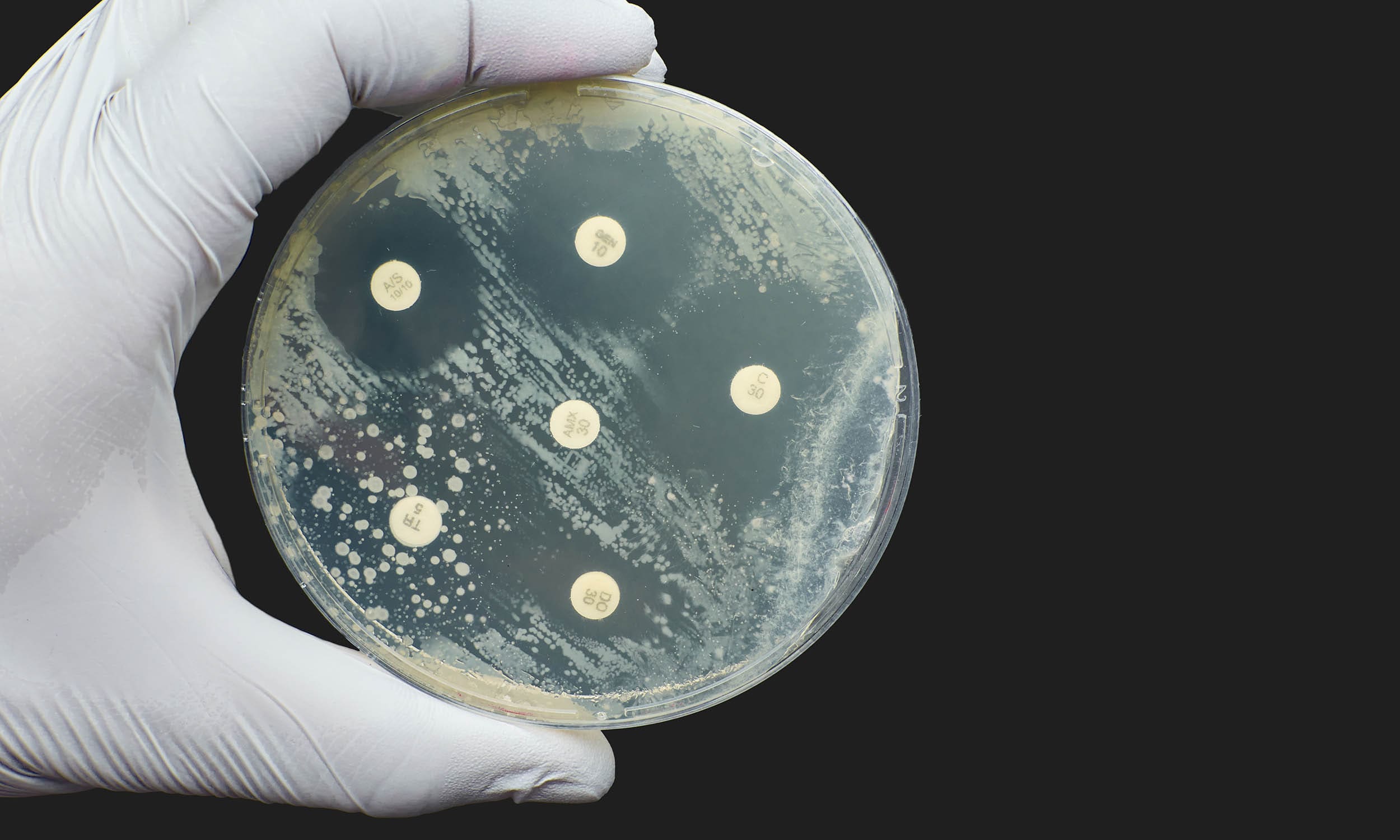
Key Takeaways
- Concentration and Presence of Active Compounds: The efficacy of an extract heavily depends on the presence and concentration of bioactive antibacterial agents.
- Extraction and Solubility Challenges: Inefficient extraction methods and solubility issues can hinder the activity of antibacterial compounds.
- Experimental and Microbial Factors: Methodological flaws and microbial resistance play significant roles in the outcome of antibacterial tests.
1. Concentration and Presence of Active Compounds
1.1 Insufficient Concentration of Bioactive Agents
The absence of an inhibition zone may indicate that the concentration of antibacterial compounds within the ethyl acetate extract is too low. Even if bioactive molecules are present, their quantities might not reach the threshold required to inhibit microbial growth effectively.
1.2 Absence of Antimicrobial Compounds
It's possible that the source material used for extraction does not contain compounds with inherent antibacterial properties. While ethyl acetate is effective at extracting a range of semi-polar compounds, it may not extract specific antibacterial agents if they are absent in the original material.
1.3 Selectivity of Extracted Compounds
Some extracts exhibit selective antibacterial activity, meaning they may only be effective against certain types of bacteria. If the pathogenic microorganisms tested are not susceptible to the specific compounds present in the extract, no inhibition zone will be observed.
2. Extraction and Solubility Challenges
2.1 Inefficient Extraction Methods
The extraction process itself may not have been optimal for isolating antibacterial compounds. Factors such as solvent polarity, extraction time, and temperature can influence the yield and integrity of bioactive molecules. Degradation or alteration of active compounds during extraction can render the extract ineffective.
2.2 Solubility and Diffusion Issues
The insoluble nature of the extract poses significant challenges in antibacterial assays that rely on diffusion through agar media. If the active compounds cannot diffuse effectively, they cannot reach and inhibit the growth of microorganisms. This limitation is critical in agar diffusion methods, where the movement of compounds is essential for creating inhibition zones.
2.3 Stability of Active Compounds
The active components within the extract may be unstable under the conditions used for testing, such as variations in pH, temperature, or light exposure. Instability can lead to the degradation of antimicrobial agents, thereby reducing or eliminating their efficacy.
3. Experimental and Microbial Factors
3.1 Methodological Issues
Several aspects of the experimental design can influence the results of antibacterial tests:
-
Agar Diffusion Limitations: The agar medium may impede the diffusion of active compounds, especially if they are not highly soluble in the medium.
-
Inoculum Density: An overly concentrated bacterial sample can overwhelm the antibacterial effects, making it difficult to observe inhibition zones.
-
Incubation Conditions: Incorrect temperature, pH, or incubation duration can affect bacterial growth and the visibility of inhibition zones.
-
Solvent Interference: Residual ethyl acetate may interfere with bacterial growth or the diffusion of antibacterial compounds, masking potential inhibitory effects.
3.2 Microbial Resistance
Pathogenic microorganisms may possess resistance mechanisms that neutralize the antibacterial compounds present in the extract. Resistance can arise from various factors, including the presence of efflux pumps, modifications of target sites, or enzymatic degradation of antibiotics. Highly resistant strains are particularly capable of negating the effects of antibacterial agents, resulting in no observable inhibition zone.
3.3 Interactions Within the Extract
Complex mixtures in crude extracts can lead to interactions between different compounds. Some components may antagonize the activity of antibacterial agents, reducing the overall effectiveness of the extract. Purification steps that isolate specific bioactive compounds may be necessary to reveal their antibacterial potential.
3.4 Testing Conditions Outside Active Range
Antibacterial compounds may only exhibit activity under specific conditions. For instance, hydrophobic or non-polar compounds might require an organic solvent environment to demonstrate their efficacy. Testing these compounds in water-based assays can render them inactive, leading to the absence of inhibition zones.
4. Recommendations for Future Testing
4.1 Phytochemical Screening
Conducting a phytochemical analysis can help identify and quantify the presence of bioactive compounds within the extract. This step is essential to determine whether the extract contains substances known for their antibacterial properties.
4.2 Optimization of Extraction Methods
Adjusting extraction parameters such as solvent type, extraction time, and temperature can enhance the yield and stability of antibacterial compounds. Employing methods like Soxhlet extraction, ultrasound-assisted extraction, or microwave-assisted extraction may improve the efficiency of the process.
4.3 Solubility Enhancement Techniques
Improving the solubility of the extract in the testing medium can facilitate better diffusion and interaction with microorganisms. Techniques such as emulsification, use of surfactants, or incorporating the extract into soluble carriers might be beneficial.
4.4 Testing Against Diverse Microorganisms
Expanding the range of microorganisms tested can help determine the spectrum of antibacterial activity. Testing against both Gram-positive and Gram-negative bacteria, as well as strains with known resistance profiles, can provide a more comprehensive understanding of the extract's efficacy.
4.5 Purification of Active Compounds
Isolating specific antibacterial compounds from the crude extract can eliminate antagonistic interactions and enhance the observable inhibition zones. Techniques such as chromatography can be employed to achieve a higher purity of active agents.
5. Conclusion
The lack of an inhibition zone in antibacterial tests of the ethyl acetate insoluble extract can be attributed to a multitude of factors encompassing the concentration and presence of active compounds, challenges in extraction and solubility, as well as experimental and microbial resistance issues. Addressing these areas through meticulous optimization and comprehensive analysis is crucial for elucidating the antibacterial potential of such extracts. Future studies should focus on enhancing extraction efficiency, improving solubility, and overcoming microbial resistance to achieve more definitive and reliable antibacterial activity results.
References
Last updated January 27, 2025