
Research Instrument: Antimicrobial Effect of Bamboo (Bambusa spinosa) Leaves Extract Against Staphylococcus aureus
A Comprehensive Approach to Evaluating Natural Antimicrobial Agents
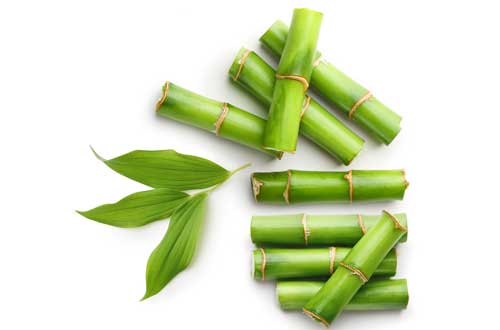
3 Key Takeaways
- Structured Methodology: A detailed protocol ensures reproducibility and reliability in assessing antimicrobial properties.
- Comprehensive Data Analysis: Utilizing statistical tools and graphical representations for robust data interpretation.
- Phytochemical Insights: Identifying active compounds to understand the mechanism of antimicrobial action.
Introduction
The growing concern over antibiotic resistance emphasizes the need for alternative antimicrobial agents. Bamboo (Bambusa spinosa) leaves have been traditionally utilized for their medicinal properties, including antimicrobial effects. This research instrument is designed to systematically evaluate the antimicrobial efficacy of Bambusa spinosa leaves extract against Staphylococcus aureus, a common and resilient pathogen responsible for various infections.
Objectives
The primary objectives of this research are:
- To assess the antimicrobial activity of Bambusa spinosa leaves extract against Staphylococcus aureus.
- To determine the Minimum Inhibitory Concentration (MIC) and Minimum Bactericidal Concentration (MBC) of the extract.
- To identify and characterize the phytochemical constituents responsible for the antimicrobial activity.
- To elucidate the mechanism of antimicrobial action exhibited by the extract.
Materials and Methods
Materials
- Fresh Bambusa spinosa leaves
- Ethanol (99.5%) or Methanol
- Rotary evaporator
- Sterile distilled water
- Mueller-Hinton agar and broth
- Staphylococcus aureus standard strain (e.g., ATCC 25923)
- Sterile filter paper discs
- Phytochemical screening kits
- Scanning Electron Microscope (SEM)
- Gas Chromatography-Mass Spectrometry (GC-MS) or High-Performance Liquid Chromatography (HPLC)
- Standard antibiotic discs (e.g., Vancomycin)
- Incubator set at 37°C
- Sterile swabs, test tubes, pipettes, and other microbiological instruments
Extraction Process
Collection and Preparation of Plant Material
Collect fresh Bambusa spinosa leaves and rinse them with sterile distilled water to remove any contaminants. Shade-dry the leaves to preserve phytochemical integrity. Once dried, grind the leaves into a fine powder using an appropriate grinder, ensuring uniform particle size for consistent extraction.
Extraction Method
Utilize the maceration technique for ethanol extraction:
- Mix a specified mass of Bambusa spinosa leaf powder with ethanol at a ratio of 1:10 (plant material to solvent).
- Allow the mixture to macerate for 72 hours at room temperature with occasional shaking.
- Filter the extract using sterile filter paper to remove solid residues.
- Concentrate the filtrate using a rotary evaporator under reduced pressure at 40°C to obtain the crude extract.
- Lyophilize the concentrated extract for extended stability and storage.
Preparation of Bacterial Culture
Obtain a standard strain of Staphylococcus aureus (e.g., ATCC 25923). Subculture the bacteria on Mueller-Hinton agar plates and incubate at 37°C for 24 hours. Adjust the bacterial suspension to a turbidity equivalent to the 0.5 McFarland standard (~1.5 × 10⁸ CFU/mL) using sterile saline.
Antimicrobial Assays
1. Disk Diffusion Assay
This qualitative method assesses the antimicrobial activity by measuring the zone of inhibition (ZOI) around extract-impregnated discs.
- Label sterile Mueller-Hinton agar plates with sample identifiers.
- Evenly spread the standardized S. aureus suspension on the agar surface using a sterile swab.
- Impregnate sterile filter paper discs with varying concentrations of the Bambusa spinosa extract (e.g., 10 µL, 20 µL, 30 µL).
- Place the extract-soaked discs onto the inoculated agar surface.
- Add positive control discs containing a known antibiotic (e.g., Vancomycin) and negative control discs with solvent only.
- Incubate the plates at 37°C for 18-24 hours.
- Measure the diameter of the ZOI around each disc in millimeters using a digital caliper.
2. Minimum Inhibitory Concentration (MIC)
The MIC determines the lowest concentration of the extract that inhibits visible bacterial growth.
- Prepare serial dilutions of the Bambusa spinosa extract in Mueller-Hinton broth within a 96-well microtiter plate.
- Inoculate each well with a standardized S. aureus suspension.
- Include wells with broth only (sterility control) and bacteria with no extract (growth control).
- Seal the plate and incubate at 37°C for 18-24 hours.
- Observe the wells for turbidity; the lowest extract concentration showing no visible growth is recorded as the MIC.
3. Minimum Bactericidal Concentration (MBC)
The MBC identifies the lowest extract concentration that results in bacterial death.
- From the MIC assay, identify wells with no visible growth.
- Transfer aliquots from these wells onto fresh Mueller-Hinton agar plates.
- Incubate the plates at 37°C for 24 hours.
- Determine the MBC as the lowest concentration at which no bacterial colonies form on the agar plates.
4. Phytochemical Screening
Identify the bioactive compounds contributing to antimicrobial activity.
- Perform qualitative tests for alkaloids, flavonoids, phenols, saponins, and tannins using standard phytochemical screening kits.
- Utilize Gas Chromatography-Mass Spectrometry (GC-MS) or High-Performance Liquid Chromatography (HPLC) for detailed analysis of constituent compounds.
5. Mechanism of Action Studies
Investigate how the extract exerts its antimicrobial effects.
- Use Scanning Electron Microscopy (SEM) to observe morphological changes in S. aureus cells treated with the extract.
- Assess membrane integrity and any structural damages indicative of the extract's mode of action.
- Conduct biochemical assays to evaluate enzyme inhibition or disruption of metabolic pathways in the bacteria.
Data Collection Instrument
Maintain a structured data recording sheet to document all experimental observations and measurements systematically.
| Experiment Date: | Investigator Name: | ||
|---|---|---|---|
| A. Extraction Details | |||
| Leaf Mass (g) | Solvent Type & Volume | ||
| Extraction Method | Duration (hrs) | ||
| Extract Concentration | Lyophilization Status | ||
| B. Disk Diffusion Assay | |||
| Extract Concentration (µL) | Zone of Inhibition (mm) | Control Type | Comments |
| 10 | Negative Control | ||
| 20 | Positive Control | ||
| 30 | |||
| C. MIC and MBC Determination | |||
| Well/Concentration (µg/mL) | Growth (-/+) | MIC (Yes/No) | MBC (Yes/No) |
| 1024 | |||
| 512 | |||
| 256 | |||
Data Analysis and Interpretation
Utilize statistical software to perform analyses, ensuring accurate interpretation of the antimicrobial efficacy data.
- Descriptive Statistics: Calculate mean, standard deviation, and range for ZOI measurements and MIC/MBC values.
- Inferential Statistics: Apply One-Way ANOVA to determine significant differences between extract concentrations and control groups.
- Post-Hoc Tests: Conduct Tukey's HSD test to identify specific group differences if ANOVA indicates significance.
- Graphical Representation: Create bar graphs to depict ZOI across different concentrations and line charts for MIC/MBC trends.
Quality Assurance and Control Measures
Implement stringent quality controls to ensure the reliability and validity of the experimental results.
- Use standardized bacterial strains and maintain consistent culturing conditions.
- Ensure all reagents and solvents are of analytical grade.
- Conduct all assays in triplicate to account for experimental variability.
- Calibrate measurement instruments regularly to maintain accuracy.
- Train personnel in standardized protocols to minimize procedural discrepancies.
Ethical and Safety Considerations
Adhere to ethical guidelines and safety protocols throughout the research process to protect personnel and ensure responsible research conduct.
- Obtain necessary ethical approvals from institutional review boards.
- Follow biosafety level 2 protocols when handling pathogenic S. aureus cultures.
- Wear appropriate personal protective equipment (PPE) including lab coats, gloves, and eye protection.
- Implement proper waste disposal methods for biohazard materials.
- Ensure all laboratory personnel are trained in emergency procedures and first aid.
Expected Outcomes
This research is anticipated to:
- Demonstrate significant antimicrobial activity of Bambusa spinosa leaves extract against Staphylococcus aureus.
- Identify the MIC and MBC values, providing quantitative measures of the extract's efficacy.
- Elucidate the phytochemical profile of the extract, highlighting active compounds responsible for antimicrobial effects.
- Reveal the mechanism of action through morphological and biochemical analyses, contributing to the understanding of how the extract inhibits bacterial growth.
Limitations
Potential limitations of this study include:
- Variability in extract composition due to differences in plant material sources and extraction conditions.
- Limited scope to in vitro studies, necessitating future in vivo investigations.
- Potential interference of phytochemicals with assay readings, requiring meticulous controls.
- Resource constraints affecting the extent of phytochemical and mechanistic analyses.
Recommendations for Future Research
Building upon the findings of this study, future research should consider:
-
Conducting in vivo studies to validate the antimicrobial efficacy and safety of Bambusa spinosa leaves extract in animal models.
-
Exploring the synergistic effects of the extract with conventional antibiotics to combat resistant bacterial strains.
-
Investigating the long-term stability and shelf-life of the extract to assess its potential for pharmaceutical applications.
-
Performing toxicity assessments to ensure the extract's safety for therapeutic use.
-
Expanding phytochemical analyses to discover and isolate novel antimicrobial compounds.
Conclusion
This comprehensive research instrument outlines a methodical approach to evaluating the antimicrobial properties of Bambusa spinosa leaves extract against Staphylococcus aureus. By integrating detailed extraction procedures, robust antimicrobial assays, and thorough data analysis, the study aims to contribute valuable insights into the potential of bamboo extracts as natural antimicrobial agents. The identification of active phytochemicals and understanding their mechanisms of action could pave the way for the development of novel therapeutic agents addressing the challenges of antibiotic resistance.
References
Last updated February 14, 2025