
Exploring the Security of Apple Pay and Card Skimming
An in-depth analysis of how Apple Pay’s security features make card skimming virtually impossible
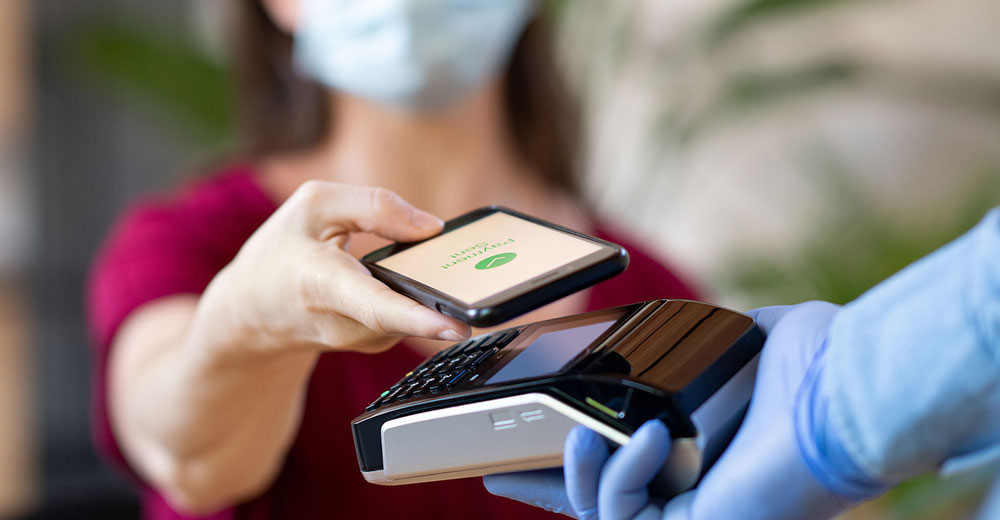
Key Insights
- Advanced Tokenization: Apple Pay replaces your actual card number with a unique, encrypted token that can’t be skimmed.
- Robust Secure Hardware: The use of the Secure Enclave and Secure Element ensures your payment information is stored and processed safely.
- Biometric and Transaction-Specific Authentication: Every transaction requires a unique, one-time cryptographic code along with Face ID, Touch ID, or a passcode for authorization.
Introduction to Apple Pay's Security Architecture
Apple Pay is not just another digital wallet; it represents a fundamental transformation in the way payment systems are designed with security as the cornerstone. With increasing concerns over data breaches, credit card skimming, and fraudulent activities, the need for advanced security has never been more critical. Unlike traditional physical cards that leave you exposed to various vulnerabilities including card skimming, Apple Pay incorporates a multilayered security framework that addresses these threats at multiple levels.
How Traditional Card Skimming Works
Card skimming is a technique commonly employed by criminals to capture the sensitive data encoded on a card's magnetic stripe as the card is swiped through a compromised point-of-sale system. This data, which includes the card number, expiration date, and even the CVV code, can be cloned onto a duplicate card, leading to unauthorized transactions. The traditional transaction process exposes the actual card information, thereby opening up several vulnerabilities. Criminals use various skimming devices attached to card readers or ATMs to seize the necessary information quickly.
Inherent Vulnerabilities of Physical Cards
The risk associated with physical cards is amplified by several inherent vulnerabilities:
- Data exposure through magnetic stripe reading
- No real-time encryption of transaction data
- Potential for data replication and unauthorized reuse
- Lack of dynamic security per transaction
While these vulnerabilities have led to improvements in chip technology (EMV) over time, the physical presence and static nature of the data on physical cards remain a boon for criminals skilled in skimming techniques.
Apple Pay's Security Mechanisms Against Card Skimming
Tokenization: The Core Principle
At the heart of Apple Pay’s security is tokenization, a process that transforms the sensitive card data into a unique token for each transaction. When you add your card to Apple Pay, your actual card number is not stored on the device. Instead, a unique Device Account Number (DAN) is generated. This DAN is a substitute for your real card number and is securely stored in the device's Secure Element.
With tokenization, the actual number on your credit or debit card is never transmitted during a transaction. Instead, each transaction uses a one-time use cryptographic code that is generated uniquely for that specific purchase. This ensures that even if someone were to intercept the data, it would be useless for any subsequent transactions.
How Tokenization Renders Skimming Ineffective
The key point to understand is that traditional skimming relies on capturing static card data like the magnetic stripe information. However, in the tokenized model used by Apple Pay, what is transmitted during a payment is:
- The Device Account Number – a reference token that maps back to your actual card securely stored in the Secure Element.
- A unique cryptographic code – generated for one-time use only during that transaction.
Because these tokens and codes are transformed dynamically for each transaction, even if intercepted, they cannot be reused by fraudsters to replicate the card data or process unauthorized transactions.
The Role of Secure Hardware: Secure Enclave and Secure Element
Apple Pay’s secure environment is established through dedicated hardware components such as the Secure Enclave and the Secure Element. The Secure Element is a tamper-resistant chip designed specifically for storing cryptographic keys and other sensitive information. It is physically isolated from the rest of the device’s operations, making it extremely difficult for malicious software or attackers to access stored data.
Similarly, the Secure Enclave enhances the overall security by handling biometric data verification such as Face ID or Touch ID. Only after successful biometric authentication, or the entry of a passcode, is the transaction authorization process triggered. This hardens the process further by ensuring that only an authenticated user can initiate a transaction, effectively mitigating the risks of unauthorized usage.
Data Isolation and Tamper-Resistance
The isolation provided by the Secure Element and Secure Enclave is crucial in defending against both physical and remote attacks. With these modules overlaying an additional layer of encryption and physical tamper-resistance, any attempt to extract or manipulate the stored tokenized data becomes nearly impossible. This is particularly relevant in deterring high-tech skimming attempts where attackers might try to replicate the card information using advanced tools.
Dynamic Authentication with One-Time Codes
In addition to tokenization, each transaction with Apple Pay is authenticated dynamically through the use of one-time cryptographic codes. This process uses a combination of a transaction-specific counter and key material that was provisioned when the card was added to Apple Pay. The resulting code is unique to that transaction and cannot be reused, which means that even if someone managed to capture it, there is no value, as it would have expired immediately after its use.
This dynamic authentication ensures that every time you make a purchase with Apple Pay, the system effectively generates a miniature, self-contained security procedure specifically tailored to that transaction. This adds another layer of protection against potential fraudsters who might attempt to intercept or mimic legitimate transactions.
Biometric Verification: A Barrier to Unauthorized Transactions
The Role of Biometric Authentication
One of the most significant security enhancements of Apple Pay over physical card transactions is the inclusion of biometric verification mechanisms. Technologies such as Face ID and Touch ID are employed to verify the identity of the user before any transaction is approved. This ensures that even if the physical device is compromised or lost, unauthorized users are unable to execute payments.
Biometric data is stored securely within the Secure Enclave and is never transmitted during any transaction, preserving user privacy while maintaining high security standards. The biometric verification layer not only authenticates the purchase but also contributes to the generation of the dynamic cryptographic token used in the payment process.
Enhanced User Control through Biometrics
If a device is lost or stolen, the presence of biometric security means that the individual in possession of the device cannot simply authorize a transaction. Users can also remotely disable Apple Pay via their associated account settings, mitigating risks before any fraud can occur.
Comparison Table: Apple Pay vs. Traditional Card Transactions
| Feature | Apple Pay | Traditional Cards |
|---|---|---|
| Data Transmission | Uses tokenization and one-time cryptographic codes; real card details are never transmitted. | Sends card number, expiration date, and sometimes CVV over magnetic stripe or chip. |
| Hardware Security | Relies on Secure Element and Secure Enclave; data is isolated and encrypted. | Less secure storage; data is embedded within physical cards and can be cloned via skimming devices. |
| Authentication Method | Biometrics (Face ID, Touch ID) or passcodes; each transaction validated uniquely. | Often limited to PINs or signature; physical card is always accessible. |
| Susceptibility to Skimming | Virtually immune due to tokenization and dynamic authorization process. | High risk because skimming devices can capture static magnetic stripe data. |
| User-Control | Remote disabling via linked account if a device is lost or stolen. | Physical card can be used until reported lost or stolen, increasing exposure risk. |
Real-World Impact of Apple Pay’s Security Features
Fear of Card Skimming: A Growing Concern
The fear of card skimming has resulted in both consumers and service providers being more cautious about handling physical cards. With multiple instances reported globally, the implementation of a system that completely nullifies the threat of skimming is a significant leap forward. By eliminating the exposure of static card details, Apple Pay provides a robust alternative that not only enhances security but also builds trust among users and merchants.
The security model of Apple Pay has been designed as a response to the vulnerabilities associated with the physical exchange and reading of card data. It reflects the evolving landscape of digital transactions where the emphasis is shifting towards innovative, dynamic, and multi-layered security measures. This paradigm shift is especially critical as merchants are looking for payment solutions that minimize their risk of fraud while ensuring a smooth user experience.
Merchant Concerns and the Perceived “Different Authorization”
Some establishments have expressed discomfort in accepting Apple Pay, primarily due to a lack of familiarity with its authorization process. Their concern often revolves around the idea that the transaction process is so different from the conventional swipe or dip of a physical card that it might introduce unknown risks. However, a closer technical inspection reveals that this difference is, in fact, a strength.
The "different type of authorization" includes the use of a one-time-use cryptogram, tokenization, and biometric validation—all of which contribute to transaction security by ensuring that the data used is ephemeral and inaccessible for reuse. This approach drastically mitigates the chance of interception or replication, a key failure point in systems that depend on static data transmission.
The Apple Pay model has been widely adopted with a stellar reputation for not only increasing convenience but also ensuring that the methods used for payment authorization leave very little room for fraudulent activity. Though initial unfamiliarity might cause hesitation among some merchants, increasing adoption and better education on the underlying process continue to pave the way for broader acceptance.
Addressing Common Concerns and Misconceptions
“It’s Secure, But Is It Perfect?”
No security system is entirely impervious to all forms of attack. However, Apple Pay’s design minimizes the risks associated with card transactions to such a degree that, for practical purposes, it becomes virtually impossible to skim a card using this method. The consensus among industry experts and security professionals is that the layered security features—encryption, tokenization, secure hardware, and biometric authentication—offer a significantly higher level of protection compared to traditional card systems.
It is also important to note that while Apple Pay substantially reduces the threat of skimming, it does not eliminate all possible types of fraud. For instance, social engineering attacks, which exploit human behavior rather than technological vulnerabilities, can still pose a threat. However, this is an inherent risk in any financial system and not unique to Apple Pay.
Continual Improvements and Future Prospects
The technology powering Apple Pay is continuously evolving. As advances in biometric verification, encryption technologies, and hardware security are made, the protection provided by systems like Apple Pay is only expected to grow stronger over time. Future iterations may include even more rigorous checks, enhanced contactless payment protocols, and further isolation of sensitive data—all of which will contribute to maintaining Apple Pay’s status as a model for secure digital transactions.
Conclusion and Final Thoughts
In conclusion, a comprehensive examination of Apple Pay’s architecture and security features provides robust evidence that Apple Pay indeed makes card skimming virtually impossible. This is achieved through a combination of advanced tokenization, secure hardware (the Secure Element and Secure Enclave), and a dynamic, transaction-specific authentication process involving one-time cryptographic codes and biometric verification. Such mechanisms circumvent the traditional vulnerabilities inherent in physical cards, where static data is exposed and susceptible to capture by skimming devices.
While no system can claim absolute invulnerability, the layered security approach of Apple Pay significantly reduces the risk of data compromise in environments prone to skimming. Merchant concerns regarding the “different type of authorization” are understandable given the shift from conventional magnetic stripe or chip transactions. However, the enhanced security protocols provide a compelling argument in favor of technology-driven solutions like Apple Pay to mitigate fraud and protect user financial data.
As digital payments evolve with the integration of even more advanced security measures, both consumers and merchants stand to benefit from a reduction in fraud incidents and increased confidence in the payment process. This security-centric model not only fortifies each transaction but also sets new standards for the future of digital commerce.
References
- Apple Support - Apple Pay
- Apple Security Guide - Payment Authorization
- National Processing - Apple Pay Safety
- GoBankingRates - Is Apple Pay Safe?
- Payment Depot - Credit Card Skimmers
- Apple Discussions - Apple Pay Queries
Recommended Further Inquiries
Last updated February 23, 2025