
The Impact of Applied Linguistics on Classroom Practices
Exploring how linguistic theories enhance teaching methodologies and learner outcomes
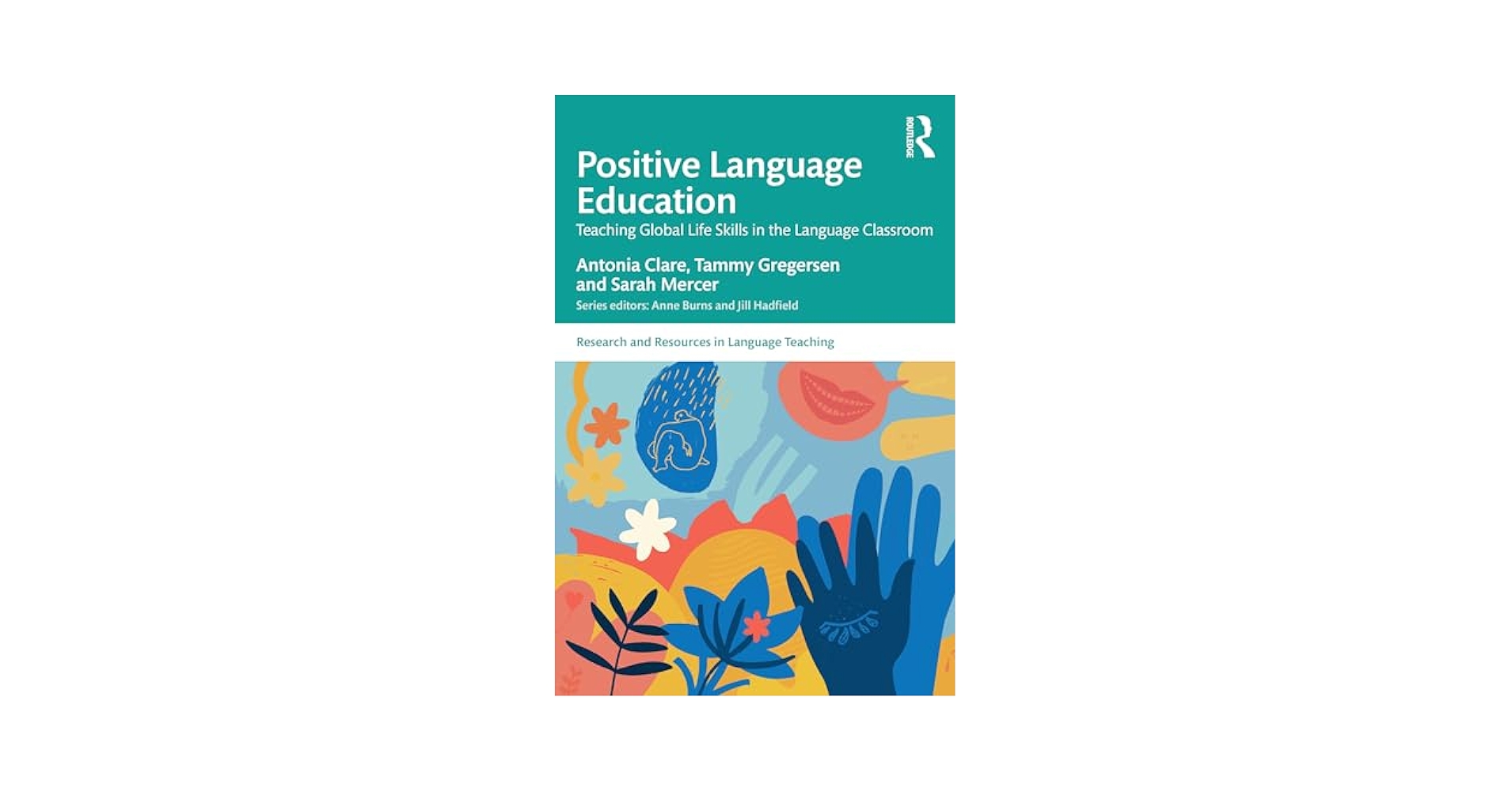
Key Insights from Applied Linguistics in the Classroom
- Enhanced Teaching Methodologies: Integrating data-driven insights to foster more effective teaching strategies.
- Curriculum and Assessment Innovation: Shaping curriculum planning, sequencing, and tailored assessments based on language acquisition theories.
- Technology and Cultural Integration: Leveraging modern tools and socio-cultural perspectives to increase learner engagement and inclusivity.
Introduction
The field of applied linguistics represents a pivotal intersection between language theory and classroom reality. By drawing upon theories such as Universal Grammar, the Input Hypothesis, and sociocultural perspectives, applied linguistics offers frameworks that directly influence how language instruction is structured and delivered. The theoretical insights derived from this field serve to continuously evolve teaching practices, ensuring they are aligned with the cognitive, social, and technological dimensions of learning. In this comprehensive exploration, we detail how these insights transform pedagogical strategies, curriculum development, language assessment, classroom management, and technology integration within language education.
Theoretical Foundations and Pedagogical Application
Understanding Language Acquisition
Applied linguistics makes significant contributions by providing deeper insights into how languages are acquired. This includes the understanding of both first and second language acquisition processes. Theories such as the Input Hypothesis propose that language learners benefit most from exposure to language input that is slightly beyond their current level, often referred to as i+1. Such an approach encourages the creation of learning environments where students are systematically challenged in a supportive manner.
Moreover, developmental linguistics and sociocultural theories highlight the importance of context in language learning. These insights stress that learners’ backgrounds, socio-economic conditions, and cultural experiences deeply influence how they acquire language. Consequently, applied linguistics promotes a learner-centered pedagogy which tailors instruction to individual needs and leverages students' unique linguistic repertoires.
Enhancing Teaching Methodologies
Theoretical insights from applied linguistics have evolved traditional teaching methods into more dynamic, evidence-based strategies. For instance, approaches such as Communicative Language Teaching (CLT) and Task-Based Language Teaching (TBLT) owe their development to underlying linguistic research that emphasizes real-life communication as the core of language use.
Communicative Language Teaching (CLT)
CLT focuses on interaction as both the means and the ultimate goal of learning a language. It encourages spontaneous communication and the implementation of tasks that mirror real-world scenarios. This method fosters skills in negotiation, error correction, and pragmatic usage, all of which stem from a solid grounding in applied linguistics theories regarding language use.
Task-Based Language Teaching (TBLT)
TBLT structures teaching around meaningful tasks that require language application. It moves beyond the isolated teaching of grammar and vocabulary to create integrated activities that challenge learners to solve problems, collaborate, and produce language in authentic contexts. This method is deeply intertwined with the principles of language acquisition, ensuring that learning is both practical and comprehensible.
Curriculum Development Influenced by Linguistic Theories
Applied linguistics plays a crucial role in curriculum planning and development by providing a robust framework that informs what is taught and when it is taught. This approach ensures that the curriculum is coherent, sequenced appropriately, and responsive to the diverse levels of learner needs.
Sequencing and Integration
When designing a curriculum, educators must consider the sequence in which linguistic elements are introduced. Theoretical insights advise that a gradual progression be utilized, starting from basic phonetics to more complex structures such as syntax, semantics, and pragmatics. This sequential design enables learners to build on their knowledge progressively.
Developing Multidimensional Competence
A well-designed curriculum integrates the four main language skills—listening, speaking, reading, and writing—into a balanced framework. The objective is to ensure that exposure to language is not isolated to one area but that all aspects of language use are intertwined. Additionally, applied linguistics supports the development of intercultural communication skills, which are increasingly important in a globalized world.
Innovations in Classroom Practices
Language Assessment and Benchmarking
One of the critical applications of applied linguistics in the classroom is in the realm of language assessment. By mapping out what constitutes linguistic competence, educators can develop assessments that are both fair and reflective of real-world language use.
Effective assessment design draws on theoretical insights to evaluate not just the structural elements of language (grammar and vocabulary) but also functional communication skills, such as pragmatic competence and discourse management. This holistic approach leads to the creation of both formative and summative assessments that offer long-term benefits for learners.
Integration of Technology in Language Learning
Technological advancements in education have been propelled by research in applied linguistics. The integration of tools like computer-assisted language learning (CALL) systems, language learning apps, and multimedia resources is underpinned by linguistic theories that stress the importance of interactive and engaging input.
These technologies offer learners access to authentic language materials, enable personalized learning experiences through adaptive algorithms, and facilitate immediate feedback. They also bridge the gap between theoretical and practical language use by simulating immersive language environments.
Classroom Management and Socio-Cultural Adaptation
Besides contributing directly to teaching methods and assessment, applied linguistics has a profound impact on classroom management and the promotion of an inclusive learning environment. Understanding the interplay between language and social interaction helps educators create classroom climates conducive to effective learning.
By recognizing the socio-cultural dynamics at play, educators can implement strategies that address discipline, bolster learner confidence, and foster an environment where every student feels valued irrespective of their linguistic or cultural background. This inclusive approach not only enhances student performance but also encourages empathy and mutual respect among diverse learners.
Practical Insights and Evidence-Based Strategies
Development of Systematic Pedagogical Frameworks
The practical application of linguistic theories to classroom practices has led to the development of systematic pedagogical frameworks. These frameworks serve as blueprints that enable teachers to navigate the complexities of language instruction effectively. They offer structured approaches to integrating linguistic research with everyday teaching methods, ensuring that educational practices are both scientifically grounded and practically viable.
Holistic View of Language Proficiency
A holistic view of language proficiency, as advocated by applied linguistics, moves beyond grammatical accuracy alone. It emphasizes the importance of fluency, interactive competence, and cultural responsiveness. This comprehensive perspective supports curriculum developers in prioritizing activities and assessments that nurture all dimensions of language competence.
Adapting Theoretical Insights to Diverse Learning Environments
A major benefit of applying theoretical insights from applied linguistics is that it provides adaptable strategies for a wide range of classroom contexts. Whether instructing beginners or advanced learners, insights from linguistic theories help tailor educational practices to varied learner profiles. For example, the recognition of diverse language backgrounds means that educators can incorporate differentiated instruction and scaffold learning experiences that are accessible to everyone.
Differentiated Instruction and Scaffolding
Differentiated instruction, guided by applied linguistics, involves the intentional design of learning activities that cater to different proficiency levels and learning styles. Scaffolding provides temporary support structures that help students achieve higher levels of understanding, which are gradually removed as learners gain competence. This method respects the unique pace and paths of individual language acquisition.
Empirical Validation and Continuous Improvement
Classroom practices informed by applied linguistics are not static; they are continually refined based on emerging research and empirical evidence. Educators often engage in professional development, training, and peer collaboration to ensure that their methods remain at the forefront of pedagogical innovation. This culture of continuous improvement not only enhances teaching effectiveness but also empowers educators to adopt new methodologies as linguistic research evolves.
Supporting Data and Comparative Analysis
Comparative Overview of Core Elements
To illustrate how various aspects of applied linguistics contribute to the overall classroom dynamic, the table below summarizes several core elements along with their practical outcomes:
| Aspect | Theoretical Contribution | Classroom Implementation |
|---|---|---|
| Language Acquisition | Input Hypothesis, Interaction | Exposure to comprehensible input, immersive activities |
| Teaching Methodologies | CLT, TBLT, TPR | Communicative activities, task-based projects, use of physical movement |
| Curriculum Development | Sequential and integrated frameworks | Structured lesson plans encompassing all language skills |
| Assessment | Holistic language competence models | Performance-based evaluations and authentic assessment tasks |
| Technology Integration | CALL systems and multimedia learning | Implementation of digital tools and interactive software |
| Social Interaction | Sociocultural theories | Inclusive classroom management and culturally responsive teaching |
This table offers a simplified yet comprehensive look at the multifaceted way theoretical insights influence day-to-day language instruction. Each element of applied linguistics is interconnected with practical strategies that ensure teaching methods are both effective and adaptable.
Challenges and Future Directions
Balancing Theory and Practice
While the contributions of applied linguistics to classroom practices are numerous, educators may face challenges in merging rigorous theoretical models with the practical constraints of classroom environments. These challenges include:
Time Constraints and Curriculum Demands
Teachers must balance the need for a structured curriculum with the flexibility required to adapt to learners’ immediate needs. Theoretical models suggest extensive scaffolding and differentiated instruction, yet classroom time is often limited. Effective solutions have involved creating modular curricula that allow incremental integration of advanced approaches.
Resource Limitations and Technological Access
Incorporating modern technological tools and multimedia resources is highly recommended by applied linguistics research. However, educators in underfunded or resource-limited environments might find it challenging to adopt these technologies. Professional development and institutional support remain key to overcoming these hurdles.
Future Prospects in Language Education
With the continuous evolution of research in applied linguistics, the future promises further refinement in teaching methods, curriculum design, and language assessments. Emerging areas include:
- Personalized Language Learning: Adaptive learning technologies are increasingly incorporating machine learning to tailor instruction to individual learner profiles.
- Interdisciplinary Approaches: Integration of cognitive neuroscience and digital literacy with traditional linguistic frameworks to create richer, more holistic learning experiences.
- Global Perspectives: Enhanced focus on cultural competence and global citizenship through curricula that bring diverse linguistic and cultural narratives to the forefront.
Conclusion
The integration of applied linguistics into classroom practices has transformed language education from a set of static, traditional methodologies into a dynamic, evidence-based, and learner-centered discipline. The continuous interplay between theoretical insights and practical application in areas such as language acquisition, curriculum development, assessment, technology integration, and classroom management underscores the important role that applied linguistics plays in shaping effective teaching practices. By leveraging linguistic theories, educators are better equipped to design curricula that are sequential, inclusive, and responsive to the diverse needs of learners.
While challenges remain—particularly in balancing structured curricula with innovative methods, and integrating technology in resource-constrained environments—the ongoing evolution of applied linguistic research promises further advancements. As language education moves forward, the sustained emphasis on empirical research, culturally responsive teaching, and learner-centered methodologies will continue to drive improvements in classroom practices worldwide.
In summary, theoretical insights from applied linguistics not only inform the design of effective language teaching methods but also empower educators to cultivate environments where every learner can thrive. The commitment to continuous improvement and evidence-based practice marks a forward-thinking approach that promises enduring benefits in language education.
References
- Applied Linguistics Explained - StudySmarter
- Impact on Language Teachers - Academia.edu
- Applied Linguistics and Curriculum Design - Cambridge University Press
- Enhancing Language Teaching Methods - LinkedIn Advice
-
Cognitive Linguistics in Language Instruction - Cambridge Journals
- Applied Linguistics in Practice - Oxford Academic
Recommended Further Inquiries
 assets.cambridge.org
Last updated February 22, 2025