
Understanding the Aroma of Low-Salt Fermented Sour Fish
A comprehensive exploration of aroma compounds and analytical techniques
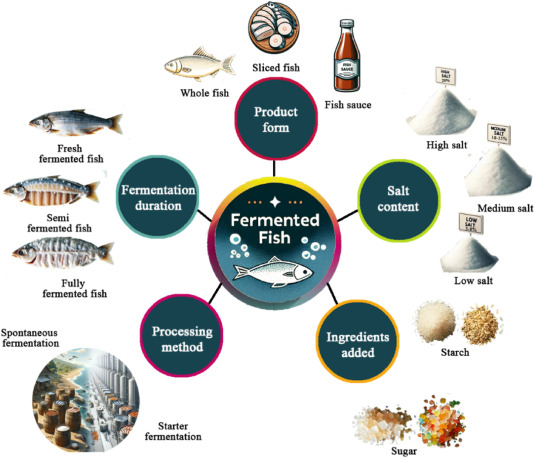
Key Highlights
- Analytical Techniques: Use of GC-MS, HS-SPME, and aroma recombination-omission experiments to decipher aroma profiles.
- Aroma Determinants: Identification of critical compounds with high odor activity values (OAV), such as ethyl acetate, isoamyl acetate, and ethyl hexanoate.
- Impact of Salt Reduction: Insights into how low-salt fermentation modulates microbial activity and enzymatic reactions, influencing aroma formation.
Introduction to Aroma in Fermented Sour Fish
Fermented sour fish, especially when produced with lower salt concentrations, has a distinctive aroma that appeals to both traditional consumers and modern gastronomes. The aroma of such products is not only a key sensory attribute but also plays a crucial role in consumer acceptance and product differentiation. The characterization of these aroma compounds involves complex interactions among various volatile compounds that are influenced by both the raw material and the conditions during fermentation.
Analytical Methodologies Employed
Gas Chromatography-Mass Spectrometry (GC-MS)
One of the pivotal techniques used in the identification of volatile compounds in low-salt fermented sour fish is gas chromatography-mass spectrometry (GC-MS). This method allows researchers to separate individual components within a complex mixture and subsequently identify them based on their mass spectra. GC-MS has been instrumental in identifying a multitude of aroma-active compounds in various fermented foods.
Headspace Solid-Phase Microextraction (HS-SPME)
Prior to GC-MS analysis, the aromatic compounds are often extracted from the sample using headspace solid-phase microextraction (HS-SPME). This non-destructive technique concentrates volatile components, facilitating better detection and quantification during GC-MS analysis. HS-SPME is particularly useful in preserving the delicate balance of aroma compounds in food matrices.
Odor Activity Values (OAVs)
In aroma research, the concept of Odor Activity Values (OAVs) is crucial. An OAV is the ratio of the concentration of an aroma compound in the product to its sensory threshold. Compounds with an OAV greater than 1 are deemed to be significant contributors to the overall aroma as they are present in concentrations above their detection thresholds. This quantitative measure helps in prioritizing which compounds have a perceptible impact on the final aroma.
Aroma Recombination and Omission Experiments
Beyond mere identification, aroma recombination and omission experiments provide a sensory validation of the analytical findings. In these experiments, a model aroma is reassembled using individual compounds identified through GC-MS and HS-SPME. Panelists then evaluate how closely the recombined aroma matches the original fermented product. Additionally, omission experiments involve systematically leaving out one or more compounds to determine their specific contributions to the overall aroma.
Key Aroma Compounds Identified in Low-Salt Fermented Sour Fish
The aroma profile of low-salt fermented sour fish is complex and composed of multiple volatile compounds. Among those, certain key compounds have been highlighted for their dominant influence:
Notable Esters
Esters such as ethyl acetate, isoamyl acetate, and ethyl hexanoate have been recorded with high OAVs in the study. These compounds are responsible for fruity and sweet notes that often balance the overall aroma profile. Notably, isoamyl acetate has been observed with an exceptionally high OAV, indicating its strong impact on the fermented fish's sensory characteristics.
Other Volatile Compounds
In addition to esters, the aroma profile also comprises a variety of other volatile compounds. Aldehydes contribute to slight pungency and complexity, while sulfur-containing compounds, even in minute amounts, can play a role in creating the unique sensory signature of fermented fish. It is the synergy among these volatile molecules that results in the final perceived aroma.
Impact of Salt Reduction on Aroma Formation
The salt concentration during fermentation not only affects microbial growth but also impacts enzymatic activities responsible for lipid breakdown and protein degradation. Lowering the salt content can modify the metabolic pathways active during fermentation. This alteration can lead to changes in the types and concentrations of volatile compounds produced. The reduced ionic strength in the medium may enhance the activity of certain enzymes, resulting in a higher production of specific aroma compounds.
Microbial Activity and Enzymatic Influence
During fermentation, specific microorganisms play a pivotal role in producing aroma compounds. Low salt levels encourage the growth of different microbial communities compared to their high-salt counterparts. These microorganisms produce enzymes that catalyze the conversion of amino acids, lipids, and carbohydrates into various aroma-active compounds.
Lipid Oxidation and Ester Formation
Lipid oxidation is a fundamental process that significantly contributes to aroma development in fermented sour fish. The breakdown of polyunsaturated fatty acids leads to the formation of volatile aldehydes, acids, and esters. These compounds, particularly esters like ethyl acetate and ethyl hexanoate, impart a nuanced balance of fruity and tangy notes to the final aroma.
Proteolysis and Flavor Complexity
Proteolysis, the breakdown of proteins into peptides and amino acids, is another critical biochemical reaction during fermentation. The release of free amino acids serves as precursors for various aroma compounds. For instance, some amino acids can undergo decarboxylation and further chemical transformations to produce amines and aldehydes, enhancing the savory and umami aspects of the aroma.
Comparative Analysis of Aroma Profiles
To better appreciate the interplay of the key aroma compounds, the following table provides a comparative overview of selected compounds including their roles, odor activity values (OAVs), and aroma characteristics:
| Compound | Role in Aroma | Odor Activity Value (OAV) | Sensory Descriptor(s) |
|---|---|---|---|
| Ethyl Acetate | Provides fruity and sweet notes | > 100 (e.g., OAV = 189) | Fruity, sweet |
| Isoamyl Acetate | Dominant contributor to overall aroma | > 400 (e.g., OAV = 424) | Banana-like, fruity |
| Ethyl Hexanoate | Enhances overall aroma complexity | > 60 (e.g., OAV = 66) | Sweet, fruity |
| Aldehydes | Provide pungent and nuanced complexity | Variable | Green, grassy, slightly pungent |
This table reiterates the importance and interplay of various compounds, underscoring how each contributes uniquely to the aroma profile of low-salt fermented sour fish.
Sensory Validation through Recombinant Aroma Models
Sensory evaluation remains a cornerstone in validating analytical findings. In studies investigating the aroma of fermented sour fish, experts often create recombinant aroma models. These models involve mixing the identified key aroma compounds in a matrix that is otherwise devoid of its inherent aroma (often referred to as an odorless matrix). The recombined aroma is then compared to the original fermented fish.
Scoring and Sensory Matching
In one such study, the recombined aroma achieved a sensory score indicating a close match with the original product, often around 4.5 out of 5 on a hedonic scale. This high level of agreement underscores the accuracy of the analytical techniques and the significance of the chosen key aroma compounds. Additionally, omission experiments—where one specific compound is removed from the mixture—help pinpoint the importance of each component. If the removal of a particular compound results in a noticeable change in aroma perception, that compound is deemed essential.
Practical Applications and Implications
The intricate balance of aroma in low-salt fermented sour fish is not only of academic interest but also has significant practical applications in the food industry. Producers and manufacturers can leverage these findings to:
Quality Control and Flavor Consistency
Understanding which aroma compounds are crucial allows food technologists to monitor production processes more closely and ensure product consistency. By targeting specific volatile compounds, producers can maintain the desired sensory profile even as formulation or process variables may fluctuate.
Product Development and Innovation
Insight into the aroma profile paves the way for innovative product development. For example, modifying fermentation conditions to optimize the presence of beneficial aroma compounds can lead to the creation of new fermented products with unique flavor profiles. This approach also helps in addressing consumer preferences for reduced salt content while not compromising on flavor.
Customization and Regional Preferences
Different consumer segments and regional cuisines may prefer subtle variations in aroma. Leveraging the detailed knowledge of key aroma compounds allows manufacturers to tailor their products according to specific market demands. Adjustments in fermentation, ingredient selection, and even post-processing techniques can be guided by these insights, thereby optimizing the sensory appeal of the final product.
Integrating Scientific Findings with Traditional Practices
The research on aroma compounds in low-salt fermented sour fish bridges modern analytical chemistry with traditional culinary practices. Traditional fermentation methods, passed down through generations, have always yielded unique flavors and aromas. Modern techniques such as GC-MS and HS-SPME now provide a scientific rationale behind these age-old practices.
Relevance in Modern Cuisine
The integration of modern analytical methods with traditional recipes not only validates cultural food practices but also offers avenues to enhance and preserve traditional flavors in a modern context. The findings can be used to improve fermentation protocols, optimize seasoning levels, and ensure that the iconic sensory attributes of fermented sour fish are consistently delivered.
Consumer Education and Marketing
For the consumer, understanding the science behind aroma can deepen appreciation for fermented foods. Knowledge of aroma compounds and their roles helps consumers make informed choices and can form an important part of marketing strategies that emphasize authenticity and quality. Producers can highlight these scientific insights as a quality guarantee, thereby strengthening brand trust and loyalty.
Comparative Overview of Analytical Findings
In addition to developing a sensory profile, compiling comprehensive data is vital for understanding the aroma landscape. The following table offers a detailed comparison of the analytical methods and key aroma constituents found in the study:
| Analytical Technique | Purpose | Notable Findings |
|---|---|---|
| GC-MS | Separation and identification of volatile compounds | Identification of diverse compounds such as esters, aldehydes, and sulfur compounds |
| HS-SPME | Extraction and concentration of aroma compounds | Efficiently captures the volatile fraction from a complex food matrix |
| OAVs | Quantitative measure of aroma contribution | Highlights compounds like isoamyl acetate, ethyl acetate, and ethyl hexanoate as key contributors |
| Aroma Recombination/Omission | Sensory validation of analytical data | Confirms reproducibility and significance of each aroma compound |
Future Perspectives in Aroma Research for Fermented Foods
The research into aroma compounds in low-salt fermented sour fish sets a solid foundation for future explorations. Further studies could delve into the dynamic changes in aroma profiles over the fermentation timeline, assess the impact of different fish species, and compare fermentation under varying salt concentrations. Additionally, exploring the genetic and metabolic traits of the microorganisms involved can offer deeper insights into how specific volatile compounds are synthesized.
Advanced Metabolomics and Genomic Approaches
Future research could integrate advanced metabolomics and genomic techniques to map the biosynthetic pathways responsible for aroma compound production. These approaches would provide a holistic understanding of the biochemical networks and how they are regulated under fermentation conditions. As a result, producers could manipulate fermentation parameters with greater precision to yield desired aroma profiles.
Consumer-Centric Product Innovation
Engaging consumers in sensory evaluation studies and incorporating their feedback into the research process will be fundamental. This consumer-centric approach ensures that the resulting products not only meet scientific standards but also appeal to the market’s taste preferences, ultimately bridging the gap between analytical rigor and culinary satisfaction.
References
- Characterization of key aroma compounds in low-salt fermented sour fish - Semantic Scholar
-
Characterization of key aroma compounds in low-salt fermented sour fish - ScienceDirect
- Characterization of key aroma compounds in low-salt fermented sour fish - PubMed
- Characterization of key aroma compounds in low-salt fermented sour fish - ResearchGate
-
Characterization of aroma compounds in fermented fish - OUCI
Recommended Further Reading
Last updated March 8, 2025