
Interpreting Article 93 of Executive Decree No. 21-261
Understanding Technical, Safety, and Compliance Requirements in Hydrocarbon Facilities
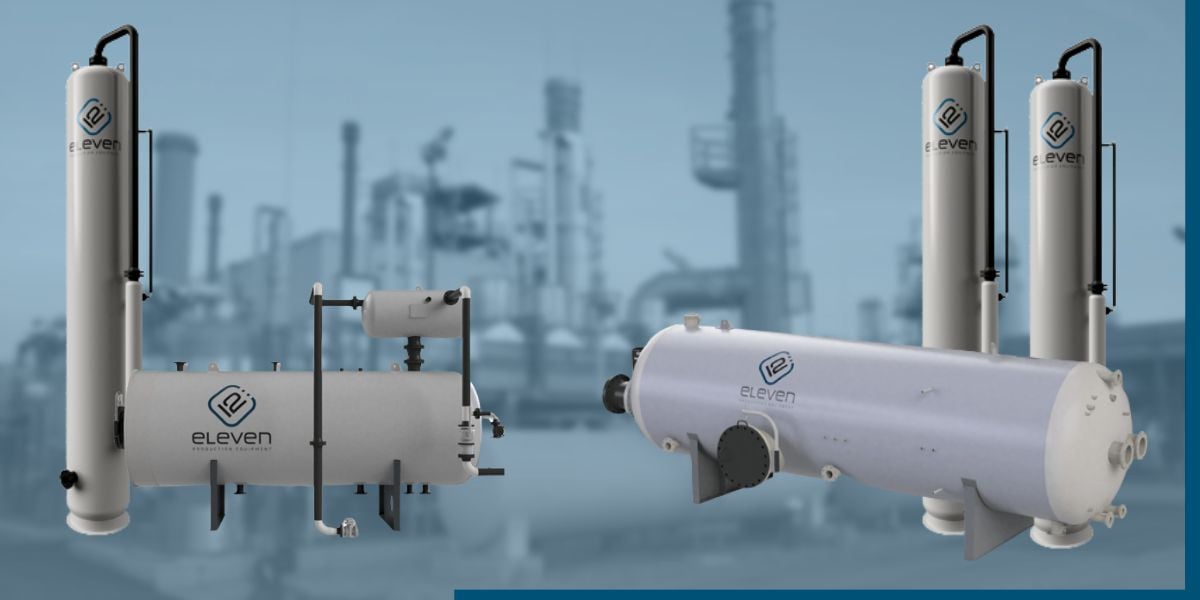
Key Highlights
- Technical and Safety Compliance: Article 93 details rigorous standards ensuring that pressurized and electrical equipment conform to high safety and engineering practices.
- Approval Process and Documentation: Emphasis is placed on thorough technical reviews, mandatory inspections, and proper certification before equipment is operational.
- Regulatory Oversight and Continuous Evaluation: The Hydrocarbons Regulatory Authority (ARH) plays a central role in reviewing technical dossiers and ensuring consistent compliance.
Overview of Executive Decree No. 21-261
Executive Decree No. 21-261, issued on June 13, 2021, is a critical legal instrument in Algeria that governs the regulation of pressurized equipment and electrical installations designed for incorporation into hydrocarbon sector facilities. The decree establishes comprehensive requirements regarding the design, construction, installation, and maintenance of such equipment, with a clear focus on ensuring the safety of operations in environments where hydrocarbons are processed, stored, or transported.
A key aspect of the decree is its focus on technical dossier approval—a detailed compilation of engineering data, compliance certifications, inspection reports, and maintenance records. These dossiers must be evaluated and approved by the Hydrocarbons Regulatory Authority (ARH) to validate that the equipment meets national and international safety standards.
Detailed Interpretation of Article 93
Purpose and Scope
Article 93 is positioned within a regulatory framework that seeks to guarantee the integrity and safe operation of critical infrastructure in the hydrocarbon sector. Based on available interpretations, Article 93 is focused on:
- Technical Dossier Evaluation: The article mandates that all relevant technical files undergo a thorough review process. This involves assessing the design, material specifications, and installation procedures to ensure that they adhere to the required standards.
- Standardization and Certification: It specifies that any equipment or installation must comply with established national and international engineering and safety regulations. The process includes obtaining certifications from recognized bodies, thus confirming that the equipment is constructed and maintained in line with the legal standards.
- Routine Inspections and Approvals: Article 93 stipulates that periodic inspections are essential to sustain compliance over time. Regular auditing by the ARH or accredited assessment bodies is implied, ensuring equipment integrity and operational reliability.
Key Components and Requirements
1. Technical Review Process
One of the core elements described in Article 93 involves the mandatory technical review process. This process requires that all documentation related to the design, installation, and operational procedures of pressurized equipment and electrical installations be assembled into a technical dossier. The dossier must include detailed engineering calculations, material specifications, safety test results, and compliance certifications.
The ARH is tasked with evaluating these documents by comparing them with national standards as well as international best practices. The objective is to ensure that every piece of equipment has been designed for maximum safety and efficiency before it is cleared for operational use.
2. Compliance with Safety Standards
Safety is paramount in the hydrocarbon industry. Article 93 insists on strict adherence to safety standards to avoid potential hazards such as explosions, leakages, or structural failures. Compliance involves:
- Verifying that all materials and construction methods meet the prescribed safety criteria.
- Undertaking comprehensive testing procedures such as nondestructive testing (NDT), pressure testing, and thermal analysis.
- Ensuring that every component is certified by an accredited accreditation body before and after installation.
3. Documentation and Record-Keeping
Article 93 also requires meticulous documentation. Operators must establish and maintain records that include:
- Inspection reports
- Maintenance logs
- Certification receipts
- Detailed technical files
These documents serve as proof of compliance during routine inspections and audits by regulatory authorities. The strong emphasis on record-keeping ensures that any discrepancies or potential risks can be quickly identified and remedied.
4. Role of the Hydrocarbons Regulatory Authority (ARH)
The Hydrocarbons Regulatory Authority is a central figure in the enforcement of Executive Decree No. 21-261. Within the context of Article 93, the ARH's responsibilities include:
- Overseeing the review and approval of technical dossiers to verify that all operational and safety criteria have been met.
- Conducting regular inspections and audits to ensure ongoing compliance with both national and international regulations.
- Issuing certifications and approvals that allow hydrocarbon facilities to operate their pressurized and electrical equipment.
Through these mechanisms, the ARH ensures that all equipment is continually monitored and upgraded as necessary to meet evolving safety standards.
Implementation and Operational Impact
Ensuring Consistency in the Hydrocarbon Sector
The structured requirements of Article 93 lead to a series of operational benefits. In an industry where even minor oversights can result in catastrophic failures, the accuracy of the technical review process, as outlined in the decree, is indispensable. By rigorously enforcing certificate and standard compliance, Article 93 helps prevent accidents due to equipment failure and promotes a culture of safety and reliability within the hydrocarbon sector.
Quality Assurance Through Certification
Equipment certification is not merely a formality; it is a necessary confirmation that every piece of installed equipment is built and maintained to meet robust engineering requirements. This certification process is twofold:
- Pre-operational testing and certification of new installations.
- Ongoing evaluations, including post-installation inspections and scheduled maintenance, ensuring that safety standards are upheld throughout the operational lifespan.
These measures minimize the risk of equipment failures that can lead to hazardous incidents, thereby protecting both personnel and the surrounding environment.
Impact on Industry Regulations and Compliance Culture
The detailed requirements embedded in Article 93 contribute significantly to shaping the regulatory landscape of the hydrocarbon sector. With an integrated approach that includes comprehensive documentation, standard-based reviews, and continuous inspection protocols, companies are encouraged to incorporate a culture of safety and accountability in their operational practices. This not only strengthens compliance with existing regulations but also provides a robust framework for future regulatory developments.
Comparative Table: Key Features of Article 93
| Aspect | Description |
|---|---|
| Technical Dossier Evaluation | Requires detailed engineering data, safety test results, and maintenance procedures submitted for approval by the ARH. |
| Safety Standard Compliance | Enforces adherence to both national and international safety standards, including material certification and equipment testing. |
| Inspection and Approval | Mandates regular inspection processes to ensure continuous adherence to safety protocols after the initial approval. |
| Certification Requirements | Equipment must be certified by recognized bodies capable of evaluating the integrity and reliability of the equipment. |
| Documentation and Record-Keeping | Requires comprehensive logs related to installation, maintenance, and inspection to be available for review during audits. |
| Regulatory Oversight (ARH) | The ARH plays an active role in reviewing, certifying, and conducting ongoing inspections to maintain high operational standards. |
Practical Applications and Implications
For Industry Professionals
For engineers, safety managers, and regulatory compliance officers in the hydrocarbon sector, a detailed understanding of Article 93 is essential. It serves as a blueprint for establishing a compliant system of record-keeping and safety checks that can preemptively address any discrepancies in equipment performance. By embedding these requirements into day-to-day operations, companies can streamline approval procedures and safeguard against potential safety violations.
For Regulatory Authorities
Regulatory bodies such as the ARH leverage the strict guidelines provided in Article 93 to develop a transparent, accountable, and consistent review process. Such rigor in oversight promotes:
- Enhanced reliability of technical dossiers submitted by industry players.
- Timely identification and rectification of compliance issues through holistic inspection regimes.
- Improved trust between regulatory authorities and operating companies, paving the way for smoother operational approvals.
For the Hydrocarbon Sector
Overall, the systematic implementation of Article 93 has a profound impact on ensuring operational efficiency and safety within the hydrocarbon sector. Companies benefit from a structured approach to risk management that encompasses rigorous testing, thorough documentation, and ongoing evaluations—all contributing to a safer working environment and minimized risk of industrial accidents.
References
-
Décret exécutif N° 21-261 - ARH - ARH
- Décret 21-261.englilsh Version | PDF - Scribd
- Décret Exécutif N° 21-261 | PDF - Scribd
- Document PDF - Joradp
-
Hydrocarbons Technical File - ARH
Recommended Related Queries
Last updated March 21, 2025