
Artificial Regulatory Evolution: A Comprehensive Review
Exploring the fusion of evolution, gene regulation, and computational innovation
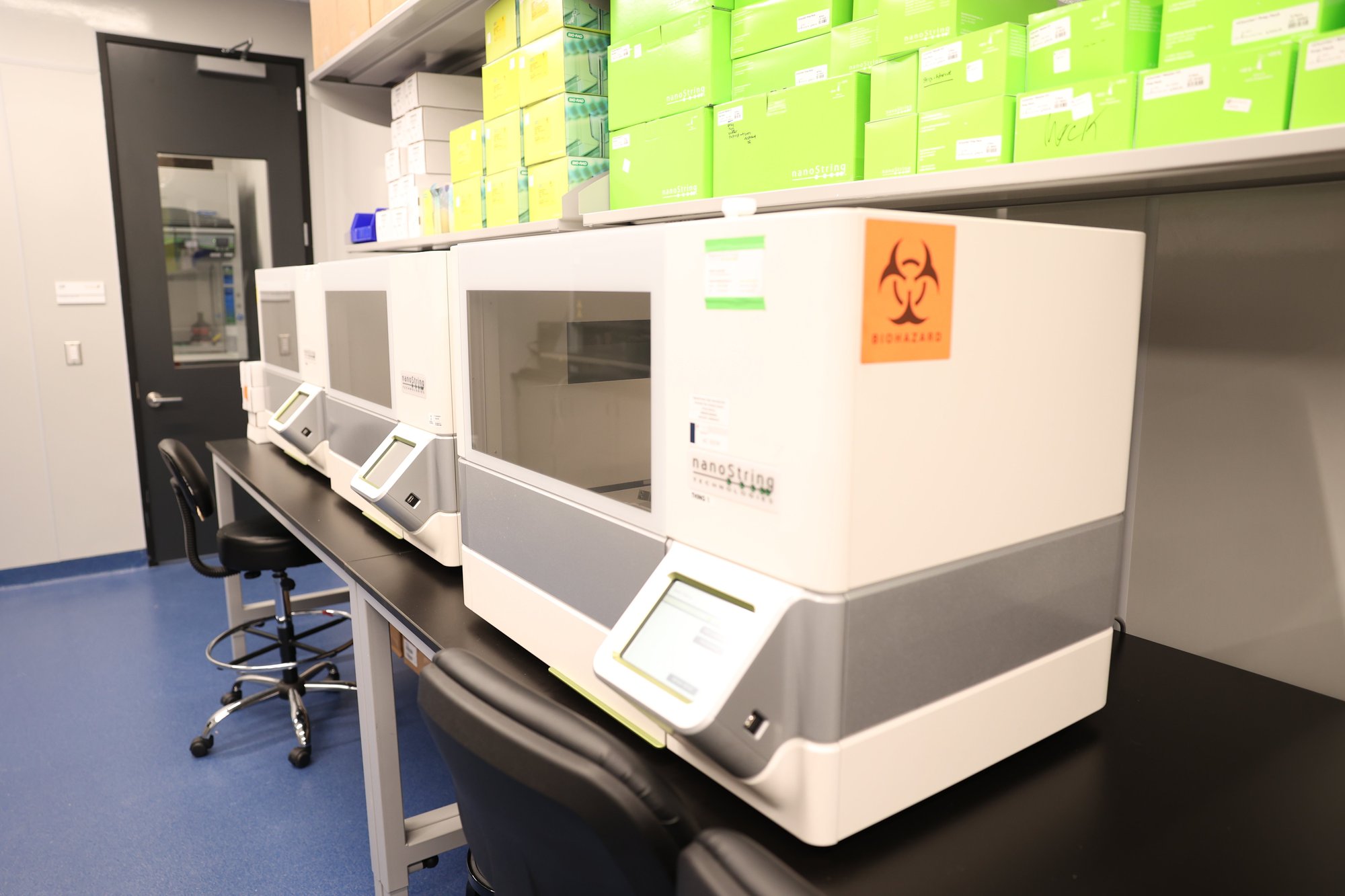
Key Highlights
- Definition and Scope: Artificial regulatory evolution integrates evolutionary principles and regulatory network design to engineer gene regulation.
- Historical Development: Emerged through advances in synthetic biology, computational modeling, and evolutionary algorithms.
- Technological Progress: Incorporates advanced simulation, machine learning techniques, and interdisciplinary research to address complex biological challenges.
Definition and Conceptual Foundations
Artificial regulatory evolution is an interdisciplinary field that combines principles from evolutionary biology, computational modeling, and synthetic biology to design, simulate, and optimize gene regulatory networks (GRNs). In natural systems, GRNs control how genetic instructions are translated into phenotypes—shaping the development, adaptation, and evolution of organisms. Artificial regulatory evolution harnesses these biological principles to create artificial networks that mimic the adaptive responses of natural systems.
At its core, the concept involves the use of evolutionary algorithms and advanced modeling techniques to simulate the evolution of regulatory systems. These systems are designed to emulate natural regulatory mechanisms where multiple environmental cues, stochastic events, and genetic interactions come together to produce complex outcomes. In essence, artificial regulatory evolution offers a powerful framework to understand and control gene expression in desired ways, paving the way for innovations in biotechnology, medicine, and adaptive system design.
Historical Background
Early Studies and Emerging Ideas
The foundations of artificial regulatory evolution can be traced back to early studies in gene regulatory networks, where scientists sought to understand how genetic regulation influences organismal development and evolution. Initial research focused on natural GRNs and the discovery that morphological diversity is often driven by changes in the regulation and timing of gene expression, rather than simply by alterations in the gene sequences themselves.
The journey began with critical insights into cis-regulatory elements (CREs), which are non-coding regions of DNA that control the timing, location, and level of gene expression. These early studies laid the groundwork for understanding how slight modifications in gene regulation could lead to significant phenotypic changes, fueling later advancements in synthetic biology.
Advent of Evolutionary Algorithms
Parallel to these biological discoveries, the development of evolutionary algorithms provided a robust computational framework for mimicking natural selection processes. Techniques such as genetic algorithms and evolutionary strategies were introduced to solve complex optimization problems by iteratively modifying candidate solutions. Initially applied to engineering and computer science, these algorithms were later adapted for use in biological contexts—enabling the simulation and optimization of GRNs.
With the advent of these algorithms, researchers began experimenting with artificial gene regulatory networks, using computational methods to simulate evolutionary processes that drive regulatory changes. This era marked the transition from understanding natural systems to actively designing and controlling them, setting the stage for the current capabilities in the field.
Impact of Synthetic Biology
The synthetic biology revolution further accelerated the evolution of regulatory engineering. With breakthroughs in DNA synthesis and cellular engineering, scientists were now able to construct artificial gene circuits from the ground up. These synthetic systems allowed researchers not only to replicate natural regulatory mechanisms but also to innovate entirely new functions.
Combined with computational advances, synthetic biology enabled the systematic design of artificial regulatory elements that can respond to environmental stimuli or engineered signals. This synergy between physical biology and in silico simulations has been central to breakthroughs in artificial regulatory evolution, bridging the gap between theoretical models and practical applications.
Technological Progress and Methodological Advances
Modeling and Simulation of Gene Regulatory Networks
One of the core progress areas in artificial regulatory evolution is the development of sophisticated computational models that simulate the dynamics of gene regulatory networks. Researchers now employ models ranging from simple Boolean networks to intricate systems based on differential equations to capture the behavior of regulatory interactions. These models are used to predict the effects of mutations, environmental shifts, and regulatory rewiring.
More advanced approaches involve sequence-to-expression modeling, which correlates genetic sequences with their respective gene expression profiles. By leveraging high-throughput data and machine learning algorithms, scientists can explore the fitness landscapes of regulatory networks, identifying the critical parameters and interactions that drive successful adaptation.
Evolutionary Optimization Techniques
Evolutionary algorithms play a pivotal role in navigating the vast search space of potential network configurations. Researchers define fitness functions that encapsulate desired biological outcomes, such as improved metabolic efficiency, enhanced stress responses, or novel phenotypic traits. The algorithms then iteratively adjust the network structure, selecting for configurations that maximize the fitness function.
This iterative process results in the discovery of optimized networks that might not be easily deducible through traditional methods. Techniques such as gene duplication and regulatory network rewiring are used to explore avenues for increasing network complexity and functionality, often without incurring the fitness costs observed in natural whole-genome duplication events.
Integration with Artificial Intelligence
Artificial regulatory evolution has also benefitted significantly from the integration of artificial intelligence, particularly through machine learning and deep learning approaches. These tools enhance model accuracy by allowing researchers to incorporate vast amounts of biological data and derive complex patterns that guide network evolution. As AI technologies continue to mature, they offer the potential to not only simulate but also predict biological evolution with increased precision.
The synergy between evolutionary algorithms and AI has made it possible to automate the design and optimization process for artificial regulatory elements, expediting research cycles and reducing the time between hypothesis formulation and experimental validation.
Interdisciplinary Integration and Applications
The evolution of artificial regulatory evolution is marked by its interdisciplinary nature, combining insights from biology, computer science, engineering, and complex systems theory. This integration has led to applications in various fields, including:
| Application Area | Description |
|---|---|
| Synthetic Biology | Design and construction of gene circuits for tailored biological functions. |
| Drug Development | Optimization of metabolic pathways and regulatory mechanisms for novel therapies. |
| Adaptive Systems | Development of computational systems that adapt through evolutionary-inspired regulatory mechanisms. |
| Biomimetic Engineering | Implementation of evolutionary principles in artificial devices to mimic natural resilience and adaptability. |
These multifaceted applications underscore the transformative potential of artificial regulatory evolution not only in understanding biological complexity but also in driving innovation across technology and medicine.
Challenges and Future Directions
Complexity and Modeling Limitations
Despite major advancements, several challenges persist in the field of artificial regulatory evolution. One of the primary difficulties is the inherent complexity of gene regulatory networks. Natural GRNs consist of layers of interactions that are often non-linear and context-dependent, making them difficult to model accurately. Current computational models, though increasingly sophisticated, sometimes struggle to capture the full dynamism of these systems.
Additionally, a limited understanding of the complete regulatory code hinders the ability to design fully predictive models. While great strides have been made in capturing the dynamics of gene expression, there remains a need for models that can integrate detailed environmental inputs with diverse cellular states.
Computational Cost and Scalability
The search space for optimizing GRNs using evolutionary algorithms is vast, and the computational cost can be significant, particularly when simulating large and intricate networks. Researchers continue to explore methods to improve the efficiency of these algorithms without compromising on the accuracy of the models.
Scalability is another concern. As the complexity of the networks increases, so does the need for standardized building blocks and frameworks that can be reliably reproduced across different systems and research settings.
Ethical and Safety Considerations
As with many areas that intersect with genetic engineering and AI, ethical and safety concerns are paramount. The ability to modify and design regulatory networks raises questions about unintended consequences in both ecological and clinical settings. Researchers and policymakers must work in tandem to establish guidelines that ensure the responsible application of these technologies.
Future directions in artificial regulatory evolution call for:
- Development of more accurate and computationally efficient models, integrating richer datasets.
- Expansion of the synthetic regulatory toolkit to offer a wider range of control elements.
- Deeper collaboration between AI specialists, biologists, and regulatory bodies to foster innovation while ensuring ethical oversight.
- Standardization of methodologies to facilitate reproducibility and scalability in experimental and industrial settings.
Interdisciplinary Applications and Impact
Biotechnology and Medicine
In the realm of biotechnology, artificial regulatory evolution is already making a profound impact. By engineering regulatory networks that control metabolic pathways, scientists are paving new ways to produce biofuels, pharmaceuticals, and other valuable chemicals. The capacity to fine-tune gene expression has significant implications for gene therapies and personalized medicine, where precise control over cellular behavior can mean the difference between therapeutic success and failure.
Furthermore, the integration of AI into this field has accelerated drug development processes by enabling the rapid optimization of lead compounds and reducing the time required for clinical validations. This blend of computational and biological insights is creating a robust platform for innovative therapeutic strategies.
Engineering Adaptive Systems
Beyond traditional biotechnology, the principles underlying artificial regulatory evolution inspire new approaches in engineering adaptive systems. Whether in the development of robotics or autonomous systems, the ability to emulate natural evolutionary processes offers promising avenues for creating machines that can learn, adapt, and perform complex tasks in dynamic environments.
The insights gained from studying gene regulatory networks serve as an analogy for control systems in engineering, where regulatory feedback and adaptive behavior are critical for resilience. By borrowing concepts from biological evolution, engineers are able to design systems that not only respond to external stimuli but evolve their operational parameters over time.
References
- Evolution of Drug Development and Regulatory Affairs: The Demonstrated Power of Artificial Intelligence - PubMed
- Artificial Gene Regulatory Networks—A Review - MIT Press Direct
- Emerging Principles of Regulatory Evolution - NCBI Bookshelf
- The History and Evolution of Artificial Intelligence: A Journey Through Time - LinkedIn
- The Evolution Of AI Regulation Locally, Nationally And Internationally - Forbes
-
Technological Revolution and Regulatory Innovation: How Governmental Attitudes Evolve - ScienceDirect
- Regulation of Artificial Intelligence - Wikipedia
- Evolution of Gene Regulatory Networks - Nature Reviews Genetics
- Synthetic Gene Circuits and Artificial Regulatory Networks - Cell
-
Computational Models in Regulatory Evolution - ScienceDirect
Recommended Related Queries
Last updated March 1, 2025