
ASEAN's Multifaceted Role in Southeast Asia
Exploring Political Stability, Economic Integration, and Cultural Harmony
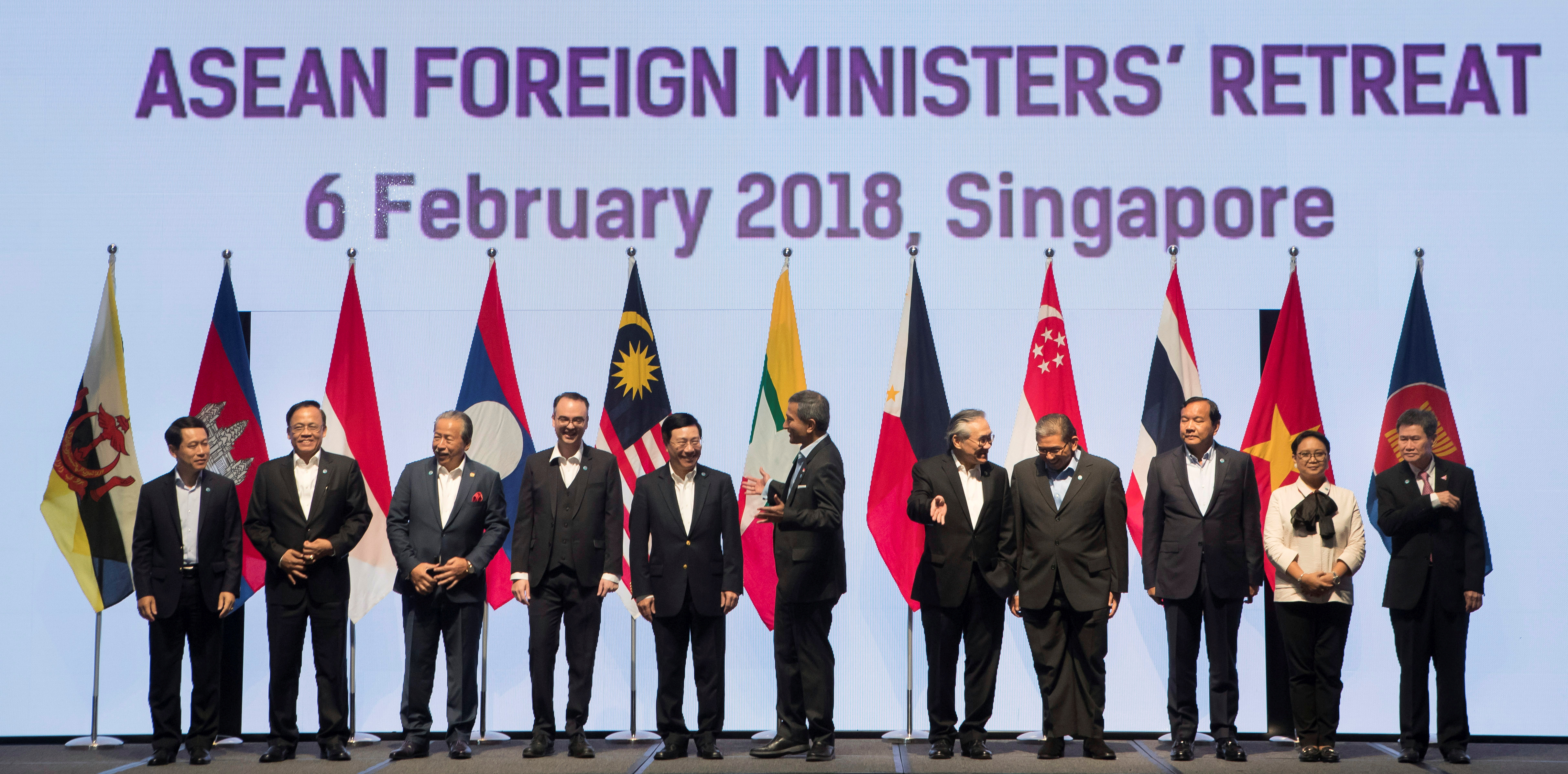
Highlights
- Political and Security Role: ASEAN fosters regional peace by promoting dialogue, consensus, and noninterference principles.
- Economic Prosperity & Integration: Economic initiatives under the ASEAN Economic Community shape a competitive and integrated market.
- Cultural Understanding Efforts: Socio-cultural programs and exchanges strengthen regional identity and unity.
Slide 1: ASEAN's Role in Maintaining Peace and Order
Political Stability and Security Initiatives
Established in 1967 during a period marked by ideological divides, ASEAN has evolved into a cornerstone of regional peace and security. The principles that guide the organization—noninterference, peaceful resolution of disputes, and consensus decision-making—have underpinned a notable record of stability among its member states. These core values serve as the foundation for ASEAN's political security framework.
Key Political-Security Strategies
ASEAN's approach emphasizes dialogue and mutual respect among its members. Regular dialogues and multilateral forums, such as the ASEAN Regional Forum, facilitate conflict resolution and crisis management. Moreover, initiatives focusing on transparency and rule of law have contributed to creating a secure and predictable political environment. The organization also employs the concept of a Zone of Peace, Freedom, and Neutrality (ZOPFAN) to further extend its commitment to maintaining a peaceful neighbourhood.
| Initiative | Description | Focus |
|---|---|---|
| ASEAN Regional Forum (ARF) | Promotes dialogue on political and security issues among regional stakeholders. | Peace & Stability |
| ASEAN Way | A consensus-based, noninterference-focused approach to conflict resolution. | Diplomacy & Cooperation |
| ZOPFAN | Strives for neutrality to ensure freedom and peaceful coexistence within the region. | Neutrality & Peace |
These initiatives demonstrate ASEAN's commitment to de-escalating potential conflicts by fostering mutual trust and cooperation. Politically, these efforts have not only maintained a generally peaceful regional environment but have also built a foundation for further integration and cooperation across other areas.
Slide 2: ASEAN's Role in Economic Prosperity and Cooperation
Building a Competitive and Integrated Economic Community
ASEAN has been instrumental in transforming Southeast Asia into one of the world’s most dynamic economic regions. The formation of the ASEAN Economic Community (AEC) underpins these efforts, striving to create a single market and production base. The AEC Blueprint 2025 envisions a region characterized by high integration, robust connectivity, and an innovation-driven market environment.
Economic Integration Initiatives
Economic initiatives by ASEAN focus on connectivity, trade liberalization, and sectoral cooperation. The adoption of free trade agreements further enhances economic growth by breaking down barriers between member states and global markets. ASEAN’s collaborative approach has also enabled coordinated responses during economic downturns, thereby maintaining regional stability.
The region’s rapid economic development is supported by ambitious infrastructure projects, improved regulatory standards, and strategies to facilitate the free flow of goods, services, investments, and skilled labor. The partnership nature of these initiatives has attracted significant foreign investment, bolstering ASEAN's global economic stature.
| Economic Feature | Objective | Impact |
|---|---|---|
| ASEAN Economic Community (AEC) | Integrate member economies for seamless trade and investment. | Increased Regional GDP and Trade |
| Free Trade Agreements | Reduce trade barriers and enhance global market access. | Boosts Exports and Inflows of Investment |
| Infrastructure Projects | Improve connectivity and sector-specific collaborations. | Enhanced Regional Integration and Efficiency |
These initiatives underscore ASEAN’s strategic role in fostering economic resilience and capitalizing on its large, diverse market. By harmonizing economic policies and promoting regional integration, ASEAN not only strengthens its internal market but also positions itself as a key driver of global economic trends in the Asia-Pacific region.
Slide 3: ASEAN's Role in Cultural Understanding and Socio-Cultural Cooperation
Promoting a United Regional Identity through Cultural Exchange
Beyond political and economic collaboration, ASEAN commits significant resources to fostering cultural understanding and social development. Recognizing the importance of shared cultural values, ASEAN promotes various initiatives aimed at building a collective regional identity. These socio-cultural efforts facilitate the exchange of ideas, traditions, and customs among member countries.
Pathways to Cultural Integration
ASEAN’s socio-cultural programs are designed to bolster people-to-people connections and support human development. Through academic exchanges, cultural festivals, and heritage preservation projects, the organization works to overcome cultural barriers and celebrate diversity. Education initiatives that include scholarships, youth leadership programs, and cross-cultural learning modules have further strengthened ties between communities.
Social welfare projects and sustainable development programs are integral to these efforts. Initiatives to address issues such as inequality and educational disparities help improve the overall quality of life, thereby nurturing a more harmonious regional society. The emphasis on socio-cultural cooperation not only cements regional unity but also lays the groundwork for long-term peace and economic growth.
| Initiative | Focus Area | Expected Outcome |
|---|---|---|
| Cultural Exchange Programs | Mutual Understanding | Strengthened Regional Ties |
| Educational Initiatives | Youth Empowerment and Knowledge Sharing | Enhanced Skills and Workforce Mobility |
| Sustainable Development Projects | Social Welfare and Inclusivity | Improved Quality of Life |
These comprehensive socio-cultural efforts ensure that ASEAN’s development is holistic and sustainable. The programs not only foster mutual respect but also provide essential platforms for creative and intellectual collaboration, ultimately reinforcing community bonds across diverse nations.
Conclusion
ASEAN’s dynamic role in Southeast Asia exhibits a balanced integration of political stability, economic prosperity, and cultural understanding. The political domain thrives on dialogue, consensus, and a commitment to peace—a foundation that has enabled the region to maintain stability amid challenges. Economically, ASEAN's transformative projects under the AEC have significantly enhanced trade, investment, and regional unity, thereby positioning the bloc as a formidable economic force. In the socio-cultural arena, ASEAN’s efforts in cultural exchange and community development have created an inclusive regional identity that respects diversity while nurturing a sense of shared purpose.
Collectively, these initiatives underscore ASEAN’s strategic relevance in not only maintaining peace and order but also in catalyzing sustainable economic growth and fostering a vibrant, unified cultural landscape. Looking ahead, ASEAN continues to build on these successes with evolving frameworks and comprehensive strategies designed to meet future challenges. This integrated approach, spanning security, economic integration, and cultural cohesion, ensures that ASEAN remains a vital and adaptive organization, steering the region toward a future of shared prosperity and enduring harmony.
References
- What We Do - ASEAN
- Built on Trust, Not Conflict - USIP
- ASEAN 2025 - ASEAN Media Directory
- What is ASEAN? - CFR
- ASEAN Socio-Cultural Blueprint 2025 - DSWD
Recommended Queries
Last updated February 28, 2025