
Preparation Guide for Senior Software Engineer Interviews at ASML in the Netherlands
A Comprehensive Approach to Succeeding in Your ASML Interview
Key Takeaways
- Deep Understanding of ASML’s Technology: Familiarize yourself with ASML's core technologies like EUV lithography and the semiconductor manufacturing process.
- Technical Proficiency and Problem-Solving Skills: Master programming languages such as C++, Python, Java, and demonstrate strong capabilities in algorithms, data structures, and system design.
- Cultural Fit and Communication Skills: Showcase your ability to work in cross-functional teams, communicate effectively, and align with ASML’s values of collaboration and innovation.
Understanding ASML’s Role and Technology
ASML’s Position in the Semiconductor Industry
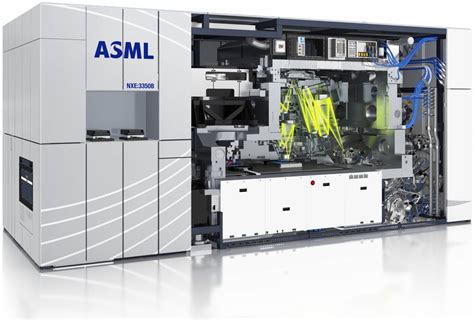
ASML is a global frontrunner in the development and manufacture of photolithography systems, which are critical for producing semiconductor devices. The company's advanced technologies, including Extreme Ultraviolet (EUV) lithography, are essential for fabricating the most advanced microchips used in various high-tech applications such as smartphones, data centers, and autonomous vehicles. As a senior software engineer at ASML, your role involves developing sophisticated software that integrates seamlessly with complex hardware systems to ensure precision, efficiency, and scalability in chip manufacturing processes.
Core Technologies at ASML
Understanding ASML’s core technologies is fundamental to your preparation:
- Extreme Ultraviolet Lithography (EUV): EUV is a cutting-edge lithography technology that uses extreme ultraviolet wavelengths to create smaller and more precise patterns on silicon wafers, enabling the production of advanced microchips.
- Machine Control Systems: These systems manage the intricate movements and operations of ASML’s lithography machines, ensuring that every component operates within stringent tolerances.
- Calibration and Diagnostic Tools: Software solutions that monitor and adjust machine parameters in real-time to maintain optimal performance and quickly diagnose any issues that may arise during the manufacturing process.
- Embedded Systems: ASML’s machinery relies heavily on embedded systems that require specialized software for real-time processing and control.
Reviewing the Job Description
Identifying Key Skills and Responsibilities
Thoroughly analyze the job posting to pinpoint the essential skills and responsibilities associated with the senior software engineer role at ASML. Typically, ASML seeks candidates who demonstrate:
- Proficiency in Programming Languages: Expertise in languages such as C++, Python, and Java is crucial. C++ is often emphasized due to its performance and system-level capabilities.
- Software Architecture and Design Patterns: Ability to design scalable, maintainable, and efficient software architectures using established design patterns.
- Algorithms and Data Structures: Strong understanding of various algorithms and data structures to solve complex computational problems effectively.
- Performance Optimization: Skills in optimizing software performance, including memory management, processing speed, and resource utilization.
- Agile Methodologies and DevOps Practices: Familiarity with Agile development frameworks and DevOps practices to enhance collaboration and streamline the development lifecycle.
- Systems Integration and Real-Time Systems: Experience in integrating software with hardware components and developing real-time systems that require immediate processing and feedback.
Technical Interview Preparation
Coding Challenges
ASML’s technical interviews often include coding assessments designed to evaluate your problem-solving abilities and programming proficiency. To excel in this area:
- Algorithms and Data Structures: Practice solving problems related to arrays, strings, linked lists, trees, graphs, dynamic programming, and sorting algorithms. Understanding the time and space complexity of various algorithms is essential.
- Object-Oriented Programming (OOP): Demonstrate a strong grasp of OOP principles such as encapsulation, inheritance, polymorphism, and abstraction. Familiarity with design patterns like Singleton, Observer, Factory, and Strategy is advantageous.
- Code Optimization and Refactoring: Show your ability to write efficient, clean, and maintainable code. Practice optimizing existing code for better performance and readability.
Recommended platforms for practice include LeetCode, HackerRank, and Codeforces, where you can engage with a wide range of problems to build your coding skills.
System Design
ASML assesses your capability to design scalable and efficient systems during the interview. Key areas to focus on include:
- Distributed Systems and Concurrency: Understand the principles of distributed computing, including handling concurrency, data consistency, fault tolerance, and scalability.
- Microservices Architecture: Familiarize yourself with designing systems using a microservices approach, including service decomposition, communication protocols, and orchestration.
- Database Design and Data Pipelines: Learn how to design efficient databases and data pipelines that can handle large volumes of data with high performance and reliability.
- Real-Time Systems and Embedded Software: For roles involving embedded software, understand real-time constraints, low-level programming, and hardware-software integration.
Prepare by designing systems such as logging frameworks, monitoring tools, or data processing pipelines, and be ready to discuss architectural decisions and trade-offs.
Domain-Specific Knowledge
Given ASML’s focus on high-tech equipment, possessing domain-specific knowledge can give you an edge:
- Semiconductor Manufacturing: Understand the basics of semiconductor fabrication, including the lithography process, wafer production, and the role of software in optimizing these processes.
- Control Systems: Familiarize yourself with the principles of control systems, including feedback loops, PID controllers, and automation techniques used in managing complex machinery.
- Embedded Systems: If applicable to your role, delve into low-level programming, multithreading, memory management, and real-time processing as they relate to embedded systems within ASML’s machinery.
Showcasing Your Experience
Detailing Past Projects
During the interview, you will be expected to discuss your previous projects in detail. To effectively showcase your experience:
- Complex Software Systems: Highlight your involvement in designing, developing, and maintaining large-scale software systems. Discuss the architecture, technologies used, and your specific contributions.
- Problem-Solving: Provide examples of challenging technical problems you encountered and the strategies you employed to resolve them. Emphasize your analytical and critical-thinking skills.
- Leadership and Mentoring: Share experiences where you led teams, mentored junior engineers, or spearheaded projects. Demonstrate your ability to guide and motivate others towards achieving common goals.
- Innovation and Initiative: Discuss instances where you introduced new technologies, methodologies, or processes that improved project outcomes or team efficiency.
Understanding ASML’s Culture
Core Values
ASML places a strong emphasis on its core values, which include collaboration, innovation, and a global mindset. To align with these values:
- Collaboration: Demonstrate your ability to work effectively within cross-functional teams, contributing to collective objectives and fostering a cooperative work environment.
- Innovation: Show your enthusiasm for developing new technologies and solving complex problems. Provide examples of how you have driven innovation in your previous roles.
- Global Mindset: Highlight your experience working in multicultural and diverse environments. Emphasize your adaptability and openness to different perspectives.
Working in a Cross-Functional Team
ASML projects often involve collaboration across various disciplines. Showcase your ability to communicate and collaborate with hardware engineers, product managers, and other stakeholders to achieve project goals.
Preparing for Behavioral Questions
Common Behavioral Questions
Behavioral interviews at ASML assess your cultural fit and soft skills. Prepare to answer questions such as:
- Why do you want to work at ASML?
- How do you handle tight deadlines or conflicting priorities?
- Describe a time when you led a team through a challenging project.
- How do you approach conflict resolution within a team?
- Can you provide an example of how you have contributed to a team’s success?
Using the STAR Method
Structure your responses using the STAR (Situation, Task, Action, Result) method to provide clear and concise answers:
- Situation: Describe the context within which you performed a task or faced a challenge.
- Task: Explain the actual task or responsibility you had in that situation.
- Action: Detail the specific actions you took to address the task or challenge.
- Result: Share the outcomes or results of your actions, emphasizing positive impacts and learnings.
Practicing Communication Skills
Explaining Technical Concepts
One of the key aspects of the interview process at ASML involves your ability to explain complex technical concepts to non-technical stakeholders. To demonstrate this skill:
- Simplify Technical Jargon: Break down complex ideas into understandable terms without losing the essence of the concept.
- Logical Structuring: Organize your explanations in a logical sequence, starting from fundamental principles before delving into specifics.
- Confidence and Clarity: Communicate your ideas clearly and confidently, ensuring that your explanations are coherent and easy to follow.
Effective Structuring of Answers
During the interview, structure your responses to ensure clarity and engagement:
- Introduction: Start with a brief overview of your main points.
- Body: Elaborate on each point with relevant details, examples, and explanations.
- Conclusion: Summarize the key takeaways and reinforce your main message.
Understanding the Interview Process
Typical Interview Stages
ASML’s interview process is typically multi-staged and may include the following phases:
- Initial Screening: A preliminary call with HR to discuss your background, motivations, and interest in ASML. This stage assesses your basic qualifications and fit for the role.
- Technical Interviews: Multiple rounds focusing on coding challenges, system design problems, and domain-specific knowledge. These interviews may involve senior engineers assessing your technical capabilities.
- Behavioral Interviews: Assess your cultural fit and soft skills through questions about teamwork, leadership, and conflict resolution.
- Final Interview: Often involves discussions with hiring managers or team leads, potentially including presentations or assessments specific to the role.
Preparing for Each Stage
Tailor your preparation to each interview stage:
- Initial Screening: Be ready to discuss your resume, motivations for applying, and what you bring to the role.
- Technical Interviews: Focus on honing your coding skills, understanding system design principles, and being able to articulate your thought process clearly.
- Behavioral Interviews: Reflect on your past experiences and prepare stories that demonstrate your alignment with ASML’s values and your soft skills.
- Final Interview: Prepare for more in-depth discussions about your role-specific skills, project experiences, and how you can contribute to the team and company.
Asking Insightful Questions
Demonstrate Your Interest
At the end of the interview, you will have the opportunity to ask questions. This is a chance to demonstrate your genuine interest in ASML and the role. Consider asking:
- What are the biggest technical challenges the team is currently facing?
- How does ASML support the professional development of senior engineers?
- Can you describe the team dynamics and collaboration processes?
- What does success look like in this role, and how is it measured?
- How does ASML stay ahead in the rapidly evolving semiconductor industry?
Follow-Up After the Interview
Sending a Thank-You Email
After completing the interview, it is courteous and professionally beneficial to send a thank-you email. In your email:
- Express gratitude for the opportunity to interview and for the interviewers’ time.
- Reiterate your interest in the position and ASML.
- Briefly mention any key points or discussions from the interview that reinforce your suitability for the role.
- Keep the email concise and professional.
Logistics and Regional Considerations
Relocation and Visa Processes
If you are applying from outside the Netherlands, it is important to understand the visa and relocation processes required to work at ASML. Research the necessary work permits, visa types, and the support ASML provides for international hires. Being informed about these logistics can demonstrate your preparedness and reduce potential delays in the hiring process.
Understanding Dutch Work Culture
Familiarize yourself with the Dutch work culture, which is known for its emphasis on work-life balance, direct communication, and efficiency. Understanding cultural nuances can help you adapt more smoothly to ASML’s working environment. Key aspects include:
- Communication Style: Dutch communication tends to be direct and straightforward. Be clear and concise in your interactions.
- Work-Life Balance: The Netherlands values a healthy balance between work and personal life. Be prepared to discuss how you manage your time and productivity.
- Team Collaboration: Emphasize your ability to work collaboratively in diverse and multicultural teams.
Additional Resources
Practice Mock Interviews
Simulating the interview process with peers, mentors, or through professional services can significantly enhance your preparedness. Mock interviews help you refine your technical explanations, receive constructive feedback, and build confidence. Consider the following approaches:
- Peer Practice: Partner with colleagues or friends to conduct mock interviews, focusing on both technical and behavioral questions.
- Professional Services: Utilize services that offer mock interviews with experienced professionals who can provide industry-specific feedback.
- Self-Practice: Record yourself answering sample questions to evaluate your performance and identify areas for improvement.
Useful Links
Leverage specialized resources and platforms to aid your preparation:
- ASML Interview Tips
- Glassdoor ASML Interview Questions
- NodeFlair ASML Interview Questions
- LeetCode
- HackerRank
Recap and Conclusion
Preparing for a senior software engineer interview at ASML in the Netherlands demands a strategic and comprehensive approach. By thoroughly understanding ASML’s technologies and role within the semiconductor industry, honing your technical and problem-solving skills, and effectively showcasing your relevant experience, you can significantly enhance your chances of success. Additionally, aligning yourself with ASML’s cultural values and demonstrating strong communication skills are crucial elements that can set you apart from other candidates. Remember to engage in detailed research, practice diligently, and approach the interview with confidence and enthusiasm to make a lasting impression.
References
For further information and detailed preparation, visit the following resources:
Last updated January 19, 2025