
A Comprehensive Review of the Assistant Human Resources Officer Role: Driving Efficiency in HR Operations
Unpacking the Multifaceted Responsibilities and Impact of an Assistant HRO
The Assistant Human Resources Officer (HRO) occupies a pivotal position within any organization's HR department. This role is far more than just administrative; it is integral to the seamless execution of critical HR functions, directly impacting employee welfare, talent acquisition, and overall organizational efficiency. The provided job description (JD) highlights key areas of responsibility for an Assistant HRO, particularly focusing on administrative support, compensation & benefits (C&B), and Human Resources Information System (HRIS) management, alongside crucial involvement in talent acquisition and onboarding processes.
Key Highlights of the Assistant HRO Role
- Indispensable Support: The Assistant HRO is a crucial support pillar for the entire HR department, enabling efficient operations across various functions.
- Dual Focus: This role balances essential administrative tasks with critical involvement in strategic areas like compensation, benefits, talent acquisition, and employee onboarding.
- Operational Efficiency: By handling detailed processes such as payroll data collection, benefits enrollment, and interview coordination, the Assistant HRO directly contributes to streamlining HR workflows and ensuring compliance.
Diving Deep into the Assistant HRO's Core Responsibilities
The Assistant HRO's daily activities are diverse, requiring a blend of administrative prowess, strong organizational skills, and a keen eye for detail. This role serves as a frontline support for both the HR team and employees, addressing inquiries, maintaining records, and facilitating key HR processes. Many of these duties are essential for creating a positive work environment and ensuring that the organization operates effectively.
Administrative and HRIS Support: The Backbone of HR
As outlined in the job description, the Assistant HRO provides essential administrative and HRIS support. This involves maintaining accurate employee records, managing HR databases, and generally ensuring that HR processes run smoothly. This often includes tasks like compiling and updating employee records (both hard and soft copies), answering and routing phone calls, greeting visitors, and assisting individuals with directions or guiding them through the building.
Beyond these foundational tasks, the Assistant HRO is typically involved in:
- Maintaining Employee Records: Keeping employee files, both digital and physical, up-to-date and organized is a core responsibility. This ensures data accuracy for payroll, benefits, and compliance.
- System Management: Assisting with the input and maintenance of data within HRIS (Human Resources Information Systems) is crucial. This ensures that employee information is current and accessible for reporting and decision-making.
- General Clerical Support: Providing administrative assistance to HR managers and the broader HR department, including preparing documents, presentations, and reports, is a regular part of the role.
The efficiency of these administrative tasks directly impacts the overall effectiveness of the HR department, allowing HR Officers and Managers to focus on more strategic initiatives. Automation tools can significantly streamline these processes, enhancing accuracy and reducing manual effort.
Payroll and Benefits Administration Support: Ensuring Fair Compensation
A significant portion of the Assistant HRO's role, as emphasized in the JD, revolves around payroll and benefits administration. This is a critical area that directly affects employee satisfaction and legal compliance. Accuracy and promptness are paramount in these tasks.
Gathering Payroll Information
The Assistant HRO is responsible for collecting essential data for payroll processing. This includes:
- Hours Worked: Collaborating with various departments to collect and verify employee work hours.
- Benefits Data: Compiling information related to employee benefits, such as health insurance premiums and retirement contributions.
- Bonuses and Leaves: Tracking and documenting any bonuses, commissions, or various types of leaves (e.g., sick leave, vacation, parental leave) that impact an employee's pay.
Ensuring the correct amount is withheld from each paycheck for taxes, 401(k) contributions, and other deductions is a must-do task. This precision is vital for financial accuracy and employee trust.
Benefits Enrollment and Updates
A primary duty is to enroll new associates in various benefits programs, such as medical and dental insurance, and to promptly update these benefits with third-party providers. This requires meticulous attention to detail and strong communication skills to ensure employees are properly covered and their chosen benefits are accurately reflected. Modern HR software solutions often integrate payroll and benefits management, centralizing employee data and streamlining these processes.
Support in Talent Acquisition and Onboarding: Welcoming New Talent
The Assistant HRO plays a vital role in the initial stages of an employee's journey within the organization, from attracting candidates to their first days on the job. This directly impacts the quality of hires and the efficiency of the integration process.
Recruitment Support
The JD specifies involvement in creating and posting job advertisements on various platforms. This extends to managing job postings on different job portals and social media. Beyond just posting, Assistant HROs often assist with screening resumes, scheduling interviews, and performing reference checks, ensuring that qualified candidates move through the hiring pipeline efficiently.
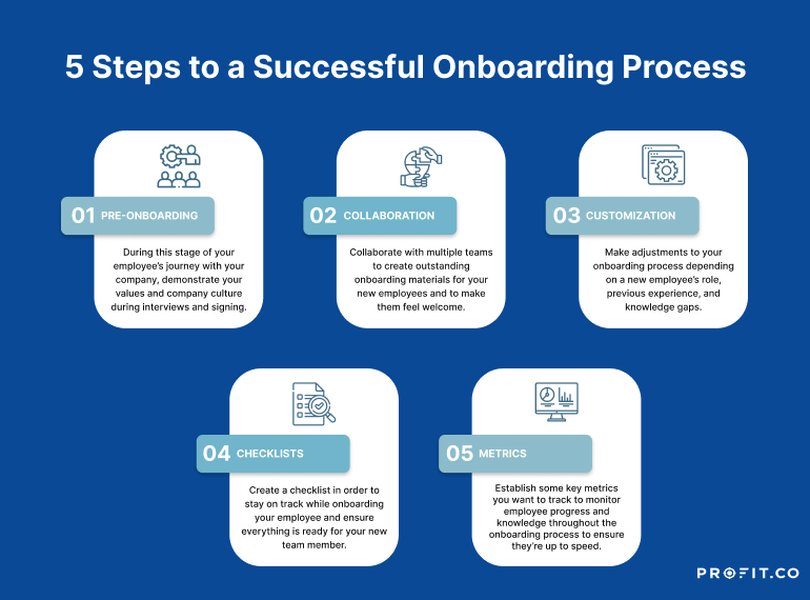
Onboarding New Hires
Assisting with new hire orientation sessions is a core responsibility, ensuring new employees feel welcomed and understand the company culture and their role. This includes:
- Orientation Coordination: Organizing and potentially delivering parts of the new employee orientation program.
- Resource Provision: Ensuring new employees have access to necessary resources, such as company policies, handbooks, and initial training materials.
- Paperwork Processing: Facilitating the completion of new hire paperwork, including tax forms (e.g., W-4), I-9 verification, and employment contracts.
A smooth onboarding process is critical for engaging new hires, driving loyalty, retention, and productivity. It helps integrate employees and reinforces their roles, ensuring they understand their goals and have the support needed to reach them.
Essential Skills and Qualifications for an Assistant HRO
To effectively manage these diverse responsibilities, an Assistant HRO needs a specific set of skills and qualifications. While the JD doesn't explicitly list them, they are implicitly required for success in the role.
Key Skills
An Assistant HRO should possess a strong blend of interpersonal, organizational, and technical skills:
- Communication Skills: Excellent verbal and written communication is essential for interacting with employees, external vendors (for benefits), and internal teams.
- Organizational Skills: Meticulous organization is crucial for managing records, scheduling interviews, and coordinating multiple tasks simultaneously.
- Attention to Detail: Accuracy is paramount in payroll and benefits administration, where even small errors can have significant consequences.
- Problem-Solving: The ability to identify issues and find practical solutions, especially when dealing with employee inquiries or administrative challenges.
- Confidentiality: Handling sensitive employee data requires a high degree of discretion and integrity.
- Technical Proficiency: Familiarity with HR software (HRIS), payroll systems, and standard office applications (e.g., Microsoft Office Suite) is increasingly important.

Educational Background and Experience
While specific requirements can vary by organization, a typical Assistant HRO role often requires:
- Education: A Bachelor's degree in Human Resources, Business Administration, or a related field is commonly preferred or required. Some roles may accept equivalent experience.
- Experience: Entry-level positions may accept candidates with limited experience, while others might seek a minimum of 1-2 years in a human resources support role.
- Certifications: While not always mandatory, certifications in areas like payroll management or HR administration can be advantageous.
The Assistant HRO's Impact on the Employee Lifecycle
The Assistant HRO's responsibilities touch upon several critical stages of the employee lifecycle, from attraction to ongoing support. This table summarizes how their duties contribute to each phase:
| Employee Lifecycle Stage | Assistant HRO Contributions | Impact on Organization/Employee |
|---|---|---|
| Talent Acquisition | Creating and posting job ads; screening resumes; coordinating interviews. | Attracts qualified candidates; streamlines recruitment process; positive candidate experience. |
| Onboarding | Assisting with orientation; ensuring resources are available; processing new hire paperwork. | Smooth integration of new hires; increased engagement and retention; ensures compliance. |
| Compensation & Benefits | Gathering payroll data; enrolling and updating benefits with third parties; processing deductions. | Accurate and timely compensation; proper benefits coverage; adherence to financial regulations. |
| Employee Support & Relations | Maintaining records; addressing initial inquiries; directing employees to appropriate resources. | Accessible HR information; prompt resolution of basic employee concerns; fosters a supportive environment. |
| HR Administration & Compliance | Updating employee records; managing HRIS data; assisting with policy dissemination. | Data accuracy; operational efficiency; supports legal and regulatory compliance. |
The Assistant HRO in the Digital Age: Leveraging Technology
In today's dynamic work environment, technology plays an increasingly significant role in HR operations. The Assistant HRO must be adept at utilizing various software and platforms to enhance efficiency and accuracy.
Modern HR Tools and Software
The shift towards digital HR solutions has transformed how HR departments operate. Tools for payroll, benefits, onboarding, and talent management are becoming standard. For an Assistant HRO, proficiency in these systems is no longer just an advantage but a necessity.
- HRIS (Human Resources Information Systems): Platforms like Workday, BambooHR, or ADP are central to managing employee data, time and attendance, and reporting.
- Payroll Software: Solutions such as Gusto, Paychex, or OnPay automate pay runs, tax calculations, and direct deposits.
- Applicant Tracking Systems (ATS): Tools like Greenhouse or Workable help manage the recruitment pipeline from job posting to offer.
- Onboarding Software: Specific software from providers like Paycom or Paylocity streamline new hire paperwork, training assignments, and cultural integration.
Leveraging these tools helps to automate routine tasks, reduce paperwork, and improve data accuracy, freeing up the Assistant HRO to focus on more complex or employee-centric initiatives. The seamless integration of these systems is crucial for a smooth onboarding process for new hires.
The Evolving Landscape of HR Support
As organizations embrace remote and hybrid work models, the role of HR support, including the Assistant HRO, has also evolved. The ability to manage virtual onboarding processes, communicate effectively through digital channels, and navigate compliance in distributed workforces is becoming increasingly important. An Assistant HRO helps bridge the gap between traditional HR functions and modern workplace demands.
To further illustrate the multifaceted nature of the Assistant HRO role, particularly in terms of soft skills and operational capabilities, consider the following radar chart. This chart provides an opinionated analysis of the perceived importance of various competencies for success in this position.
The radar chart above visualizes the importance of various skills for an Assistant HRO. "Attention to Detail" and "Confidentiality" are rated very highly as core competencies, underscoring their critical nature for tasks like payroll and sensitive data management. "Communication Skills" and "Organizational Skills" are also vital for effective day-to-day operations. The "Strategic Contribution Potential" dataset shows that while the role is often administrative, there is significant potential for growth in areas like "Problem Solving" and "Adaptability," which are increasingly valued in evolving HR landscapes. This chart helps to illustrate that a successful Assistant HRO is not just an executor of tasks but also a forward-thinking and supportive professional.
The Significance of Effective Onboarding
The JD emphasizes onboarding as a primary responsibility, highlighting its importance. Effective onboarding goes beyond just paperwork; it's about integrating new employees into the company culture and helping them become productive contributors quickly. A well-structured onboarding process can significantly increase productivity and employee retention.
The video below discusses how to create an effective employee onboarding process, emphasizing the importance of making new hires hit the ground running, which aligns perfectly with the Assistant HRO's role in this area.
This video further elaborates on the best practices for employee onboarding, which is a core duty of the Assistant HRO. It underscores the strategic value of this phase, from pre-boarding activities to the first 90 days, all aimed at fostering engagement and reducing turnover. The Assistant HRO's direct involvement in coordinating orientation and ensuring necessary resources are available is critical to executing a successful onboarding program, contributing significantly to a positive initial impression and long-term employee satisfaction.
Future Outlook for the Assistant HRO Role
The role of an Assistant HRO is likely to continue evolving with advancements in HR technology and changing workforce dynamics. As more administrative tasks become automated, the Assistant HRO may increasingly focus on more strategic support functions, such as data analysis, employee engagement initiatives, and contributing to HR policy development. Continuous learning and adaptation to new HR tools and methodologies will be key for professionals in this role.
Frequently Asked Questions (FAQ)
What is the primary function of an Assistant HRO?
What are the key responsibilities related to payroll for an Assistant HRO?
How does an Assistant HRO contribute to talent acquisition?
What role does an Assistant HRO play in employee onboarding?
What skills are essential for an Assistant HRO?
Conclusion
The Assistant Human Resources Officer is a dynamic and essential role that underpins the entire HR function. From ensuring accurate payroll and benefits administration to facilitating smooth talent acquisition and onboarding, their contributions are vital for both operational efficiency and fostering a positive employee experience. This position demands a comprehensive skill set, blending administrative precision with interpersonal effectiveness and an understanding of HR technology. As organizations continue to evolve, the Assistant HRO will remain a critical asset, adapting to new challenges and leveraging technological advancements to support a thriving workforce.
Recommended Further Exploration
- Explore the transformative impact of Human Resources Information Systems (HRIS) on modern HR roles.
- Discover best practices for employee onboarding in today's increasingly hybrid and remote work environments.
- Investigate typical career progression and development opportunities for HR assistants moving into officer roles.
- Understand how HR functions, including support roles, contribute to broader employee engagement and retention strategies.