
Astrological Analysis for Relationship Dynamics
Exploring breakups and reconciliation through synastry and composite charts
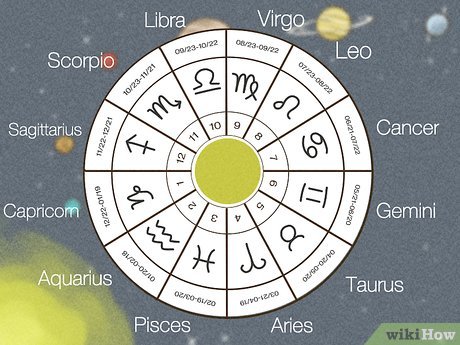
Key Highlights
- Synastry Insights: Analyzing planetary interactions reveals underlying tensions and harmonious connections.
- Natal and Composite Importance: Understanding each individual’s chart along with the combined relationship chart offers clues to emotional triggers and challenges.
- Astrological Timing: Transits and progressions can indicate periods of strife or reconciliation, highlighting when change is most likely to occur.
Understanding the Foundations of Relationship Astrology
Basics of Natal Chart Analysis
A natal chart provides a snapshot of an individual’s planetary placements at the moment of birth, revealing inherent personality traits and relationship predispositions. Key elements include:
Key Components
- Venus: Governs love, aesthetics, and personal style in relationships. Its placement and aspects can indicate how one gives and receives affection.
- Seventh House: Associated with committed partnerships. The planetary ruler of this house and any planets within it help determine how a person approaches long-term relationships.
- Sun and Moon: The Sun symbolizes the core identity and ego, while the Moon represents emotional patterns. Their interplay provides insights into personal needs and the emotional dynamics experienced during relationships.
Synastry and Composite Chart Analysis
Synastry: Unveiling Interpersonal Dynamics
Synastry involves overlaying the natal charts of two individuals to assess how planetary energies interact. This analysis helps in understanding:
What to Look For
- Harmonious Aspects: Trines and sextiles often indicate smooth interaction and shared values. For instance, a positive alignment between one partner’s Venus and the other’s Moon suggests emotional compatibility.
- Challenging Aspects: Squares and oppositions may reveal friction points or communication issues. Harsh aspects involving personal planets such as Mercury, Venus, or Mars can point to recurring misunderstandings that may have paved the way for conflict.
- Evolving Dynamics: Analyzing how later transits or progressions affect these aspects provides perspective on whether past challenges have been resolved or if they continue to influence interactions.
Composite Charts: The Relationship’s Own Identity
A composite chart is created by combining the midpoints of two natal charts to map out the energy of the relationship itself. This chart can highlight the overall theme of the relationship, its strengths, and its vulnerabilities. For example:
- Relationship Purpose: The placement of the composite Sun and Moon often reflects the central goals and emotional climate of the relationship.
- Areas of Challenge: Composite aspects that mirror problematic natal interactions may indicate where conflicts are most likely to occur, leading to potential breakups.
- Opportunity for Growth: Positive composite aspects, especially when reinforced by supportive transits, can signal moments when reconciliation is more favorable.
Identifying Breakup Causes Through Astrological Analysis
Potential Indicators of Breakup
Determining why a relationship ended can be approached by examining several astrological factors:
Challenging Aspects and Configurations
- Hard Aspects: When key personal planets form squares or oppositions, it can indicate frequent friction or an inability to harmonize differences, potentially manifesting as recurring conflicts.
- Transit Influences: Significant transits, such as those involving Saturn or Uranus, might highlight periods during which external pressures or internal reevaluations lead to relationship strain. For instance, a Saturn transit may enforce lessons in responsibility and commitment, sometimes triggering the decision to part ways.
- Retrograde Periods: Retrograde movements, particularly of Venus or Mercury, can lead to miscommunications or internal delays in addressing emotional needs, thus complicating the relationship.
In practical terms, these indicators might manifest as persistent issues that neither partner could resolve, eventually eroding the foundation of the relationship.
Evaluating the Possibilities for Reconciliation
Astrological Factors Favorable to Reconnecting
Even after a breakup, astrological analysis can sometimes present a window for reconciliation, but this depends largely on the dynamics observed in the charts:
Positive Planetary Interactions
- Harmonious Synastry Aspects: Favorable alignments such as trines or sextiles between personal planets (e.g., Venus, Moon, and Mars) indicate that beneath the surface tension, there may exist a reservoir of mutual understanding and emotional support.
- Progressed Charts: Analyzing how each person has evolved over time can be revealing. If progressed charts suggest personal growth or changes in emotional needs, this might create a more conducive environment for reconciliation.
- Timing and Transits: Certain transits, especially those involving Jupiter or Venus, often bring about opportunities for renewal and healing. In periods marked by these transits, both individuals might experience shifts that enable a fresh start.
Mutual Readiness and Emotional Shifts
Beyond the static placements in natal and composite charts, the potential for reconciliation is significantly influenced by the willingness of both individuals to address past issues. Astrological charts can illuminate areas of unresolved tension, but active communication, personal growth, and emotional readiness are paramount in determining if reconnection is viable.
A Structured Approach to Your Inquiry
Steps to a Comprehensive Astrological Analysis
To analyze your charts effectively and explore the possibilities for reconciliation, consider the following structured steps:
| Step | Explanation |
|---|---|
| Collect Birth Data | Obtain accurate birth dates, times, and locations for both individuals to generate precise natal charts. |
| Generate Natal Charts | Create detailed charts that outline each individual’s planetary placements and key houses, focusing on Venus, the Moon, and the seventh house. |
| Conduct Synastry Analysis | Overlay the two natal charts to identify harmonious and challenging aspects, particularly noting areas of tension that might have contributed to the breakup. |
| Compile the Composite Chart | Form a chart representing the relationship’s energy, which may reveal the core strengths and weaknesses of the partnership. |
| Examine Transits and Progressions | Review current planetary transits and progression charts to determine if conditions are right for healing and reunification. |
| Seek Professional Guidance | Consider consulting a professional astrologer who can offer a personalized and nuanced interpretation based on exact data. |
Limitations and the Importance of Personalized Data
A Note on Personalization
While the astrological principles discussed provide a comprehensive framework for analyzing relationship dynamics, a fully personalized reading requires detailed birth data. Without your and your ex-boyfriend’s birth times, dates, and places of birth, an accurate and specific analysis cannot be completed. The information above is intended to guide you on what factors to consider and the type of insights a complete synastry analysis might uncover.
Astrology is a tool for reflecting on relationship patterns and timing, but it should complement other forms of self-exploration and communication. The concepts of planetary influences and houses serve as a mirror to inner dynamics, suggesting that reconciliation, if desired, involves both astrological timing and active emotional work.
Additional Resources for Deeper Exploration
References and Further Reading
- Exploring Breakups and Reconciliations - AstroHelpers
- How to Get Your Love Back - AstroYogi
- Astrology and Second Chances - AstroTalk
- Lost Love and Reconciliation - Ask Oracle
- Reconciliation Insights - Ask The Astrologers
Recommended Related Queries
Last updated March 4, 2025