
Strategies for Athletes to Avoid Arguments
Effective Conflict Resolution Tips for a Harmonious Team Environment
Key Highlights
- Clear Communication and Empathy: Foster an open dialogue and seek to understand teammates’ perspectives.
- Structured Conflict Resolution: Implement conflict policies, regular team meetings, and role clarity.
- Control Emotions and Assertiveness: Maintain calm, manage emotions, and express views assertively yet respectfully.
Developing a Culture of Communication and Respect
In any team, establishing a foundation based on clear communication and mutual respect is crucial in preventing conflicts and arguments. Athletes benefit greatly from environments where everyone feels safe to share their thoughts and feelings without fear of judgment. By setting clear expectations and providing regular opportunities for dialogue—whether through team meetings or structured conflict resolution sessions—team members can address issues before they escalate.
Implementing Open Communication
Open communication forms the backbone of effective conflict resolution. It starts with encouraging athletes to speak honestly about their experiences and concerns. By giving everyone, including coaches, a platform to share their viewpoints, misunderstandings can be quickly clarified. Regular discussions on team values help athletes understand what is expected of them, ensuring that they all adhere to a shared set of principles, such as respect, solidarity, and fairness.
Guidelines for Open Communication
It is essential to establish some guidelines for communication. For instance, athletes should be trained to:
- Listen Actively: Allow teammates to complete their thoughts before responding.
- Reflect Back: Summarize what you’ve heard to ensure you understand correctly.
- Express Clearly: Use neutral language that focuses on issues rather than personal criticisms.
These strategies not only bear fruit on the field but also build a trustful relationship among athletes.
Structured Conflict Resolution Policies
A proactive approach to conflict resolution starts with clearly defined policies and training sessions tailored to address potential disputes. Conflict resolution policies outline what is acceptable and provide step-by-step guidelines on how to resolve disagreements. Establishing such frameworks before intensely competitive seasons can significantly reduce tensions.
Key Elements of an Effective Conflict Policy
An effective conflict policy typically includes several key elements:
Guidelines and Expectations
Teams should work together to create a written document that specifies behavioral guidelines, responsibilities, and the process for conflict resolution. This policy might include:
- Conflict Reporting: Clear instructions on who to approach when disagreements occur.
- Conflict Resolution Meetings: Regularly scheduled sessions where issues can be discussed in a structured environment.
- Role of the Coach: Guidelines on when and how a coach should intervene in conflict situations.
Preemptive Training and Role Clarity
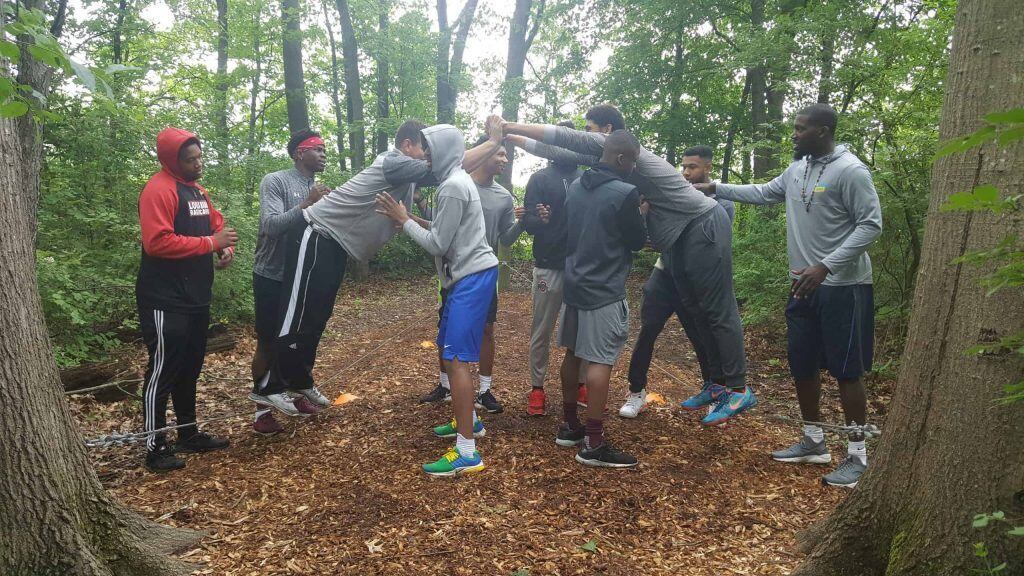
Besides written policies, scheduled team-building exercises and role clarification can be incredibly beneficial. Through training sessions, athletes learn how to:
- Identify early signs of potential conflict
- Use effective communication techniques during heated moments
- Manage their emotions by taking a step back if necessary
Emphasizing role clarity is also crucial. When every team member understands their specific responsibilities, the chances of friction over roles diminish. This understanding encourages a supportive rather than competitive atmosphere, further aiding in conflict prevention.
Emotion Management and Assertiveness
Emotions often play a central role in the escalation of conflicts within teams. Learning how to manage and control emotions can help athletes remain level-headed even in stressful situations. This aspect is not about suppressing feelings, but instead about channeling them in constructive ways.
Techniques for Managing Emotions
Several techniques can help athletes manage their emotions:
Self-Control Strategies
Self-control techniques include taking deep breaths, counting to ten, or even stepping out of a situation to cool down before it blossoms into an argument. Athletes trained in emotional intelligence recognize their triggers and implement strategies to keep their emotions in check.
Assertive Communication
Another key strategy is assertiveness, which involves expressing oneself honestly while respecting others. This differs significantly from aggressive behavior, which can fuel further conflict. When athletes use "I" statements, they focus on their feelings and perspectives (e.g., "I feel upset when...") rather than blaming teammates. This method reduces defensiveness and opens up a dialogue oriented toward understanding and solving the root cause of the disagreement.
Practical Strategies in Team Dynamics
Alongside individual responsibility, managing arguments also heavily relies on overall team dynamics. Coaches and leaders play an influential role in shaping the culture of a team, guiding it towards constructive interactions and fostering an environment where conflicts are dealt with efficiently.
Empathy and Active Listening
Building empathy within a team allows athletes to place themselves in one another's shoes, significantly reducing the likelihood of miscommunication. Active listening is key, as it involves not just hearing but understanding what is being communicated. This habit prevents escalation by ensuring that all parties feel heard and respected.
Team Building and Leadership
Coaches are at the forefront of this process. By demonstrating respectful behavior and managing their own emotions in challenging situations, coaches set a powerful example for athletes. Leadership on the field extends beyond tactics and strategy—it directly influences how athletes interact during conflicts. When leaders encourage collaborative problem solving and constructive dialogue, athletes are more likely to emulate these behaviors.
Comprehensive Strategies Overview Table
| Strategy Area | Key Actions | Expected Benefits |
|---|---|---|
| Open Communication |
|
Clear understanding of issues; reduced misunderstandings |
| Conflict Policy & Resolution |
|
A structured framework for addressing conflicts; early issue identification |
| Emotion Management |
|
Decrease in heated reactions; calm, productive interactions |
| Assertiveness |
|
Constructive expression of disputes; minimization of blame |
| Team Building & Leadership |
|
Enhanced trust; cohesive team spirit |
Examples of Conflict Management Practices
To create a practical context, many teams have successfully adopted and implemented various conflict management strategies. For instance, some coaches organize pre-season workshops focusing on communication skills and conflict resolution. These sessions often include role-playing scenarios where athletes practice asserting their viewpoints without becoming combative. Such training sessions are designed to help develop skills that not only mitigate arguments during games but also strengthen team relationships off the field.
In-Depth Case Study
Consider a hypothetical situation where a team experiences recurring disputes due to overlapping roles and ambiguous responsibilities. In response, the coach organizes a conflict resolution meeting where each athlete is encouraged to speak freely about their challenges and expectations. By systematically listening and reflecting, the team identifies that unclear role definitions were the root cause of the discord. Subsequently, the coach reinforces each athlete’s role and organizes a series of team-building exercises aimed at fostering mutual respect and understanding.
Outcomes of the Intervention
Following these changes, the team experiences fewer conflicts during practice sessions and competitions, and overall performance improves as athletes are more focused and cooperative. The structured approach to resolving conflicts creates an environment where every member feels valued and is less likely to engage in arguments over minor issues.
The Role of Coaches and Leadership in Conflict Mitigation
Coaches play an instrumental role in modeling the behavior expected from athletes. Apart from setting explicit guidelines for conflict resolution, effective coaches are proactive in dealing with emerging disputes before they escalate. By demonstrating a calm demeanor, utilizing assertive communication, and offering constructive feedback during conflicts, coaches help athletes learn to control their emotions and focus on resolving issues in a collaborative manner.
Leadership Best Practices
Good leadership involves encouraging athletes to listen, to be empathetic, and to see conflicts as opportunities for growth rather than threats. When leaders consistently apply and model these strategies, the entire team adopts a culture of respect and continuous improvement.
Team Role Assignments and Accountability
A clear understanding of roles can help deter conflicts. Coaches are encouraged to assign roles based on each athlete’s strengths and to ensure that responsibilities are well understood. This strategy not only builds accountability but also reduces the competitive tension that often leads to arguments. By emphasizing the importance of every position within the team, athletes are more inclined to work together to achieve common goals.
Evidence-Based Benefits and Next Steps
The strategies discussed have been supported by numerous studies on group dynamics and conflict management. Research indicates that teams with clear communication protocols and structured conflict resolution methods enjoy lower rates of in-team arguments and report a higher sense of unity and satisfaction.
Key Takeaways
Athletes and coaches should consider the following steps as essential in preventing and managing conflicts:
- Adopt a set of clear communication practices that promote active listening and respectful dialogue.
- Implement and regularly review conflict resolution policies to ensure they effectively address ongoing issues.
- Invest in emotional intelligence training to help athletes manage stress, anger, and frustration constructively.
- Utilize role assignments and accountability measures to reduce confusion and foster teamwork.
- Create leadership channels where coaches and senior team members can guide and inspire positive behavior.
These strategies create an environment where arguments are less likely to arise. Instead, conflicts are addressed through planned measures, turning potential negative interactions into opportunities for growth and team cohesion.
References
- 8 Ways Athletes Can Resolve Conflicts Without Bullying - TrueSport
- Solve Conflict Between Your Players - TrueSport
-
The Coach's Guide to Managing Conflict in Sport - Athlete Assessments
- Coaching Through Conflict: Effective Communication Strategies - Association for Applied Sport Psychology
- Suggested Steps Toward Managing Conflict in Sports - Sports Conflict
Recommended Related Queries
Last updated March 9, 2025