
Exploring the Integrated Feature Set in the 2015 Athlete Ranking System
A Detailed Look at Real-time Monitoring, Data Integration, and More
Key Highlights
- Real-time Data & Monitoring: Comprehensive tracking of athlete performance during events.
- Integrated Systems: Seamless database integration, user interface, and customization for dynamic tournament management.
- Functional Capabilities: Tools such as printable brackets, seeding mechanisms, and scheduling systems enhancing organizational efficiency.
Overview of the 2015 Athlete Ranking System
The "System and Method for Ranking a Group of Athletes," introduced in 2015, outlines a broad and multi-dimensional approach designed primarily for managing athletic competitions. Although the patent initially centers on technical systems primarily utilized in settings like wrestling meets, it incorporates numerous features that are applicable across many sports. The system's architecture is constructed with scalability and integration in mind. In this comprehensive response, we delve into each feature, showcasing how each element contributes to streamlined operations, effective data management, and enhanced engagement.
Detailed Analysis of Key Features
Real-time Monitoring
Live Scoring and Performance Tracking
Real-time monitoring is a cornerstone of modern athletic competition management. The system is designed to capture live data during matches or meets, updating scores instantly and providing a dynamic view of athlete performance. This functionality not only supports spectators, coaches, and athletes by offering immediate feedback but also integrates historical performance data for comparative analysis. The patent discusses the logistical framework required to manage such live feeds effectively, underlining the importance of fast data transmission and user-friendly visualization.
Integrated Database
Centralized Data Storage and Retrieval
The integrated database forms the backbone of the entire system. It is designed to store extensive information ranging from athlete profiles and performance statistics to tournament brackets and match results. The robust data architecture supports efficient retrieval and manipulation of data, essential for real-time updates. In essence, the integration ensures that all outputs — from live scoring to printable brackets — are based on a highly synchronized set of data, reducing errors and enabling effective post-event analysis.
User Interface
Accessible and Intuitive Design
A user interface (UI) is crucial for allowing coaches, officials, and organizers to interact with the system seamlessly. The UI is designed to be both intuitive and responsive, providing access to real-time data, statistical reports, and tournament management tools. Although the original patent does not delve deeply into every aspect of the interface design, the underlying approach facilitates ease-of-use and quick data input, enabling non-technical users to make swift decisions during events.
Printable Sports Tournament Brackets
Visual Layout for Tournaments
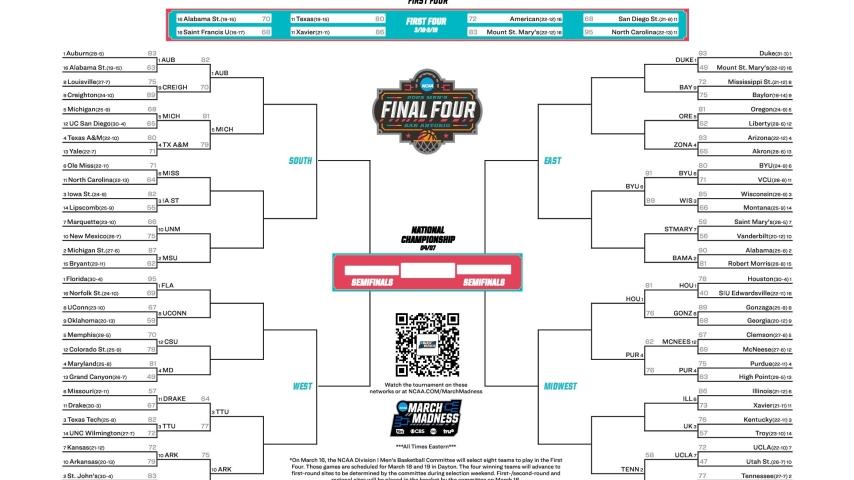
The ability to generate printable sports tournament brackets is an important feature for both organizers and spectators. This function allows for the creation of visual representations of tournament progressions. Such printed materials are useful for planning, audience engagement, and record-keeping. The system prepares brackets that reflect the structure of competitive events, ensuring that seeding and scheduling follow a transparent and logical format.
Product Information and Point of Sales
Extending Beyond Competition Data
While primary focus remains on athlete ranking and match data, the inclusion of product information and point of sales elements broadens the system's utility. This aspect can support merchandising and ticketing operations. Although not heavily detailed in the patent, it is conceivable that platforms integrating such a system could seamlessly incorporate promotional material, sales tracking, and point-of-sale services directly into the system, thereby enhancing the overall economic ecosystem of sporting events.
Brackets Format and Seeding Mechanism
Structuring and Organizing Competitions
One of the key organizational challenges in any sports tournament is the effective display of competition formats. The brackets format feature assists in constructing a clear tournament progression diagram. Alongside this, a seeding mechanism is integrated to rank athletes according to their performance data. This dual approach ensures fairness and maximizes both competitive integrity and audience engagement. With the seeding mechanism, athletes are placed in appropriate brackets based upon objective performance metrics, thereby optimizing match scheduling and progression.
Match Scheduling
Coordinating Competition Timelines
Effective match scheduling is essential for the smooth conduct of units like tournaments. The system supports scheduling functionalities that prioritize conflicts, manage available venue times, and adjust for real-time delays. This scheduling feature is particularly useful in live-action sports contexts where match times can shift unexpectedly. By integrating scheduling directly with performance data and live scoring, the system optimizes both the flow of the event and the accuracy of bracket advancement.
Engagement Features
Enhancing Spectator and Participant Experience
Engagement features are tailored to elevate the overall experience for athletes, coaches, and spectators alike. This can include live leaderboard updates, interactive elements on a digital interface, and multimedia integrations such as live video feeds or social media components. By keeping all stakeholders engaged with real-time data and responsive features, the system fosters a more connected and interactive sporting environment. These functionalities, while enhancing the spectator experience, also contribute to a richer dataset which benefits subsequent analyses and reports.
Customization
Adaptability to Different Sports and Formats
Customization is a key factor that determines the flexibility of any system concerning diverse sports disciplines and tournament structures. The system described in the patent is built with modularity in mind, allowing for customizable elements tailored to specific needs, be it school sports events, community tournaments, or professional meets. Organizers can modify seeding algorithms, interface layouts, and report generation modules to best suit their specific requirements. This adaptability ensures that the platform remains relevant across varying competitive scenarios.
Data Integration
Seamless Merging of Multiple Data Streams
Data integration is essential for ensuring that all elements of the system work in harmony. The platform is designed to incorporate data from multiple sources, including historical performance records, live event feeds, and external databases. This interconnected framework supports comprehensive statistical analyses and robust reporting methods. With powerful API integrations and database management protocols, the system maintains consistency and accuracy in all its outputs, enhancing decision-making both during and after competitions.
Economic Impact
Supporting Financial Efficiency and Growth
Beyond the immediate benefits of efficient tournament management, the integration of these features has significant economic implications. An effective system can optimize event management costs, improve resource allocation, and drive revenue through enhanced spectator engagement and merchandising capabilities. While the patent itself may not explicitly focus on the economic dimensions, practical implementations of such systems show that streamlining data and operational processes can lead to more economically sustainable sports events and can attract investment through improved logistics and enhanced marketability.
Comprehensive Feature Comparison Table
| Feature | Description | Benefits |
|---|---|---|
| Real-time Monitoring | Live scoring and performance tracking during events | Immediate feedback, dynamic analysis, and engagement |
| Integrated Database | Centralized storage of athlete profiles, event data, and performance statistics | Accurate data retrieval and consistent record-keeping |
| User Interface | Intuitive and accessible design for both data input and output | Simplified event management and broader user adoption |
| Printable Tournament Brackets | Generation of visual tournament progression documents | Aids in planning, spectator engagement, and archival purposes |
| Product Information / Point of Sales | Integration of promotional, merchandising, and ticketing data | Enhanced revenue opportunities and operational synergy |
| Brackets Format & Seeding Mechanism | Algorithm-driven athlete seeding and bracket formation | Fair competition structuring and optimized tournament progression |
| Match Scheduling | Automated scheduling with real-time adjustments | Efficient event flow and minimization of scheduling conflicts |
| Engagement Features | Interactive displays, live updates, and multimedia integration | Boosts involvement and satisfaction among spectators and participants |
| Customization | Modular design allowing adaptation to various sports formats | Flexibility to meet unique event requirements and preferences |
| Data Integration | Seamless merger of live data streams with historical records | Enhanced decision-making and analytical capability |
| Economic Impact | Indirect economic benefits through efficient event management and enhanced marketing | Optimized costs and expanded revenue streams |
Technical Integration and Implementation Considerations
In implementing such a multifaceted system, several technical and operational factors must be meticulously planned. The integration of real-time monitoring with an integrated database necessitates robust data transfer protocols, secure API integrations, and highly resilient server architectures dedicated to handling concurrent data streams. Developers typically leverage modern frameworks and cloud-based platforms to ensure scalability. A well-designed dashboard, optimized for both desktop and mobile interfaces, guarantees that end-users have immediate access to real-time data analytics regardless of their device.
Customizable modules are created based on user roles. For instance, a coach might have access to in-depth performance analytics, while event organizers might focus on bracket generation and match scheduling. This partitioning of functionalities ensures that the system remains robust without overwhelming individual users. Additionally, integration with point-of-sale systems and merchandising modules demands secure connections with third-party platforms, ensuring data security and integrity during commercial transactions.
User Interaction and Experience Enhancement
A well-designed user experience (UX) is central to the success of such a system. Organizations typically implement feedback loops that allow continuous improvement of interactive features. Real-time scoring dashboards can incorporate analytical graphs, historical comparisons, and predictive models to inform decisions during competitions. Attention to detail in design, such as color-coded displays and user-tailored notification systems, enhances user confidence and operational efficiency.
Data Security and Compliance Measures
When integrating live data feeds with secure databases, maintaining data integrity and privacy becomes paramount. The system generally follows industry-standard security protocols including end-to-end encryption, multi-factor authentication, and regular audits to mitigate potential risks. Compliance with national and international regulations, particularly for systems that process personal data of athletes and spectators, is a key consideration during the development phases. Such measures not only protect sensitive information but also provide a competitive edge by establishing user trust.
Impact on the Sports & Entertainment Ecosystem
Beyond technological sophistication, the economic implications of a well-integrated athlete ranking system are substantial. By enhancing operational workflows – from match scheduling to seamless point-of-sale transactions – the system can significantly reduce administrative overheads while increasing event turnout. The broader impacts include improved sponsor engagement, targeted marketing opportunities, and the potential to scale the system into additional segments such as amateur sports clubs and professional leagues. In these ways, the system not only facilitates the smooth running of the competition but also contributes to sustainability and revenue growth within the sports and entertainment industries.
Practical Applications and Future Developments
Modern implementations of this comprehensive system serve as a blueprint for future athletic ranking systems. As technology evolves, there is the potential for incorporating advanced machine learning algorithms that predict performance trends and carry out further customization based on historical data. Enhanced integration with wearable technology, IoT devices, and augmented reality applications could extend the system’s capabilities, ensuring it remains a tool at the forefront of sports management innovation.
Additional Data and Feature Synthesis
In synthesizing the discussed features, it is evident that the 2015 patent lays the technical foundation that bridges live sports performance data with a comprehensive, user-friendly online and offline application. Each feature, from live monitoring to economic analytics, builds upon the previous one. The documentation and subsequent implementations in various sporting contexts offer a clear pathway for enhancing both operational efficiency and user engagement. While the original patent may have focused on specific details relevant to wrestling tournaments, the structural design lends itself to a wide array of sports. Consequently, the adaptability of customization and integration mechanisms ensures that similar systems can be deployed across different competitive environments, allowing organizations to scale up their operations without compromising on performance.
References
- System and Method for Ranking a Group of Athletes - FreePatentsOnline
- US20150039107A1 - System and Method for Ranking a Group of Athletes - Google Patents
-
Related Research at NCBI - PMC Article
-
World Athletics Rankings Introduction - World Athletics
- Group Tournament Ranking System - Wikipedia
Recommended Related Queries
Last updated March 25, 2025