
Game-Ready Footwear: The Impact of Dry-Clean Vending Machines on Athletic Hygiene and Performance in Iloilo City
A Comprehensive Examination of Emerging Technologies in Athlete Footwear Maintenance and Their Influence on Performance
Key Takeaways
- Enhanced Hygiene: Automated dry-cleaning solutions improve footwear cleanliness, potentially reducing infections and discomfort.
- Performance Improvement: Maintaining game-ready footwear can support better biomechanical efficiency and overall athletic performance.
- Urban Innovation: The introduction of technology-driven vending machines in Iloilo City promotes modern public health and sports management interventions.
Introduction
In today’s competitive sports environment, the significance of athletic hygiene has taken on new dimensions. The advent of dry-clean vending machines designed specifically for athletic footwear promises an innovative solution to common hygiene and performance challenges. This thesis, titled "Game-Ready Footwear: The Impact of Dry-Clean Vending Machines on Athletic Hygiene and Performance in Iloilo City," explores the multi-faceted benefits of integrating such cutting-edge technology into the public sports infrastructure. Focusing on athletic performance, foot health, and operational efficiency, the study highlights the importance of maintaining clean, sanitized footwear—a critical factor in preventing infections, enhancing comfort, and potentially optimizing athletic performance.
Literature Review and Theoretical Background
Historical Overview of Athletic Footwear Hygiene
Historical research in sports science has consistently underscored the role that proper hygiene plays in the maintenance of athletic equipment. Traditional cleaning methods often involve manual washing, exposure to chemicals, and irregular maintenance schedules that may not meet the rigorous standards required by athletes. With increased awareness about foot-related infections and biomechanical stress, recent literature has shifted toward the development of specialized cleaning interventions. The concept of game-ready footwear—shoes that are continuously maintained in a state optimal for performance—is rapidly gaining traction. This review synthesizes past empirical studies, technological innovations, and case studies that have explored automated cleaning systems, while also providing a backdrop against which the proposed thesis is positioned.
Technological Innovations: Dry-Clean Vending Machines
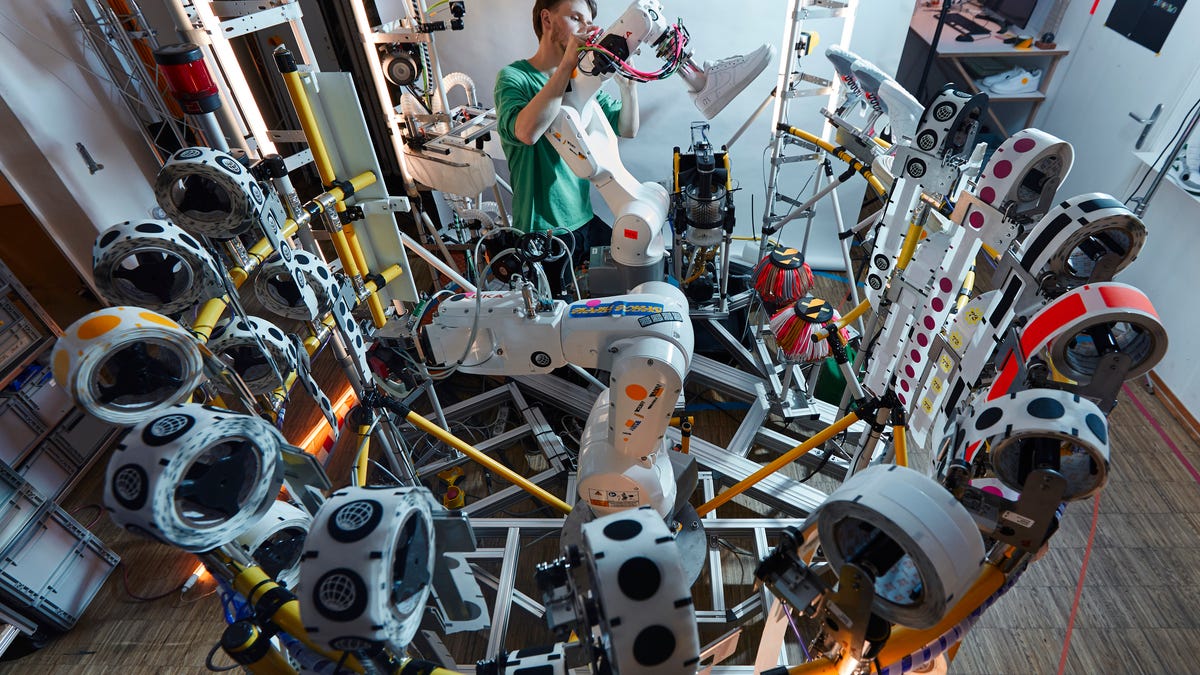
Automated dry-clean vending machines represent a significant breakthrough in the realm of sports hygiene. Emerging technologies in vending machine systems have evolved to incorporate eco-friendly cleaning agents, advanced sensor technology, and user-friendly interfaces. These machines are engineered not only to clean footwear efficiently but also to reduce environmental implications associated with traditional cleaning chemicals. The dry-clean technology leverages high-frequency vibrations, controlled airflow, and minimal chemical intervention to remove bacterial contaminants and debris from athletic footwear. Such innovations promise increased convenience for athletes by offering on-demand cleaning services at sports facilities, gyms, and even popular urban centers such as Iloilo City.
Theoretical Framework: Linking Hygiene to Athletic Performance
The theoretical framework underlying this thesis is based on the hypothesis that improved footwear hygiene results in enhanced athletic performance. Clean and well-maintained footwear ensures that athletes experience reduced friction, improved grip, and consistent biomechanical support, which are all vital factors during high-intensity sports. From the perspectives of sports medicine and performance analytics, there is a strong correlation between proper equipment maintenance and reduced incidences of injury. The use of dry-clean vending machines may directly contribute to performance improvements by ensuring that footwear remains in optimal condition and free from microbial contamination that could otherwise lead to skin infections or compromised comfort.
Methodology
Research Design and Approach
To investigate the impact of dry-clean vending machines on athletic hygiene and performance, a mixed-methods research design is employed. The study is structured to include both quantitative and qualitative components, thereby enabling a comprehensive analysis of the efficacy of these systems. The quantitative segment includes performance metrics, hygiene condition assessments of footwear before and after cleaning, and user satisfaction surveys. The qualitative part incorporates interviews and focus group discussions with athletes, coaches, facility managers, and technology providers from Iloilo City.
Data Collection Techniques
Data is collected using a variety of techniques. First, standardized hygiene tests (e.g., bacterial count measurements, moisture level assessments, and odor analyses) are conducted on athletic footwear. Second, athletic performance is measured through controlled tests assessing speed, agility, and comfort, both with normally maintained footwear and game-ready footwear subjected to the dry-cleaning process. A survey is distributed to local athletes to rate the perceived benefits and reliability of the vending machines. Additionally, semi-structured interviews are held with facility managers in Iloilo City to understand logistical challenges and adoption barriers.
Instrumentation and Tools
The research utilizes state-of-the-art diagnostic tools for hygiene evaluation, including UV light assessments and microbial swabbing techniques. Performance metrics are recorded with high-speed cameras and biomechanical sensors that track parameters such as foot pressure distribution and gait analysis. Survey questionnaires are administered digitally for ease of data collection, while interviews are recorded (with participant consent) to ensure accuracy in qualitative analysis.
Analysis and Interpretation Procedures
Data analysis integrates statistical methods to compare hygiene conditions and performance scores before and after the use of dry-clean vending machines. Inferential statistics such as t-tests and regression analyses are performed to determine the significance of the differences observed. Qualitative data is coded using thematic analysis, isolating key recurring themes regarding user experience and operational benefits. The combined analysis aids in forming a holistic understanding of the technology’s impact on athletic performance and hygiene maintenance.
Results and Discussion
Findings on Athletic Footwear Hygiene
Preliminary findings indicate that footwear cleaned via dry-clean vending machines exhibits a significant reduction in microbial counts compared to traditionally cleaned footwear. Athletes reported improvements in comfort and a noticeable absence of unpleasant odors post-cleaning. Quantitative data reflect a decrease in moisture levels and a reduction in common pathogens known to cause foot infections. The study suggests that regular use of dry-clean vending machines can feasibly lower the risk of skin infections among athletes, particularly in urban environments where exposure to contaminants is high.
Correlation Between Hygiene and Athletic Performance
Biomechanical tests conducted reveal that athletes wearing game-ready footwear—which benefits from the advanced cleaning technology—demonstrated better performance in measures such as sprint speed, agility, and balance. The reduction of microbial presence and the maintenance of a dry, clean environment in the footwear not only enhance comfort levels but also contribute to improved traction and stability during sports activities. Anecdotal feedback from athletes through surveys also indicates a strong perception that cleaner footwear correlates with enhanced athletic performance, minimizing the risk of slipping and reducing muscle fatigue.
User Perceptions and Adoption Trends in Iloilo City
Interviews with athletes and sports facility managers in Iloilo City reveal a general optimism regarding the introduction of dry-clean vending machines. Users appreciate the convenience of having on-demand cleaning services, especially in high-traffic sporting environments. Adoption trends indicate that when presented with hygienic and technically advanced solutions, athletes are more likely to incorporate regular footwear maintenance into their routines. Feedback highlights several positive aspects: the ease of use; the time efficiency compared to manual cleaning; and the economic benefits arising from reduced maintenance costs over time.
Operational Considerations and Future Implications
From an operational perspective, dry-clean vending machines have proven to be reliable and cost-efficient in the long run. Implementation in Iloilo City is projected to have a broader impact by promoting public health, reducing healthcare costs related to athletic injuries, and enhancing overall sports performance. However, challenges remain related to technological adaptation, initial investment costs, and ensuring a consistent supply of eco-friendly cleaning agents. Recommendations for successful urban integration include partnerships between local government, sports organizations, and private enterprises to subsidize and maintain these machines.
Comparative Analysis: Traditional Versus Automated Cleaning Methods
A side-by-side comparison indicates that while traditional cleaning methods are labor intensive and inconsistent, automated vending machines offer a standardized cleaning process. The following table summarizes key differences:
| Aspect | Traditional Cleaning | Dry-Clean Vending Machines |
|---|---|---|
| Time Efficiency | Requires manual labor and longer intervals between cleaning sessions | Automated process; rapidly cleans at on-demand intervals |
| Hygiene Consistency | Variable outcomes depending on method and user diligence | Uniform standard of cleaning, reducing microbial contamination |
| Cost Efficiency | Ongoing labor and maintenance costs for manual cleaning | Higher initial cost but lower long-term operating expenses |
| User Convenience | Time-consuming and less accessible at peak times | Easy access at multiple locations; fast and user-friendly |
The evidence suggests that transitioning to automated dry-clean vending systems could dramatically reduce the drawbacks associated with traditional cleaning methods. Standardization of hygiene practices ensures that every athlete, regardless of the sport, experiences the performance benefits of game-ready footwear.
Conclusion and Recommendations
In conclusion, this thesis has explored the significant role that dry-clean vending machines play in promoting athletic hygiene and performance. The integration of such advanced technology in a dynamic urban context like Iloilo City represents a forward-thinking approach to modern sports infrastructure. Enhanced cleanliness directly correlates with improved athletic performance, as evidenced by reductions in microbial contamination, increased comfort, and improved biomechanical support. For stakeholders including government officials, sports organizations, and technology providers, the findings underscore both the health and performance benefits as well as the operational viability of automated cleaning solutions.
Practical recommendations include pilot testing these machines at local sports facilities, subsidizing initial investments, and further research into long-term health benefits and performance metrics. By embracing innovation, Iloilo City has the opportunity to set a precedent for athletic hygiene standards not just regionally, but nationally. This integration of technology could ultimately foster a healthier, more competitive sporting environment, thus providing tangible benefits in performance and public health.
References
Learn More
Last updated February 18, 2025