
Comprehensive Project Report for an Atta Mill
Establishing a Profitable Flour Mill with Rs. 2 Lakh Investment
Key Takeaways
- Strategic Investment Allocation: Optimal distribution of funds ensures smooth setup and operational efficiency.
- 18-Month Implementation Timeline: A phased approach guarantees systematic progress from setup to full-scale operations.
- Projected Annual Profit: Achieving a net profit of Rs. 1.5 lakh through effective cost management and revenue strategies.
1. Executive Summary
Project Overview
This project report outlines the establishment of a small-scale Atta Mill with a total investment of Rs. 2 lakh. The project is designed to be implemented over an 18-month period, aiming to achieve an annual profit of Rs. 1.5 lakh. The mill will utilize modern milling equipment to ensure high-quality production, catering to the consistent demand for atta in local markets.
2. Project Description
A. Business Opportunity
The demand for high-quality atta remains evergreen, driven by its essential role in daily diets. Establishing an atta mill taps into this consistent market need, offering opportunities to capture both local and surrounding market segments. By focusing on quality, consistency, and efficient distribution, the mill can establish a strong foothold and brand presence.
B. Location and Infrastructure
Selecting an optimal location is crucial for the mill's success. The proposed site should have stable wheat supply channels to ensure uninterrupted raw material availability. Additionally, proximity to target markets will facilitate efficient distribution. The infrastructure will include a small production facility equipped with necessary storage and utility connections.
C. Technology & Equipment
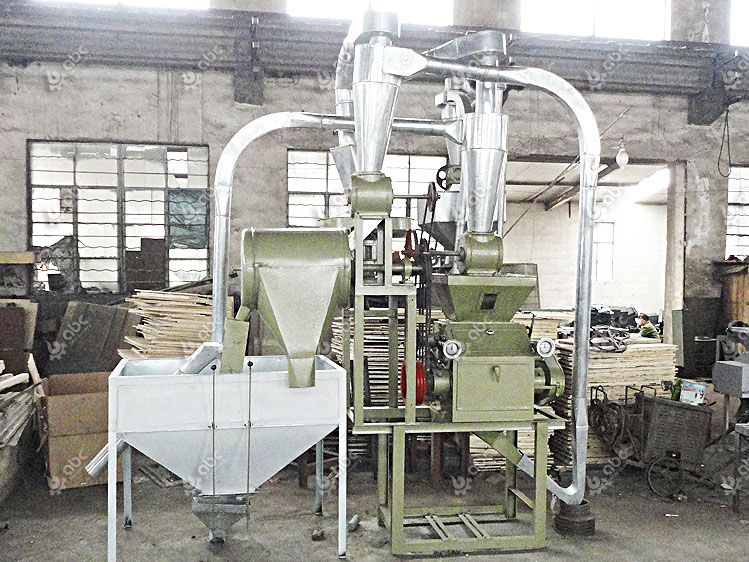
The mill will be equipped with modern, energy-efficient milling machinery and sifting machines to ensure high-quality atta production. Emphasis will be placed on robust equipment to minimize breakdowns and reduce maintenance costs, thereby enhancing operational efficiency and profitability.
3. Investment Breakdown & Implementation Plan
A. Capital Expenditure (CAPEX)
The total investment of Rs. 2 lakh will be allocated as follows:
| Particulars | Estimated Cost (Rs.) |
|---|---|
| Land/Facility Lease | 30,000 |
| Machinery and Equipment | 80,000 |
| Working Capital | 40,000 |
| Miscellaneous Expenses | 50,000 |
| Total | 200,000 |
B. Implementation Timeline
The 18-month implementation timeline is divided into four phases:
Phase 1: Months 1-3
• Finalize site selection and secure lease agreements.
• Obtain necessary permits and licenses.
• Begin procurement of machinery and equipment.
Phase 2: Months 4-9
• Renovate and set up the production facility.
• Install and test milling and sifting machinery.
• Establish supply chains for raw materials.
Phase 3: Months 10-15
• Conduct trial production runs and quality assurance tests.
• Train staff on operational procedures and quality standards.
• Develop packaging and branding strategies.
Phase 4: Months 16-18
• Launch full-scale production.
• Implement marketing and distribution networks.
• Monitor operations and optimize processes for efficiency.
4. Financial Projections & Profitability Analysis
A. Revenue Streams
The primary revenue will be generated through the sale of atta to wholesale distributors and direct retail channels. Additionally, branded packaging will allow the mill to position its product in the premium segment, enabling higher pricing and increased profit margins.
B. Forecast Revenue & Profit
To achieve an annual profit of Rs. 1.5 lakh, the mill must target an annual turnover of approximately Rs. 12 lakh, assuming a profit margin of 12.5%. This estimation considers operational efficiency, cost controls, and competitive pricing strategies.
C. Costs & Expense Outline
Costs are divided into variable and fixed categories:
Variable Costs
• Raw Materials: Purchase of wheat.
• Packaging: Costs associated with packaging materials.
• Energy: Electricity and other utilities required for production.
Fixed Costs
• Salaries: Wages for staff and management.
• Rent: Payment for leased facility.
• Maintenance: Regular upkeep of machinery and infrastructure.
• Administrative Overheads: Office supplies, licenses, and other fixed expenses.
D. Sensitivity & Risk Analysis
Identifying potential risks and developing mitigation strategies is crucial for the project's success:
Market Risks
• Fluctuations in wheat prices can impact raw material costs.
• Increased competition may affect market share and pricing.
Operational Risks
• Machinery breakdowns can disrupt production.
• Inconsistent quality can lead to loss of customer trust.
Mitigation Strategies
• Establish strong relationships with multiple suppliers to stabilize raw material costs.
• Implement regular maintenance schedules to prevent machinery failures.
• Enforce stringent quality control measures to maintain product standards.
5. Organizational & Operations Plan
A. Management Structure
The organizational structure is designed to ensure efficient operations and clear accountability:
- Project Director/Owner: Oversees all operations and strategic decisions.
- Operations Manager: Manages production schedules, ensures quality control, and supervises operational staff.
- Sales & Distribution Manager: Focuses on expanding market reach, managing sales channels, and overseeing distribution logistics.
- Support Staff: Includes technicians, maintenance personnel, and administrative assistants responsible for day-to-day tasks.
B. Operational Workflow
The operational workflow ensures a streamlined process from raw material procurement to product distribution:
- Raw Material Procurement: Secure a steady supply of quality wheat from reliable suppliers.
- Milling Process: Efficiently grind and process wheat into atta using modern machinery.
- Quality Control: Conduct regular checks to maintain product consistency and meet quality standards.
- Packaging: Package atta in branded materials to enhance market appeal and preserve quality.
- Distribution: Deliver packaged atta to wholesale distributors and retail outlets promptly.
6. Financial Projections
A. Revenue Projections
Based on the investment and market analysis, the following revenue projections are estimated:
| Period | Projected Revenue (Rs.) | Projected Profit (Rs.) |
|---|---|---|
| Monthly | 1,00,000 | 12,500 |
| Annual | 12,00,000 | 1,50,000 |
B. Cost Analysis
An in-depth analysis of costs ensures profitability is maintained:
-
Fixed Costs: Salaries, rent, maintenance, and administrative expenses totaled approximately Rs. 2,10,000 annually.
-
Variable Costs: Raw material and packaging costs estimated at Rs. 8,40,000 annually.
C. Profitability Statement
The financial projections indicate a clear path to profitability:
| Particulars | Estimated Annual Amount (Rs.) |
|---|---|
| Sales Revenue | 12,00,000 |
| Cost of Goods Sold | 8,40,000 |
| Gross Profit | 3,60,000 |
| Operating Expenses | 2,10,000 |
| Net Profit | 1,50,000 |
7. Risk Management
A. Market Risks
• Price Fluctuations: Variations in wheat prices can significantly impact raw material costs.
• Competition: Increased competition may lead to price wars and reduced profit margins.
• Demand Variability: Changes in consumer preferences or economic downturns can affect demand for atta.
B. Operational Risks
• Machinery Downtime: Unexpected breakdowns can halt production, affecting revenue.
• Quality Control Issues: Inconsistent product quality can damage the brand's reputation.
• Supply Chain Disruptions: Delays in raw material supply can disrupt production schedules.
C. Mitigation Strategies
• Diversify Suppliers: Establish relationships with multiple wheat suppliers to mitigate price volatility.
• Regular Maintenance: Implement a proactive maintenance schedule to reduce machinery downtime.
• Quality Assurance Programs: Develop and enforce strict quality control protocols to ensure consistent product quality.
• Inventory Management: Maintain adequate inventory levels to buffer against supply chain disruptions.
8. Marketing Strategy
A. Market Research
Conducting thorough market research is essential to understand local consumption patterns, target demographics, and competitive landscape. This will inform product positioning, pricing strategies, and promotional activities.
B. Branding and Packaging
Developing a strong brand identity through attractive and functional packaging can differentiate the product in the market. Emphasizing quality and consistency will appeal to both wholesale distributors and end consumers.
C. Sales Channels
Establishing multiple sales channels, including direct retail, wholesale distribution, and online platforms, will maximize market reach. Building strong relationships with distributors and retailers is crucial for sustained sales growth.
D. Promotional Activities
Implementing targeted promotional campaigns, such as discounts for bulk purchases, loyalty programs, and participation in local trade fairs, can enhance brand visibility and attract new customers.
9. Conclusion & Recommendations
A. Feasibility and Viability
The proposed Atta Mill project is financially viable with an initial investment of Rs. 2 lakh and a projected annual profit of Rs. 1.5 lakh. The consistent demand for atta, coupled with strategic investment and effective operational management, supports the project's profitability.
B. Strategic Recommendations
- Conduct a detailed feasibility study with current market data to validate financial projections.
- Engage with experienced industry consultants to refine operational strategies and optimize costs.
- Implement robust quality control measures to maintain product standards and build brand reputation.
- Explore opportunities for product diversification and value addition to enhance revenue streams.
- Maintain flexibility in operations to adapt to market changes and mitigate potential risks effectively.
C. Final Remarks
Establishing an Atta Mill with the specified investment and profit targets is achievable through meticulous planning, strategic investment allocation, and diligent operational management. Regular monitoring and continuous improvement will ensure long-term success and sustainability of the business.
10. References
Mudra Project Profiles
Krishi Jagran - Atta Chakki Guide
KVI Online - Flour Mill Project Profile
Last updated February 14, 2025