
Augmented Reality Unveiled: How AR is Blending Digital and Physical Worlds in 2025
Discover how AR overlays digital information onto our reality, transforming industries from retail to healthcare.
Augmented Reality (AR) technology is rapidly evolving, moving beyond niche applications to become a significant force in various aspects of our daily lives and industries. As of 2025, AR represents a sophisticated way of enhancing our perception of the real world by overlaying digital information—like text, graphics, audio, and other virtual elements—onto our physical surroundings in real time. Unlike Virtual Reality (VR), which creates a completely artificial environment, AR supplements our existing reality, integrating the digital and physical seamlessly.
AR Essentials: Key Takeaways
Understanding AR's Core Impact
- Enhanced Real-World Interaction: AR overlays digital data onto physical objects or environments, providing context-rich information and interactive experiences without detaching users from reality.
- Broad Industry Transformation: From virtual try-ons in retail to complex procedure guidance in healthcare and interactive training in education, AR offers practical, efficiency-boosting solutions across diverse sectors.
- Rapid Technological Advancement: Driven by AI integration, improved hardware (smartphones, headsets), and accessible platforms like WebAR, the technology is becoming more immersive, intuitive, and mainstream.
Defining Augmented Reality
Bridging Digital Information and Physical Reality
Augmented Reality is formally defined as the real-time use of information—presented as text, graphics, audio, or other virtual enhancements—integrated directly with real-world objects and environments. Essentially, AR technology renders digital imagery or data onto physical items, live video streams, or through specialized viewing devices like heads-up displays (HUDs) or AR glasses. It doesn't replace the user's view of the real world but rather *augments* it by adding layers of digital content, making information more contextual and interactions more dynamic.
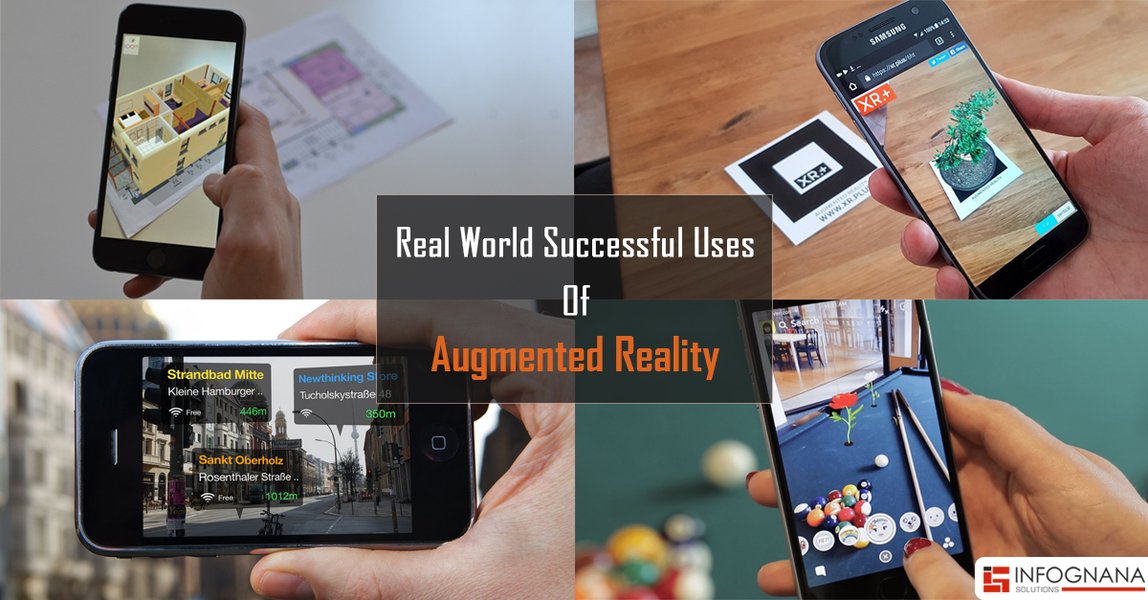
AR technology overlays digital elements onto the physical world.
How Does AR Technology Work?
The Mechanics Behind the Magic
AR systems rely on a combination of hardware and software components to create these blended experiences. The process typically involves:
- Sensing and Input: Devices use cameras and various sensors (like accelerometers, gyroscopes, GPS, and sometimes infrared or depth sensors) to capture data about the user's physical environment and their position within it.
- Processing: Sophisticated software, often utilizing computer vision and artificial intelligence (AI) algorithms, processes the captured data. This includes identifying surfaces, recognizing objects, understanding spatial relationships, and tracking motion. Platforms like Google's ARCore (for Android) and Apple's ARKit (for iOS) provide frameworks that handle many of these complex tasks.
- Rendering and Projection: Based on the processed information, the system generates the digital content (3D models, text, animations) and determines precisely where and how to overlay it onto the real-world view. This digital information is then rendered and displayed to the user.
- Display: The final augmented view is presented through a display device. This can range from the screen of a smartphone or tablet to specialized AR glasses (like Meta Quest or Apple Vision Pro predecessors), smart glasses, or integrated heads-up displays (HUDs) in vehicles or helmets. Some systems use mirrors or waveguides to project images onto the user's field of view.
Advances in AI, particularly in machine learning and computer vision, are continuously improving the accuracy of tracking, the realism of rendering, and the system's ability to understand context, leading to more seamless and believable AR experiences.
Emerging Trends Shaping AR in 2025
The Driving Forces of AR Evolution
Several key technological trends are accelerating the development and adoption of AR technology:
AI Integration: The Brains Behind AR
Artificial intelligence is increasingly crucial for AR. Initially used for scene understanding (object/surface recognition), AI now enhances real-time processing, improves rendering quality, enables more accurate tracking, and even allows for the dynamic generation of AR content and environments. AI makes AR systems smarter, more context-aware, and adaptive to user interactions.
Hardware Advancements: Sleeker, Smarter Devices
The market is seeing a new generation of AR hardware, including more powerful and user-friendly wearable headsets and smart glasses. Devices from companies like Meta, Apple, ODG, Vuzix, and others feature better displays, increased computational power, integrated AI capabilities, and significantly improved ergonomics and design, making AR more practical for everyday use.
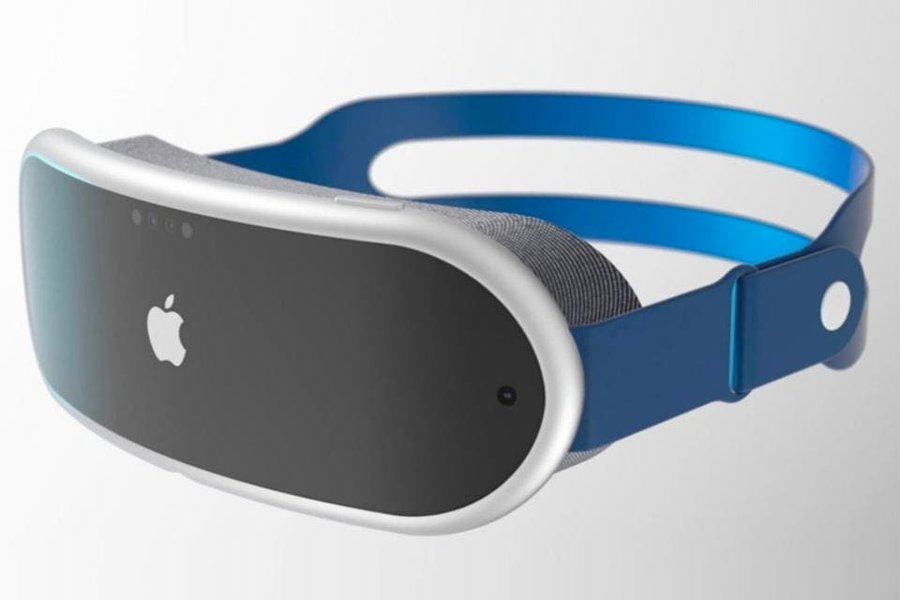
Advancements in hardware are making AR headsets more accessible and powerful.
Focus on User Experience (UX)
There's a strong emphasis on enhancing the overall user experience. This involves not only improving the visual fidelity and usability of AR interfaces but also making interactions more intuitive through methods like gesture control, eye tracking, and potentially haptic feedback. The goal is smarter, more adaptable, and genuinely useful AR applications.
WebAR: Accessibility Through the Browser
WebAR allows users to access AR experiences directly through their web browser on smartphones or other devices, eliminating the need to download and install dedicated applications. This significantly lowers the barrier to entry, improves compatibility across different platforms, and makes AR content much more accessible to a wider audience.
Market Growth and Investment
The AR market is experiencing substantial growth, with projections indicating it could reach over $635 billion by 2033, fueled by significant investments from tech giants and increasing demand across consumer and enterprise sectors. This growth is underpinned by the expanding list of practical use cases and the continuous technological maturation.
AR Technology Mindmap
Visualizing the AR Ecosystem
This mindmap provides a visual overview of Augmented Reality, breaking down its core components, technologies, diverse applications, and key trends driving its future development.
(Virtual Try-on, Furniture Placement)"] id4b["Manufacturing & Maintenance
(Instructions, Remote Assist)"] id4c["Healthcare
(Surgery Viz, Training)"] id4d["Education
(Interactive Learning)"] id4e["Gaming & Entertainment
(Location-based games)"] id4f["Navigation & Automotive
(HUDs, Directions)"] id4g["Architecture & Design"] id4h["Military & Aviation"] id4i["Marketing & Advertising"] id5["Future Trends (2025+)"] id5a["AI Integration Boost"] id5b["Hardware Improvements
(Lighter, Powerful Headsets)"] id5c["Enhanced User Experience (UX)"] id5d["WebAR Expansion (Accessibility)"] id5e["Cross-Platform Flexibility"] id5f["Increased Enterprise Adoption"] id5g["Strong Market Growth"]
Real-World Applications of AR
Transforming Industries and Experiences
AR technology is no longer theoretical; it's actively being applied across numerous sectors to solve problems, enhance efficiency, and create engaging experiences:
Retail and E-commerce
AR is revolutionizing shopping. Virtual try-on features allow customers to see how clothes, makeup, or accessories look on them. Apps like IKEA Place or Wayfair let users visualize furniture or decor items in their own homes, checking size, style, and fit before buying. Some restaurants even use AR-integrated menus to show realistic 3D models of dishes.

AR allows users to visualize products like furniture in their own space before purchasing.
Manufacturing and Maintenance
In industrial settings, AR provides hands-on guidance. Technicians can wear AR glasses that overlay digital instructions, diagrams, or data directly onto machinery they are working on. Remote assistance systems allow experts to see what a field technician sees and provide real-time guidance using AR annotations. Porsche's "Tech Live Look" system is a prime example, connecting dealership technicians with remote experts.
Healthcare and Medical Training
AR is making significant inroads in healthcare. Surgeons can use AR to overlay patient scans (like CT or MRI) onto the patient's body during procedures for enhanced precision. Medical students benefit from AR applications that allow them to visualize complex anatomy in 3D or practice procedures on virtual models overlaid onto manikins.
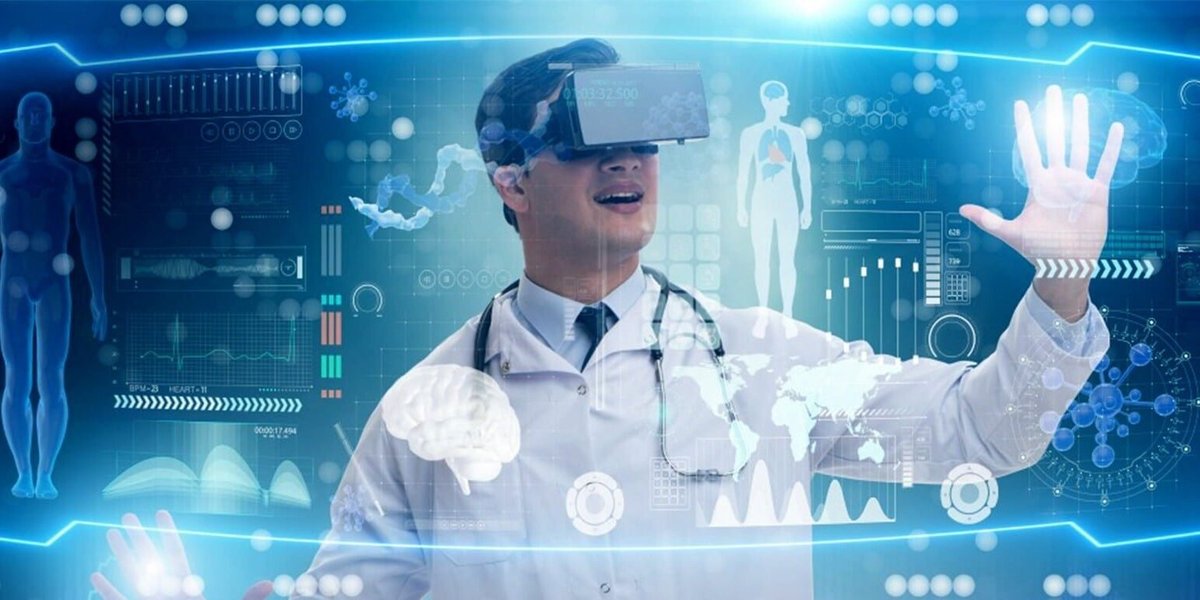
AR applications are enhancing medical training and surgical procedures.
Education and Training
AR transforms traditional learning materials into interactive experiences. Students can point a device at a textbook image and see a 3D model pop up, explore historical sites virtually, or conduct simulated science experiments. This makes learning more engaging and helps visualize abstract or complex concepts.
Gaming and Entertainment
Mobile games like Pokémon Go popularized AR by blending digital characters and game elements with the real world. Beyond gaming, AR is used in entertainment for interactive museum exhibits, live event enhancements, and creative social media filters.
Navigation and Automotive
AR navigation systems overlay directions directly onto the driver's view of the road, either through a smartphone app or integrated heads-up displays (HUDs) projected onto the windshield. This provides more intuitive guidance than traditional maps. HUDs can also display crucial information like speed and hazard warnings.
Architecture, Engineering, and Construction (AEC)
Architects and designers use AR to visualize building plans and designs in 3D, overlaid onto the actual construction site or presented as scale models on a tabletop. This aids in design review, clash detection, and client presentations.
Other Applications
AR finds use in military aviation (HUDs for pilots), tourism (interactive guides), marketing (AR-enhanced packaging or ads), and media (interactive weather reports).
Comparing AR Application Domains
An Assessment of Key Sectors
The following chart provides a comparative analysis of major AR application domains based on several key factors as of 2025. These assessments reflect general trends and potential, illustrating where AR is making the most significant impact and where future growth is anticipated.
AR Applications Summary Table
Key Use Cases Across Industries
This table summarizes some of the prominent applications of Augmented Reality technology across different sectors, highlighting their primary benefits and specific examples.
| Industry Sector | AR Application / Use Case | Benefits & Examples |
|---|---|---|
| Retail & E-commerce | Virtual Try-On & Product Visualization | Allows customers to see how products (clothing, makeup, furniture) look on them or in their space. Reduces returns, increases engagement. (e.g., IKEA Place, Wayfair, Sephora Virtual Artist) |
| Manufacturing & Maintenance | Assembly Guidance & Remote Assistance | Overlays instructions onto machinery; allows remote experts to guide on-site technicians. Reduces errors, minimizes downtime. (e.g., Porsche Tech Live Look, Boeing assembly guidance) |
| Healthcare | Surgical Planning & Visualization, Medical Training | Superimposes medical imagery (CT/MRI scans) during surgery; provides interactive 3D anatomy models for training. Improves accuracy, enhances learning. (e.g., AccuVein, HoloAnatomy) |
| Education | Interactive Learning Materials | Brings subjects like science, history, and geography to life with 3D models and simulations triggered from textbooks or worksheets. Increases engagement and understanding. (e.g., JigSpace, Merge Cube apps) |
| Gaming & Entertainment | Location-Based Games & Interactive Experiences | Blends digital game elements with the real world; enhances museum exhibits or live events. Creates immersive entertainment. (e.g., Pokémon Go, AR features in social media apps) |
| Navigation & Automotive | Heads-Up Displays (HUDs) & AR Navigation Apps | Projects directions and critical driving information onto the windshield or displays navigation cues overlaid on the live camera view. Improves safety and intuitive guidance. (e.g., Sygic GPS Navigation, various built-in car HUDs) |
| Architecture & Design | Design Visualization & Collaboration | Allows architects and clients to view 3D models of buildings overlaid on the physical site or as interactive tabletop models. Facilitates better design decisions and communication. (e.g., ARki, Trimble Connect AR) |
| Marketing & Advertising | Interactive Packaging & Ads | Creates engaging brand experiences by triggering AR content from product packaging, print ads, or billboards. Increases brand recall and customer interaction. (e.g., Pepsi AR campaigns, Treasury Wine Estates Living Wine Labels) |
Understanding AR: An Introduction
Visualizing the Concept
For a visual explanation of what Augmented Reality is and how it differs from related technologies like Virtual Reality, the following video provides a clear and concise introduction. It covers the fundamental concepts of AR and touches upon its potential applications, offering a helpful overview for those new to the technology.
Frequently Asked Questions (FAQ) about AR
Common Queries Addressed
What's the main difference between AR and VR?
The core difference lies in how they interact with reality. Augmented Reality (AR) overlays digital information onto the user's existing real-world environment, enhancing it. You can still see and interact with the world around you. Virtual Reality (VR) completely replaces the user's real-world view with a fully immersive, computer-generated environment, blocking out the physical surroundings.
What devices are used for AR?
AR experiences can be accessed through a variety of devices:
- Smartphones and Tablets: The most common way, using the device's camera and screen (e.g., running AR apps like Pokémon Go or IKEA Place).
- AR Glasses/Headsets: Dedicated devices worn like glasses that project digital imagery onto lenses or directly into the user's field of view (e.g., Microsoft HoloLens, Magic Leap, simpler smart glasses).
- Heads-Up Displays (HUDs): Displays that project information onto a transparent screen in the user's line of sight, common in automotive and aviation applications.
Is AR technology expensive?
The cost varies greatly. Basic AR experiences are widely accessible via smartphones and tablets using free or low-cost apps. Developing custom AR applications, especially for enterprise use, can involve significant software development costs. High-end dedicated AR headsets can also be expensive, often targeted at professional or industrial users, though consumer-level AR glasses are becoming more available and affordable.
What are the challenges facing AR adoption?
Despite progress, challenges remain. These include:
- Hardware Limitations: Differences in processing power, sensor quality, and display capabilities across devices can lead to inconsistent experiences. Wearable devices still face hurdles in battery life, field of view, comfort, and cost.
- Content Creation: Developing high-quality, useful AR content can be complex and costly.
- User Experience (UX): Designing intuitive interfaces and ensuring seamless integration with the real world is still evolving.
- Connectivity: Some advanced AR experiences require significant bandwidth and low latency, which can be limited by network availability.
- Privacy Concerns: AR devices often use cameras and sensors to map environments, raising potential privacy issues.
References
Sources and Further Reading
- What is augmented reality (AR)? - TechTarget
- Augmented Reality (AR) Explained, With Examples and Uses - Investopedia
-
9 Powerful Real-World Applications of Augmented Reality - Interesting Engineering
- Augmented Reality Trends 2024 & Future of AR Technologies - MobiDev
- Top 10 AR/VR Trends in 2024-2025 - Innowise
- Augmented Reality (AR) Industry Trends, Developments, and Country Forecasts 2025-2033 - GlobeNewswire
- AR/VR Trends and Predictions for 2025 & Beyond - Ciklum
Recommended Reading
Explore Further Insights

Last updated April 23, 2025