
Navigating the Future: A Venture Capitalist's Guide to Investing in Autonomous Maritime Systems
Unlock the potential of unmanned maritime technology with this comprehensive assessment framework for AUMS startups.
The autonomous unmanned maritime systems (AUMS) sector is experiencing unprecedented growth, driven by technological advancements in AI, robotics, and sensor technology. These systems, encompassing unmanned surface vehicles (USVs), autonomous underwater vehicles (AUVs), and remotely operated vehicles (ROVs), are poised to revolutionize various maritime operations, from commercial shipping and offshore energy exploration to defense and environmental monitoring. For venture capital (VC) firms, this burgeoning industry presents lucrative investment opportunities. However, the inherent complexities and risks necessitate a robust and nuanced evaluation framework. This guide provides a comprehensive structure to help VCs assess the viability and potential of AUMS startups.
Key Highlights for Astute Investors
- Technological Convergence is Key: Successful AUMS startups often demonstrate mastery in integrating advanced AI, robust hardware, sophisticated sensor fusion, and secure software. Focus on the maturity and defensibility of their core technology.
- Market Adaptation and Regulatory Foresight: The ability to identify and penetrate niche markets (e.g., defense, offshore wind, environmental monitoring) while navigating the evolving regulatory landscape (like IMO's MASS Code) is crucial for long-term success.
- Holistic Risk Assessment is Non-Negotiable: Beyond technological hurdles, VCs must scrutinize market adoption risks, financial sustainability, team execution capabilities, and particularly, the intricate safety and cybersecurity challenges unique to autonomous maritime operations.
The Six Pillars of AUMS Startup Evaluation
A thorough due diligence process for AUMS startups should be built upon several interconnected pillars. This framework allows VCs to systematically analyze every critical aspect of a potential investment.
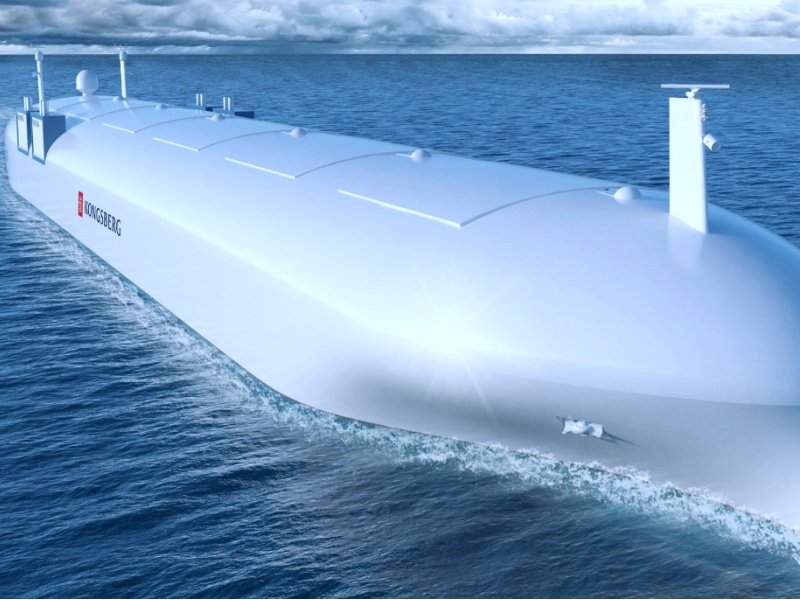
An autonomous vessel, showcasing the advanced technology transforming the maritime industry.
Pillar 1: Technological Prowess and Innovation
The core of any AUMS startup is its technology. VCs must delve deep into the technical capabilities and innovative edge of the venture.
Autonomy Level and AI Sophistication
Evaluate the claimed level of autonomy (as per IMO's four levels or other relevant standards) and the sophistication of the AI algorithms. This includes navigation, collision avoidance (COLREGs compliance), object detection, and decision-making capabilities under various maritime conditions. Startups like Orca AI leverage extensive nautical mile data to enhance situational awareness and reduce collision risks.
Hardware and Software Integration
Assess the quality, reliability, and innovation in hardware design – including sensors (LIDAR, RADAR, AIS, EO/IR cameras), propulsion systems, communication suites (satellite, RF), and power management. Critically, examine how seamlessly the software (including safety-certified frameworks) integrates with these physical systems to ensure robust performance.
Data Management and Sensor Fusion
Consider the startup's approach to collecting, processing, securing, and utilizing data from diverse sensors. Effective sensor fusion is crucial for creating a comprehensive operational picture and enhancing mission effectiveness and reliability. Proprietary datasets or unique data processing techniques can be a significant competitive advantage.
Testing, Validation, and Scalability
Look for evidence of rigorous testing in both simulated and real-world maritime environments. Successful pilot programs, sea trials, and third-party validations are strong indicators of system reliability. Assess the technological scalability – can the system be adapted for different vessel types, sizes, or operational complexities?
Pillar 2: Market Opportunity and Business Model Viability
A groundbreaking technology is insufficient without a clear path to market and a sustainable business model.
Market Size and Target Segments
Analyze the Total Addressable Market (TAM), Serviceable Available Market (SAM), and Serviceable Obtainable Market (SOM). Identify the specific maritime sectors targeted (e.g., commercial shipping, defense and security, offshore energy, hydrography, aquaculture, environmental monitoring). The global autonomous maritime vehicle industry is projected to show significant growth, potentially exceeding $10 billion by 2030.
Revenue Model and Commercial Scalability
Examine the proposed revenue streams: direct sales, leasing, data-as-a-service (DaaS), subscription models, or maintenance and support contracts. Assess the scalability of the business model and the startup's strategy for customer acquisition and market penetration.
Competitive Landscape and Differentiators
Understand the competitive environment, including established players and other startups. What are the startup's unique selling propositions (USPs) and sustainable competitive advantages? These could be patented technology, exclusive partnerships, superior performance, or a disruptive cost structure.
Pillar 3: Regulatory Compliance and Legal Acumen
The AUMS sector operates within a complex and evolving regulatory framework.
Adherence to Maritime Regulations
The startup must demonstrate a clear understanding of and a proactive approach to complying with international (e.g., IMO's Maritime Autonomous Surface Ships (MASS) Code, anticipated to be mandatory from 2028, IHO S-100 standards) and national regulations. This includes vessel registration, operational permits, and safety certifications.
Liability, Insurance, and Cybersecurity
Analyze how the startup addresses critical issues of liability in case of accidents or system failures. What are their plans for insurance coverage? Given the reliance on data and connectivity, robust cybersecurity measures to protect against hacking and data breaches are paramount.
Pillar 4: Team Strength and Execution Capability
The quality of the founding and management team is often a decisive factor in a startup's success.
Expertise and Experience
Evaluate the team's collective expertise in relevant domains: AI and robotics, maritime operations, naval architecture, software engineering, business development, and regulatory affairs. A strong advisory board can also be an asset.
Vision and Execution Track Record
Assess the clarity of the startup's vision and the practicality of its strategic roadmap. Look for a demonstrated ability to execute plans, meet milestones, and adapt to challenges. Past successes or relevant industry experience of team members can be positive indicators.
Pillar 5: Financial Projections and Investment Metrics
A thorough financial assessment is crucial to understand the startup's current health and future potential.
Financial Modeling and Projections
Review historical financials (if any) and scrutinize future projections (income statement, balance sheet, cash flow). Assumptions underpinning these projections (growth rates, pricing, costs) must be realistic and well-justified. R&D costs for autonomous technology can be substantial.
Funding Requirements and Use of Funds
Clearly understand the current funding ask, how the capital will be deployed (e.g., R&D, manufacturing scale-up, market expansion, talent acquisition), and future funding needs. Assess the burn rate and cash runway.
Valuation and Exit Strategy
Apply appropriate valuation methodologies (e.g., VC method, comparable company analysis, DCF, acknowledging early-stage uncertainties). Consider potential exit strategies, such as acquisition by larger maritime technology companies, defense contractors, or an IPO.
Pillar 6: Operational Safety, Security, and Risk Management
Safety and reliability are paramount in the maritime domain.
Risk Assessment and Mitigation
The startup should have robust risk assessment models identifying potential hazards (technological, operational, environmental, cyber) and well-defined mitigation strategies. This includes fail-safe mechanisms, redundancy in critical systems, and emergency protocols.
System Reliability and Security
Evaluate the demonstrated reliability of the AUMS under diverse operational conditions. Cybersecurity measures to prevent unauthorized access, control, or data manipulation are crucial, especially for systems integrated into critical infrastructure or defense applications.
Visualizing Strengths: A Hypothetical AUMS Startup Assessment
A radar chart can provide a quick visual summary of a startup's strengths and weaknesses across key evaluation criteria. The chart below illustrates a hypothetical assessment, where each axis represents a critical factor, and the plotted area shows the startup's perceived standing. For VCs, this tool can help compare multiple opportunities or track a single startup's progress over time. In this example, the startup shows strong technological innovation and team expertise but needs to bolster its regulatory readiness and market penetration strategy.
Mapping the AUMS Ecosystem: Interconnected Factors
The success of an AUMS startup is influenced by a complex web of interconnected factors. This mindmap illustrates key areas VCs should consider, from core technology and market dynamics to the crucial roles of regulatory frameworks and the founding team. Understanding these relationships can help in formulating a holistic investment thesis.
(Defense, Commercial, Offshore)"] id2c["Competitive Landscape"] id2d["Revenue Streams"] id2e["Scalability"] id3["Regulatory & Legal"] id3a["IMO MASS Code"] id3b["National Regulations"] id3c["Liability & Insurance"] id3d["Certification"] id4["Team & Execution"] id4a["Expertise & Experience"] id4b["Track Record"] id4c["Vision & Roadmap"] id5["Financials"] id5a["Projections & KPIs"] id5b["Funding Needs"] id5c["Valuation"] id5d["Exit Strategy"] id6["Risk & Safety"] id6a["Operational Safety"] id6b["System Reliability"] id6c["Risk Mitigation Plan"]
AUMS in Action: Insights from the Field
Understanding the ambitions and challenges within the autonomous maritime sector can be enhanced by hearing directly from those involved in building these innovative systems. The following video features Rylan Hamilton, CEO of Blue Water Autonomy, discussing his startup's efforts to develop captain-less ships. Such insights provide valuable context on the technological hurdles, operational complexities, and the transformative potential that AUMS promise for the maritime industry. This perspective can help VCs gauge the entrepreneurial drive and the real-world application of autonomous technologies.
Key Risk Factors and Mitigation Strategies in AUMS Investments
Investing in AUMS startups, like any deep-tech venture, comes with a unique set of risks. The following table outlines common risk categories specific to the autonomous maritime sector and suggests potential mitigation strategies that VCs should look for in a startup's planning.
| Risk Category | Description | Potential Mitigation Strategies |
|---|---|---|
| Technological Risk | Failures in AI algorithms, sensor malfunctions, hardware unreliability in harsh marine environments, software bugs, system integration issues. | Rigorous multi-stage testing (simulation, controlled, open-water), redundancy in critical systems, robust QA processes, modular design for easier upgrades/fixes, experienced engineering team. |
| Regulatory Risk | Uncertainty or delays in evolving regulations (e.g., IMO MASS Code), difficulties in obtaining certifications, lack of international standardization. | Proactive engagement with regulatory bodies, designing for future compliance, focusing on markets with clearer regulatory paths initially, strong legal counsel. |
| Market Adoption Risk | Slow uptake by conservative maritime industry, high initial costs for customers, lack of trust in autonomous systems, competition from established players or other startups. | Clear value proposition (cost savings, safety improvement), pilot programs with key industry players, phased deployment, educational marketing, targeting niche markets first. |
| Operational Risk | Challenges in deployment, maintenance, remote operations, dealing with unexpected environmental conditions, ensuring safety without human crew onboard. | Comprehensive operational protocols, remote monitoring and control capabilities, robust fail-safe mechanisms, partnerships for support and maintenance. |
| Cybersecurity Risk | Vulnerability to hacking, GPS spoofing, data breaches, denial-of-service attacks, potentially leading to loss of control or sensitive data. | End-to-end encryption, secure communication protocols, regular security audits and penetration testing, incident response plan, adherence to cybersecurity standards. |
| Financial Risk | High R&D and capital expenditure, long development cycles, difficulty securing follow-on funding, cash flow challenges before commercialization. | Phased development milestones tied to funding, realistic financial projections, diverse funding strategy, focus on early revenue generation where possible. |
Frequently Asked Questions (FAQ)
What are the most critical technological hurdles for AUMS startups?
Key technological hurdles include achieving robust and reliable sensor fusion for accurate perception in all weather conditions, developing AI sophisticated enough for complex decision-making and COLREGs compliance in unpredictable environments, ensuring secure and resilient communication systems (especially for over-the-horizon operations), and guaranteeing the cybersecurity of the entire system against potential threats. Hardware durability in harsh marine environments and long-term power management for extended missions also remain significant challenges.
How significant is the evolving regulatory landscape for AUMS investments?
The regulatory landscape is highly significant. International bodies like the IMO are developing guidelines (e.g., MASS Code), but national regulations can vary. Startups must navigate issues of certification, operational permits, liability, and insurance. VCs should assess a startup's awareness of these evolving regulations and its strategy for compliance, as regulatory approval can be a major gatekeeper to market entry and scalability. A proactive approach to engaging with regulators can be a competitive advantage.
What are typical exit strategies for VC investments in AUMS startups?
Common exit strategies include acquisition by larger technology companies looking to enter or expand in the maritime sector, by established maritime industry players (e.g., shipping companies, port operators, offshore energy firms), or by defense contractors. As the market matures, an Initial Public Offering (IPO) could also become a viable option for highly successful AUMS companies with significant scale and market share.
Beyond technology, what makes an AUMS startup attractive to VCs?
While technology is foundational, VCs also look for a strong, experienced management team with a clear vision and execution capability. A well-defined market opportunity with a scalable business model is crucial. Evidence of market traction, such as pilot projects, early customer adoption, or strategic partnerships, significantly enhances attractiveness. A solid understanding of the regulatory environment and a robust plan for addressing safety and cybersecurity are also key.
Explore Further
To deepen your understanding of the autonomous maritime sector and investment opportunities, consider exploring these related queries:
- What are the latest advancements in AI for autonomous vessel navigation?
- How do international maritime regulations impact the development of unmanned ships?
- Which market segments show the highest growth potential for autonomous maritime systems?
- What are the primary cybersecurity concerns for autonomous shipping and how are they being addressed?
References
Last updated May 20, 2025