
Best Places to See the Aurora
Discover the most stunning locations for aurora viewing in 2025
Highlights
- Prime Viewing Destinations: Regions like Northern Norway, Alaska, Iceland, and Canadian territories offer incredible vistas with minimal light pollution.
- Seasonal & Atmospheric Considerations: Winter months, clear skies, and strategic timing around new moon phases greatly enhance aurora encounters.
- Diverse Experiences: From urban cultural hubs blending modern amenities with natural splendor to remote wilderness adventures, there’s a destination for every adventurer.
Understanding the Aurora Phenomenon
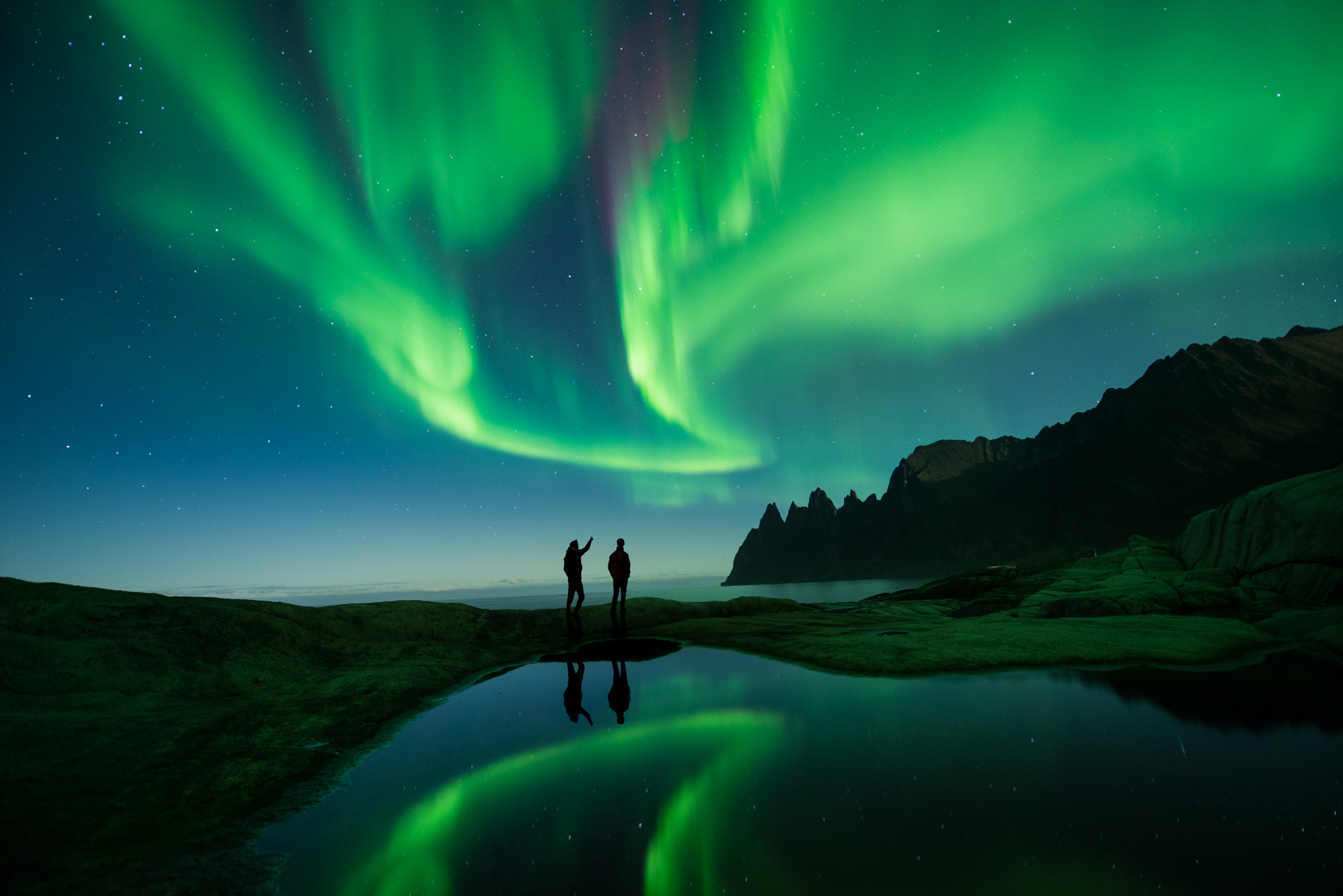
The aurora is a naturally occurring light display predominantly observed near Earth's polar regions. These electrifying light shows arise when charged particles from the sun interact with the Earth's magnetic field and atmosphere. The interplay of solar winds and Earth's magnetic field directs these particles towards the polar regions, creating dazzling curtains or arcs of light that pulse in greens, pinks, purples, and occasionally reds. The scientific intricacies of this phenomenon underscore why high latitude regions, with their minimal light pollution and clear skies, represent the ultimate viewing destinations.
Northern vs. Southern Aurora
While the Northern Lights (Aurora Borealis) are widely celebrated among tourists and photographers alike, the Southern Lights (Aurora Australis) provide equally mesmerizing displays though they are less accessible to casual observers. In the north, aside from popular sites, there are several strategic viewing spots where atmospheric conditions are optimal year-round. Conversely, regions such as the southern tip of New Zealand and Tasmania are known for offering occasional but extraordinary displays of the Aurora Australis during periods of increased solar activity.
Northern Hemisphere – Top Destinations
Scandinavian Splendor
Tromsø, Norway
Tromsø, often referred to as the "Gateway to the Arctic," is celebrated for its phenomenal aurora displays. Thanks to its favorable geographical positioning within the auroral oval and relatively mild coastal climate, this city combines accessibility with breathtaking natural beauty. Alongside aurora viewing, visitors can engage in dog-sledding, fjord cruises, and cultural tours. The region's infrastructure offers guided tours that ensure safety, comfort, and the best possible viewing conditions.
Lofoten Islands and Svalbard
Beyond Tromsø, the remote Lofoten Islands and Svalbard extend the experience to dramatic, rugged landscapes. The Lofoten Islands, with their traditional fishing villages and towering mountains rising straight from the ocean, provide a scenic backdrop to luminous nights. Svalbard, while more challenging in terms of accessibility, offers an extreme polar environment where aurora sightings are almost guaranteed due to the absence of urban light pollution.
Alaska and the American North
Fairbanks, Alaska
Fairbanks is widely regarded as one of the top locations in the world to observe the Northern Lights. Found directly underneath the auroral oval, this city experiences prolonged periods of aurora activity from August to April. The area not only offers viewing platforms with minimal light interference but also a range of experiences from hot springs relaxation to quintessential Alaskan wilderness adventures. Clear, cold nights combined with local tours make Fairbanks a quintessential aurora destination.
Other Notable Alaskan Sites
Besides Fairbanks, other Alaskan regions—and even remote areas across the state—reward intrepid aurora chasers with stunning natural displays. The vast wilderness areas provide the ideal settings where city lights are absent, leading to vivid, uninterrupted auroral shows.
Iceland’s Enchanting Landscapes
Reykjavik and Beyond
Iceland offers a compelling mix of urban convenience and wild natural wonders. The capital, Reykjavik, serves as an excellent gateway to aurora adventures due to its accessibility and surrounding rural locations that minimize light interference. Regions beyond the city, such as the Jokulsarlon Glacier Lagoon and the Snaefellsnes Peninsula, provide serene backdrops with reflective waters and rugged coastlines that amplify the beauty of the dancing lights in the night sky. Icelandic geothermal pools and hot springs further enhance the experience, allowing visitors to relax while gazing at celestial displays.
Canada: A Northern Frontier
Yellowknife, Northwest Territories
Renowned for having over 200 nights of clear skies each year, Yellowknife is one of the premier aurora viewing spots in Canada. Its location within the auroral oval guarantees frequent and intense aurora shows during the aurora season. Visitors in Yellowknife not only revel in the nightly displays but also enjoy a variety of winter activities such as ice fishing, snowshoeing, and cultural tours with indigenous communities sharing their local lore and historical ties with the aurora phenomenon.
Yukon and Other Regions
Beyond Yellowknife, regions such as the Yukon and Nunavut offer unique adventures in the Canadian wilderness. The remote and rugged landscapes of these territories provide pristine environments away from the distractions of modern life. Wildlife spotting, winter sports, and immersive local cultural experiences further enrich the aurora viewing journey, making it a holistic travel experience.
Northern Europe – Additional Highlights
Swedish and Finnish Lapland
Abisko National Park, Sweden
Abisko National Park in Sweden is heralded as one of the best locations globally for aurora photography and viewing. Its distinctive "blue hole" phenomenon—where a pocket of clear skies persists amidst surrounding cloud cover—ensures optimal conditions for night sky observations. Visitors to Abisko enjoy not only the natural allure of the lights but also opportunities for hiking, cross-country skiing, and engaging in outdoor survival workshops amid the stunning backdrop of Scandinavian wilderness.
Finnish Lapland
Finnish Lapland offers magical winter experiences complete with extensive aurora displays. Resorts here often incorporate traditional cabins, reindeer sleigh rides, and even ice hotels—all set against a snowy canvas where the aurora unfurls overhead. The warmth of Sami culture, rich in stories regarding the northern lights, complements the ethereal chill of the polar landscapes, making Finnish Lapland an unforgettable destination.
Other European Gems
In addition to the primary hotspots, other European regions such as Greenland and parts of the UK’s northern territories afford unique views of the aurora. While these locations might require more travel planning and patience, they reward adventurers with unspoiled Arctic landscapes and a profound connection to nature’s wonders.
| Destination | Country/Region | Key Features | Additional Experiences |
|---|---|---|---|
| Tromsø | Norway | Reliable aurora sightings, coastal climate | Dog-sledding, fjord cruises |
| Fairbanks | USA (Alaska) | Directly under auroral oval, long season | Hot springs, wilderness tours |
| Abisko National Park | Sweden | Clear skies due to “blue hole” effect | Hiking, winter photography |
| Yellowknife | Canada | Over 200 clear nights/year, auroral oval | Ice fishing, cultural tours |
Southern Hemisphere – Exploring Aurora Australis
Antarctica
Remote Polar Adventures
Antarctica offers perhaps the most exclusive opportunities to witness auroras at ground level. Due to its pristine environment, free from light pollution and urban interference, the continent displays some of the most intense and persistent aurora events. Given the logistical challenges, most trips to Antarctica are arranged as specialized expeditions, catering to researchers and adventurous travelers seeking one-of-a-kind wilderness experiences. These journeys often combine scientific exploration with the thrill of witnessing nature’s purest form of light shows.
New Zealand and Tasmania
Stewart Island, New Zealand
One of the most accessible and visually captivating spots for the Southern Lights is Stewart Island in New Zealand. As a recognized Dark Sky Sanctuary, this island offers minimal light pollution and clear horizons. During periods of heightened solar activity, visitors can experience vibrant auroral displays over lush landscapes and unspoiled coastlines. Besides the aurora, the region’s rich Maori cultural elements, scenic coastal walks, and opportunities for stargazing make it a truly immersive experience.
Tasmania, Australia
Tasmania, with its southern latitude and rugged natural beauty, is another prime destination for observing the Aurora Australis. Although the displays here can be less frequent than in the polar extremes, periods of enhanced solar activity can turn nights into mesmerizing celebrations of light. Tasmania’s mix of dense wilderness, coastal cliffs, and historic sites offers an atmospheric backdrop for the staged drama of the aurora overhead. Winter months typically provide the best chances of clear skies and deep contrasts against stark landscapes.
Planning Your Aurora Trip
Optimal Timing and Weather Considerations
Regardless of your destination, timing plays a crucial role in the success of an aurora viewing trip. Typically, the aurora season spans from late August through early April, with the peak viewing window between 10 PM and 2 AM. During these hours, with the moon either in its new phase or a slender crescent, the sky’s darkness is maximized, ensuring that the ethereal glows become the focal point of the night sky. Always check local weather forecasts and aurora predictions through reputable websites or apps to adjust your plans to coincide with periods of clear skies and ionospheric activity.
Minimizing Light Pollution
Light pollution is one of the significant challenges when chasing auroras. To truly capture the mesmerizing displays of the lights, it is essential to venture to locations far from urban centers. Even in places like Reykjavik or Fairbanks, local excursions into the surrounding countryside can vastly improve your viewing experience. Many travel companies offer specialized tours that transport you to the best dark-sky areas, ensuring that artificial lighting does not fade the natural brilliance of the auroral displays.
Local Culture and Activities
While the aurora is the primary draw for many visitors, these regions offer an array of cultural and outdoor activities that enrich the travel experience. For example, in Scandinavia, guided tours often incorporate local traditions, folklore, and culinary experiences that authentically showcase the area’s heritage. In Alaska and Canada, aside from the aurora, opportunities abound in wildlife tours, winter sports, and indigenous cultural interactions. Travelers are advised to explore multiple layers of the region, ensuring that the journey is as memorable as the celestial show overhead.
A Comprehensive Look at Aurora Viewing
Safety, Logistics, and Tour Options
Your safety and comfort are paramount when traveling to remote, high-latitude areas during the winter months. Most reputable tour operators not only arrange guided aurora-watching excursions but also take care of essential travel logistics. This includes transportation in harsh weather conditions, accommodations that cater to comfort while still preserving the authentic experience, and even emergency protocols should conditions become unsafe. Additionally, many tours blend scientifically informed aurora studies with cultural narratives, ensuring that tourists gain a robust understanding of the phenomenon while remaining safe in pristine yet challenging environments.
Tips on Capturing the Aurora
For photography enthusiasts, capturing the Northern or Southern Lights requires preparation and the right equipment. Long-exposure photography settings help in capturing the dynamic movement and luminous colors of the lights. It is advisable to bring a tripod, a DSLR or mirrorless camera, and remote shutter controls to reduce image blur. Many destinations now offer photography tours led by professionals who provide technical tips and creative insights for capturing the interplay of light and landscape. These tours add another layer of enjoyment to the overall aurora chasing experience.
Environmental and Cultural Considerations
The regions that host the aurora are often fragile ecosystems with rich cultural heritages. When planning your trip, consider the environmental impact of your travels. Respect local guidelines, support eco-friendly accommodations, and partake in tours offered by local, sustainable operators. Additionally, learning about local indigenous and cultural narratives surrounding the aurora can deepen your appreciation for these natural wonders. Many communities have long-standing traditions and stories that explain the mystical appearance of the lights – further enriching your journey with meaningful insights.
Summing It Up
The quest to witness the aurora is a journey that transcends simple travel. Whether you choose to chase the Northern Lights in the urban-meets-wilderness settings of Northern Norway, Alaska, or Canada, or venture to the remote and lesser-trodden terrain in Antarctica or New Zealand to see the Southern Lights, each destination offers a distinct narrative of nature’s splendor. With optimal timing, thoughtful planning, and an appreciation for the interconnectedness of cultural and natural heritage, the aurora viewing experience evolves into an unforgettable adventure. The varying landscapes—from snowy Scandinavian fjords and rugged Alaskan wilderness to volcanic Icelandic terrains and pristine Antarctic skies—each bring out different shades and movements of these luminous phenomena, ensuring that every moment under the dancing lights feels singular.
Moreover, the modern infrastructure at these destinations ensures both safety and a rich, immersive experience. With expert-led tours, practical amenities, and an understanding of the science behind the aurora, travelers can maximize their chances of witnessing these extraordinary events while exploring the wealth of cultural and natural experiences on offer. Overall, the best places to see the aurora provide not only natural beauty in its purest form but also a deeper connection to the environment and communities that have long lived in harmony with these celestial phenomena.
Conclusion
In conclusion, the best sites for observing the aurora are dispersed widely across both the Northern and Southern Hemispheres. From the bustling yet gateway-like city of Tromsø to the quiet, resource-rich skies of Fairbanks and Yellowknife, each destination promises an unparalleled nocturnal spectacle when nature's conditions align perfectly. Similarly, the remote expanses of Antarctica and the stunning southern latitudes of New Zealand and Tasmania showcase the aurora in different hues and intensities that are truly mesmerizing. By planning your trip during the right season, venturing away from light-polluted areas, and engaging with locally cultured, environmentally respectful experiences, you can ensure that your journey to witness the aurora transforms into a lifetime memory. Whether your passion lies in photography, adventure, or simply experiencing one of nature’s most magical phenomena, the wide array of destinations guarantees that the aurora’s ethereal glow is accessible for all who seek it.
References
- Chase the Northern Lights: Best Places to See the Aurora Borealis in 2025 - Kastravelco
- 8 Best Places to See Northern Lights in 2025 - NDTV
- Best Places to See the Northern Lights - The Sybarite
-
The 18 Best Places to See the Northern Lights - U.S. News Travel
- Best Places to See the Northern Lights in 2025 - Forbes
- The Best Times & Places to See the Northern Lights in 2025 - Adventure World
Recommended
Last updated February 20, 2025