
Best Places to See the Aurora
Uncover breathtaking aurora destinations worldwide
Key Takeaways
- Aurora Viewing Fundamentals: Select locations under the auroral oval, choose seasons with long nights, and avoid light pollution.
- Top Destinations: Iconic sites include Fairbanks, Tromsø, Yellowknife, Abisko, and Lofoten Islands among others.
- Planning Essentials: Monitor weather, lunar phases, and solar activity while bundling up and preparing for multiple nights.
Introduction
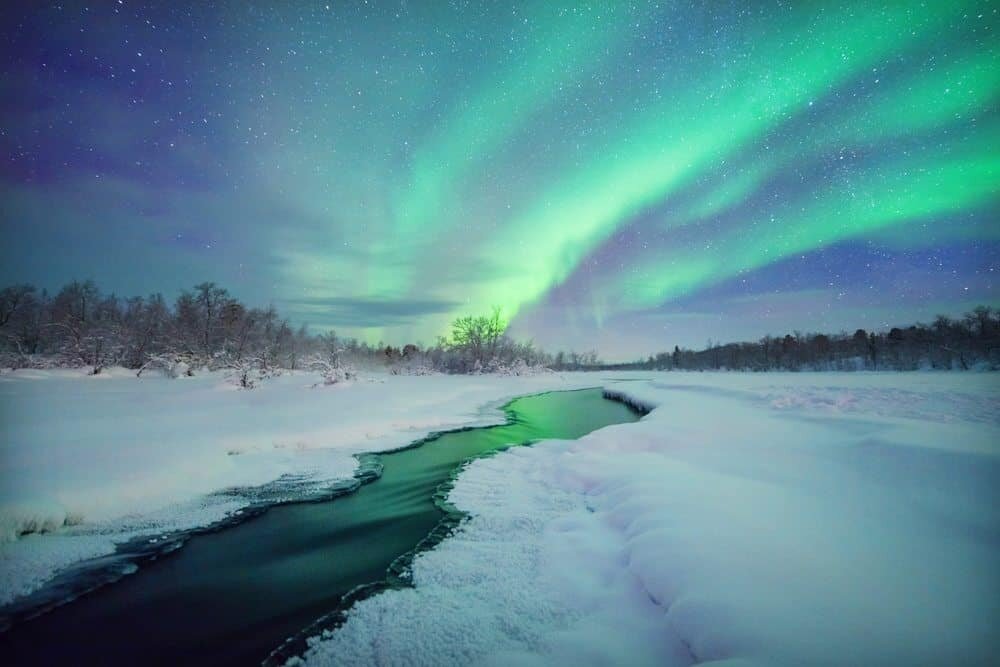
The aurora phenomenon, whether it is the aurora borealis (Northern Lights) or aurora australis (Southern Lights), is one of nature's most mesmerizing displays. This spectacular light show occurs when charged particles from the sun interact with Earth's magnetic field, creating dynamic curtains of light that dance across the sky. For those seeking to witness this natural wonder firsthand, selecting the right destination and timing your trip are essential components to success. In this detailed guide, we examine some of the best places available worldwide to experience the aurora, incorporating advice on optimal viewing conditions and activities that can complement your journey.
Understanding Aurora Phenomena
The Science Behind the Aurora
The aurora is produced when electrons and protons, ejected from the sun during solar storms, collide with gases in Earth's atmosphere, such as oxygen and nitrogen. These collisions excite the atoms, causing them to emit light in various colors. In many cases, oxygen produces green hues, whereas nitrogen can cause blue or red hues. The location and intensity of the aurora depend on the magnetic field configuration and solar wind activity. Modern technology enables forecasts of auroral activity, allowing travelers to plan trips during peak viewing times.
Optimal Conditions for Viewing
While the aurora can be unpredictable, several factors enhance the viewing experience. The best locations are typically situated within or near the auroral oval—a band around the polar regions in which auroral activity is most frequent. Equally important are dark skies, clear weather conditions, and minimal interference from city lights. Additionally, the moon phase plays a significant role; a new moon or crescent moon can ensure darker skies that make the aurora’s colors even more vivid. With these tips in mind, let’s explore the top destinations where you can experience these celestial light shows.
Top Destinations for Aurora Viewing
Northern Hemisphere Highlights
North America
For travelers based in or visiting North America, a number of destinations are renowned for their frequent and intense auroral displays:
- Fairbanks, Alaska: Perhaps the most celebrated location in the United States for aurora viewing, Fairbanks lies directly beneath the auroral oval. With up to 200 clear nights per year during the season from late August to April, it offers excellent opportunities to catch the lights at their peak between 10:00 p.m. and 2:00 a.m.
- Yellowknife, Canada: Known across the globe for its clear skies, Yellowknife in the Northwest Territories boasts over 200 nightly opportunities for aurora sightings. Its remote setting and minimal light pollution create a perfect canvas for the dramatic displays.
- Churchill, Canada: Situated on the western shore of Hudson Bay, Churchill is another remarkable destination. In addition to auroral sightings, visitors may enjoy unique wildlife experiences, such as polar bear tours.
- Michigan’s Upper Peninsula: Locations like Port Crescent State Park offer dark sky preserves that make them ideal spots for viewing the Northern Lights, particularly during the winter months.
Europe
Europe provides a rich variety of sites, especially in the Scandinavian region, where the natural environment is both accessible and dramatic:
- Tromsø, Norway: Regarded as the gateway to the Arctic, Tromsø is often at the center of auroral activity due to its geographical location within the auroral belt. The city offers not just a display of lights but also a variety of cultural and adventurous activities.
- Abisko National Park, Sweden: Home to the famous Aurora Sky Station, Abisko has earned a worldwide reputation for its consistently clear skies. The unique weather phenomena in this region, including a natural “blue hole” in the clouds, often provide uninterrupted views.
- Alta, Norway: Nicknamed the "City of the Northern Lights," Alta enjoys conditions that favor auroral observations from September to March. Its long-standing history of aurora research further cements its status as a prime destination.
- The Lofoten Islands, Norway: These islands are not only renowned for their rugged beauty but also for providing a spectacular foreground against the ethereal backdrop of the aurora. The combination of mountains, fjords, and rugged coastline creates a picture-perfect setting.
- Iceland: With its myriad natural wonders, Iceland offers superb locations for aurora sightings outside the capital Reykjavik. Areas like Vik or secluded spots near waterfalls and geothermal areas allow visitors to experience the lights amid dramatic landscapes.
- Finnish Lapland: Rovaniemi and its surrounding regions in Finnish Lapland provide ideal conditions for aurora enthusiasts. Glas igloos, reindeer sleigh rides, and snowmobile safaris add appeal to any nighttime aurora chase.
Southern Hemisphere Highlights
Aurora Australis Destinations
Though the aurora australis occurs less frequently and is harder to access due to the sparse population in the Southern Hemisphere’s high latitudes, there are still incredible locations to consider:
- Tasmania, Australia: With its dark skies and unique landscape, Tasmania offers a rare opportunity to glimpse the Southern Lights. Its isolated and rugged terrain provides excellent conditions for reduced light pollution.
- Stewart Island, New Zealand: Located off the southern coast of New Zealand, Stewart Island stands as one of the few locations where the southern lights can be observed. Clear skies and minimal interference offer a remarkable backdrop for this celestial display.
Planning Your Aurora Viewing Trip
When to Visit
Timing plays a critical role in maximizing the chances of witnessing the aurora. In general, the best time to view the Northern Lights is from late August or early September to April. The period around the equinoxes in March and September is particularly popular due to increased geomagnetic activity. For the Southern Lights, months corresponding to the winter season in the Southern Hemisphere, typically between March and September, are ideal.
Essential Preparation Tips
To optimize your aurora-viewing experience, consider the following essential tips:
- Dark Skies: Choose remote locations away from city lights to increase visibility. Many of the best destinations are in protected areas or designated dark sky parks.
- Weather Forecasts: Cloud cover can significantly impair your ability to see the lights. Plan a trip spanning several nights to maximize your chances of encountering clear skies.
- Moon Phases: A new moon or crescent phase offers darker skies, enhancing the aurora’s appearance.
- Aurora Forecasts: Utilize online resources and apps that provide real-time updates on auroral activity to avoid disappointment.
- Photography Equipment: For those looking to capture the display, a sturdy tripod and camera with manual settings are essential. Wide-angle lenses and remote shutter releases can also dramatically improve your shots.
- Local Experiences: Many destinations offer guided aurora tours along with additional Arctic experiences, such as dog sledding, snowmobiling, or cultural storytelling sessions, which enrich the overall travel experience.
- Warm Clothing: As the viewing season often coincides with winter, dressing in layers and ensuring that you have appropriate winter gear is indispensable for comfort and safety.
A Comprehensive Table of Popular Aurora Locations
The table below summarizes key information for several top aurora viewing destinations in terms of location, optimal viewing period, and popular activities:
| Location | Country/Region | Best Viewing Period | Popular Activities |
|---|---|---|---|
| Fairbanks | USA (Alaska) | Aug - Apr | Aurora viewing, dog sledding, hot springs |
| Tromsø | Norway | Sep - Apr | Guided tours, cultural experiences, fjord cruises |
| Yellowknife | Canada | Aug - Apr | Aurora tours, ice fishing, local cultural events |
| Abisko | Sweden | Nov - Mar | Aurora Sky Station, photography workshops |
| Lofoten Islands | Norway | Sep - Apr | Boat tours, hiking, traditional fishing |
| Tasmania | Australia | Mar - Sep | Nature exploration, coastal landscapes, stargazing |
| Stewart Island | New Zealand | Mar - Sep | Hiking, wildlife watching, dark sky observation |
Additional Considerations
Travel Logistics and Amenities
Many of the best aurora viewing locations offer additional attractions and amenities that add value to the trip. For instance, regions in Scandinavia provide cultural experiences such as indigenous Sami tours, reindeer herding, and traditional cuisine. Similarly, Alaska and Northern Canada not only provide incredible auroral displays but also offer winter sports like cross-country skiing and snowshoeing. In Iceland, many tours combine the aurora chase with visits to volcanic landscapes, geysers, and ice caves.
Accommodations and Unique Stays
To further enhance the aurora-chasing experience, many destinations provide unique accommodations. For example, locations in Finnish Lapland offer glass igloos that allow guests to enjoy the lights from the comfort of a warm bed. Similarly, specially designed cabins and lodges ensure that visitors have easy access to outdoor viewing decks. This blend of cozy accommodations and immersive natural surroundings creates a memorable travel experience.
Safety and Environmental Awareness
While planning your aurora trip, it is important to recognize the challenges posed by extreme weather conditions and remote locations. Always ensure you have the proper gear, inform others of your travel plans, and consider hiring local guides who are familiar with both the terrain and local safety protocols. Respecting nature by sticking to designated paths and minimizing your environmental footprint is essential for preserving these pristine landscapes for future generations.
Conclusion
In conclusion, the stunning spectacle of the aurora is accessible to travelers who are well-prepared and informed about the best viewing conditions. Whether you choose the diverse landscapes of North America, the dramatic vistas of Europe, or the unique offerings of the Southern Hemisphere, proper planning is key. Selecting destinations that lie directly under the auroral oval, coordinating your travel around the ideal season, and managing expectations through weather and solar forecasts will ensure a rewarding and memorable expedition.
From the bustling yet accessible Fairbanks and Yellowknife to the tranquil and majestic Abisko, each destination offers its own blend of natural beauty and cultural experiences. Meanwhile, regions like Tasmania and Stewart Island remind us that the magic of the aurora knows no borders. With the right combination of timing, location, and planning, witnessing the celestial dance of vibrant lights becomes not just a travel goal, but a transformative encounter with one of Earth's most extraordinary phenomena.
References
- Best Places to See Northern Lights - Space Tourism Guide
- 10 Best Places in the World to See the Aurora - See The Aurora
- 7 Aurora Destinations - National Geographic
-
Best Places to See the Northern Lights - Time Out
-
The Best Places to See the Northern Lights - US News Travel
- Best Places for Northern Lights - Outside Online
- Northern Lights Travel Ideas - Travel + Leisure
- Best Place to See the Northern Lights - The Aurora Zone
- Where to See the Northern Lights and When - Wendy Perrin
- How to See the Northern Lights - Rick Steves Travel Forum
Recommended
Last updated February 25, 2025