
Unlock Social Growth: Designing the Ultimate Auto-Like Task Engine App
Explore innovative app ideas that combine social media automation with powerful task engine capabilities for 2025 and beyond.
Highlights: Key Insights
- Task Engine Core: The foundation is an automated system that schedules, queues, and executes 'like' actions based on user rules or AI, moving beyond simple bots.
- AI-Powered Optimization: Leverage Artificial Intelligence to enhance targeting, timing, and strategy, making automation smarter and more effective.
- Compliance is Crucial: Success hinges on mimicking human behavior and strictly adhering to social media platform terms to avoid penalties or bans.
Decoding the Auto-Like Task Engine Concept
What Exactly is an Auto-Like Task Engine App?
Imagine an application that doesn't just automatically 'like' posts on platforms like Instagram, Facebook, or Twitter, but does so intelligently as part of a broader automated workflow. This is the essence of an "auto get like app" built as a task engine. It goes beyond simple auto-likers by incorporating sophisticated scheduling, task queuing, rule-based execution, and potentially AI-driven decision-making. Think of it as a personal digital assistant focused specifically on managing and automating social media engagement tasks, primarily liking content, to boost visibility or achieve specific growth objectives.
This engine can be programmed to perform tasks based on various criteria: liking posts with specific hashtags, engaging with content from certain users, or operating within predefined time windows. The "task engine" aspect means it handles these actions as part of a managed process, capable of prioritizing tasks, handling multiple accounts or platforms, and potentially integrating with other productivity tools.
Why is This Relevant in 2025?
In today's digital landscape, efficiency and automation are paramount. Social media requires consistent engagement for growth, which can be incredibly time-consuming. Task automation software is booming, with tools becoming increasingly sophisticated and AI-integrated. An auto-like task engine addresses this need by:
- Saving Time: Automates repetitive engagement actions.
- Boosting Efficiency: Uses rules and AI to optimize engagement efforts.
- Enhancing Productivity: Frees up users (individuals, marketers, businesses) to focus on higher-level strategy and content creation.
- Leveraging AI Trends: Incorporates cutting-edge AI for smarter automation, aligning with the 2025 tech landscape where AI assistants and workflow automation are becoming mainstream.
However, it's crucial to navigate the ethical and platform-specific rules surrounding automation.
Blueprint for Success: Key Features of an Advanced Auto-Like Task Engine
Building a successful and sustainable auto-like task engine requires a blend of robust automation capabilities, intelligence, and a strong focus on safety and compliance.
Robust Task Automation Core
Scheduling, Queuing, and Execution
The heart of the app is its ability to manage tasks. This includes:
- Flexible Scheduling: Allowing users to define when tasks should run (e.g., specific times, intervals, event-triggered).
- Intelligent Queuing: Managing a backlog of tasks, potentially with prioritization rules (e.g., high-priority users first).
- Reliable Execution: Ensuring tasks are performed consistently and reporting on successes or failures.
Intelligent Targeting and Filtering
Precision Engagement
Random liking is ineffective and risky. The engine needs sophisticated targeting:
- Criteria-Based Selection: Filtering content/users based on hashtags, keywords, location, language, user profiles, follower count, etc.
- Negative Keywords/Filters: Ability to exclude certain topics or users.
- Content Analysis (Potential AI Feature): Identifying relevant posts based on image or text content.
Multi-Platform Integration
Broadening Reach Safely
Supporting multiple social media networks (Instagram, Facebook, Twitter, TikTok, Pinterest, etc.) increases value. This requires:
- API Integration (Where Permitted): Using official APIs for reliability and compliance.
- Careful Automation Techniques: Utilizing browser automation or other methods cautiously for platforms without open APIs, ensuring compliance.
- Platform-Specific Logic: Adapting strategies and limits based on each platform's rules and algorithms.
Human-Like Behavior Simulation
Staying Under the Radar
To avoid detection and potential account suspension, the engine must mimic human activity:
- Randomized Delays: Introducing variable pauses between actions.
- Throttling: Limiting the number of actions within specific timeframes (hourly, daily).
- Varying Activity Patterns: Avoiding robotic, repetitive sequences.
- Working Hours: Option to operate only during typical user activity times.
AI-Powered Optimization
Smarter Automation
Integrating AI can significantly enhance effectiveness:
- Performance Analysis: Learning which types of posts/users yield the best engagement return (e.g., reciprocal likes/follows).
- Trend Identification: Suggesting relevant trending hashtags or topics to engage with.
- Dynamic Scheduling: Adjusting activity timing based on predicted peak engagement periods.
- Predictive Targeting: Identifying users most likely to reciprocate engagement.
Analytics and Performance Tracking
Measuring Impact
Users need to see the results of the automation:
- Dashboard: Visualizing key metrics (likes performed, success rate, estimated reach increase).
- Reporting: Generating regular summaries of activity and outcomes.
- Engagement Tracking: Monitoring reciprocal actions or follower growth potentially linked to the app's activity.
Security and Compliance Focus
Building Trust and Longevity
This is non-negotiable:
- Secure Authentication: Using methods like OAuth where possible to avoid storing passwords.
- Data Privacy: Ensuring user data is handled securely and confidentially.
- Terms of Service Adherence: Constantly monitoring and updating logic to comply with platform rules and minimize risks.
- Transparency: Clearly communicating the risks associated with automation to users.
Workflow Integration and Extensibility
Connecting the Dots
The app becomes more powerful if it can connect to other tools:
- Built-in Workflows: Allowing users to chain tasks (e.g., "Like post -> Wait 1 day -> Check for follow-back").
- API/Webhook Support: Enabling integration with platforms like Zapier, Make, or custom applications (e.g., "Like post -> Add user to CRM list").
- Plugin Architecture: Potential for users or developers to add new functionalities or platform support.
Sparking Innovation: 5 App Ideas for Auto-Like Task Engines
Here are five distinct concepts for an auto-like task engine app, leveraging the features discussed above:
1. The Smart Social Orchestrator (AI Workflow Builder)
This app focuses on sophisticated, AI-driven automation and workflow integration.
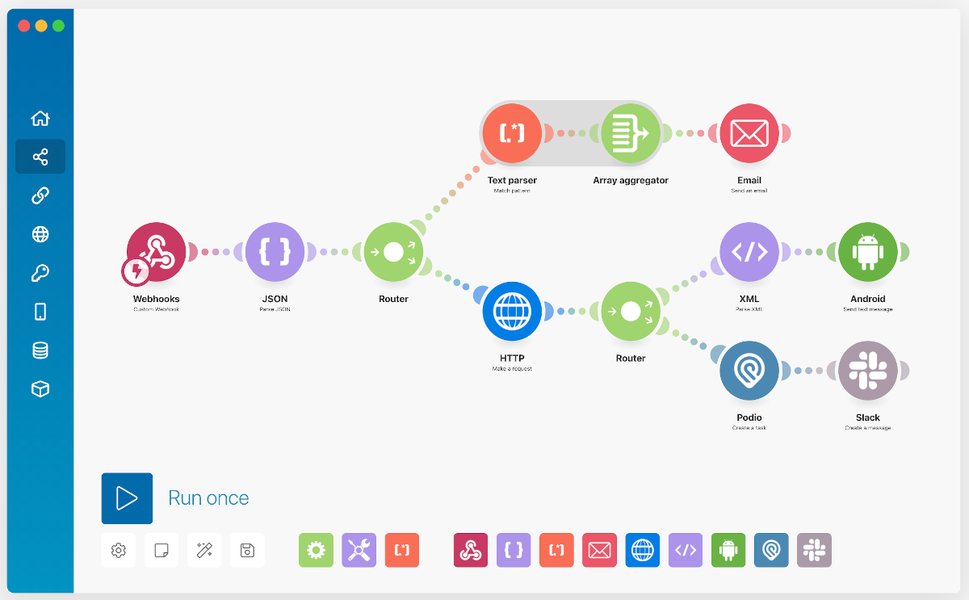
Visualizing automated task management, similar to what an orchestrator app could offer.
Features:
- Uses AI to suggest optimal liking strategies based on goals (e.g., growth, engagement).
- Allows users to build complex workflows visually (e.g., "If post contains #AI -> Like post -> Add author to 'Potential Leads' list -> Send data to Google Sheet").
- Integrates deeply with CRM, project management (like ClickUp), and marketing automation tools via APIs or platforms like Zapier.
- Provides predictive analytics on campaign success.
Target User:
Social media managers, digital marketing agencies, businesses focused on lead generation through social media.
2. The Reciprocal Engagement Hub (Community-Driven Task Engine)
This concept centers around a mutual exchange system managed by the task engine.
Features:
- Users earn credits by allowing the engine to perform engagement tasks (liking, potentially following) for others in the community.
- Credits are spent to have their own content liked by others via the task engine.
- The engine manages the queue of tasks, ensuring fair distribution and activity that mimics organic behavior.
- Incorporates anti-fraud mechanisms to ensure genuine engagement within the community.
- Includes basic task scheduling for users' own liking activities outside the exchange.
Target User:
Individuals, influencers, and small brands looking for mutual growth and engagement within a controlled community.
3. The Niche Platform Specialist (Focused Automation Engine)
Instead of trying to cover all platforms, this app specializes in one or two, like Pinterest, TikTok, or LinkedIn.
Features:
- Task engine designed specifically for the nuances of the target platform (e.g., automating repins on Pinterest, liking specific types of TikTok videos).
- AI tailored to understand content and trends on that specific platform.
- Offers highly specialized targeting options relevant to the platform's user base and features.
- Maintains deep knowledge of the platform's specific ToS regarding automation.
Target User:
Users heavily invested in specific platforms where generic tools might be less effective or riskier.
4. The Enterprise Engagement Automator (Business & Team Focus)
This version scales the concept for corporate use, integrating social engagement into broader business workflows.
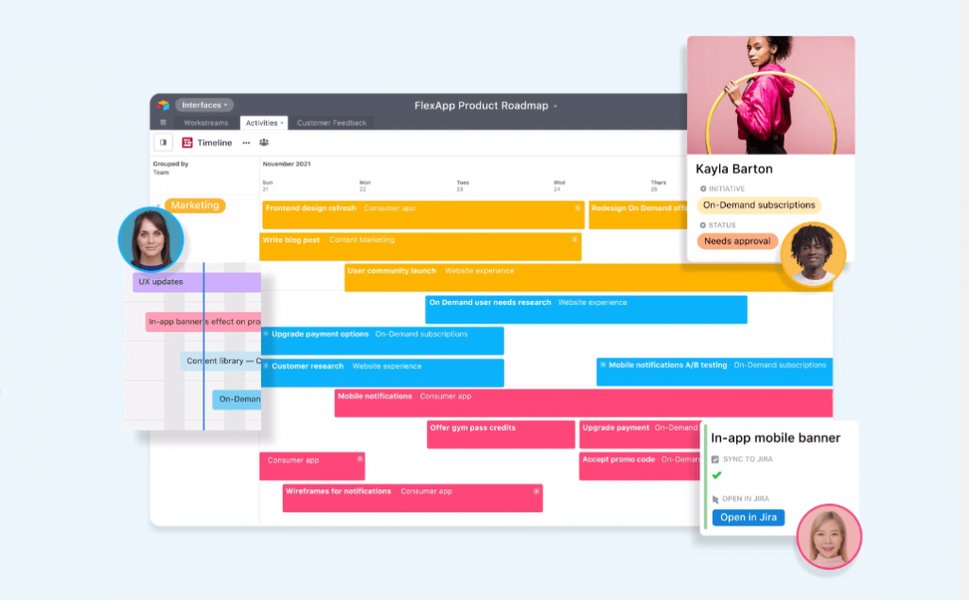
Interface example from task automation software, relevant to enterprise solutions.
Features:
- Multi-user support with role-based access control.
- Team collaboration features for managing campaigns.
- Direct integration with enterprise software (CRM like Salesforce, collaboration platforms like Slack/Teams, BI tools).
- Advanced compliance features and audit trails.
- Automated reporting tailored for business KPIs (brand sentiment, engagement rates).
- Task engine capable of handling higher volumes and more complex, multi-step workflows.
Target User:
Medium-to-large businesses, marketing departments, sales teams using social selling.
5. The Mobile-First Micro-Tasker (On-the-Go Social Automation)
This app focuses on seamless mobile integration and automating small engagement tasks in the background.
Features:
- Lightweight task engine optimized for mobile devices.
- Background execution with minimal battery drain.
- Potential integration with OS features (e.g., Android Intents, iOS Shortcuts) or even automotive platforms like Android Auto for context-aware triggers (though liking while driving is ill-advised and likely against ToS).
- Simple interface for setting up basic rules (e.g., "Like posts from close friends," "Like posts with #hobby").
- Voice command potential for initiating tasks (e.g., "Start my morning engagement routine").
Target User:
Casual users, busy individuals who want simple, set-and-forget automation for maintaining social connections or light engagement.
Visualizing Core Functionalities: A Feature Radar
To better understand the key dimensions of a well-rounded Auto-Like Task Engine, the radar chart below evaluates different aspects. It highlights the balance needed between powerful automation, intelligence, user control, and safety measures. An ideal app would score well across multiple axes, tailored to its specific target audience and goals.
This chart provides a conceptual view. The 'Ideal Balanced App' aims for strong performance across the board, emphasizing compliance and security. Other profiles might prioritize specific areas like 'Automation Depth' at the potential expense of 'Compliance Focus', representing different market strategies.
Mapping the Auto-Like Ecosystem: A Conceptual Mindmap
The mindmap below illustrates the interconnected concepts surrounding an Auto-Like Task Engine app. It branches from the core idea to key features, potential app directions, underlying technologies, and critical considerations like ethics and platform rules.
Management"] id1_3["Workflow Automation"] id2["Key Features"] id2_1["Task Engine
(Queue, Schedule)"] id2_2["AI Optimization
(Targeting, Timing)"] id2_3["Multi-Platform Support"] id2_4["Human Mimicking"] id2_5["Analytics Dashboard"] id2_6["Security (OAuth)"] id2_7["Compliance Controls"] id2_8["Workflow Integrations
(Zapier, etc.)"] id3["App Idea Directions"] id3_1["Smart Orchestrator
(AI Workflows)"] id3_2["Reciprocal Hub
(Community Exchange)"] id3_3["Niche Specialist
(e.g., Pinterest)"] id3_4["Enterprise Automator
(Business Focus)"] id3_5["Mobile Micro-Tasker"] id4["Technology Stack"] id4_1["Backend (Python/Node.js)"] id4_2["Task Queues (Celery/Redis)"] id4_3["AI/ML Models"] id4_4["Cloud Hosting (AWS/GCP)"] id4_5["Frontend Framework"] id5["Critical Considerations"] id5_1["Platform Terms of Service"] id5_2["Risk of Account Bans"] id5_3["Ethical Use (No Spam)"] id5_4["Data Privacy (GDPR/CCPA)"] id5_5["User Transparency"]
This mindmap provides a high-level overview, showing how different components relate to the central idea of building an advanced auto-liking application.
Under the Hood: Technologies and Architecture
Building such an app requires careful consideration of the underlying technology stack.
Backend & Automation Engine
This is the core. Technologies like Python (with libraries like Celery for task queues) or Node.js are suitable. Workflow engines (open-source like Apache Airflow or commercial solutions) could provide a foundation. A robust database is needed to store user settings, tasks, and logs.
AI Components
For AI features, machine learning models trained on engagement data would be necessary. This could involve Natural Language Processing (NLP) for content analysis or predictive models for optimizing timing and targeting. Utilizing cloud AI services (like Google AI Platform or AWS SageMaker) can accelerate development.
Frontend & User Interface
A clean, intuitive UI is crucial for users to define rules, monitor tasks, and view analytics. Modern web frameworks (React, Vue, Angular) are standard. For workflow builders, drag-and-drop interfaces enhance usability.
Integration Layer
Securely interacting with social media platforms requires using official APIs where available. For others, careful browser automation (e.g., using tools like Puppeteer or Selenium) might be considered, though this carries higher risks. Robust error handling and rate limit management are essential.
Comparing Potential App Approaches
The table below summarizes the five app ideas presented earlier, highlighting their key differences across several dimensions. This helps in understanding the trade-offs and target markets for each concept.
| App Idea | Target Audience | Key Feature | AI Level | Complexity | Potential Monetization |
|---|---|---|---|---|---|
| Smart Social Orchestrator | Marketers, Agencies | AI Workflow Builder & Integration | High | High | Subscription (Tiered), Usage-Based |
| Reciprocal Engagement Hub | Individuals, Influencers | Community Like Exchange | Medium | Medium | Freemium, Premium Features, Credits Purchase |
| Niche Platform Specialist | Platform Power Users | Deep Platform-Specific Automation | Medium-High | Medium | Subscription |
| Enterprise Engagement Automator | Businesses, Teams | Scalability, CRM/Team Tool Integration | Medium-High | Very High | Enterprise Licensing, Seats |
| Mobile-First Micro-Tasker | Casual/Mobile Users | Simplicity, Background Automation | Low-Medium | Low-Medium | Freemium, One-Time Purchase |
This comparison illustrates that there isn't one "best" idea, but rather different approaches suited to different user needs and development capabilities. Complexity often correlates with the level of AI integration and the breadth of features offered.
Navigating the Minefield: Ethical Considerations and Platform Compliance
Developing and using an auto-like task engine carries significant responsibilities and risks.
Understanding Terms of Service (ToS)
This is paramount. Most major social media platforms explicitly prohibit or heavily restrict automated interactions, including liking. Violating ToS can lead to:
- Temporary action blocks
- Account suspension
- Permanent bans
Any app in this space must be designed with extreme caution, prioritizing compliance features like realistic behavior simulation and adherence to known limits. Even then, the risk often remains.
Promoting Responsible Use
These tools should not be positioned or used for spamming. Ethical use involves targeted, moderate engagement that adds value or builds genuine connections, rather than indiscriminate liking solely for vanity metrics. The app design should encourage this.
Transparency with Users
Users must be fully informed about the risks involved. The app should clearly state that using automation violates platform ToS and could lead to account penalties. Hiding these risks is unethical and unsustainable.
Leveraging AI for Social Media Growth
AI tools are increasingly used to optimize social media strategies, from content creation to analytics. Understanding how AI can enhance engagement efforts provides context for developing smarter automation tools. The following video discusses AI tools that help creators succeed on social media platforms, highlighting the trend towards intelligent automation and optimization.
This video explores various AI tools designed to help users go viral on social media. While not specifically about auto-liking task engines, it showcases how AI is being applied to analyze trends, optimize content timing, and understand audience engagement – principles that can be integrated into the AI components of an auto-like task engine to make its actions more strategic and potentially less detectable than naive automation.
Frequently Asked Questions (FAQ)
Are auto-like apps allowed by social media platforms?
Generally, no. Most platforms like Instagram, Facebook, Twitter, etc., have terms of service that prohibit automated actions, including bulk or automated liking. Using such apps carries a significant risk of account penalties, ranging from temporary restrictions to permanent bans. While some apps try to mitigate risk by mimicking human behavior, the underlying activity often still violates platform policies.
How does the "task engine" part work?
A task engine in this context refers to the software component responsible for managing the automation. It takes user-defined rules (e.g., "like 10 posts per hour with #Technology"), schedules these actions, puts them in a queue, executes them (e.g., sends the 'like' command via an API or simulated browser action), monitors their success, and potentially handles errors or adjusts based on feedback (like platform rate limits). It provides structure and control over the automated processes.
What makes an AI-powered auto-liker different?
Traditional auto-likers often follow simple, rigid rules. An AI-powered version uses machine learning to make smarter decisions. This could include: analyzing content to like only relevant posts, predicting the best times to perform actions for maximum visibility or engagement, identifying users most likely to reciprocate, dynamically adjusting activity speed to appear more human, or learning from past performance to refine targeting strategies over time.
What are the main risks of using such an app?
The primary risk is violating the social media platform's Terms of Service, which can lead to account suspension or a permanent ban. Other risks include potential security vulnerabilities if the app requires your login credentials (OAuth is safer), appearing spammy to other users if the automation is poorly configured, and potentially wasting effort on ineffective engagement if the targeting isn't precise.
Recommended Further Exploration
- How can one build a basic task automation workflow engine?
- What are the ethical implications of using AI for social media automation?
- Explore the differences between using APIs and browser automation for social media tasks.
- Discover the latest trends in AI-powered marketing automation tools beyond just liking.
References
Last updated May 5, 2025