
Identifying the Root Cause of Your Symptoms
Exploring how dry eyes, neck pain, dry skin, dry mouth, and bruxism are interconnected
Key Highlights
- Sjögren's Syndrome as a Primary Culprit – An autoimmune condition that directly affects moisture-producing glands, leading to dry eyes and dry mouth.
- Interconnected Symptom Network – The combination of symptoms can also be intertwined with stress, medication side effects, and environmental conditions.
- Multidisciplinary Diagnostic Approach – A comprehensive evaluation by specialists can confirm the diagnosis and help tailor management strategies.
Understanding the Symptom Complex
Many individuals experience a constellation of symptoms such as dry eyes, neck pain, dry skin, dry mouth, and bruxism. In your case, as an expat facing various environmental and lifestyle adjustments, understanding the potential root cause of these symptoms is critical. The interrelationship among these symptoms often points towards systemic issues with potential autoimmune origins or stress-related complications.
Dry Eyes and Dry Mouth: Hallmark Signs
Among the symptoms you described, dry eyes and dry mouth (also known as xerostomia) are notably prominent indicators. These two symptoms are frequently recognized as core clinical features of Sjögren's syndrome, an autoimmune disorder wherein the body's immune system erroneously attacks its own moisture-producing glands. In this condition, tear and saliva production decreases significantly leading to dryness, irritation, and associated discomfort.
How Sjögren's Syndrome Manifests
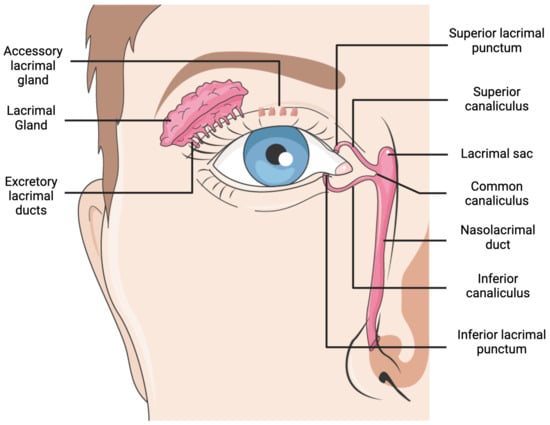
In Sjögren's syndrome, the lacrimal glands (responsible for tear production) and salivary glands (responsible for saliva production) are primarily targeted. This autoimmune attack not only reduces moisture in the eyes and mouth but may also affect other exocrine glands throughout the body, creating a broader spectrum of dryness-related symptoms such as dry skin. While Sjögren's is most recognized for its ocular and oral manifestations, the systemic nature of the disease means that other tissues may be involved, leading to joint aches, general fatigue, and occasionally, musculoskeletal discomfort including neck pain.
Neck Pain and Its Connections
While neck pain may seem isolated from dryness-related symptoms, there is evidence to suggest that cervical dysfunction or referred pain can occur in the context of chronic inflammatory conditions. In cases of Sjögren's syndrome, systemic inflammation may extend to impact muscle and joint function, indirectly contributing to neck stiffness and pain. Moreover, the presence of significant discomfort in this region can contribute to altered posture and inadequate sleep patterns.
Cervicogenic Referred Pain
Cervicogenic referred pain refers to discomfort originating in the neck that radiates or is perceived in other regions including around the eyes. It can sometimes be mistaken for primary ocular issues. The muscle tension stemming from chronic inflammation or simply from maintaining an abnormal posture while dealing with systemic dryness can exacerbate neck pain. Given your symptom constellation, it is plausible that the neck pain you experience is, in part, a secondary effect of systemic factors such as those seen in autoimmune conditions.
Dry Skin as Part of a Systemic Manifestation
Dry skin is a common complaint among individuals experiencing changes in environmental humidity or following aging processes. However, in the context of an autoimmune disorder such as Sjögren's syndrome, the dryness extends into the skin. This is due to the immune-mediated destruction or impairment of exocrine glands that affect oil and moisture production in the dermis. Consequently, this may result in not only dry but also irritated or inflamed skin conditions.
Potential Autoimmune Impact
When the immune system acts against its own secretory glands, the resulting inability to properly hydrate target tissues manifests as dryness. The localized effect on the skin might present as flakiness or heightened sensitivity. This interplay between systemic autoimmunity and superficial manifestations like dry skin further reinforces the central hypothesis of an autoimmune etiology in your symptoms.
Bruxism: Stress, Medications, and Autoimmunity
Bruxism, or the unconscious grinding of teeth often observed during sleep, appears in your symptom profile as well. The origins of bruxism are multifactorial. Stress and anxiety are well-documented contributors, provoking involuntary muscle activity during periods of rest. Additionally, certain medications used to manage stress, depression, or other psychological conditions may inadvertently induce bruxism.
Medication and Stress Interactions
Medications such as selective serotonin reuptake inhibitors (SSRIs) are known to be associated with bruxism. In an expat setting, the stress of adapting to a new environment, combined with possible language or cultural challenges, can further elevate stress levels. This constant state of tension can wear on the muscular system, contributing to bruxism, which in turn might lead to secondary effects such as dry mouth. The interplay between stress-induced bruxism and autoimmune dryness is complex and suggests that a combined approach focusing on both physical and mental health is imperative.
Interconnected Causes and Contributing Factors
To comprehensively understand the root cause behind your symptoms, it is essential to view them as components of an interconnected network rather than isolated phenomena. The predominant candidate in this scenario is Sjögren's syndrome, an autoimmune condition primarily responsible for the dryness of eyes, mouth, and skin. However, additional contributing factors such as chronic stress, medication side effects, and environmental conditions also play critical roles.
Sjögren's Syndrome as a Central Factor
Sjögren's syndrome offers a unifying diagnosis that explains the majority of the symptoms:
- Dry Eyes and Dry Mouth: Direct consequences of reduced lacrimal and salivary gland function.
- Dry Skin: An extension of the reduced ability of exocrine glands to moisturize the skin.
- Systemic Inflammation: Can lead to joint and muscle pain, including discomfort in the neck region.
- Secondary Neurological and Musculoskeletal Impact: Inflammation could contribute to cervicogenic pain and even support the development of bruxism through heightened muscular tension.
How Autoimmunity Impacts Multiple Systems
In Sjögren's syndrome, the immune system’s misdirected attack does not remain confined to just one type of tissue. Instead, the autoimmune response can simultaneously affect multiple glands and organ systems resulting in a broad spectrum of symptoms. The dryness noted in the eyes, mouth, and skin results from the inability of the body to produce sufficient lubricating fluids. Additionally, the associated chronic inflammation may cause discomfort in areas such as the neck due to low-grade, systemic musculoskeletal stress, potentially facilitating muscle spasms and pain.
Role of Stress and Medications
While Sjögren's syndrome offers a plausible central explanation for your symptoms, it is important to consider the roles played by stress and medication. In many expat environments, lifestyle stresses are common, leading to increased anxiety and tension. Such stress not only contributes to bruxism but may also exacerbate the features of autoimmune conditions.
Impact on Oral and Muscular Health
The compounded effect of stress and medications can intensify symptoms such as bruxism. Many medications used for managing psychological conditions (e.g., SSRIs) are known to reduce saliva production, leading to dry mouth. Additionally, this increase in muscle tension can predispose individuals to not only teeth grinding but also neck pain. While these factors interact in a complex manner, it is the overarching systemic condition, most likely an autoimmune disorder, that sets the stage for these symptoms.
Environmental and Nutritional Considerations
Beyond autoimmunity and stress, environmental factors also contribute to the discomfort you are experiencing. Living in a new environment, particularly one with low humidity or extreme weather conditions, can worsen dryness of the skin, eyes, and mouth. Likewise, nutritional deficiencies may intensify systemic inflammation and contribute to skin conditions related to dryness. Therefore, while these factors are secondary in terms of causality, they are vital in understanding the comprehensive picture.
Preventative and Mitigative Strategies
Addressing these contributing factors involves environmental conditioning and lifestyle adaptations. Ensuring adequate hydration and balanced nutrition can help combat dryness. Similarly, strategies to reduce stress and avoid certain medications or replace them with alternatives may alleviate bruxism and muscle tension. However, it is crucial that any such strategy be overseen by healthcare professionals who can ensure all the variables are appropriately managed.
Integrative Diagnostic Approach
The multifaceted nature of your symptoms calls for a comprehensive diagnostic workup. A multidisciplinary approach is recommended to effectively isolate and manage the underlying conditions. The following table summarizes the key symptoms, potential underlying causes, and recommended specialists for further evaluation:
| Symptom | Potential Underlying Causes | Recommended Specialist |
|---|---|---|
| Dry Eyes | Reduced tear production due to Sjögren's syndrome or environmental factors | Ophthalmologist, Rheumatologist |
| Dry Mouth | Xerostomia related to Sjögren's syndrome, medications, or dehydration | Dentist, Rheumatologist |
| Dry Skin | Autoimmune dryness (Sjögren's), environmental conditions, nutritional deficiencies | Dermatologist, Nutritionist |
| Neck Pain | Cervicogenic referred pain possibly linked to systemic inflammation and muscle tension | Physiotherapist, Rheumatologist |
| Bruxism | Stress, muscle tension, side effects of medications, or systemic inflammatory processes | Dentist, Psychologist |
Why a Multidisciplinary Review Is Essential
Given the diverse nature of your symptoms, a collaborative approach that involves several specialists ensures that each aspect is properly evaluated. A rheumatologist can assess for autoimmune markers and confirm or rule out Sjögren's syndrome. Concurrently, an ophthalmologist and dentist can address the local manifestations in the eyes and mouth respectively. Being an expat might complicate immediate access to integrated health services, but modern telemedicine and referrals can aid in bridging these gaps.
Steps for the Diagnostic Process
1. Initial Consultation: Start with a general practitioner who can coordinate initial blood tests, including markers for autoimmunity (e.g., anti-Ro/SSA and anti-La/SSB antibodies).
2. Specialist Referral: Based on initial results, a referral to a rheumatologist is often necessary for targeted autoimmune evaluation.
3. Symptom-Specific Evaluations: Consult with an ophthalmologist for detailed ocular testing, and with a dentist or oral health specialist for comprehensive dental assessments related to bruxism and xerostomia.
4. Multidisciplinary Follow-Up: Regular follow-up appointments across specialties will help tailor treatments that address both the systemic and localized concerns.
Treatment and Management Strategies
Once a diagnosis is established, especially if Sjögren's syndrome is confirmed, treatment strategies will focus on both managing symptoms and addressing the underlying autoimmune processes. While each symptom may require targeted intervention, an integrated approach tends to yield the best results.
Addressing Autoimmune Activity
Immunomodulatory therapies can help control the systemic inflammation associated with Sjögren's syndrome. Such therapies may involve:
- Corticosteroids: These are often prescribed in short courses to reduce active inflammation during flare-ups.
- Immunosuppressants: Medications that help modulate the immune response may be recommended under close supervision by a rheumatologist.
- Biologic Agents: In certain cases, biologics that target specific aspects of the immune response are used.
Supportive Treatments for Localized Symptoms
In addition to managing the overall autoimmune activity, localized symptomatic relief is also vital. These include:
- Artificial Tears and Lubricants: To manage dry eyes.
- Saliva Substitutes and Oral Moisturizers: For alleviating symptoms of dry mouth.
- Emollients and Moisturizers: For skin dryness and irritation.
- Physical Therapy and Postural Exercises: These can relieve neck pain stemming from muscular tension.
Lifestyle and Environmental Adjustments
Apart from direct medical interventions, lifestyle modifications are crucial to alleviate symptom severity:
- Stress Management: Techniques such as meditation, yoga, or counseling can significantly reduce stress-related bruxism and neck tension.
- Environmental Control: Utilizing humidifiers during dry weather conditions and ensuring good indoor air quality help mitigate dryness.
- Diet and Hydration: A balanced diet rich in vitamins and minerals along with adequate hydration supports overall glandular function.
Behavioral Modifications for Bruxism
Managing bruxism often involves behavioral interventions alongside dental appliances:
- Mouth Guards: Custom-fitted guards can protect your teeth during sleep and reduce the impact of grinding.
- Cognitive Behavioral Therapy (CBT): Useful for mitigating stress-induced bruxism.
- Regular Dental Check-Ups: Ensuring that any damage from grinding is addressed promptly.
Synthesizing the Root Cause
After detailed analysis and considering the interconnected nature of your symptoms, the primary underlying cause appears to be an autoimmune disorder—most notably Sjögren's syndrome. This condition uniquely accounts for several key manifestations such as dry eyes, dry mouth, and dry skin. In addition, the systemic inflammation associated with autoimmune conditions can lead to secondary symptoms such as neck pain. Moreover, the stress and medication factors commonly encountered in an expat lifestyle may intensify bruxism, adding another layer to your symptom profile.
Why Sjögren's Syndrome Is the Likely Culprit
The central reasoning behind this diagnosis includes:
- Direct Impact on Moisture-Producing Glands: Sjögren's syndrome specifically targets the lacrimal and salivary glands, explaining the persistent dryness of the eyes and mouth.
- Potential Systemic Inflammatory Effects: The same autoimmune process can lead to general inflammation that may manifest as muscle or joint pain, particularly in the neck.
- Integration with Other Symptoms: The presence of dry skin further supports an underlying process affecting the body’s exocrine function, while the stress and bruxism aspects are recognized as common secondary phenomena in such systemic conditions.
Confirming the Diagnosis
A definitive diagnosis would require specific laboratory tests and clinical evaluations. Blood tests for markers such as anti-Ro/SSA and anti-La/SSB antibodies, alongside a thorough clinical exam, can confirm the presence of Sjögren's syndrome. This is why consulting with a rheumatologist is a critical next step, as they can integrate these test results with your symptom history to develop a targeted treatment plan.
Conclusion and Final Thoughts
Based on the comprehensive analysis of your symptoms—dry eyes, neck pain, dry skin, dry mouth, and bruxism—the most plausible root cause appears to be Sjögren's syndrome, an autoimmune disorder that primarily attacks the body's moisture-producing glands. This process not only causes dryness in various tissues but also indirectly contributes to neck pain through systemic inflammation and potential cervicogenic mechanisms. Additionally, factors such as stress, environmental conditions, and medication use can exacerbate these symptoms by influencing muscle tension and oral dryness, further reinforcing the need for a multidisciplinary evaluation.
It is recommended that you undergo a thorough medical evaluation that includes blood tests for autoimmune markers and consultations with relevant specialists such as a rheumatologist, ophthalmologist, dentist, and potentially a dermatologist. This integrative approach will not only confirm the diagnosis but also help in formulating a comprehensive treatment plan that targets both the systemic and localized manifestations of the disorder. Incorporating lifestyle adjustments and stress management techniques alongside medical therapy will further improve your overall quality of life.
References
- Sjogren's Disease Overview - NIAMS
- Sjögren's Syndrome Symptoms - Johns Hopkins Medicine
-
Sjögren's Syndrome - Cleveland Clinic
- Dry Eye and Skin Problems - WebMD
Recommended Further Readings
Last updated February 22, 2025