
Unique Features for TIOLAS Day Care Center Automated Attendance System
Enhancing safety, efficiency, and communication with fingerprint biometrics
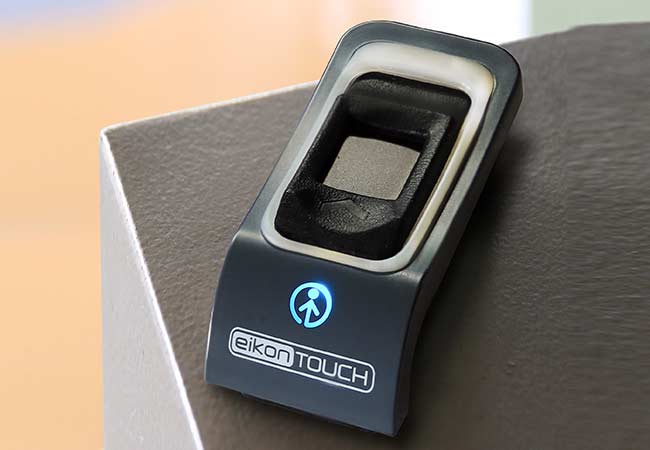
Key Highlights
- Enhanced Security with Biometrics: Ensures only authorized individuals gain access with unique fingerprint verification.
- Real-Time Tracking and Reporting: Offers immediate attendance updates and comprehensive reports to support operational decisions.
- Seamless Parent Communication: Integrates automated notifications to keep parents informed regarding their child’s attendance status.
Introduction
The implementation of an automated attendance system using fingerprint recognition at TIOLAS Day Care Center represents an evolution in ensuring safety, operational efficiency, and regulatory compliance. By leveraging cutting-edge biometric technology, the system minimizes manual errors and significantly improves the security of the facility. An automated system not only increases the reliability of tracking but also enables timely communication with parents and guardians, a crucial aspect in modern childcare management.
Core Features and Functionalities
1. Biometric Fingerprint Recognition
Secure Authentication
At the heart of this automated system is the use of biometric fingerprint recognition. Fingerprints serve as unique identifiers that are extremely hard to replicate, ensuring that only authorized individuals—whether they are children, parents, or staff—can register their presence. This method provides a higher security level compared to key cards or PIN codes, which are vulnerable to loss or duplication.
The fingerprint recognition module operates by capturing the fingerprint image, processing distinct features, and matching these against a pre-enrolled database. Such a process ensures that each check-in or check-out is recorded accurately, reducing the risks associated with buddy punching or unauthorized entries.
2. Real-Time Attendance Monitoring
Instant Visibility Into Attendance Data
With real-time data collection, administrators can view up-to-the-minute attendance logs. This immediate visibility allows for prompt responses in emergency situations and ensures that licensing and consortium requirements are adhered to without delay.
Real-time tracking is particularly beneficial in large daycare centers where multiple classrooms and outdoor areas may require constant monitoring. The system updates attendance statuses as soon as a fingerprint is recognized, thereby eliminating discrepancies often encountered with manual registers.
3. Automated Notifications and Alerts
Keeping Parents and Staff Informed
One of the standout features of the proposed system is the capability to send automated notifications directly to parents’ mobile devices via SMS or email. Once a fingerprint is verified, the system can promptly inform parents about their child's check-in or check-out time. This level of transparency enhances trust and improves overall communication between the daycare center and families.
Additionally, automated alerts can be leveraged to notify staff about attendance irregularities—such as a missing roll-call—or even operational alerts during emergencies or field trips. This proactive communication framework ensures that everyone remains informed about any significant changes or concerns.
4. Integration with Management and Billing Systems
Streamlining Administrative Processes
Beyond simple attendance tracking, the system can be integrated with existing childcare management software. This integration offers substantial benefits, including:
- Billing Accuracy: Real-time attendance data assists in calculating accurate childcare charges, thereby avoiding billing errors.
- Administrative Efficiency: Attendance logs can be automatically processed into reports for regulatory bodies, thereby reducing the administrative burden and potential for manual errors.
- Staff Management: Separate modules for staff attendance ensure that employee work hours are recorded precisely and aid in payroll processing.
5. Attendance Reporting and Analytics
Data-Driven Insights
The data gathered from fingerprint-based check-ins can be processed into comprehensive reports. These reports provide insights into daily, weekly, and monthly attendance patterns, revealing trends such as peak times and absenteeism rates. For example, administrators can quickly identify if attendance drops on specific days, enabling them to adjust staffing or operational practices accordingly.
Analytics also facilitate the development of predictive models using historical data, although such advanced uses should always be underpinned by strong data privacy and security measures. The overall outcome is a more efficiently managed environment where decisions are supported by reliable data.
6. Visitor and Access Management
Comprehensive Control Beyond Regular Attendance
Incorporating visitor management into the automated attendance system adds another layer of security. For instance, when visitors arrive, they too can be required to provide a fingerprint which is cross-checked against a list of pre-approved guests. This simple yet effective step prevents unauthorized entry and guarantees that only those who are recognized can have access to the premises.
Furthermore, assigning unique identification credentials to parents and caregivers can restrict check-out procedures to designated individuals only. This further eliminates risks associated with mistaken pick-ups or fraudulent claims.
7. Health and Safety Integrations
Monitoring and Emergency Support
Safety is at the forefront of any daycare center’s operations. The automated biometric system can be extended beyond attendance to incorporate health monitoring functionalities. For example, administrators can integrate check-in systems with health alerts to report if a child has specific medical conditions or allergies. During pick-up, staff can be quickly reminded about any critical health alerts, ensuring that any required precautions are taken.
Moreover, in emergencies, such as fire drills or unexpected evacuations, the system can efficiently execute a roll-call to ensure every child is accounted for. The rapid identification processes help guide safe and organized evacuations, supporting overall crisis management efforts.
8. Cloud-Based and Data Security Measures
Safeguarding Sensitive Information
Modern systems are most effective when they combine physical security with robust cybersecurity measures. A cloud-based biometric attendance system dynamically updates data while ensuring that backup procedures are in place to avoid data loss. This approach also aids in scalability and remote management, allowing updates and oversight to be carried out seamlessly.
Strong data encryption methods and adherence to data protection regulations fortify the system against potential breaches. Regular audits and secure storage protocols ensure that both biometric and personal data remain confidential and protected from unauthorized access.
9. User-Friendly Interface and Accessibility
Simplified Design for Diverse Users
A user-friendly interface is crucial for broad adoption across various stakeholders, including daycare staff, parents, and administrators. The system should be designed with intuitive navigation, clear instructions, and visual feedback that confirms successful check-ins or alerts to issues. For real-world ease of use, the interface can include features like touchscreen compatibility and adjustable font sizes to assist users with different needs.
In addition, language support and accessible design ensure that non-native speakers or individuals with special accessibility needs can use the system effectively. This adaptability emphasizes inclusivity while enhancing overall operational efficiency.
10. AI-Powered Insights and Predictive Analytics
Leveraging Technology for Future Improvements
Incorporating AI algorithms into the attendance system can provide advanced insights into attendance patterns. AI-driven analytics can forecast trends by analyzing historical attendance data, potentially predicting periods of high absenteeism or peak hours. These insights allow administrators to make strategic decisions about staffing, resource allocation, and even scheduling extracurricular activities.
Such analytics must always be handled with the utmost care regarding privacy. However, when implemented properly, AI enhances the system's predictive capabilities and contributes to a data-driven operational model that continuously refines the center’s processes.
System Integration: A Comprehensive Overview
The advanced automated attendance system integrates multiple functionalities in a single platform. Below is a table summarizing the key features along with their benefits:
| Feature | Description | Benefits |
|---|---|---|
| Biometric Fingerprint Recognition | Unique fingerprint data is captured and verified. | Enhanced security; prevents unauthorized check-ins. |
| Real-Time Attendance Updates | Instant data uploads to the central system. | Immediate visibility of attendance; supports emergency responses. |
| Automated Notifications | SMS and email alerts for check-ins/out. | Improves communication with parents and staff. |
| Integrated Management and Billing | Combines attendance data with billing modules. | Streamlines invoicing, reduces errors, and saves time. |
| Visitor and Access Management | Fingerprint scanning for visitor verification. | Improves overall facility security by controlling access. |
| Attendance Reporting & Analytics | Generates customizable reports based on data. | Provides data-driven insights to optimize operations. |
| Health and Safety Alerts | Integrates child health data and emergency protocols. | Enhances safety and ensures critical alerts are communicated. |
| User-Friendly Interface | Accessible design with clear navigation and local language support. | Improves user adoption and ensures all stakeholders benefit. |
| Cloud-Based Data Management | Remote data access with secure backups. | Supports scalability and ensures data integrity and security. |
| AI-Powered Analytics | Leverages historical data to predict future trends. | Facilitates strategic decision-making and operational improvements. |
Advanced Functionalities and Operational Benefits
Automated Roll Calls and Activity Transitions
Ensuring Every Child is Accounted For
This system can be programmed to perform automated roll calls during transitions between classes or activities. With such a feature, any discrepancies—such as a child’s failure to respond—can trigger immediate alerts to the staff. This mechanism is particularly critical during activities outside the classroom or when supervision ratios need constant vigilance.
Scalability and Customization
Tailored Solutions for Diverse Needs
TIOLAS Day Care Center’s automated attendance system is highly scalable and adaptable. The system can handle a growing dataset of fingerprints, attendance logs, and associated reports. As the center expands or as operational needs shift, the software architecture allows for additional modules such as visitor management or multi-location tracking. Additionally, customizable access levels ensure that different user groups (administrators, caregivers, and parents) receive tailored interfaces with functionality relevant to their role.
Emergency Response Integration
Quick and Reliable Safety Checks
In emergency scenarios, every second counts. Integrating an emergency alert system into the biometric attendance framework means that in the event of an evacuation or other crisis, the system can quickly verify whether all children and staff are present. This feature significantly reduces the response time in verifying attendance and ensures a swift, organized reaction which can mitigate chaos during high-pressure situations.
Impacts on Daily Operations and Stakeholder Engagement
Enhanced Administrative Efficiency
Reducing Manual Errors and Streamlining Workflows
By eliminating paper-based registers, the system reduces instances of human error. Administrative tasks that once required manual input are automated—freeing valuable time that can be redirected towards improving childcare services. This efficiency gain also extends to billing processes, where attendance data directly influences invoicing accuracy. Resultantly, administrative overhead decreases while operational reliability increases.
Strengthened Parent-Caregiver Relationships
Building Trust Through Transparency
Transparent and reliable attendance tracking is not only a management tool; it reinforces the trust relationship between parents and the daycare center. Automated notifications, coupled with accurate data logs, reassure parents that their children are safe and accounted for. Moreover, the seamless communication system facilitates feedback loops that further improve the overall service quality.
Compliance with Childcare Regulations
Meeting Licensing and Health Standards
Adherence to local and state childcare regulations is a major compliance requirement for any daycare center. The automated system ensures that all attendance records are maintained in real time, allowing for quick retrieval during inspections or audits. This data integrity supports regulatory requirements and assists in maintaining certifications and licenses.
Technology Considerations and Future Enhancements
Data Privacy and Security Compliance
Securing Sensitive Biometric Information
Given the sensitive nature of biometric information, data privacy remains a top priority. The system must incorporate encryption protocols both at rest and in transit. Regular security audits and compliance with internationally recognized standards, such as GDPR or local regulatory frameworks, are essential. This ensures that while the benefits of biometric recognition are fully realized, the risks associated with data breaches are minimized.
Ongoing Maintenance and Scalability
Supporting a Dynamic Operational Environment
As the daycare center grows and the volume of data increases, the system must be scalable without compromising performance. Cloud-based solutions not only offer enhanced flexibility but also facilitate remote maintenance, updates, and backups. Future enhancements could include additional biometric modalities, such as facial recognition, to supplement the fingerprint system in multimodal verification scenarios.
References
- myKidzDay - MyKidzDay
- Childcare Attendance Tracking - Brightwheel
- Sign-In & Attendance Tracking - Daily Connect
- Daycare Centers Using Biometrics - Biometric Update
- Biometric Attendance System Features - Digittrix
Recommended Related Queries
 amazon.com
Last updated March 13, 2025