
Unlocking Intraday Opportunities: Top Automated Elliott Wave Analysis Tools
Navigate Market Psychology and Predict Price Movements with Advanced Software
Key Insights into Automated Elliott Wave Analysis
- Automated pattern recognition is a game-changer: Modern software excels at automatically identifying Elliott Wave patterns, reducing manual effort and potential human error, which is crucial for the rapid pace of intraday trading.
- Comprehensive tools offer strategic advantages: The best platforms integrate Elliott Wave analysis with other powerful technical indicators like Fibonacci retracement and projection levels, providing a more holistic view for precise entry and exit points.
- Versatility across markets is essential: Top-tier services support a wide range of financial instruments, including stocks, forex, futures, commodities, and cryptocurrencies, making them suitable for diverse trading strategies.
Elliott Wave Theory, developed by Ralph Nelson Elliott, is a cornerstone of technical analysis, postulating that collective market psychology propels price movements in discernible, recurring fractal patterns. These patterns, consisting of impulse (motive) waves and corrective waves, repeat across various timeframes, from long-term trends to short-term intraday fluctuations. For intraday traders, the ability to quickly and accurately identify these wave structures is paramount to capitalizing on fleeting market opportunities. However, manual Elliott Wave counting can be subjective and time-consuming, making automated solutions highly desirable.
Automated Elliott Wave analysis software and services aim to streamline this complex process. By leveraging sophisticated algorithms and pattern recognition engines, these tools can automatically detect, label, and project potential wave formations in real-time, providing traders with actionable insights. This technological advancement empowers both novice and experienced traders to apply Elliott Wave principles with greater precision and efficiency, enhancing their ability to forecast market movements and identify high-probability trade setups.
The Essence of Automated Elliott Wave Analysis
Bridging Theory with Technology for Enhanced Trading
The core benefit of automated Elliott Wave analysis lies in its capacity to transform a subjective, labor-intensive analytical method into a more objective and efficient process. Traditionally, applying Elliott Wave Theory required significant experience and discretionary judgment to correctly identify wave counts. Automation addresses these challenges by employing computational power to scan charts for predefined wave patterns, adhering to Elliott's rules and guidelines.
Streamlining Pattern Recognition
Automated systems are designed to parse vast amounts of price data, identifying the distinct five-wave impulse sequences and three-wave corrective patterns that form the basis of Elliott Wave Theory. This includes recognizing impulse waves (waves 1, 3, and 5) and corrective waves (waves 2 and 4, typically forming ABC corrections). By doing so, the software can quickly present a probable wave count, allowing traders to focus on strategy development rather than arduous manual labeling.
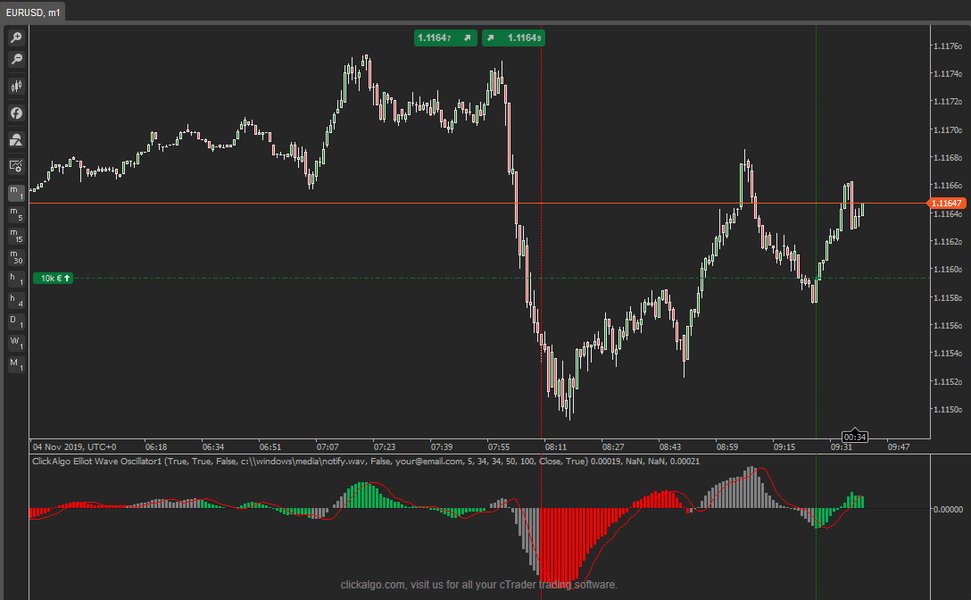
An illustrative example of an Elliott Wave impulse pattern, crucial for automated recognition.
Integration with Fibonacci Tools
A significant advantage of many automated platforms is their seamless integration with Fibonacci retracement and projection tools. Fibonacci levels are intrinsically linked to Elliott Wave structures, often providing critical price targets and support/resistance zones. Automated software can automatically generate these levels once a wave count is established, further enhancing the predictive power of the analysis. This combination provides traders with precise entry and exit points, as well as risk management parameters.
Real-time Monitoring and Alerts
For intraday trading, real-time analysis is non-negotiable. Automated Elliott Wave software continuously monitors market data, updating wave counts and potential setups as price action unfolds. Many platforms offer customizable alerts, notifying traders when specific wave patterns are detected or when price approaches key Fibonacci levels, ensuring that opportunities are not missed in fast-moving markets.
Top Services, Software, and Websites for Automated Elliott Wave Analysis
A Comprehensive Overview for Intraday Traders
The market offers a diverse range of tools designed to assist traders with Elliott Wave analysis, from full-fledged trading platforms to specialized indicators and web-based services. Here's a detailed look at some of the top providers, emphasizing their automated capabilities for intraday trading:
| Rank | Service/Software Name | Key Automated Features for Intraday | Markets Supported |
|---|---|---|---|
| 1 | MotiveWave | Advanced automated Elliott Wave counts, real-time pattern recognition, Auto Wave tool, Elliott Wave Pattern Recognition Scanner. Customizable for different degrees of waves. | Forex, Stocks, Futures, CFDs, Options |
| 2 | WaveBasis | Sophisticated pattern recognition engine for automatic, best-fit Elliott Wave counts. Web-based with flexible workspaces and drag-and-drop customization. | Stocks, Forex, Futures, Cryptocurrencies, Commodities |
| 3 | ELWAVE | Thorough, fully automated Elliott Wave analysis, automatic identification of trade opportunities, and clear exit signals. Known for high accuracy. | Stocks, Commodities, Futures, Forex |
| 4 | MTPredictor | Simplified Elliott Wave analysis with automatic placement of wave counts, focuses on the ABC correction pattern for automatic trade setups, risk control. | Stocks, Futures, Forex |
| 5 | Track 'n Trade Elliott Wave Trading Software | Automated Elliott Wave identification through Zig Zag system with adjustable sensitivity, integrates with Fibonacci retracement and projection. | Stocks, Futures, Forex |
| 6 | Global Trading Software (Indicators for TradeStation, TradingView, NinjaTrader, ThinkorSwim) | Elliott Wave Indicator Suites designed for swing trading strategies, providing automated insights within existing platforms. | Various (depends on platform integration) |
| 7 | TradingView (with specific Elliott Wave Indicators) | Offers various community-developed Elliott Wave indicators and tools for automatic pattern identification and annotation. | Stocks, Crypto, Forex, Indices, Commodities |
| 8 | SWAT (Simple Wave Analysis and Trading) | MetaTrader 4 system incorporating Forex wave analysis into EW routines, flexible for trending and ranging markets. | Forex |
| 9 | Elliott Wave International (Advanced GET) | Provides automated wave analysis and user-friendly interface. Focuses on intraday forecasts and urgent opportunity alerts for subscribers. | Various financial markets |
| 10 | Elliott Wave Forecast | Daily Elliott Wave forecasts for numerous markets, including US Stocks & ETFs, Forex, Indices, Commodities, and Cryptocurrencies. Offers video analysis. | US Stocks & ETFs, Forex, Indices, Commodities, Cryptocurrencies |
| 11 | Wavetraders | Tracks Elliott Wave patterns in real-time on various financial instruments, offers free charts and premium analysis. | Cryptos, Currencies (Forex), DAX, S&P500, Crude Oil, Gold, Silver, US notes |
| 12 | NEoWave | Offers detailed market forecasts based on Elliott Wave principles, with insightful analysis from Glenn Neely. | S&P, Gold, T-Notes, Bitcoin/Euro |
| 13 | Elliott Wave Plus | Combines Elliott Wave with other methodologies like Hurst Cycle Analysis for more objective and less subjective forecasts. | Various (general market forecasting) |
| 14 | Trade The Fifth | Elliott Wave Indicator Software perfect for swing trading, stocks, forex & futures. | Stocks, Forex, Futures |
| 15 | Smart Finance Intraday Trading Elliot Wave Calculator | A calculator tool designed to help traders understand wave patterns for better intraday trading decisions. | Unspecified (implies broad market applicability) |
| 16 | ElliottWaveTrader.net (Avi Gilburt) | Focuses on providing high-probability market movements based on Elliott Wave analysis and market sentiment. Offers intraday analysis. | Various (covers many markets) |
| 17 | Current Wave (CWCOUNT.COM) | Expert Elliott Wave Forecast Analysis with a comprehensive subscription platform. Emphasizes pinpointing opportunities before they happen. | Stock Market (forecasting) |
| 18 | Elliott Wave GPT (YesChat.AI) | An AI-driven tool for demystifying complex Elliott Wave patterns, offering interpretations and theoretical trade suggestions based on chart analysis. | Forex (primary focus) |
| 19 | Admiral Markets (with free Elliott Wave features) | Provides access to Elliott Wave analysis capabilities within their forex trading software, including different wave degree numbering systems. | Forex |
| 20 | FXTM (via MetaTrader with custom indicators) | While not a standalone software, MetaTrader platforms with custom Elliott Wave indicators (like those found on MQL5 marketplace) can provide automated wave detection. | Forex, CFDs |
Evaluating Key Capabilities of Automated Elliott Wave Tools
A Comparative Analysis for Informed Decisions
Choosing the right automated Elliott Wave software for intraday trading depends on several factors, including the level of automation desired, the markets traded, ease of use, and overall cost. To provide a clearer comparative view, let's consider a radar chart illustrating various aspects of these platforms based on their reported capabilities.
This radar chart provides a visual comparison of several leading automated Elliott Wave software solutions across key attributes relevant to intraday trading. It highlights areas of strength and potential areas for consideration for each platform, based on the information gathered from various sources. For instance, MotiveWave and WaveBasis demonstrate high scores in automation and integration, which are critical for fast-paced intraday analysis, while ELWAVE excels in the accuracy of its automated counts. MTPredictor and Track 'n Trade also offer strong automated features, particularly concerning their unique approaches to wave identification and Fibonacci integration.
Diving Deeper: The Role of AI and Advanced Features
Beyond Basic Automation
The evolution of automated Elliott Wave analysis extends beyond simple pattern recognition. Modern solutions are increasingly incorporating advanced features, including artificial intelligence (AI) and machine learning, to refine their analytical capabilities and provide even more nuanced insights. These technologies aim to enhance the accuracy of wave counts and adapt to ever-changing market conditions.
AI and Machine Learning Integration
Some platforms, like Elliott Wave GPT, are exploring AI to interpret complex patterns and offer theoretical trade suggestions. This can significantly reduce the learning curve for new traders and provide experienced analysts with a second opinion. AI-driven tools can potentially learn from historical data to improve their predictive accuracy over time, identifying subtle nuances that might be missed by rule-based systems.
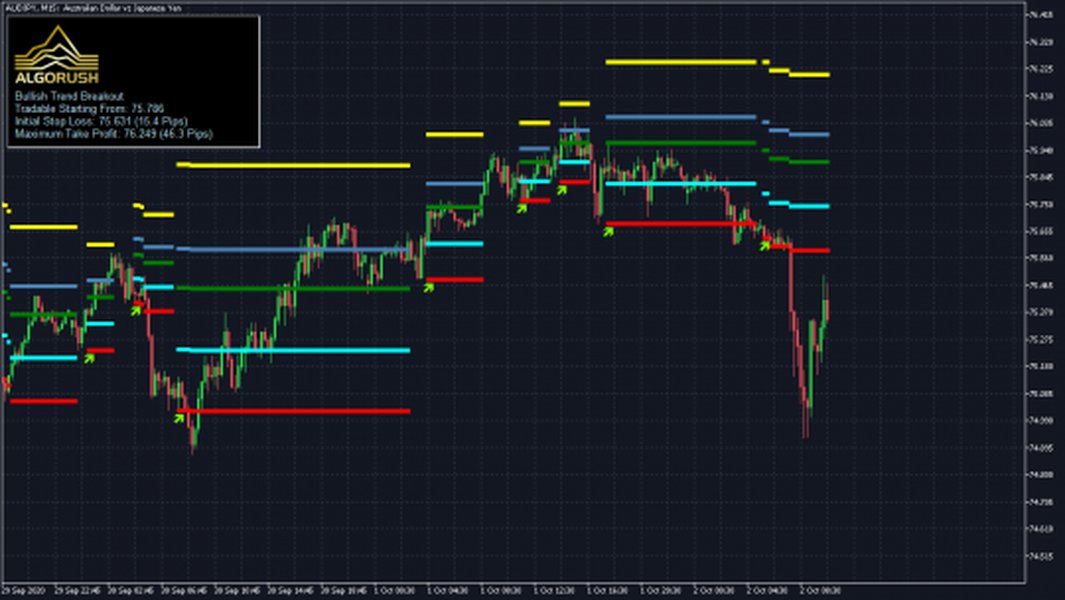
An example of an AI-driven trading system potentially incorporating Elliott Wave analysis.
Advanced Charting and Customization
Many of these tools offer highly customizable charting environments, allowing traders to tailor their workspace to their specific needs. This includes features like drag-and-drop interfaces, multiple chart bar types, and the ability to overlay various indicators alongside Elliott Wave counts. Such flexibility is crucial for intraday traders who often rely on a combination of analytical tools.
Backtesting and Simulation Capabilities
For those looking to refine their strategies, platforms like MotiveWave and Track 'n Trade offer backtesting and trade simulation features. While not all Elliott Wave Lite editions include strategy backtesting, professional and ultimate editions often do. This allows traders to test their Elliott Wave-based strategies against historical data without risking real capital, identifying potential weaknesses and strengths before live trading.
Understanding Intraday Trading with Elliott Wave
Leveraging Wave Patterns in Fast Markets
Intraday trading requires swift decision-making and precise execution. Elliott Wave Theory, when applied effectively to shorter timeframes, can provide a robust framework for identifying potential turning points and trend continuations. The key is to recognize that wave patterns are fractal, meaning smaller wave structures nest within larger ones.
Identifying High-Probability Setups
For intraday traders, the focus is often on identifying the shorter-term impulse waves (typically waves 3 and 5) that offer significant momentum, and the corrective waves (wave 2 or 4) that present opportunities for low-risk entries. Automated software can highlight these formations in real-time, reducing the analytical burden and allowing traders to react quickly.
This video discusses mastering the 5th wave move for day trading with Elliott Wave, illustrating how specific wave patterns are crucial for intraday strategies.
This video provides an in-depth tutorial on how to master the 5th wave move for day trading using Elliott Wave theory. The 5th wave is the final leg of an impulse sequence and can offer significant trading opportunities, especially when identified accurately with automated tools. Understanding its characteristics, such as potential divergences and volume patterns, is vital for successful execution in fast-moving intraday markets. The video likely delves into the nuances of spotting these setups and combining them with other technical analysis tools to enhance trading precision.
Risk Management and Trade Management
Automated Elliott Wave software often provides built-in tools for risk management, such as automatically suggesting stop-loss and take-profit levels based on wave counts and Fibonacci extensions. This is particularly valuable for intraday trading, where strict risk control is essential due to the high leverage and rapid price swings. Platforms like MTPredictor emphasize risk control by isolating specific Elliott Wave patterns for trade selection.
Frequently Asked Questions about Automated Elliott Wave Analysis
What is Elliott Wave Theory?
How does automated Elliott Wave software work?
Is automated Elliott Wave analysis suitable for intraday trading?
Can I combine automated Elliott Wave analysis with other indicators?
What are the limitations of automated Elliott Wave software?
Conclusion
Automated Elliott Wave analysis tools have transformed how traders approach market forecasting, particularly for the high-speed demands of intraday trading. By providing instantaneous pattern recognition, integrated Fibonacci tools, and real-time alerts, these software solutions significantly enhance efficiency and decision-making. While no tool can guarantee profits, the ability to rapidly identify high-probability wave structures and manage risk effectively makes these platforms invaluable for those seeking to leverage Elliott Wave Theory in their daily trading endeavors. The continued evolution of AI and machine learning integration promises even more sophisticated and adaptive analysis in the future, further empowering traders in the dynamic financial markets.
Recommended Further Exploration
- How to accurately apply Fibonacci levels with Elliott Wave for trading?
- Best practices for risk management in intraday Elliott Wave trading?
- Understanding market psychology through Elliott Wave and fractal patterns?
- Advanced Elliott Wave patterns and their trading implications?