
Automated Data Integration in HR Dashboards
Enhancing HR efficiency and decision-making with real-time insights
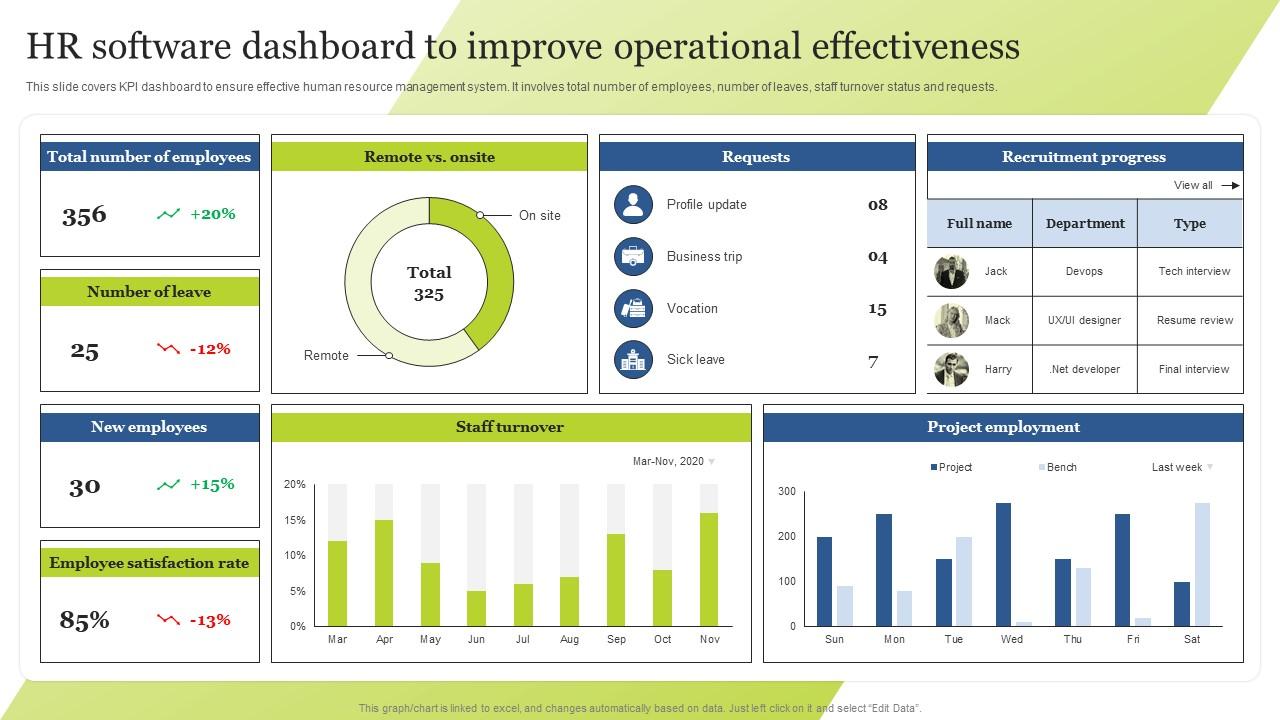
Key Highlights
- Streamlined Data Flow: Integrate HRIS, payroll, ATS, and more for a unified data view.
- Increased Accuracy: Real-time updates and automation minimize manual errors.
- Enhanced Decision-Making: Robust analytics and customizable dashboards support strategy.
Understanding Automated Data Integration in HR
Automated data integration in HR dashboards is a modern solution designed to consolidate various HR-related data sources into one centralized, up-to-date dashboard. This technology harnesses middleware, APIs, and prebuilt connectors to aggregate data from diverse systems such as Human Resources Information Systems (HRIS), payroll, applicant tracking systems, and time-tracking applications. The result is a holistic view of HR metrics that enables organizations to monitor workforce dynamics, improve operational efficiency, and make data-driven decisions.
What It Involves
The backbone of automated integration lies in connecting multiple data sources. Instead of manual updates across different platforms, data is ingested, converged, and then cleaned for uniformity and accuracy. This seamless flow not only reduces errors of manual entry but also narrows down potential data silos. Data arriving from systems like HRIS, payroll, learning management systems (LMS), and performance management platforms is synchronized in real-time. This assures HR managers that they are always looking at the most current information.
Key Components and Techniques
Data Ingestion and Cleansing
The initial stage of data integration focuses on the ingestion of data from different sources. Automated data pipelines fetch information continuously, then apply rigorous data cleansing procedures. These processes remove discrepancies, standardize formats, and eliminate duplicates – ensuring that the consolidated dashboard reflects high-quality data.
Real-Time Updates
One of the most significant advantages of automation is the capability to update data in real-time. When an HR system records an update—such as a new hire, a change in employee benefits, or payroll modifications—this information is quickly propagated to the dashboard. The result is an agile HR setup where decisions and strategies are based on the most recent data available.
Middleware, APIs, and Prebuilt Connectors
Middleware and APIs serve as critical enablers for data integration. They allow different software systems to communicate effortlessly, ensuring seamless data transfer. Prebuilt connectors further simplify integration by providing plug-and-play functionality that reduces technical obstacles and accelerates deployment. This means HR professionals do not need extensive technical knowledge to benefit from integrated HR dashboards.
Benefits of Automating HR Dashboard Data Integration
Enhanced Efficiency and Productivity
Automating the integration process significantly cuts down the time HR teams spend handling data manually. Studies have shown that HR professionals can save up to 14 hours weekly on administrative tasks when data flows seamlessly between systems. With reduced manual workload, HR teams can redirect their focus to strategic planning and employee development, leading to a more proactive approach in managing talent.
Improved Data Accuracy and Consistency
One of the recurring challenges with traditional, manual data entry is the susceptibility to error. Automated systems minimize human error by ensuring that data is automatically updated across all integrated systems. Furthermore, data cleansing routines reduce the risk of duplicate or inconsistent records, leading to more confident decision-making. Managers and executives can rely on dashboards to accurately reflect key performance indicators (KPIs) such as turnover rates, performance scores, and employee engagement levels.
Robust Analytics and Reporting Capabilities
With consolidated data, automated HR dashboards now incorporate advanced analytics techniques that empower organizations to generate insightful and interactive reports. Such dashboards can offer features like predictive analytics, trend analysis, and AI-powered insights. These capabilities allow organizations to not only monitor current workforce trends but also forecast future HR needs and potential challenges. Enhanced reporting ensures that stakeholders receive precise data visualizations assisting in informed, data-driven strategic decisions.
User-Centric Visualizations and Customizations
Modern HR dashboards are designed to be user-friendly. With customization options and visually engaging charts, the dashboards enable HR professionals and leaders to assess complex data sets quickly. They can drill down into specifics—such as department-wise performance or regional employee satisfaction—through scalable and intuitive interfaces. This flexibility ensures that the dashboard can serve diverse business requirements and adapt to evolving organizational priorities.
Facilitates Strategic Decision-Making
The integration of diverse data streams into a single dashboard grants HR teams a panoramic view of their workforce. This comprehensive outlook not only streamlines daily administration but also fuels strategic planning. Decision-makers can correlate disparate datasets to uncover underlying patterns and trends in areas like employee retention, recruitment efficiency, and benefits utilization. Armed with cohesive data, organizations can take proactive steps in talent management, forecast HR needs, and optimize overall workforce planning.
Implementing Automated Data Integration
Steps to Successful Integration
Getting started with automated data integration in HR dashboards involves a methodical approach. First, identify the key HR systems that house essential workforce data. Common platforms include HRIS, payroll, applicant tracking systems (ATS), and learning management systems (LMS). Next, evaluate integration tools that suit the organization’s technical infrastructure. When technology like middleware and API-driven connectors is employed, the integration becomes seamless and scalable.
1. Identifying Data Sources
A comprehensive integration begins with pinpointing all the HR systems that contribute to data silos. This may include both internal systems (like personnel management software) and external tools (like third-party recruitment platforms). Mapping out these components provides a clear picture of where data is stored and how interconnected these sources are.
2. Data Cleansing and Standardization
Before data can be integrated, it is vital to standardize the information. This includes applying consistent formatting, removing duplicate entries, and ensuring that all records reflect the same parameters. Effective data cleansing routines remove inconsistencies that could deteriorate the quality of HR insights.
3. Real-Time Data Synchronization
Implementing an automated update mechanism is crucial for keeping the consolidated data current. With real-time synchronization, any changes in connected systems are immediately reflected on the central dashboard. This dynamic updating process leverages continuous data ingestion and transformation pipelines.
4. Customizing the Dashboard
While data integration forms the foundational backend, the value of a dashboard lies in its usability. Customizable interfaces help HR teams focus on the metrics that matter most to them. From visualizing employee turnover to monitoring recruitment trends and engagement levels, the dashboard should reflect the operational priorities of the HR function.
5. Continuous Monitoring and Maintenance
Once implemented, the data integration process requires ongoing monitoring to adapt to new datasets or changes in HR systems. Regular maintenance ensures that the integration remains robust, secure, and efficient. This proactive approach maximizes the value of the dashboard over time.
Integration Tools and Technologies
Numerous tools in the market have been specifically designed to handle the intricate task of integrating HR data. These tools range from middleware solutions and robust HR analytics platforms to prebuilt connectors that require minimal configuration. While some organizations may opt for bespoke solutions tailored to their specific needs, many prefer using industry-standard tools given their ease of integration and widespread support.
Table of Common HR Integration Tools
| Tool/Platform | Key Features | Use Case |
|---|---|---|
| HRIS Systems | Centralized HR data management, payroll, benefits | Employee records management and reporting |
| Applicant Tracking Systems (ATS) | Recruitment tracking, candidate management | Efficient recruitment and onboarding |
| APIs & Middleware | Data pipelines, standardized data flows | Integration across disparate HR software |
| HR Analytics Platforms | Predictive analytics, dynamic dashboard visualizations | Strategic workforce planning and analysis |
| Prebuilt Connectors | Plug-and-play integration, minimal configuration | Simplified integration for common HR systems |
Strategic Impact on HR Management
The integration of automated data into HR dashboards extends beyond time-saving benefits; it plays a pivotal role in shaping HR strategy. Access to real-time, accurate, and comprehensive workforce data enables HR leaders to identify trends and patterns that influence strategic initiatives. The ability to evaluate metrics related to employee turnover, engagement, and performance supports a culture of continuous improvement and data-driven decision-making.
Data-Driven Decision Making
When HR dashboards merge information from various data sources, they offer an unprecedented level of clarity. Leaders can gain insights into the effectiveness of recruitment drives, the impact of training initiatives, and overall employee satisfaction. With advanced analytics at play, HR professionals can utilize predictive models to identify potential issues before they escalate, such as forecasting employee attrition or detecting gaps in workforce performance. This proactive approach ensures that strategies are adaptive and responsive.
Enhancing the Employee Experience
A centralized HR dashboard that integrates data from all HR functions does not only benefit management—it enhances the overall employee experience as well. When data is automated and integrated, employees avoid the frustration of interacting with outdated and redundant systems. They can access all relevant HR information in one place, whether it’s benefits information, payroll data, or performance feedback, thereby reducing time wasted on administrative tasks and IT troubleshooting.
Best Practices for Successful Data Integration
Ensuring Data Security and Privacy
While integrating sensitive HR data, it is paramount that data security and privacy remain top priorities. Organizations must implement stringent access controls, data encryption protocols, and regular audits of data usage. By doing so, they ensure that employee data is handled in a compliant manner and is protected from potential breaches.
Regular Data Quality Audits
To maintain the high standards of data accuracy, regular audits should be scheduled. Continuous monitoring allows teams to identify and remedy discrepancies promptly. This ongoing commitment to data quality reinforces trust in the dashboard’s metrics and the decisions they inform.
Collaborative Stakeholder Involvement
Keeping all relevant stakeholders in the loop is critical. HR professionals, IT teams, and business analysts should collaborate to refine data collection, integration processes, and dashboard presentation. This collaborative approach ensures that the integrated system is aligned with dynamic business needs and facilitates transparency throughout the organization.
Leveraging Automated Integration for Future Growth
As organizations continue to adopt digital transformations in HR, automated data integration will only become more essential. Looking ahead, emerging trends such as artificial intelligence and machine learning are poised to further enhance HR dashboards through automated predictions and bespoke insights. By staying abreast of technological advancements, companies can implement scalable, future-proof solutions that adapt to growth, evolving organizational structures, and new forms of work.
It is also vital to invest in training and change management initiatives to maximize the benefits of automated integration. As HR professionals gain familiarity with sophisticated analytics tools, they are better positioned to harness the power of data to drive innovation, boost employee engagement, and refine strategic decisions.
References
- HR Data Integration: How To Streamline Your Data - AIHR
- HRIS Integration: A Detailed Guide (2024) - SoftwareSuggest
- HR Data Integration: Benefits and Use Cases (2024) | Visier
- HR Dashboard: 7 Key Examples and Best Practices - Qlik
- The #1 Plug & Play HR Dashboard and Reporting Platform - Employee Cycle
Recommended Queries
Last updated March 5, 2025